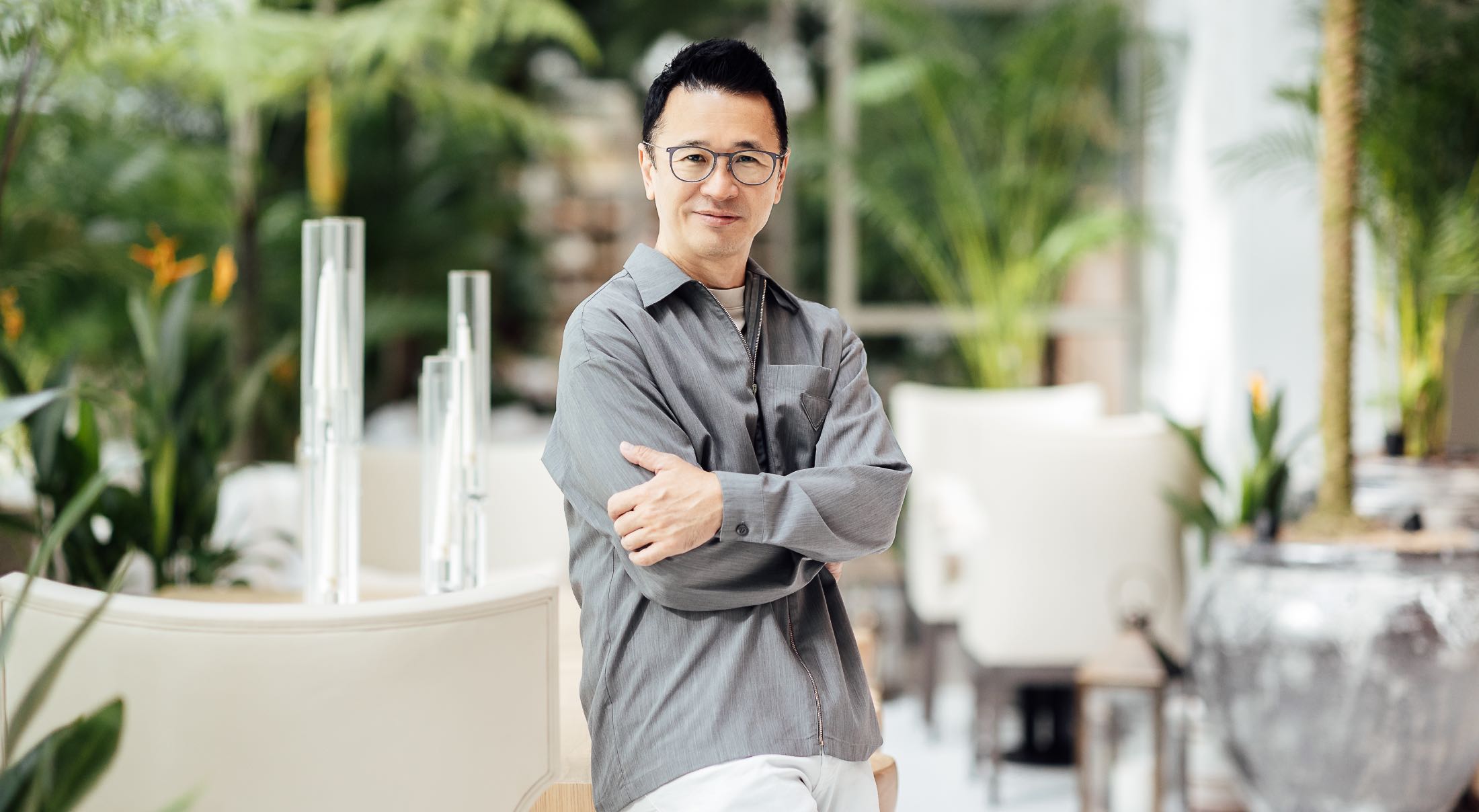
In Mind Your Business, we speak with business leaders and thinkers who inspire their respective companies and industries. Here, we feature Clint Nagata, founder of Blink Design Group
Striking out on one’s own is not for everyone. It demands a certain steadiness, a willingness to take risks, and an acceptance that failure is part of the process. So, it says much about Clint Nagata, who—despite being the youngest partner at the renowned design firm Wimberly Allison Tong & Goo—chose to step away and establish Blink Design Group in 2006.
Two decades on, the studio has built an extensive portfolio that spans some of the world’s most exquisite properties, including the refined Six Senses Kyoto, the heritage-rooted Regent Phu Quoc, and the contemporary and sophisticated Banyan Tree Dubai.
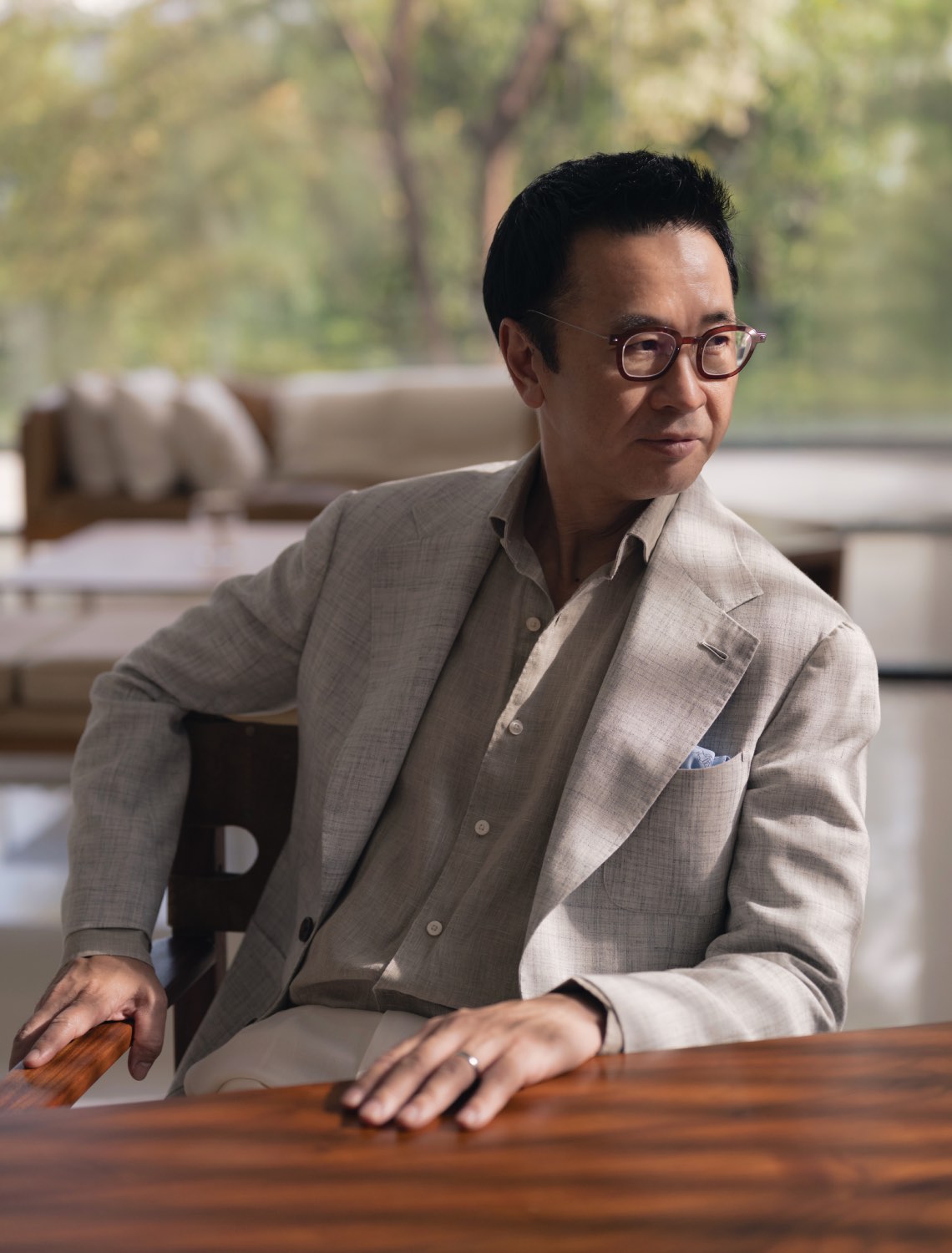
Nagata and his team have expanded beyond their established studios in Singapore, Bangkok, and Dubai with a new London outpost. With several highly anticipated projects already secured, it seems Nagata, with his philosophy of proportion, cultural authenticity, and place-driven design, is ready to venture into new frontiers once again.
You left WATG as its youngest partner to start Blink. Looking back, how difficult of a decision was that to make?
Deciding to leave the only job I had to move halfway across the world to start a new company was both exciting and challenging. At the time, the decision was an easy one as I saw Asia as the future of hospitality design and had met many wonderful people along the way who helped me to see it forward.
You’ve kept Blink’s hierarchy flat. In practice, how does this make a project stronger?
Keeping the firm’s hierarchy flat allows everyone to collaborate to the best of their abilities. Inspiration can often be found in the most surprising situations or in people who have nothing to lose and everything to learn.
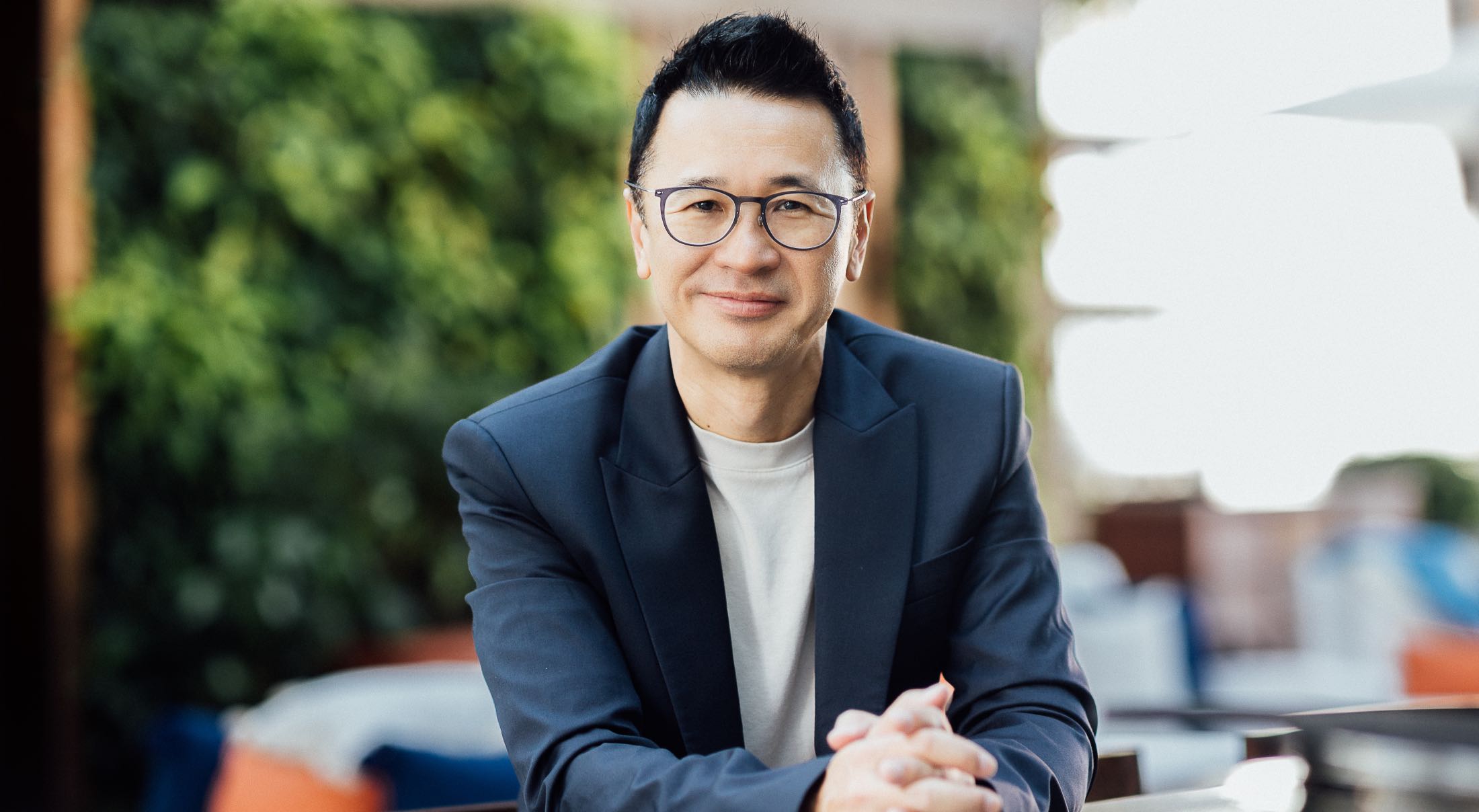
From Don Goo to Kevin Chan, your mentors shaped how you think about proportion, vision, and practicality. Which of those lessons still guides you most strongly today?
The most important design lesson I still carry with me today is the lesson of proportion and balance. You should design by proportion, rather than scale. You must always be cautious about balance whether it’s in regard to light, texture, space, or colour.
You’ve mentioned that sustainability isn’t the most comfortable topic to discuss in luxury hospitality. What’s one thing the industry still refuses to acknowledge?
Sustainability is the current buzzword but the reality of producing a sustainable design is often trumped by economics. Unfortunately, budgets and cost have continued to make building sustainably cost prohibitive to many projects regardless of location.
You’ve compared luxury hotels to fashion collaborations. Where do you see the strongest parallels?
Luxury hospitality creates desire through storytelling. Just as fashion labels team up with unconventional designers, hotels are turning to visionary collaborators to inject new ideas and perspectives.
Design collaborations are powerful because they inject new energy without losing core values. When we partner with brands like Six Senses or Regent, we’re essentially collaborating. Their philosophy meets our design language, creating something neither could achieve alone.
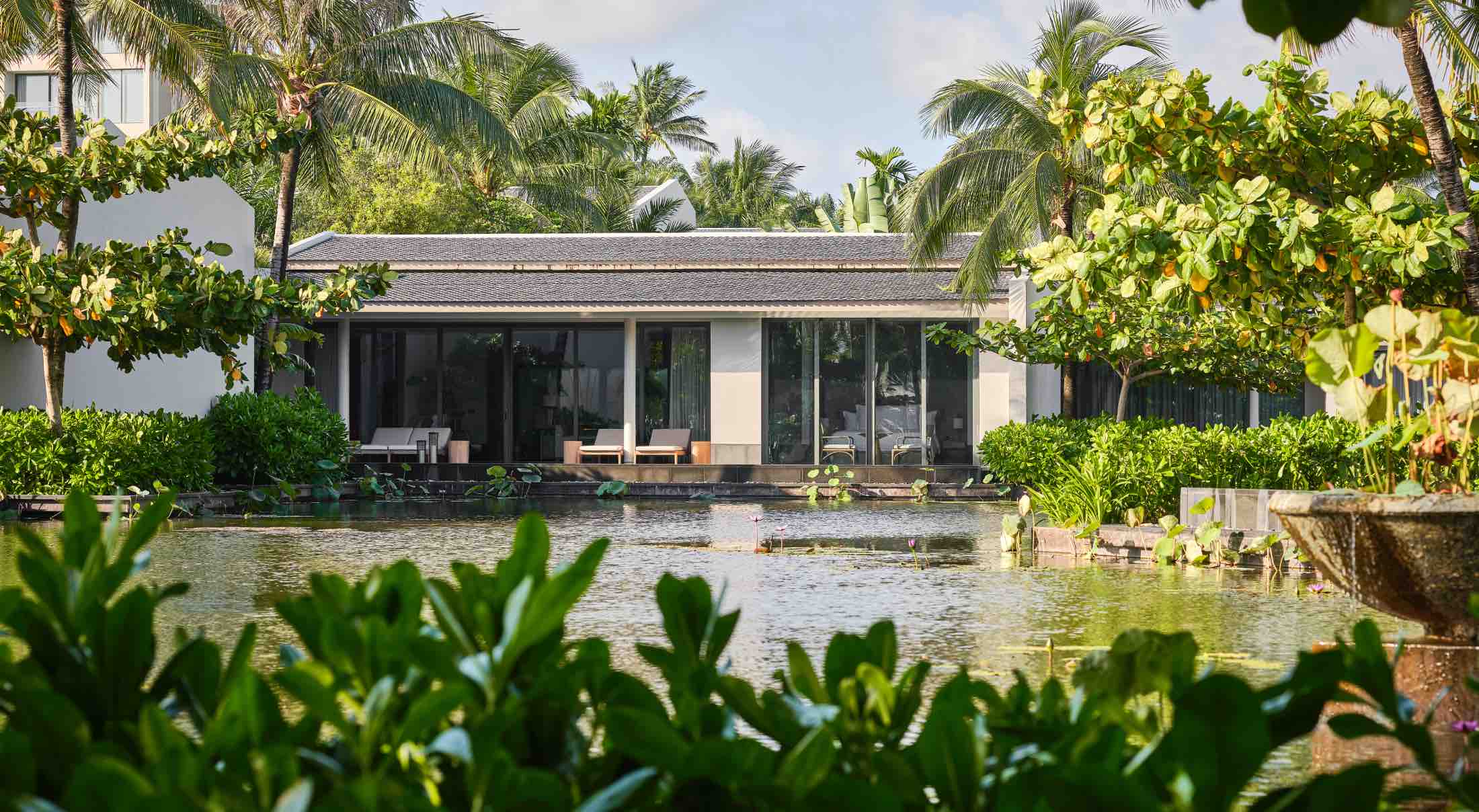
You often say your favourite project is always the next one. What do you look for that tells you a new project will push you further than the last?
When we fail at winning a project or exceeding expectations, it forces us to stop and rethink. Failings are blessings in disguise if you know how to grow from it and reinvent yourself.