Classic codes meet lived-in detail in the Acne Studios Fall Winter 2026 menswear collection
For three decades, Acne Studios has explored the soul of denim, tracing how fabric gathers character over time, and the Fall Winter 2026 menswear collection continues that conversation.
“Denim has an eternally youthful identity, while being worn in such a way that its surface speaks to lived experience,” notes co-founder and creative director of Acne Studios, Jonny Johansson. “I wanted this season to explore the passage of time as both a testament to our credibility and a reflection of how classic codes evolve.”
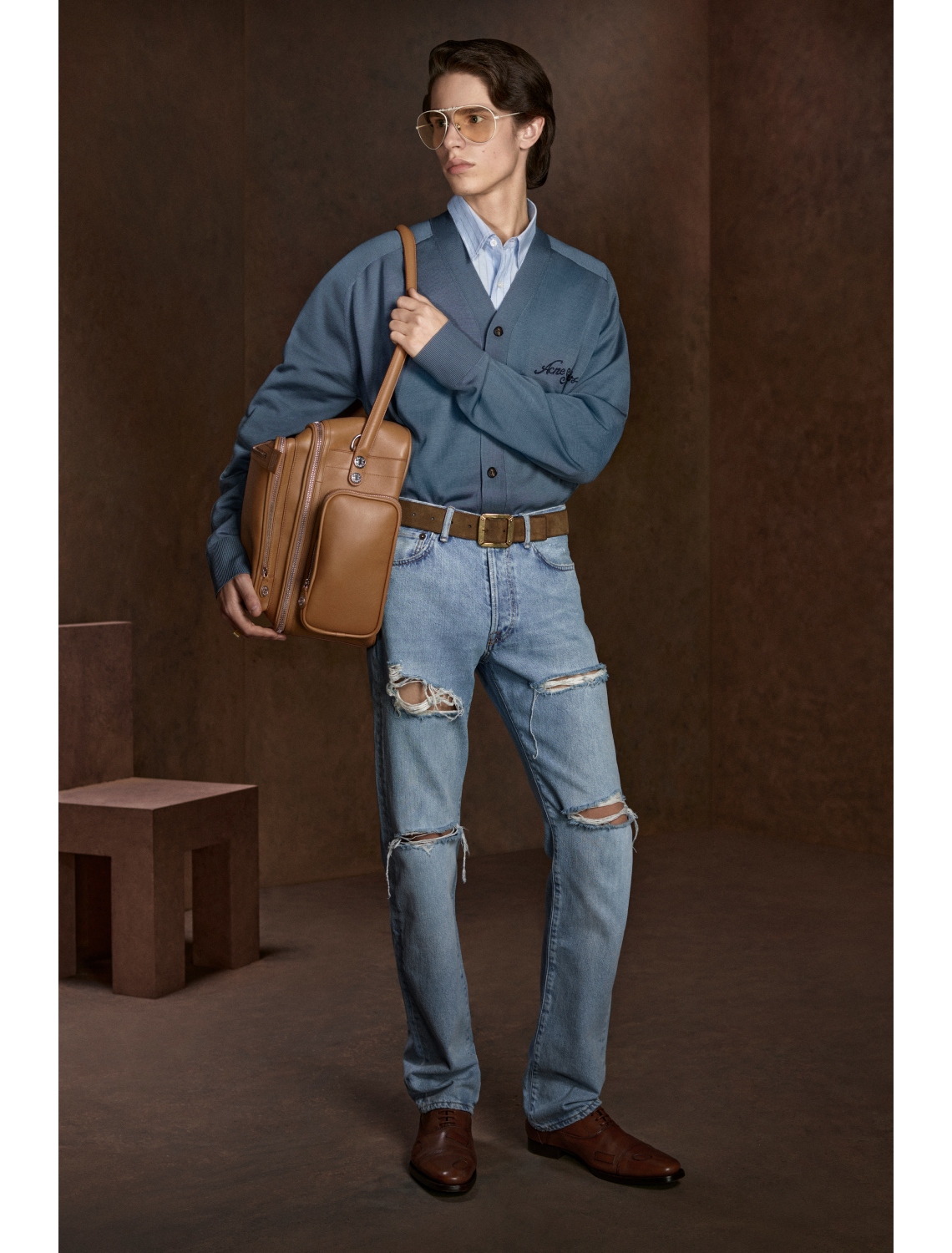
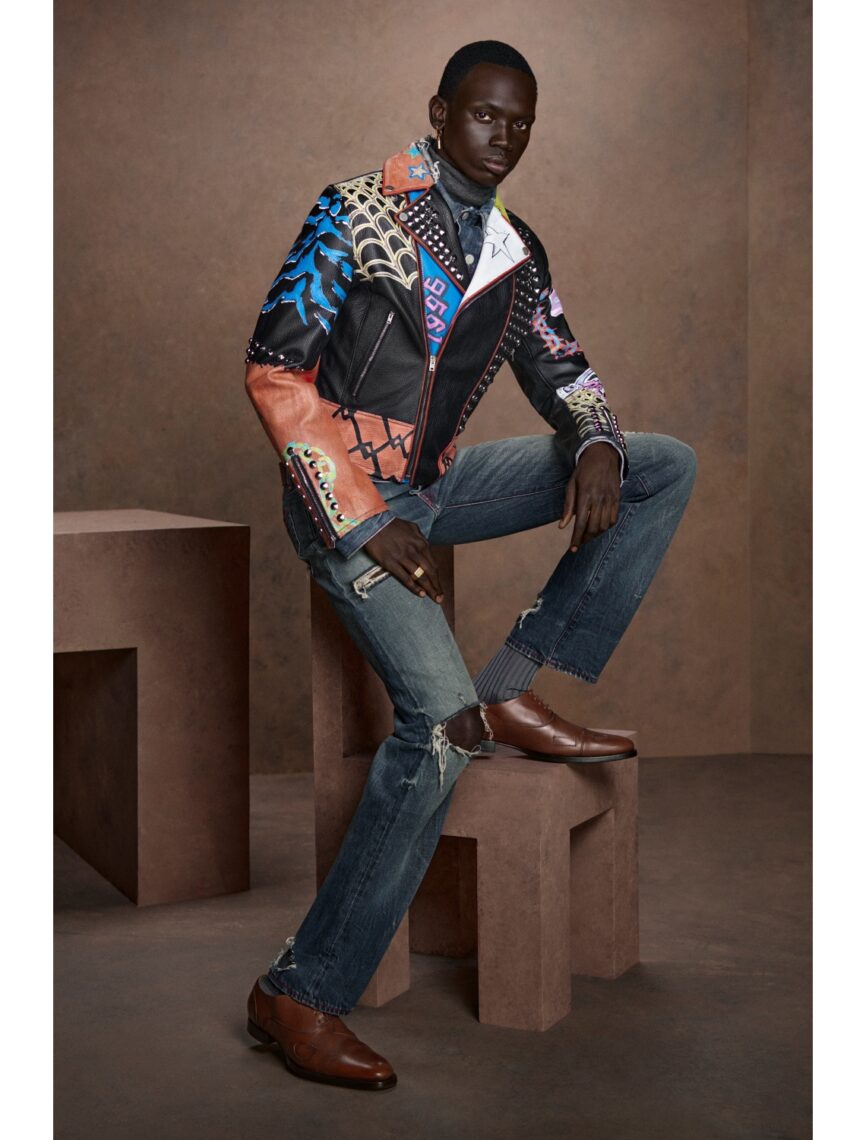
Denim, naturally, takes centre stage. The straight-leg 1996 silhouette returns, faithful to its original proportions yet refreshed with washes that suggest wear, repair, and memory. Trompe l’œil flourishes abound: jeans appear photocopied or collaged, occasionally interrupted by tape or visible mending, blurring the line between imagination and reality. Leather complements denim like a quiet co-star, appearing in jackets, pockets, and full looks that feel lived-in, as if borrowed from a wardrobe already seasoned by time. It’s the kind of leather that invites touch, the kind that carries a story.
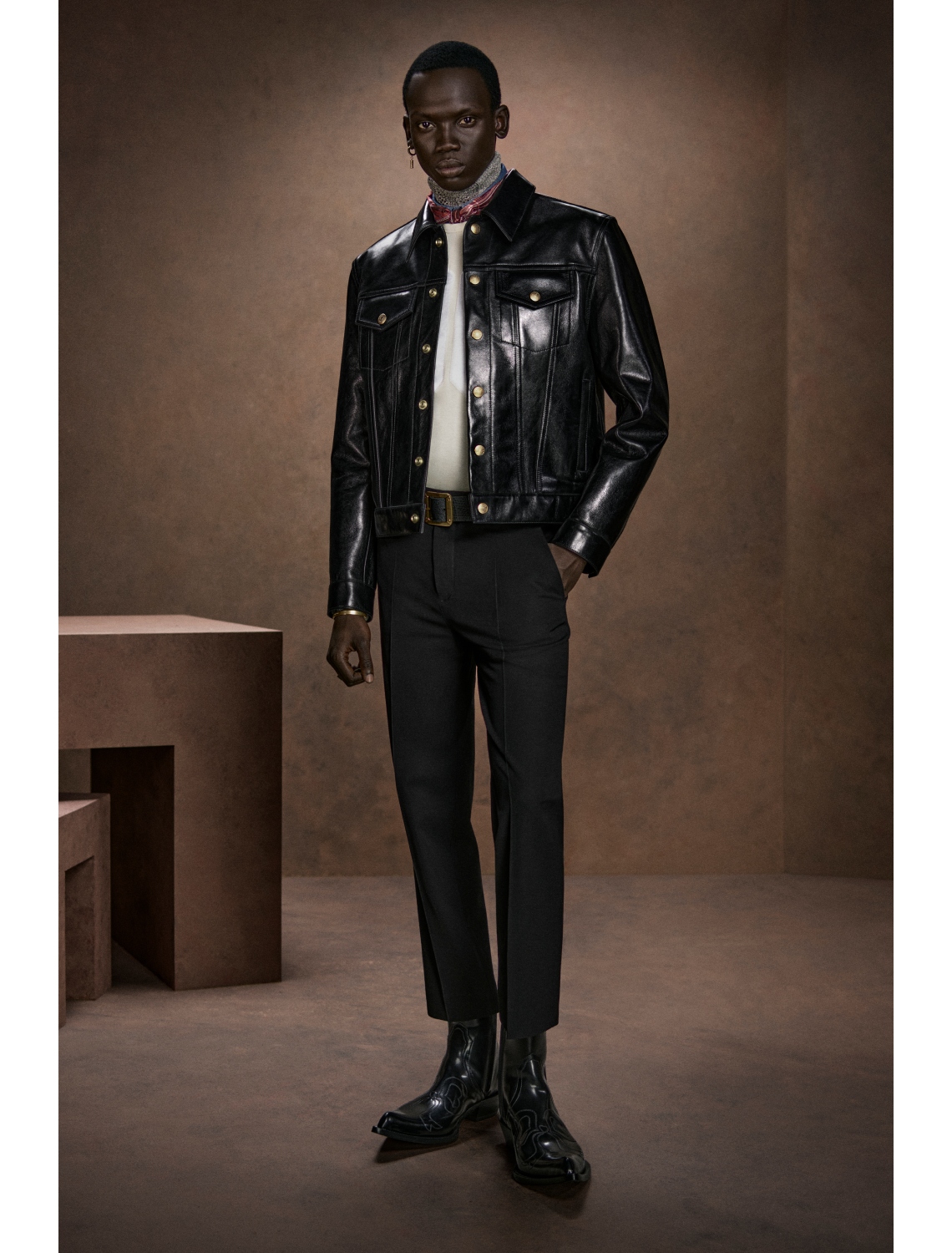
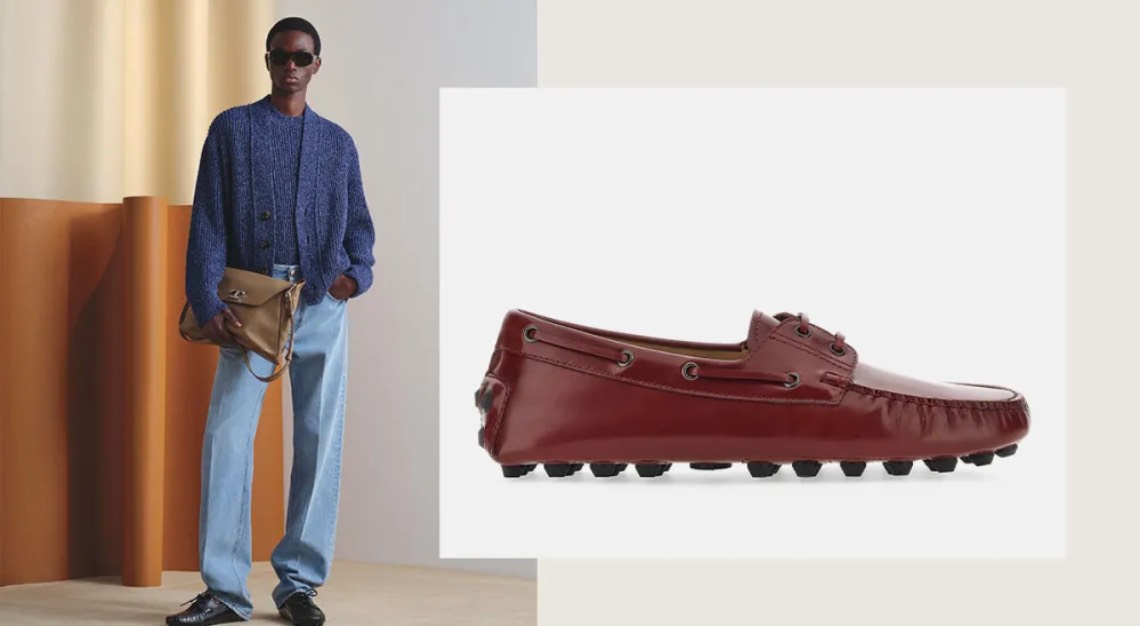
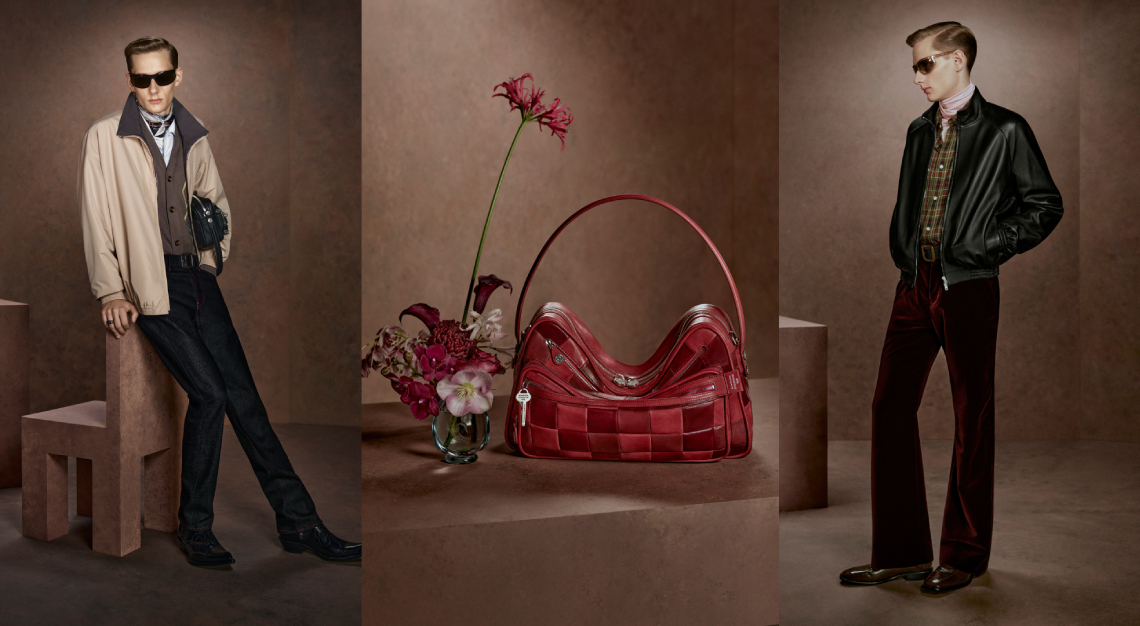
Accessories and footwear continue the conversation, extending the lived-in ethos across the entire wardrobe. Bags like the iconic Camero return in patchwork iterations, while sunglasses wink to 1970s styles with a modern edge. Shoes—whether mended Oxfords and loafers or sharply sculpted cowboy and ankle boots—feel as though they carry both a past and a future, grounding the collection in tangible history while remaining effortlessly contemporary.
Our favourite looks
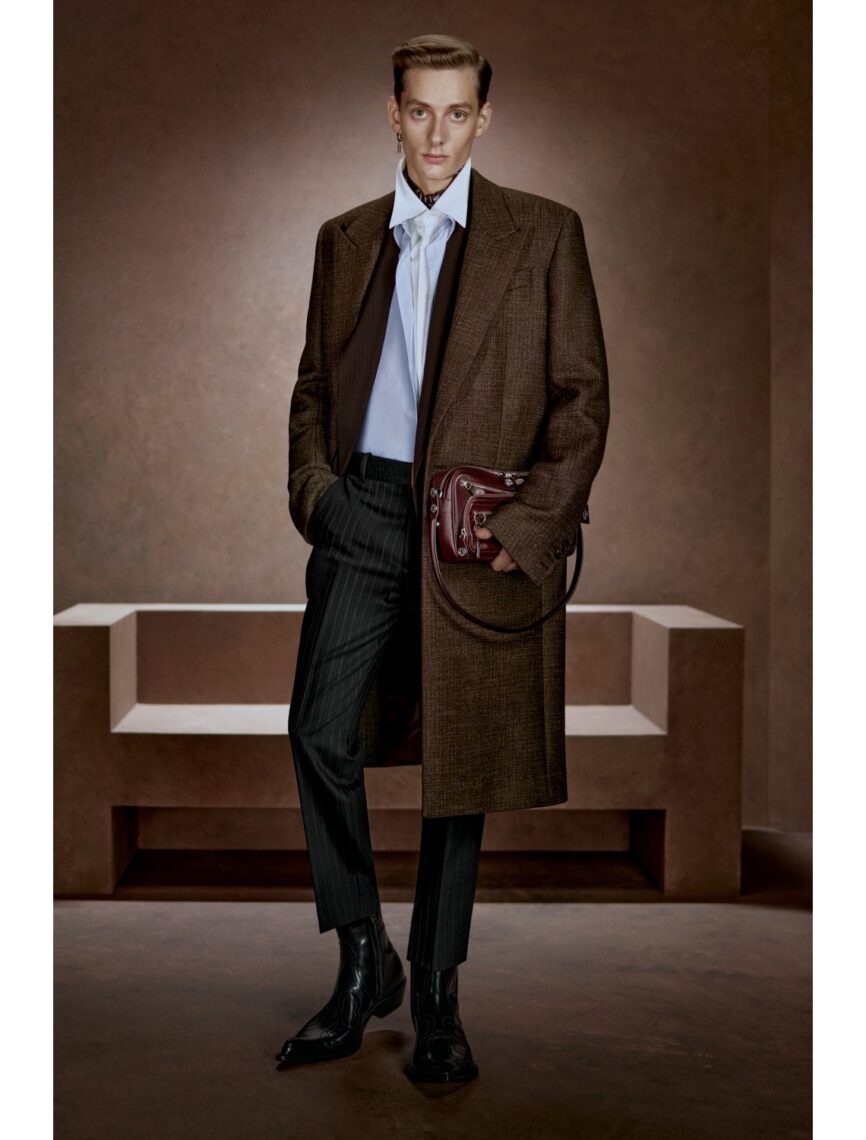
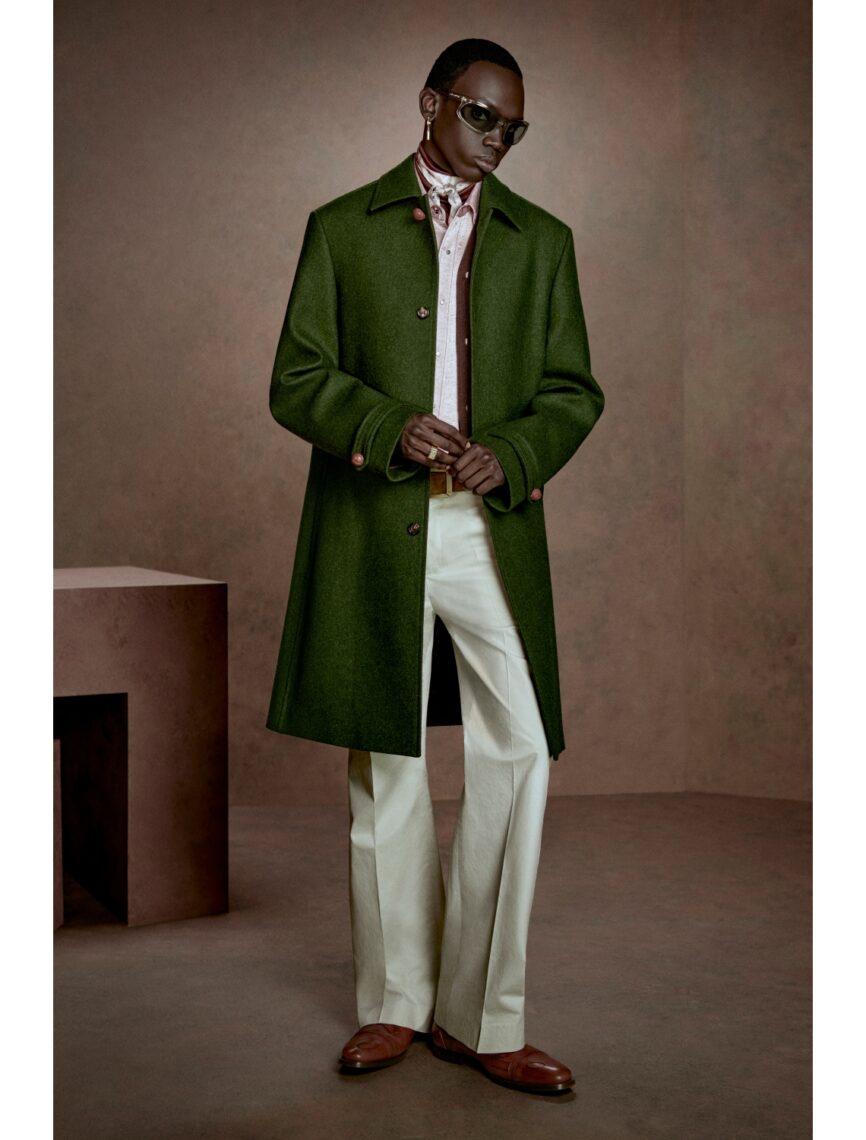
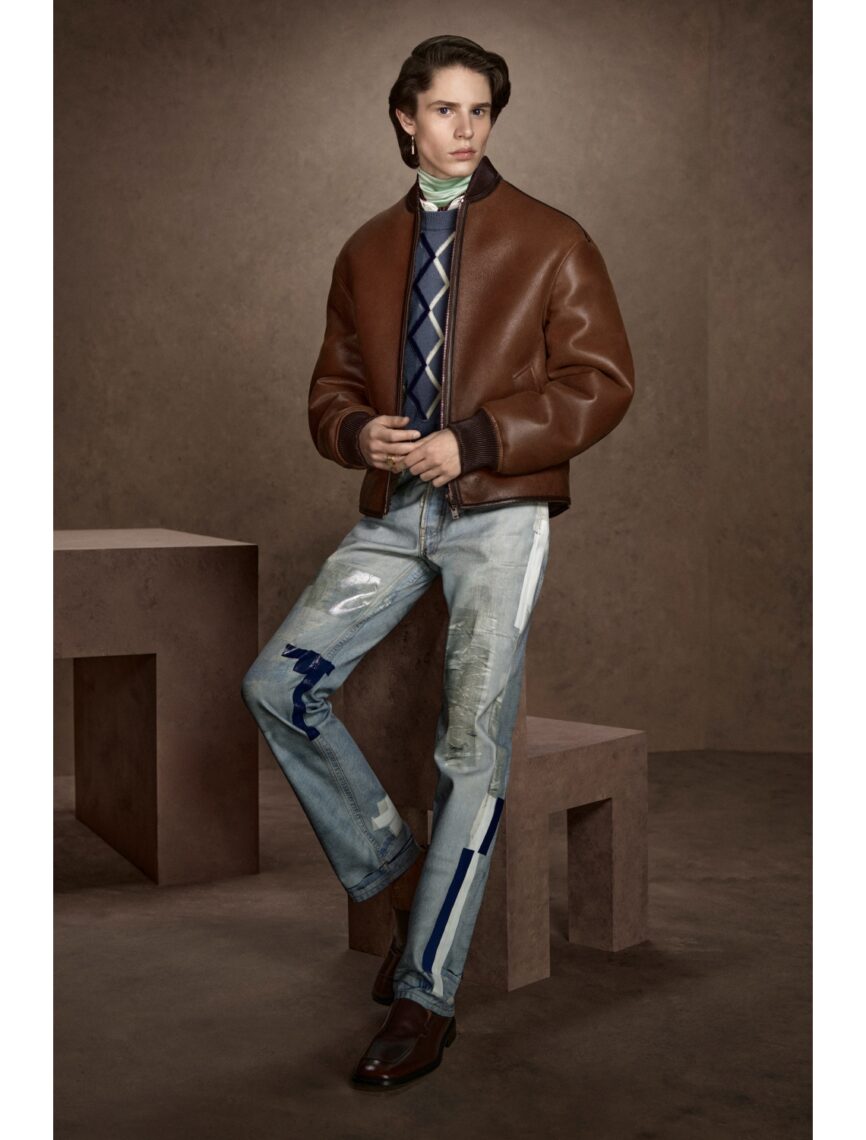
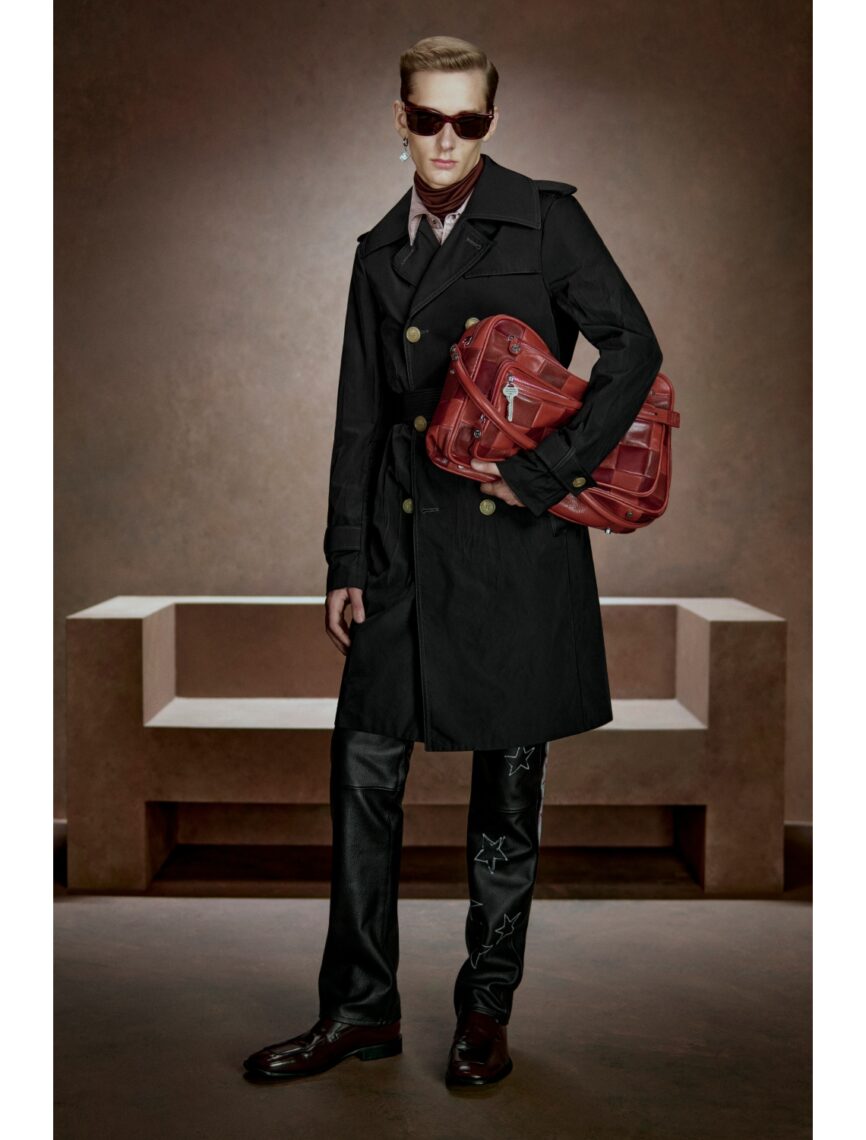
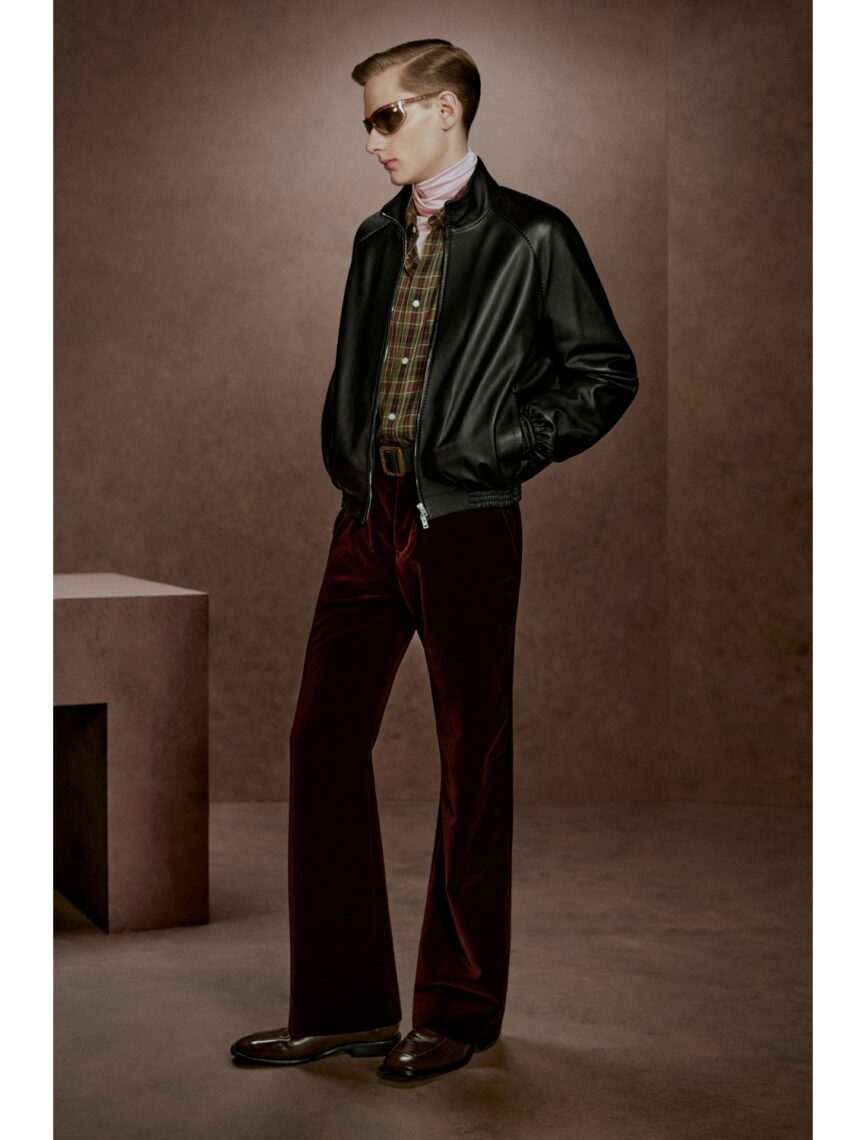
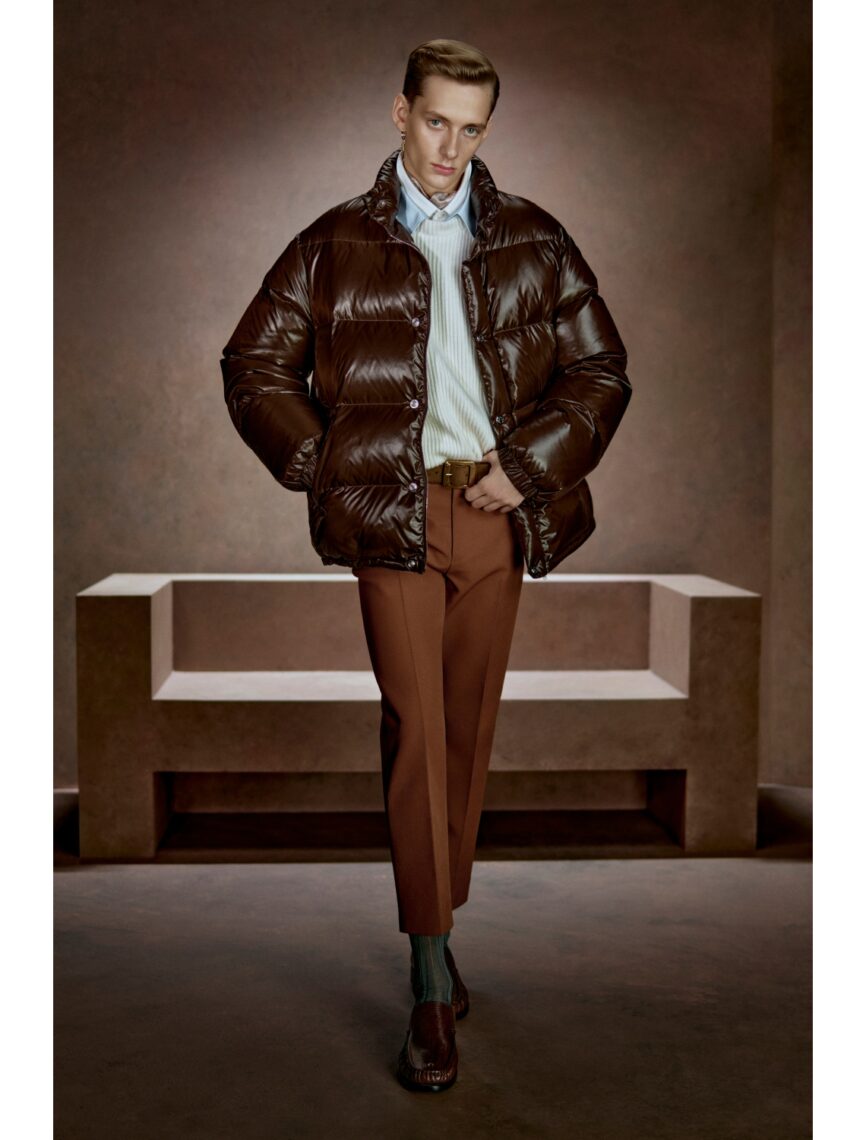
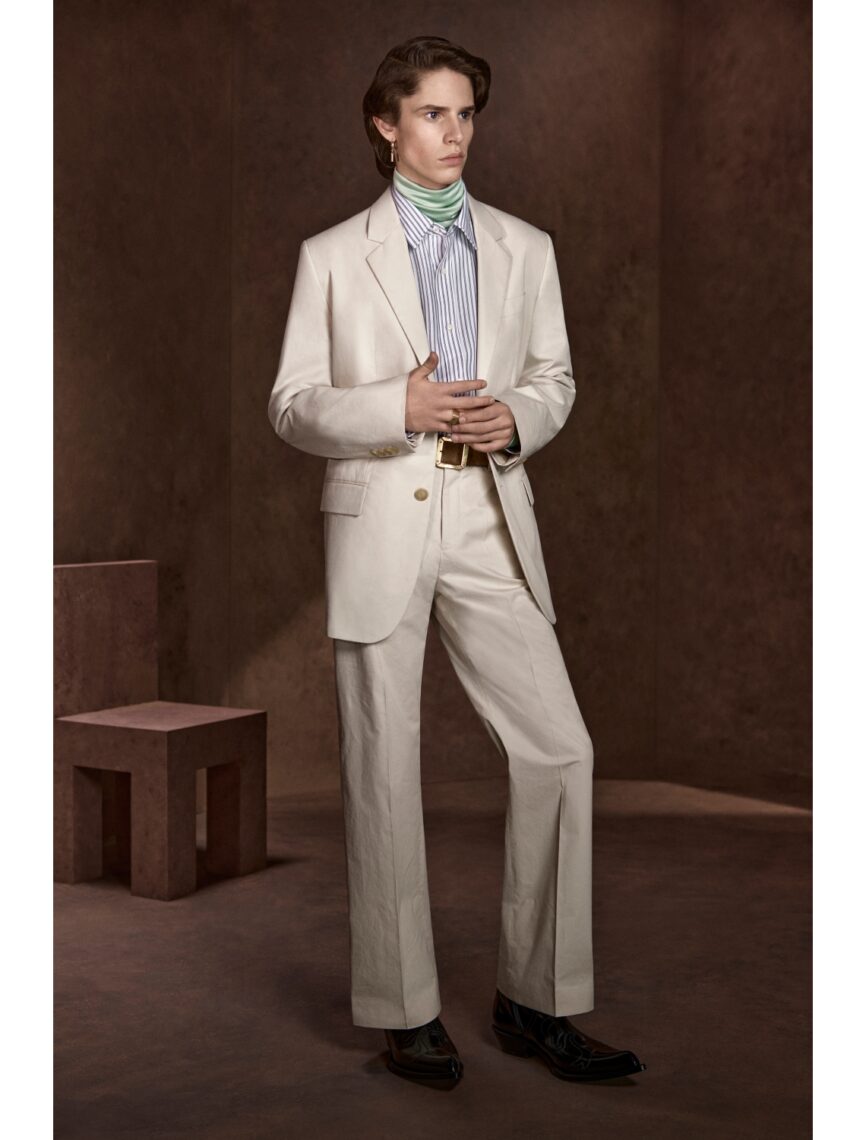
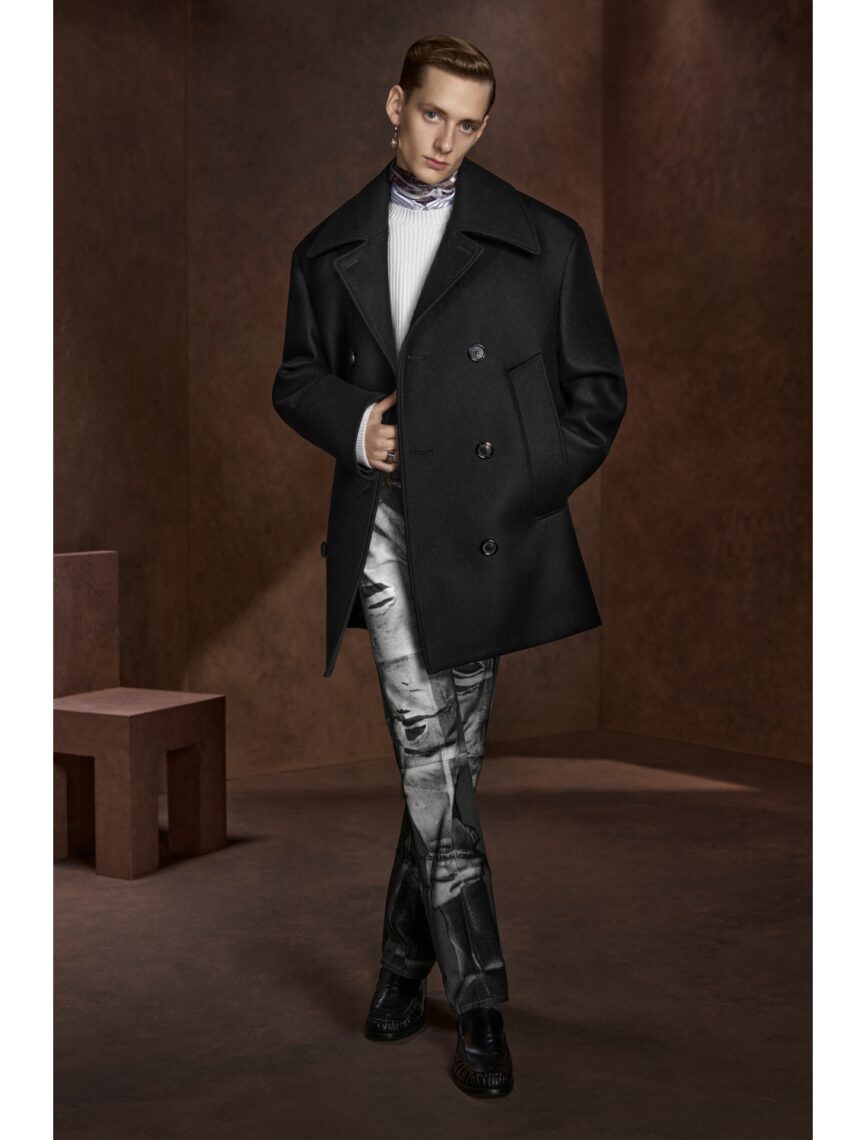
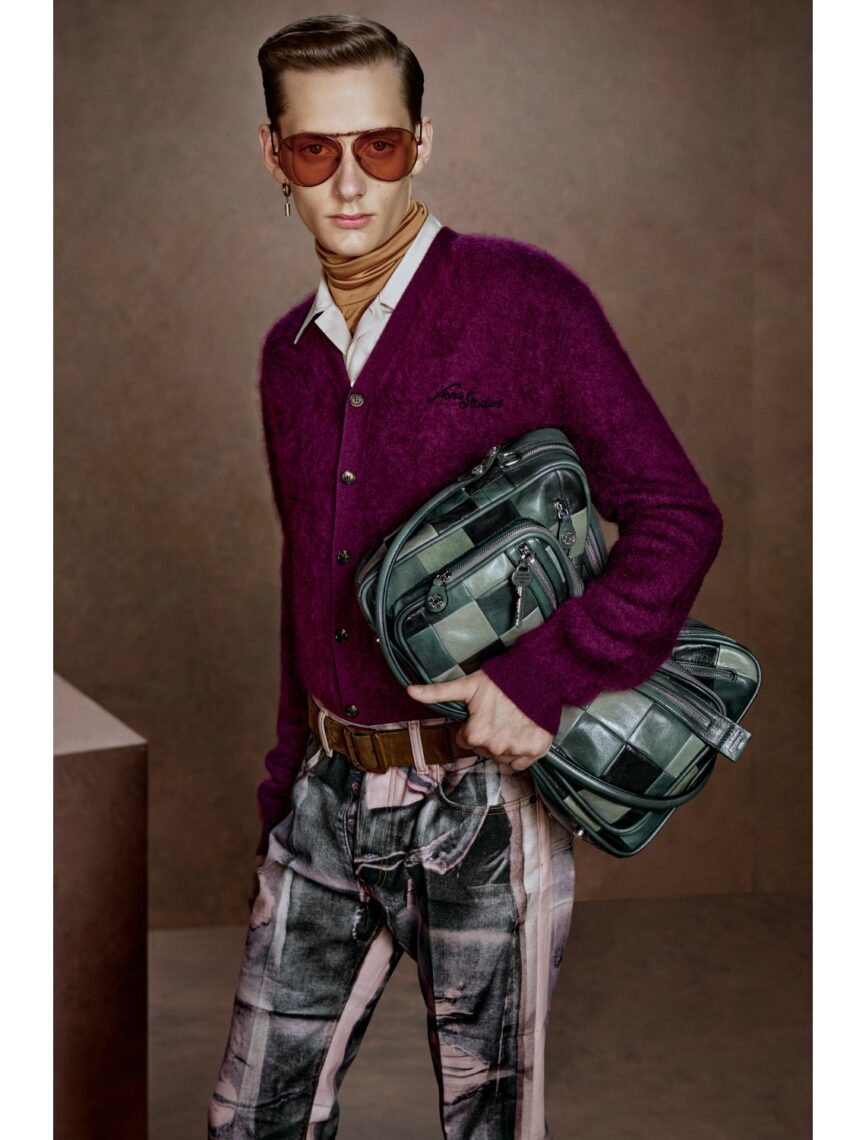
Despite the worn-in aesthetic, tailoring and styling remain immaculate, a quiet nod to classic menswear. Double-breasted blazers are subtly waisted, wool coats cut with meticulous care, and trousers cropped or softly flared, nodding to the 1970s without tipping into nostalgia. Roll-neck knits peek from beneath tailored jackets, while silk scarves—tied at the neck or tucked under shirts—act as both styling tool and playful punctuation.
Elsewhere, Johansson’s expertise in the art of contrasts shines. Dressy poplin shirts emerge crinkled, argyle appears intentionally imperfect, and padded velvet jackets sit alongside pinstripe tailoring. Outerwear archetypes—suede flight jackets, Harringtons, Teddy coats—are reinterpreted with subtle twists: unexpected slits, softened shoulders, and gentle tailoring tweaks. Each piece carries a personality, a quiet rebellion against perfection, allowing the wearer to tell their own story.
When viewed as a whole, the collection feels both familiar and refreshingly new. It demonstrates what happens when a brand listens to its own history, refines it, and plays within it rather than trying to shock.