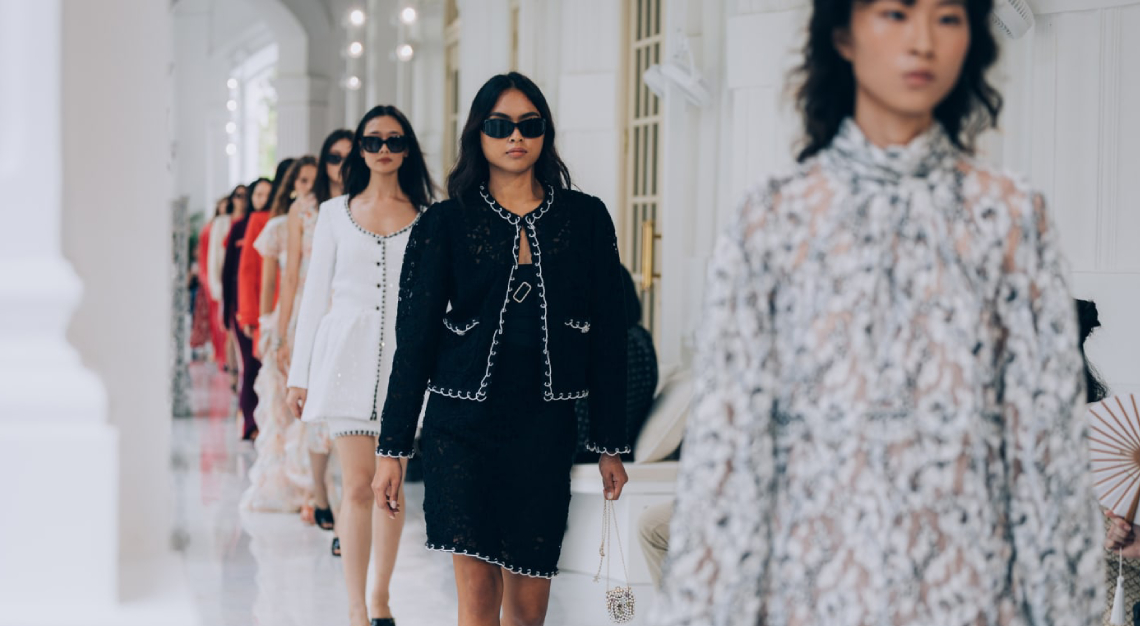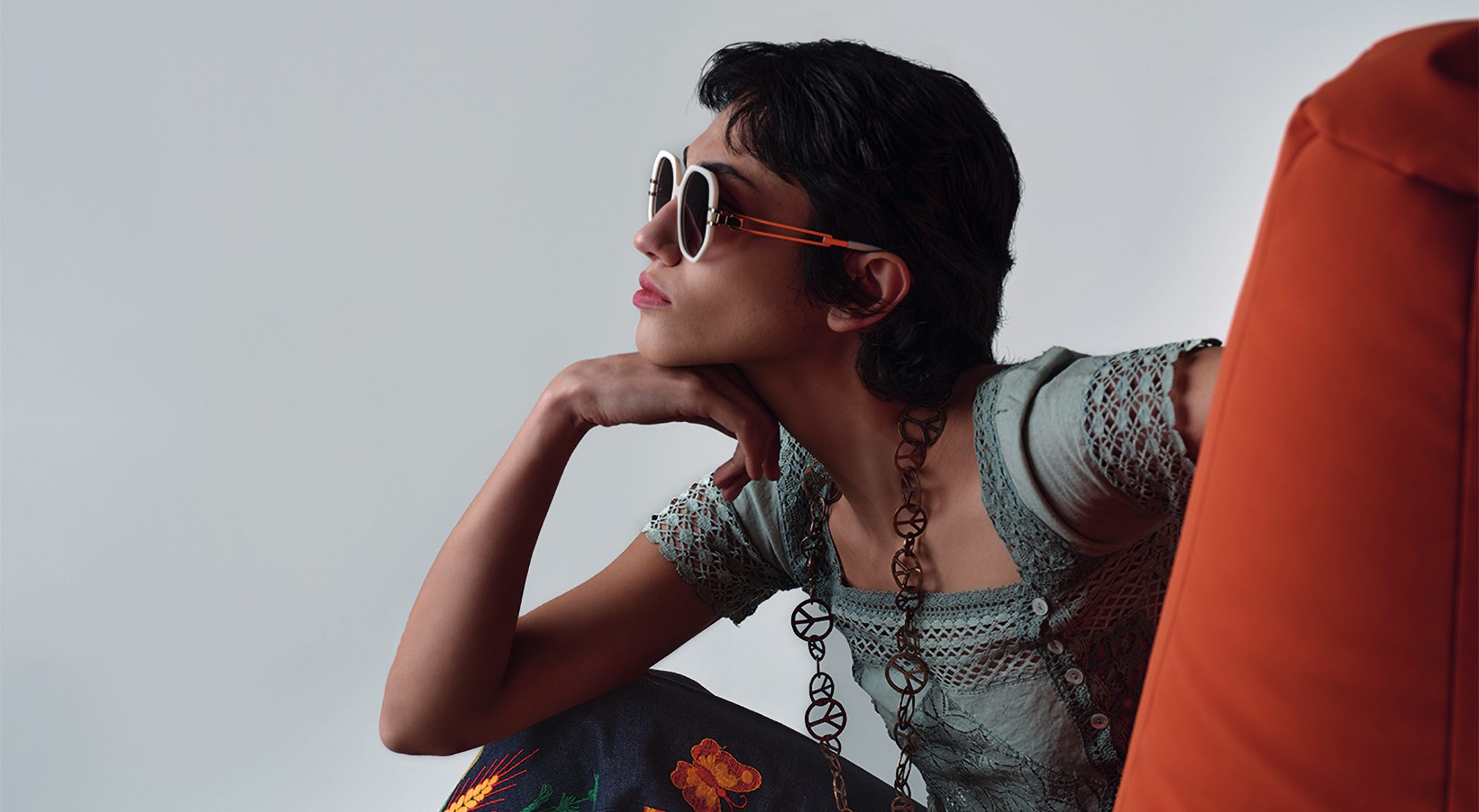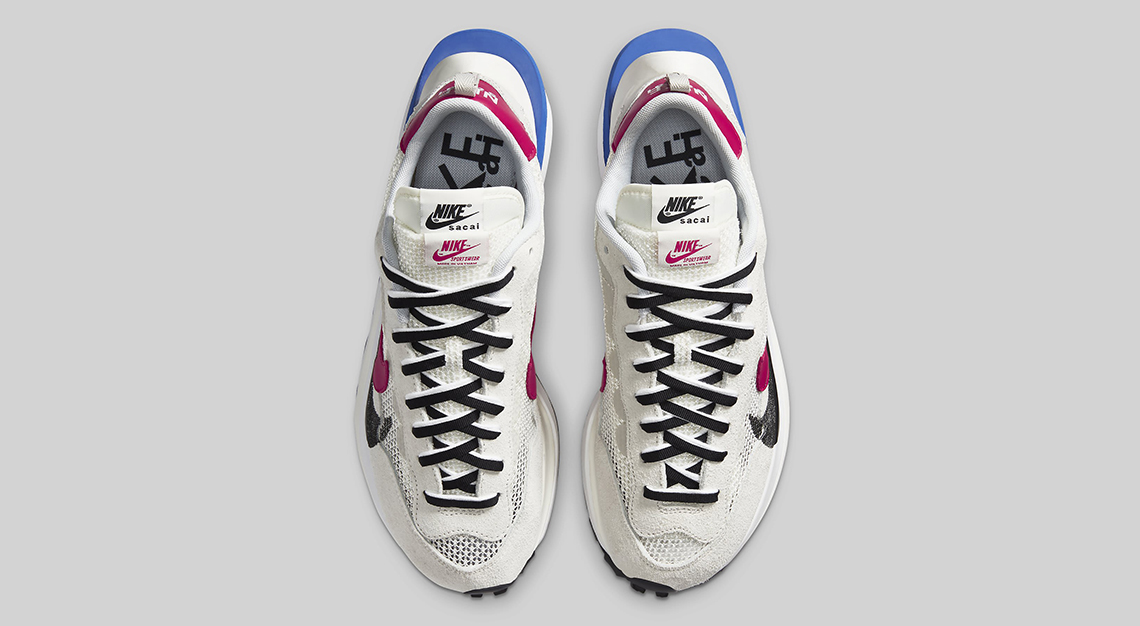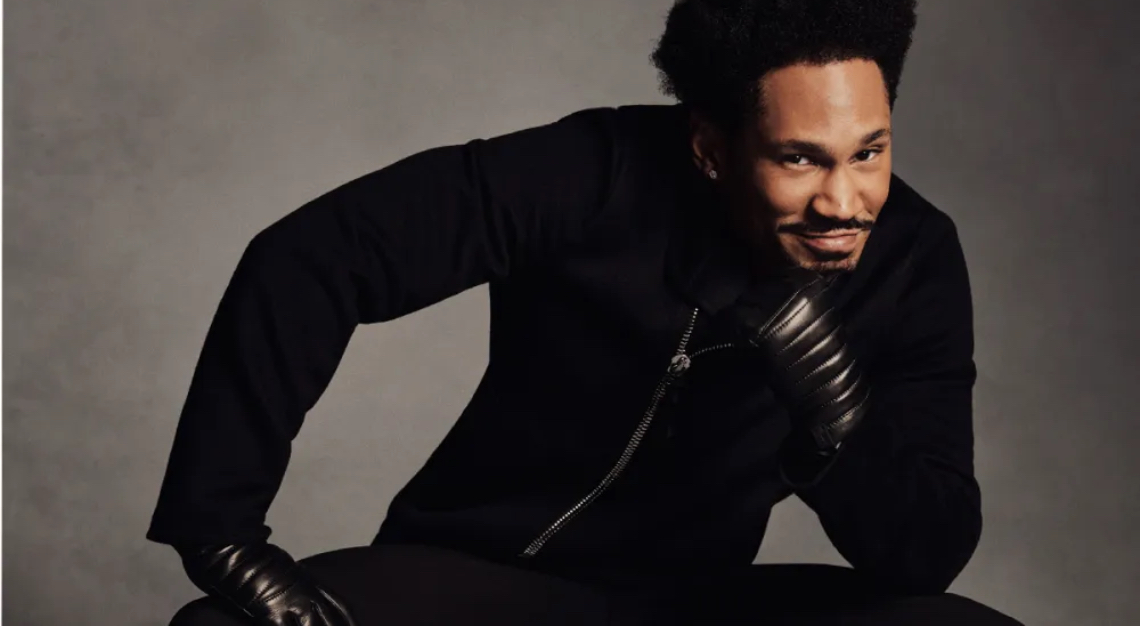
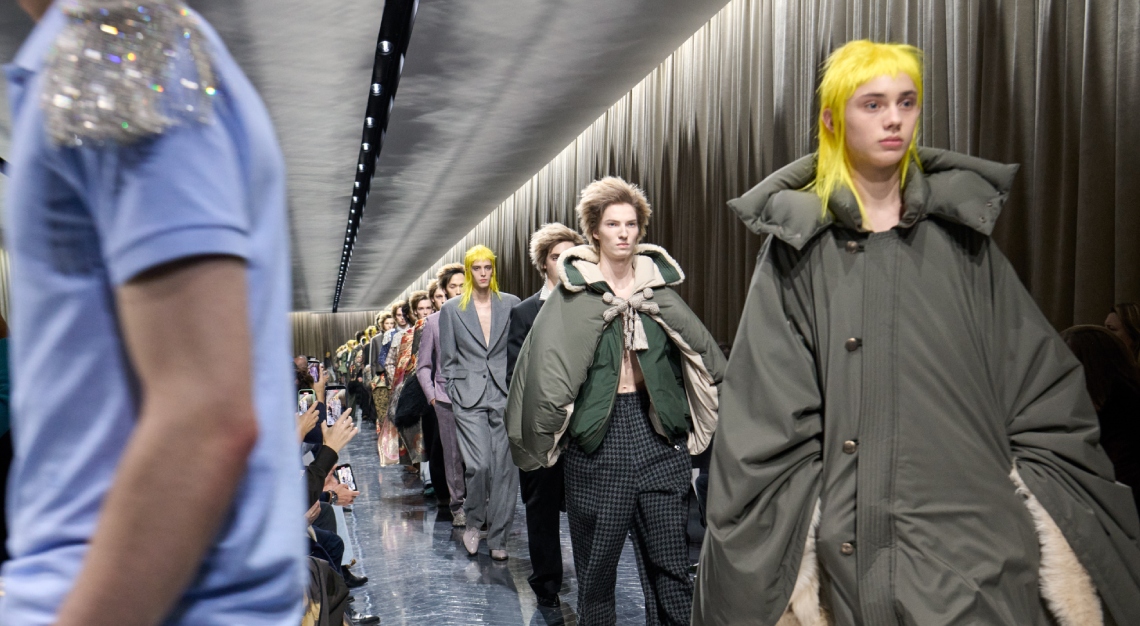
Clothes today do more than clothe. They guard, buffer scrutiny, and shape the persona we present to the world
We once spent hours crafting avatars in video games, fine-tuning every detail to imagine who our characters could become. Adulthood hasn’t erased that instinct—it has simply migrated to our closets. Each morning is like an act of character creation; we decide what version of ourselves the world will meet.
On mornings when confidence feels elusive, I default to my sharpest black oversized blazer paired with a relaxed tee and a pair of wide-legged denim jeans. Some days the outfit channels assuredness; other days, quiet strength; sometimes, rebellion.
Fashion is the medium that makes it possible. A crisp blazer, a flowing silk scarf, or even a pair of understated sneakers becomes more than style: it’s armour, signalling who we are (or who we wish to be) while hiding the cracks we hope no one notices.
Throughout history, humans have dressed to protect themselves, both literally and metaphorically. Ancient warriors donned armour to safeguard their bodies; aristocrats draped themselves in luxurious fabrics to assert social dominance; street cultures developed distinctive codes of dress as markers of belonging and resilience. Today, the principle is the same, though the battlefield has shifted to boardrooms, social gatherings, and Instagram stories.
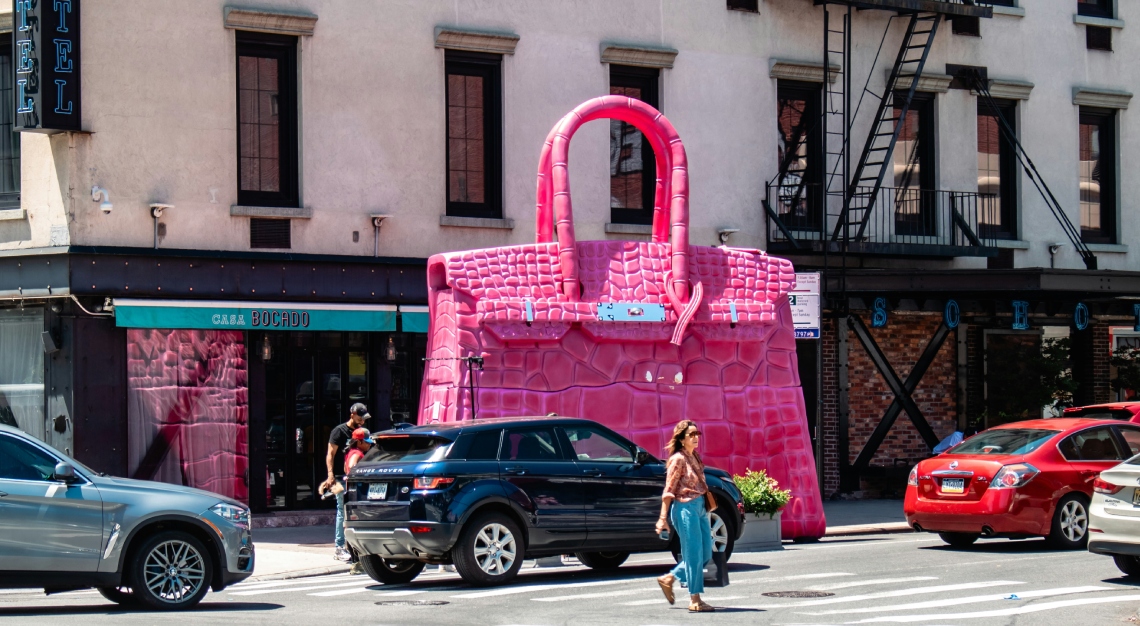
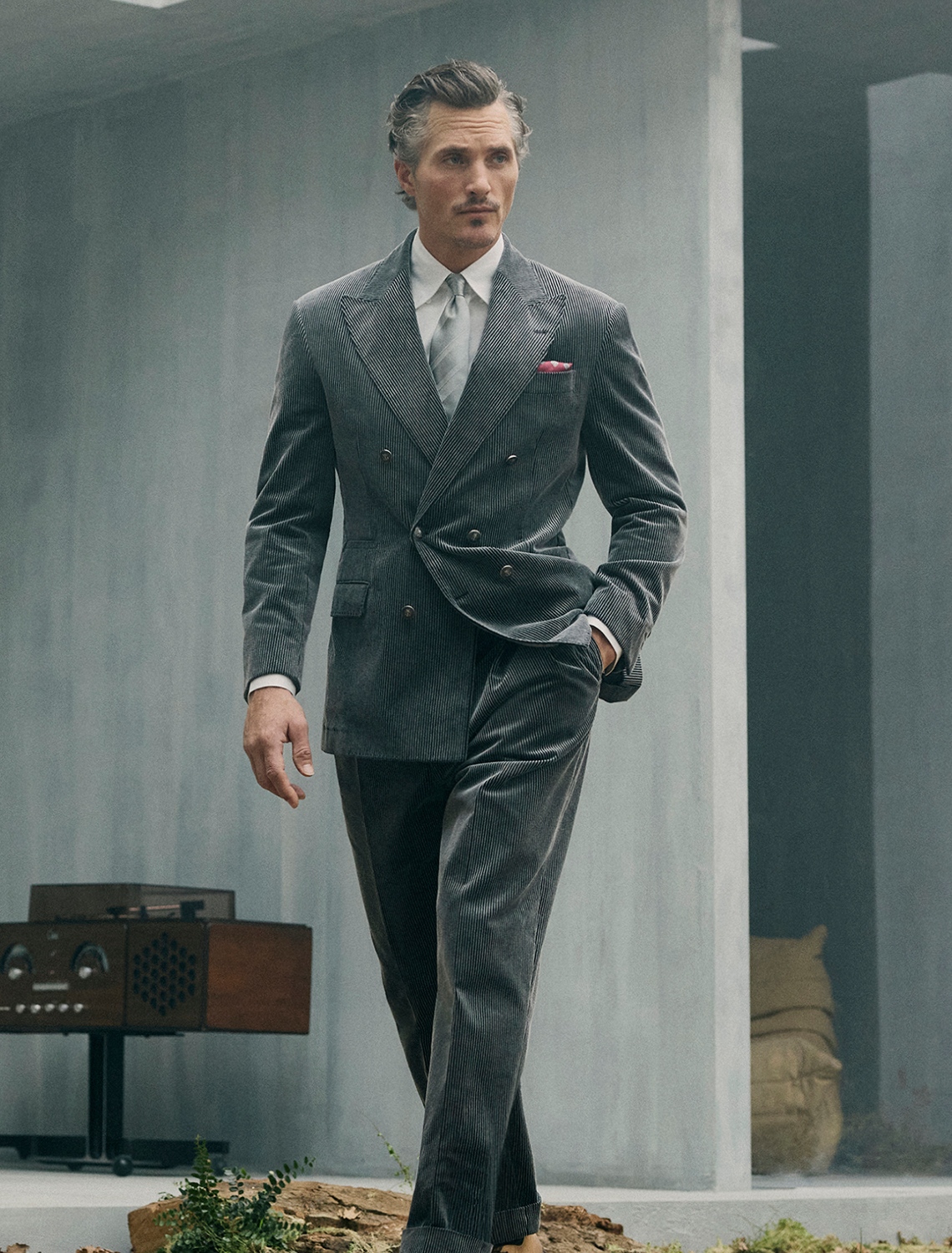
Luxury fashion, in particular, sharpens this dynamic. In certain rooms, a tailored Brunello Cucinelli suit signals authority. A Vera Wang evening gown or an Hermès Birkin bag does not merely express taste; it compresses narratives of success, access, and discernment. They allow the wearer to move through elite spaces with fewer questions asked.
However, this efficiency comes at a cost. When luxury functions as armour, it risks becoming a substitute for substance. The signal can grow louder than the self it is meant to protect, banking on recognisable codes rather than personal conviction.
Yet the facade of fashion is double-edged. While it protects, it also defines the parameters of perception, shaping how others see us and, inevitably, how we see ourselves. A curated wardrobe can mask vulnerability, but it can also constrain authenticity, requiring constant maintenance of an image. Social media has intensified this effect, extending the performative nature of fashion into digital spaces where every outfit becomes a statement and every post is a negotiation of identity. Clothing becomes more than material; it is a language and a defence mechanism.
The artistry of fashion as armour is perhaps most evident when it transcends trends and becomes deeply personal. It is the leather jacket that lends courage on a difficult day, the scarf that provides comfort in a new city, or the tailored coat that allows one to meet the world on an equal footing with peers or adversaries. Here, we glimpse the gentle interplay between aspiration and protection—the way a facade can empower without erasure and reveal without exposure.
With appearances carrying more weight than ever, the clothes we wear are not just garments—they are shields, worn with purpose and capable of telling a story before we speak a word. They articulate the stories we choose to tell, the insecurities we seek to soften, and the ambitions we are prepared to declare. And perhaps the true elegance of personal style lies in its equilibrium: the ability to navigate the gaze of others while remaining ourselves.
This story first appeared in the February 2026 issue. Purchase it as a print or digital copy, or consider subscribing to us here