Founder and creative director of Acne Studios, Jonny Johansson, on legacy, introspection, and letting the brand age gracefully
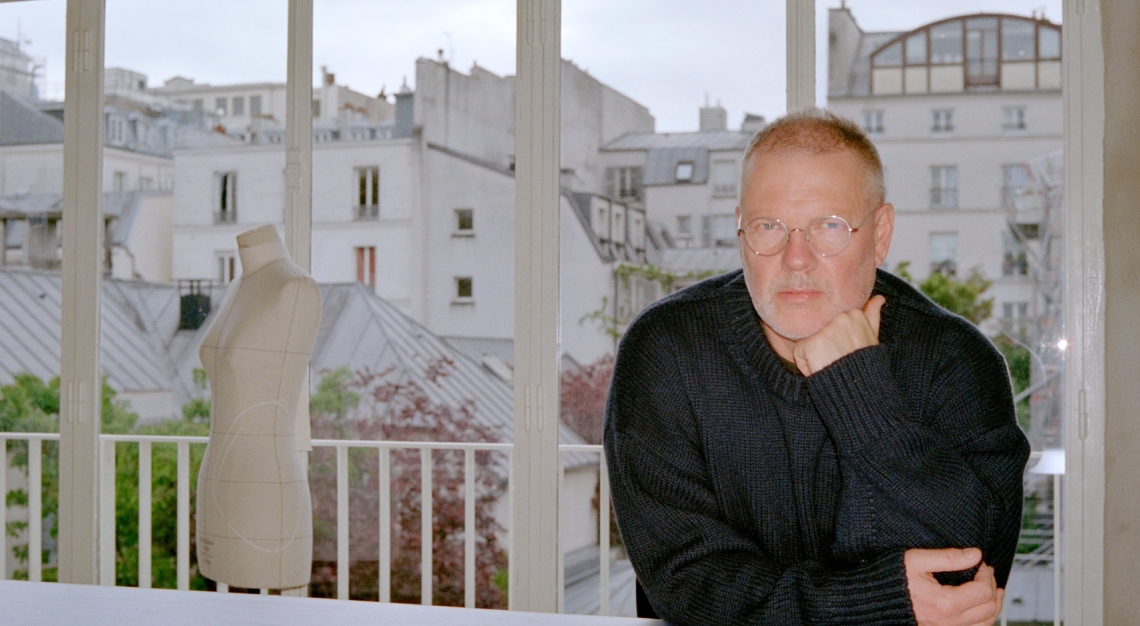
30 years. For Acne Studios, it is both a heartbeat and a horizon. Three decades of denim, of edges softened by wear, of codes quietly bending. At the centre of it all, Jonny Johansson watches the house he built converse with its own history.
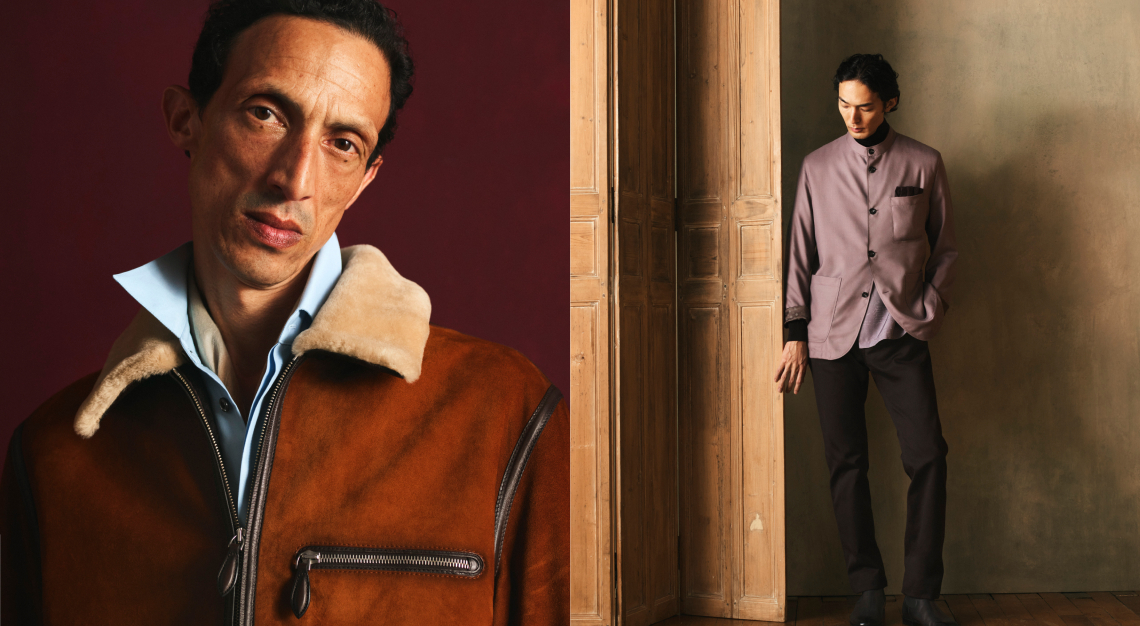
“We’re turning 30 this year, so of course this has a big impact on our mood,” Johansson says of the Fall Winter 2026 menswear collection. “Suddenly, we go from being the up-and-coming brand to having a legacy. But being contemporary is about being honest to where I am right now.”
Honesty, in Johansson’s hands, is never literal. It is reflective, playful, and nuanced. This season is a meditation on the passage of time, on evolution, on the things that endure.
The 1996 silhouette—a form that once defined a beginning—resurfaces, not as nostalgia but as study. “Looking back at that silhouette and understanding why it mattered felt like studying our own DNA,” Johansson reflects. The gesture is intentional: examining past choices to understand the present, to recognise the arcs that matter, and to let them guide without constraining.
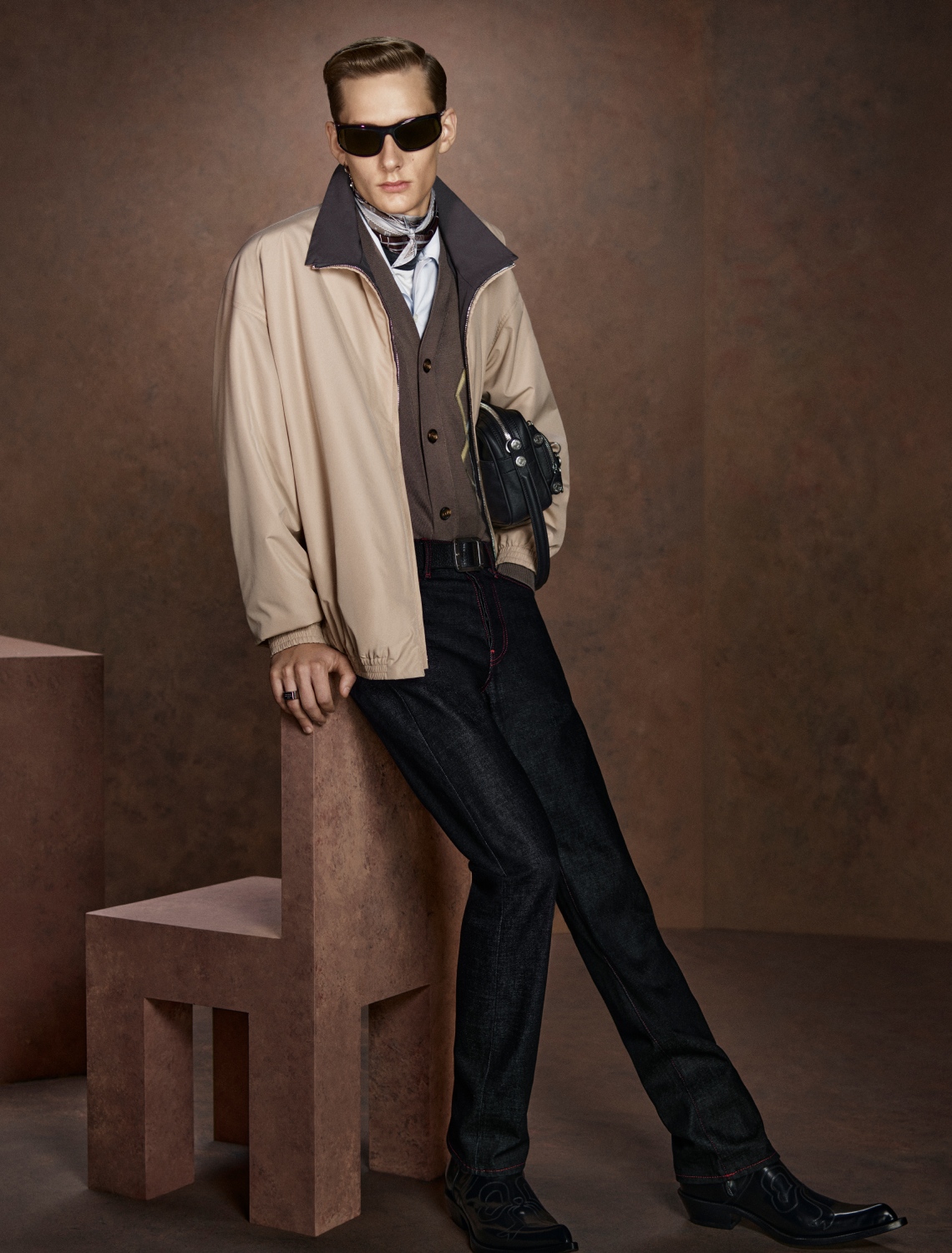
Denim, ever elastic with meaning, carries the weight of this reflection. For Johansson, it has a soul. It transforms with time, with touch, with life itself. “That idea of evolution, of garments living and adapting, mirrors how I see Acne Studios now: more confident, more self-aware, maybe grown-up but still playful, curious, and open,” he continues.
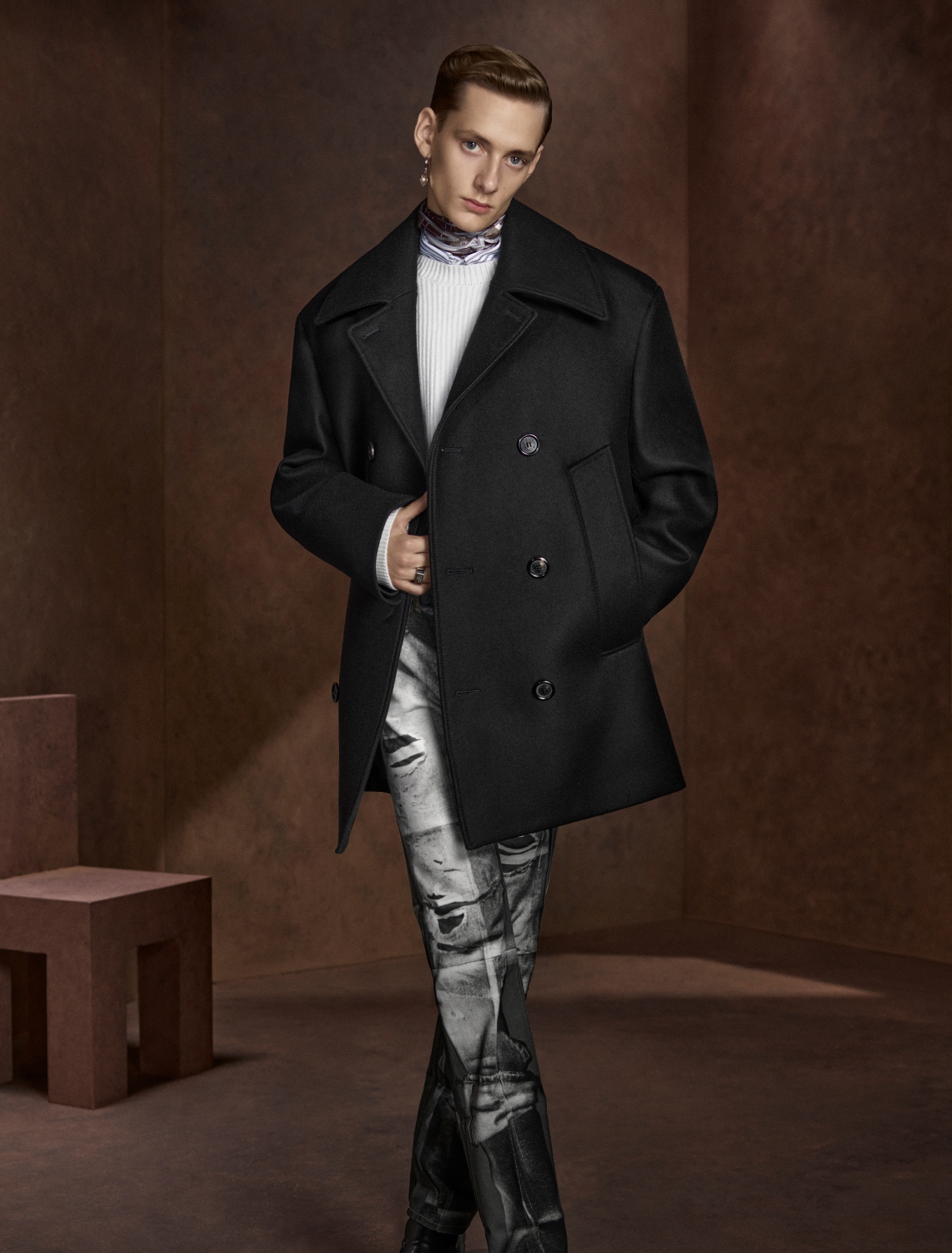
The season also finds poetry in translation. Archival images printed onto fabric—trompe l’oeil denim, designed to trick the eye—turn the flatness of memory into the tangibility of garment. “In a world where everything is an image, we created a garment that is essentially a picture,” he says. There is irony here, yes, but also tenderness: a reclamation of materiality, tactility, and presence in a digital age.
Even Paris, with its electric, watchful gaze, becomes part of the narrative rather than the dictate. “I resisted shows for a long time, but I’ve come to appreciate that the runway is the medium that works best,” Johansson notes. “What really stays in the collective mind [of consumers] is the image from the runway, more than anything else. So, the show becomes a very direct way of communicating the work, the garments.”
Yet the heart of creation remains inward. “The energy of Paris is inspiring, but the decisions and creativity still have to come from within,” he adds. And within that introspection, boundaries dissolve. Silhouettes cross codes, genders, and expectations. “The idea of women owning the man’s silhouette—consuming those codes freely—reflects how open fashion has become today,” he observes. The unexpected emerges not from provocation but from freedom: letting tradition loosen its grip and allowing clothing and people to exist beyond definition.
At 30, Acne Studios has moved from insurgent to institution, from restless experiment to reflective authority. This Fall Winter is less about announcing itself than listening to the past, to its own pulse, to the rhythm of its people and wearers. The result is quiet confidence, a thoughtful curiosity, a house comfortable in its own story. Time, once something to outrun, has become material. And Johansson, like the garments he shapes, has learned to bend with it without losing grace, curiosity, or wonder.