The all-new Lexus ES pairs electrified choice with human-centred luxury, proving that the next-generation sedan can be both progressive and refined
I think I speak for most Singaporean automotive journalists when I say the Singapore Motorshow 2026 in January was dizzying, if somewhat overstimulating; a blur of launches, lights, and loosely remembered specifications sheets. Be that as it may, the Lexus booth housed one of the show’s most attention-grabbing standouts: the rebirth of an icon reborn in the Lexus ES.
That phrase, ‘reborn and redefined’, extends beyond a launch-day flourish. For Lexus, the new ES marks something that is more significant than a routine refresh or facelift. The model is positioned as the start of a new chapter for one of the brand’s longest-running nameplates and, in many ways, a signpost of where Lexus is headed next: towards a cleaner, calmer, human-centred expression of luxury that is shaped as much by thoughtful technology as by design.
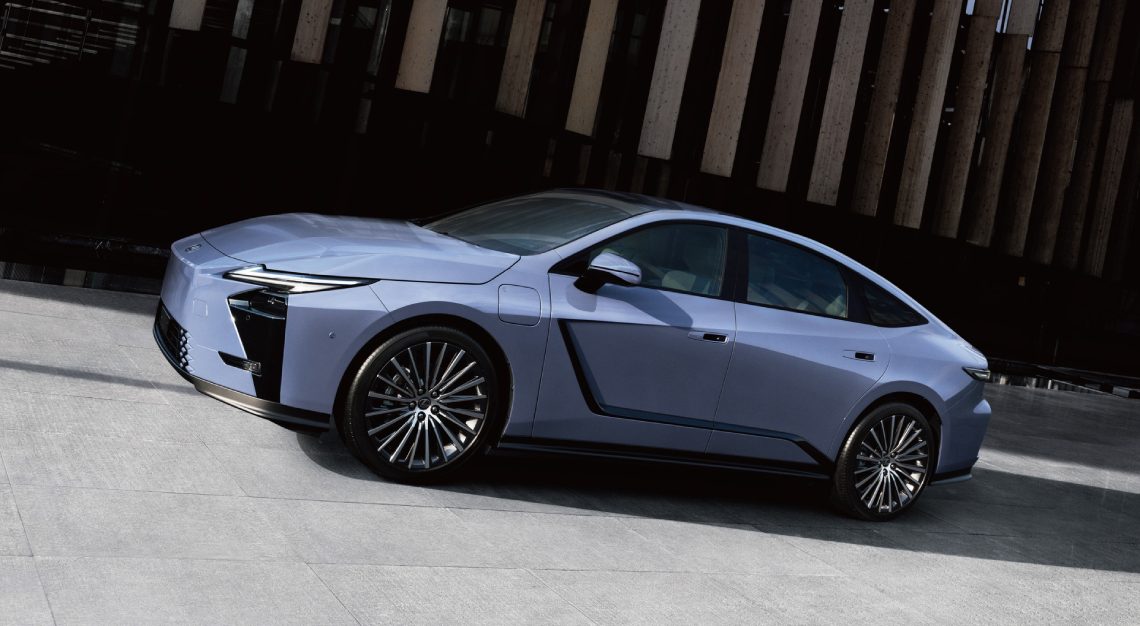
Introduced almost four decades ago in 1989 alongside the flagship LS, the ES has long been one of the cornerstone models for Lexus. This latest generation, however, arrives with a deliberate purpose. Lexus describes its evolving design language as Provocative Simplicity, and in the new ES, that idea comes through in a way that feels more mature than minimalist. The look is cleaner, lower, and more resolved, with a sleeker silhouette and sharper detailing that signal change without sacrificing the quiet confidence the model has always carried.
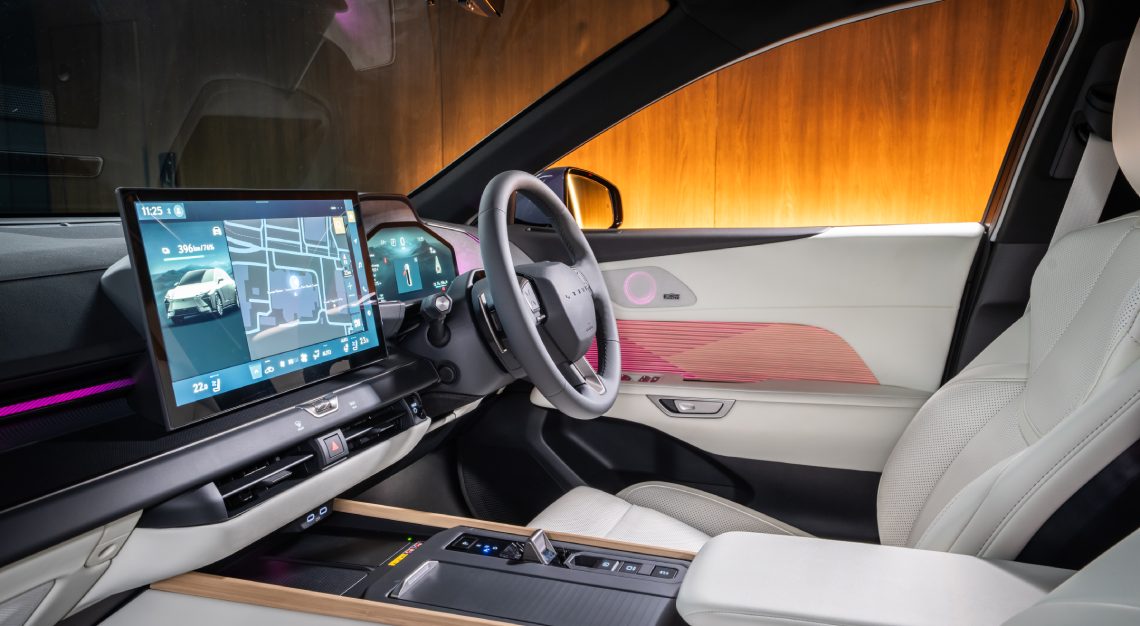
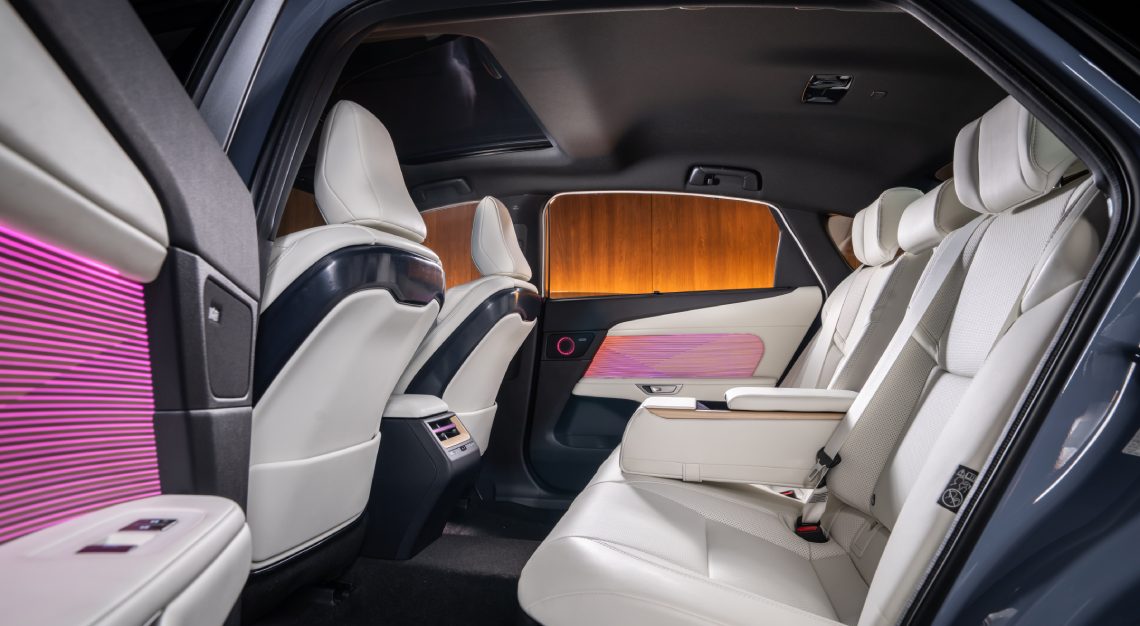
What makes this especially compelling in a technology-themed conversation, though, is the way Lexus approaches innovation from the inside out. Rather than loading the cabin with gimmicks, Lexus leans into what it has long done best: creating a sense of ease. The interior is shaped by the brand’s Omotenashi philosophy—hospitality as a design principle—and the result, on paper at least, is a space conceived less as a conventional cockpit and more as a sanctuary. There is a strong emphasis on visibility, spaciousness, and comfort, paired with a cleaner dashboard layout and a serene visual rhythm across the cabin.
One of the interesting talking points is the introduction of the world’s first Responsive Hidden Switches, a feature that neatly captures the tone of the new ES. The idea is simple but smart: controls that integrate seamlessly into the cabin design, surfacing only when needed.
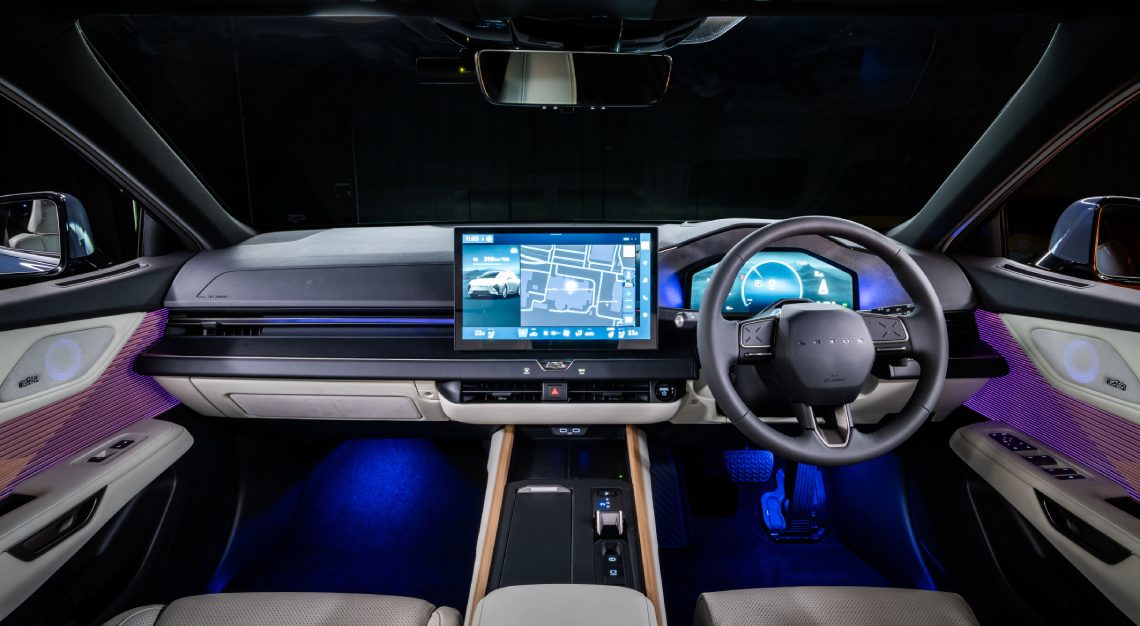
That same philosophy extends to the broader cockpit design, which Lexus says builds on its Tazuna concept, arranging key controls and information around the driver in a manner that supports focus while reducing visual clutter. Add ambient illumination, a panoramic roof, and a premium audio system from Mark Levinson, and the new ES begins to read less like a conventional technology-forward sedan and more like a luxurious living space on wheels.
Two Ways Ahead
With the all-new ES, Lexus will offer two distinct electrified directions within one model line—pure electric and full hybrid electric—reflecting the brand’s broader multi-pathway approach. In this electrified era, it is a pragmatic move that feels especially relevant in Singapore, where conversations around electrification are rarely one-size-fits-all. For some buyers, a full electric vehicle may represent the next natural step; for others, a hybrid remains a seamless entry point into electrified motoring. The answer from Lexus is not to force the issue, but to offer choice as a form of luxury.
In a motoring convention that is filled with noise, the new ES stands out for the opposite reason. It presents a vision of progress that feels clear and refined, as the brand consistently does. If this is what Lexus means by reborn, the modern luxury sedan may be entering one of its more interesting chapters yet.