In Mind Your Business, we speak with business leaders and thinkers who inspire their respective companies and industries. Here, we feature Lannie O’Bannion, senior vice president of sales and marketing at Textron Aviation
Success in aviation doesn’t come overnight. Aircraft take years to design, certify, and deliver. Reputation? Even more so. At Textron Aviation, the parent company behind the Cessna and Beechcraft brands, that reputation has been forged across decades of engineering, innovation and listening closely to the people who operate and fly their aircraft.
Few understand this better than Lannie O’Bannion. As senior vice president of sales and marketing for Textron Aviation, he oversees the commercial strategy for one of the industry’s most recognisable aircraft portfolios.
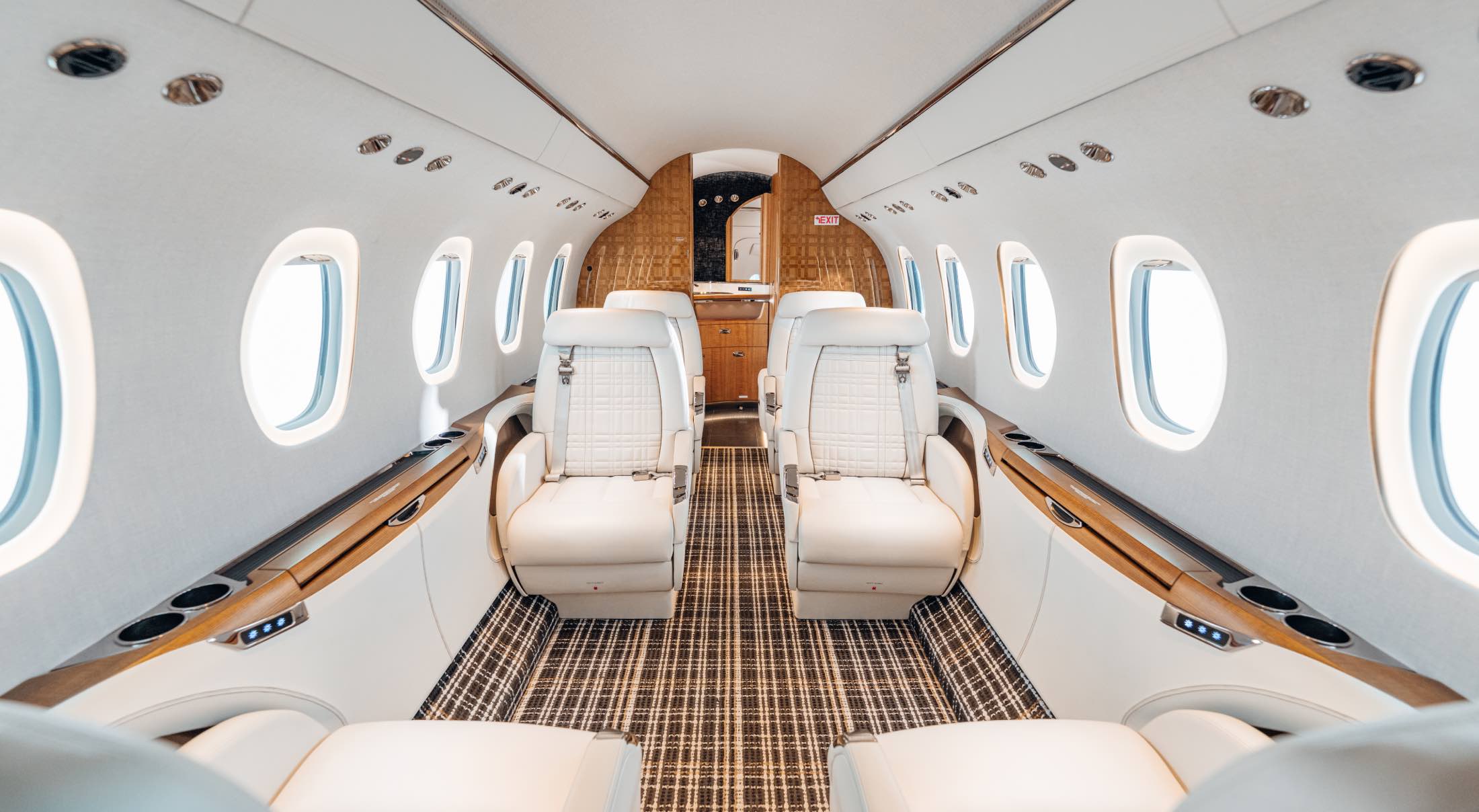
Among them sits the Citation Latitude, a midsize business jet that has established itself as one of the best in its class. Introduced in 2015, the aircraft has since become the world’s best-selling midsize jet, valued by dealmakers for its spacious cabin, advanced technologies, and ability to access airports across diverse business hot spots.
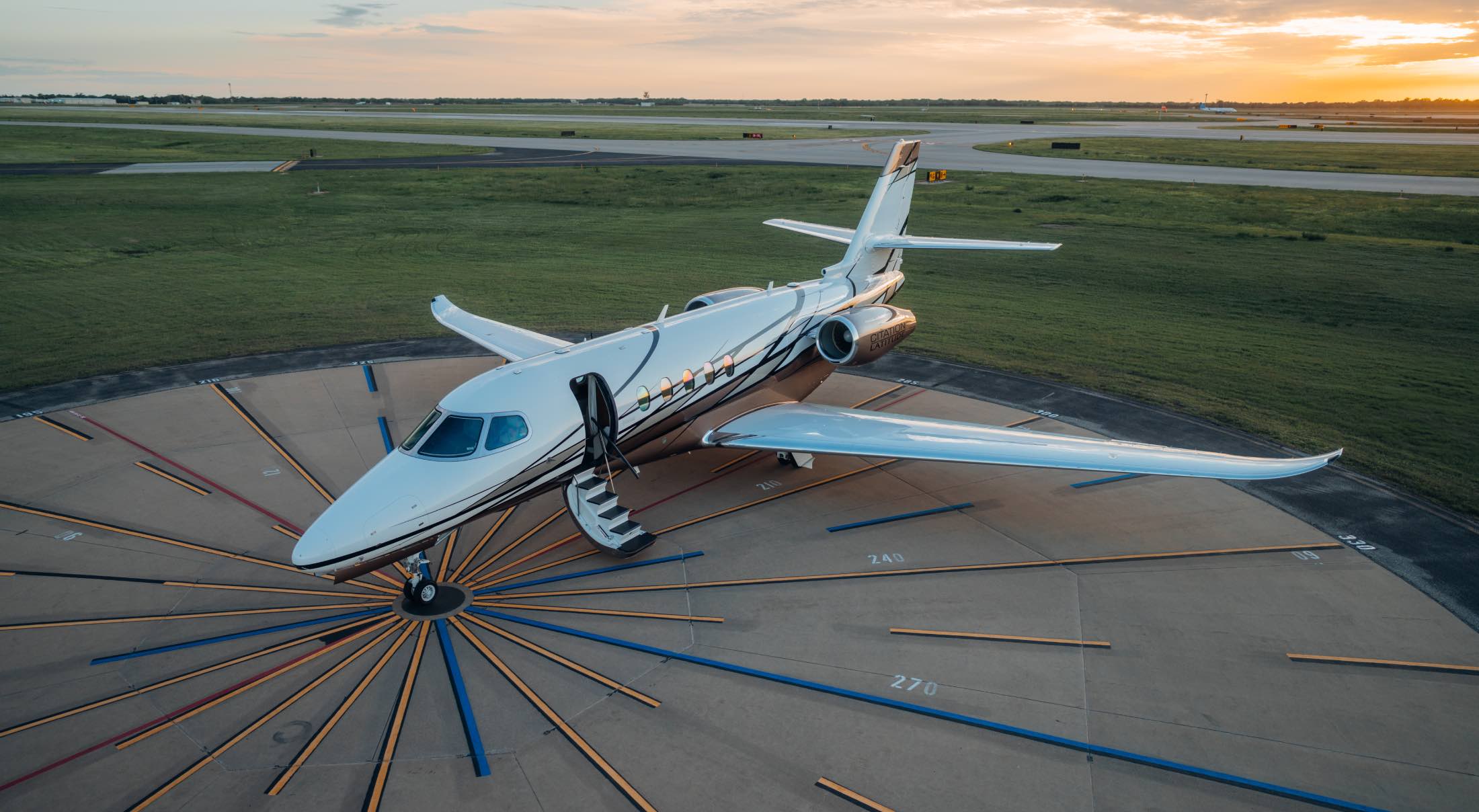
But as O’Bannion is quick to point out, the aircraft’s success is not simply about specifications. It is built on something more fundamental: an approach to aviation that places the needs of pilots, owners and passengers at the centre of the design process.
And as business aviation evolves—towards greater connectivity, more sophisticated automation and increasing sustainability considerations—that philosophy is likely to become ever more important.

The Citation Latitude has become one of the most successful midsize jets in the world. Why do you think it resonates so strongly with operators?
The Citation Latitude offers accessibility into a lot of different runways and remote sort of areas. It’s rugged. It’s built with that DNA. It is a very reliable airplane with a big jet feel about it at a lower acquisition price.
When designing an aircraft like the Citation Latitude, how do you ensure it remains future-proof?
There’s technology around wind tunnel testing that we do to make sure that we’re going to get the optimal performance of the airplane based on the thrust that the engines can produce. And then it spurs future technology, designing it in a way that it can be retrofitable. A lot of the avionics now are software driven changes. So installing a new box is kind of history.
Innovation is a word often used in aviation. How does Textron Aviation approach it?
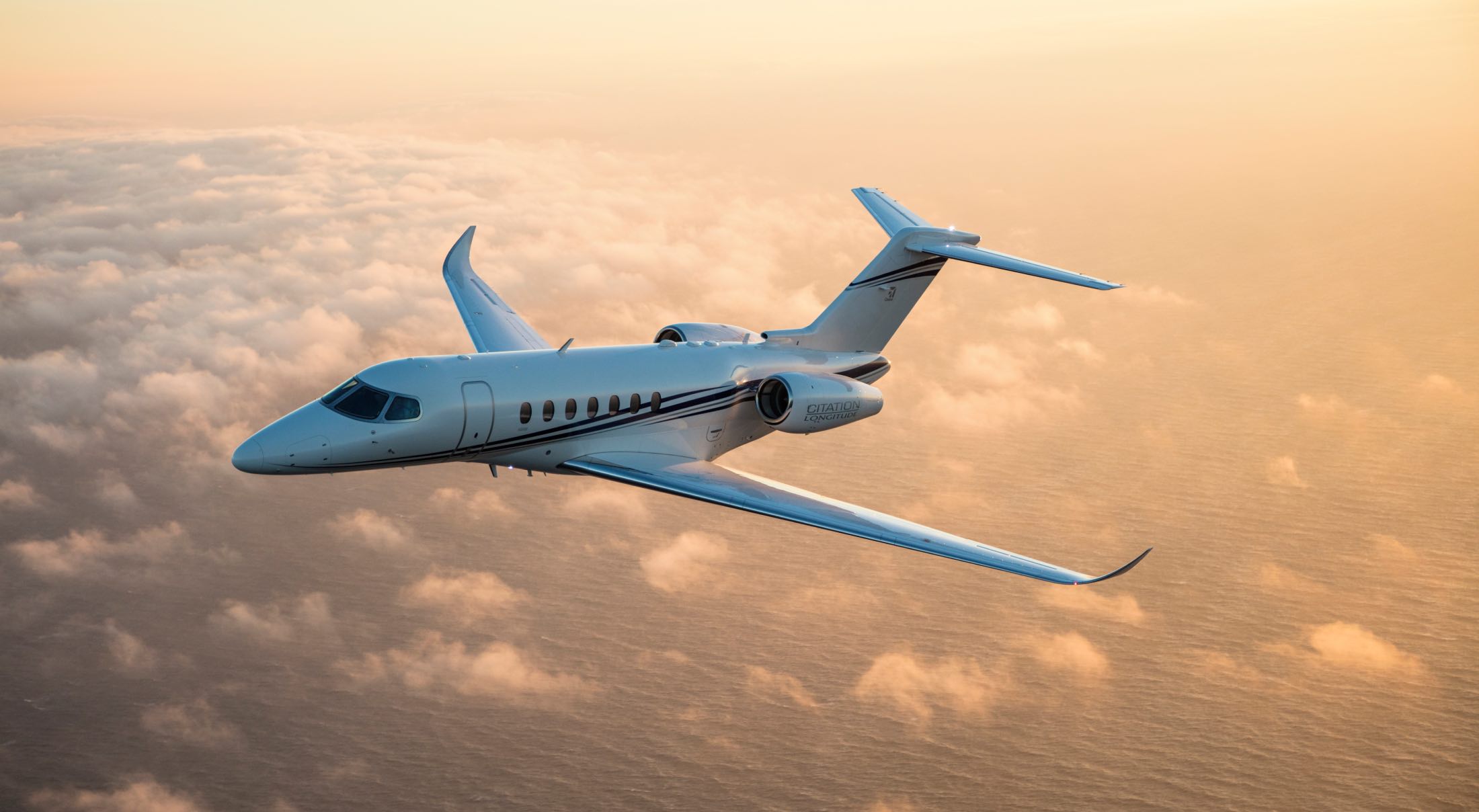
We’re innovating a lot. We continue to focus on making improvements to our existing product line while looking at bringing clean sheet aircraft to the market. We did that with the Citation Longitude and we’re doing that again with the Denali.
And then we focus on making block point changes. Our strategy is really listening to our customers. We use customer advisory boards to bring different customers on board. We talk to pilots, passengers, and mechanics and we collect all that information before we execute.
Cessna has often been regarded as a workhorse brand. Do you think that perception still defines the brand today?
No, I don’t think so. We offer products like no other competitor, from Skyhawk to the Caravan, which is popular in Asia Pacific. We are in the process of certifying the Beechcraft Denali. And then you transition into the King Air 360 we have the King Air 260 and business jets segment.
Sustainability is becoming a major theme in aviation. How is Textron Aviation approaching it?
We’re always looking at sustainability. It is the future. All of our turbines can run on SAF fuel and 100 per cent of the energy that runs our factories is wind generated.
Looking ahead, what excites you most about the aviation industry today?
It’s exciting to be in the business, to be designing aircraft, from a piston airplane all the way to a super mid-size jet and being able to interface with our customers and build relationships.