
Esther An, chief sustainability officer of City Developments Limited, Singapore’s first corporate chief sustainability officer and an inductee of the inaugural Time100 Climate Leaders in 2023, reflects on the paradigm shifts and business evolution she has witnessed over three decades in sustainability
In the early years of my three-decade sustainability journey, the conversations about climate change and green buildings were vastly different from today’s. Back then, convincing anyone—whether investors, tenants, banks, or even directors and peers—that green buildings could command a premium in valuation and rental was an uphill battle.
To many, green practices and initiatives were a moral luxury, a nice-to-have that sat on the periphery of real estate’s hard-nosed financial realities. My mission then was to prove that our corporate ethos, Conserving as We Construct, was not just a slogan, but a survival strategy.
Fast forward to 2026 and the landscape has been fundamentally redrawn. What was once a lonely marathon has become a global sprint. While some regions grapple with an environmental, social, and governance (ESG) rollback, Asia is charging ahead, unfazed. We have shifted from an era of defensive compliance to one of proactive adaptation. At City Developments Limited (CDL), we no longer view sustainability as a moral tax; it is now ingrained into our operations and serves as our guiding compass for operational resilience and capital efficiency. We have found the alpha in green.
Shift In Global Capital
I have watched the business case for ESG transform from a theoretical argument into a multi-trillion dollar reality. Based on PwC’s Asset and Wealth Management Revolution 2022 report, ESG-focused assets under management are projected to reach US$33.9 trillion by 2026. This represents over 20 per cent of all assets under management globally, a staggering 84 per cent increase from 2021. In the Asia-Pacific region specifically, ESG assets are expected to triple to US$3.3 trillion.
In my discussions with global and national climate leaders, investors, and bankers, the shift is palpable. They are increasingly using ESG scores as a proxy for management quality and business resilience. A high ESG score is not just a badge of honour; it signals a de-risked business.
Investors are looking for leaders who have anticipated mandatory reporting—like the Corporate Sustainability Reporting Directive in the European Union or the International Sustainability Standards Board in Singapore—and have leveraged this foresight into a competitive advantage.
At CDL, our inclusion on CDP’s A List and MSCI’s ESG Index-AAA ratings serves as an external benchmark of our disclosure practices and reinforces our commitment to disciplined transparency.
My work has always been rooted in the belief that effective sustainability begins with a culture of accountability. At CDL, we have spent decades institutionalising this principle into our corporate DNA to enhance organisational capital. I take pride in CDL’s bold moves towards transparency and our unwavering ESG conviction. It is rare for corporates to link 30 per cent of their Management Executive Committee’s remuneration to meeting the Group’s ESG targets.
When leadership compensation is directly linked to carbon reduction as well as environmental and social impact, sustainability ceases to be a peripheral concern and becomes a core business priority. This commitment to transparency began when we published Singapore’s first sustainability report in 2008. It has fostered a level of trust with our stakeholders that has become one of our most valuable intangible assets.
The ROI of Efficiency
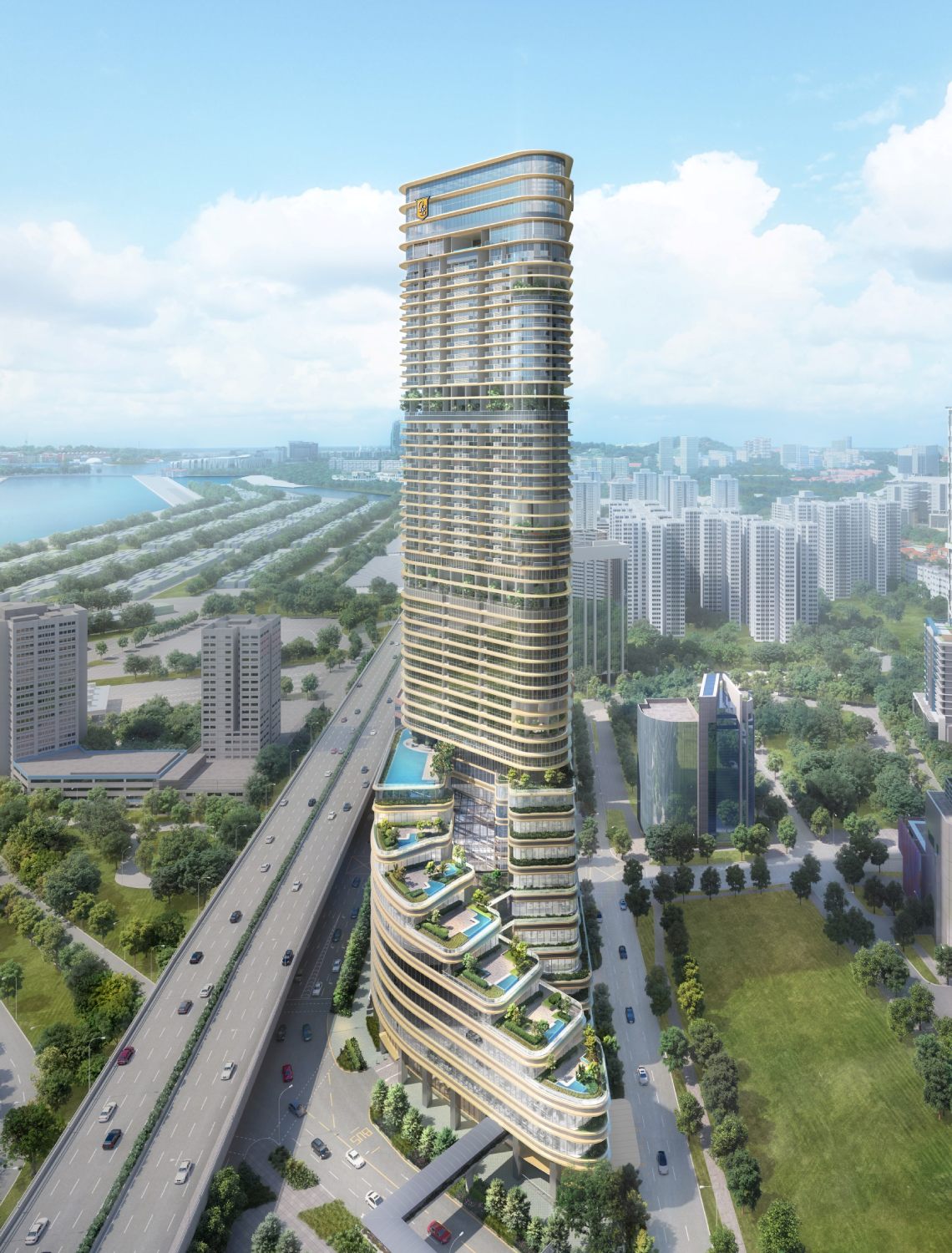
In the physical world, our company’s longstanding priority of transforming our assets into high-performance green buildings that enhance resource and operational efficiency has generated strong returns on investment (ROI), strengthening our manufactured capital.
The logic is simple. In an era of fluctuating energy prices and rising carbon taxes, investing in energy efficiency directly protects our profit margins. Since 2012, our green building initiatives and energy-efficient retrofits across our locally managed buildings have saved approximately S$49.5 million.

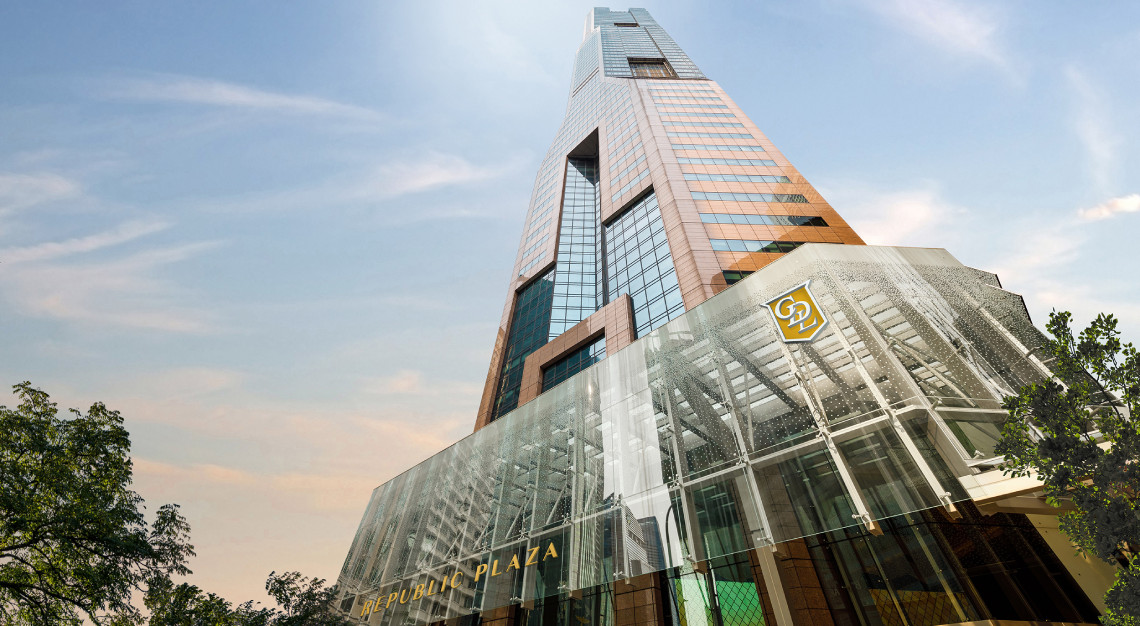
We are not just saving costs; we are also future-proofing our assets and business. With over 130 Building and Construction Authority Green Mark certifications and our Internal Carbon Pricing pilot at our flagship building, Republic Plaza, we continually assess the ‘cost of inaction’.
By the end of 2025, we had completed our fourth Climate Change Scenario Analysis, expanding our view into new markets like Japan. We aim to proactively address the challenges posed by climate change, ensuring that our portfolio remains a ‘tenant magnet’ that attracts higher occupancy and rental rates.
Nature As A Material Asset
One of the most rewarding shifts I have observed is the growing recognition of natural capital. At CDL, we view nature as a financially material asset. We were among the first in Southeast Asia to adopt the Taskforce on Nature-related Financial Disclosures (TNFD), recognising that protecting ecosystem services like cooling and water management is essential to urban resilience.
This is not just about aesthetics; it is about innovative, nature-based solutions like the CDL MicroForest at City Square Mall, which serves as a living laboratory for the rising threat of the urban heat island effect in Singapore. Our commitment to nature-related solutions has unlocked new streams of financial capital. In June 2024, we secured a landmark S$400 million sustainability-linked loan from DBS—the first in Singapore to link capital costs directly to biodiversity performance and TNFD recommendations.
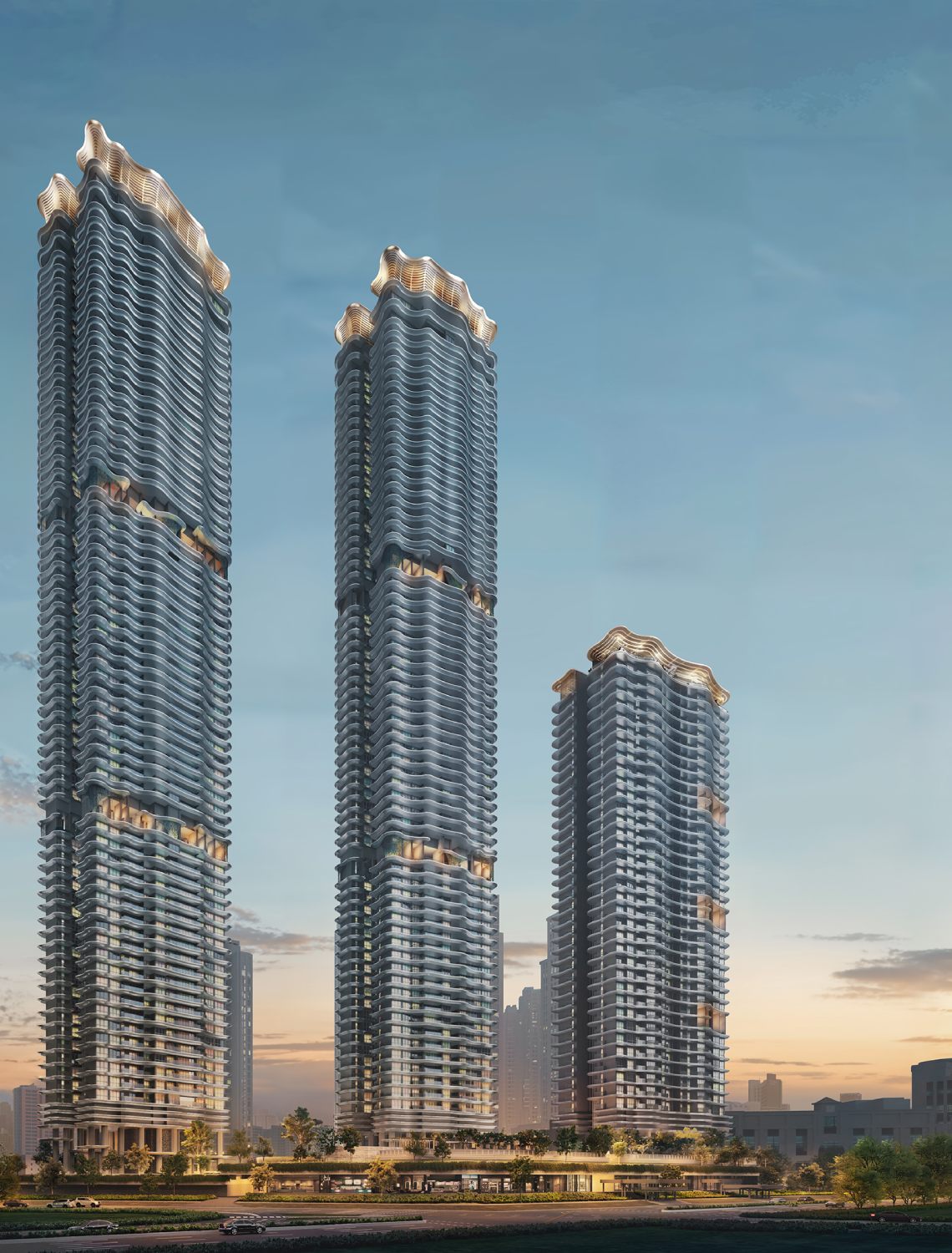
Since 2017, CDL has secured over S$11 billion in sustainable finance, evolving from plain vanilla green bonds to complex, net-zero, and nature-aligned instruments that sharpen our cost of debt through interest rate incentives.
This is the carrot-and-stick of modern finance. Investor surveys indicate that over 50 per cent of investors believe that companies with higher ESG scores enjoy lower capital costs. By meeting stringent goals set by the Science Based Targets initiative that are aligned with a 1.5 degrees Celsius pathway, we have secured interest rate discounts on loans from our bankers. This creates a virtuous cycle: our environmental performance lowers our debt costs, which in turn funds further green innovation.
Building A Resilient Supply Chain
As I look at the challenges of 2026, I am glad to see an increasing focus on Scope 3 emissions and supply chain resilience. For CDL, we need the support of our entire ecosystem, particularly suppliers who are small or medium-sized enterprises (SMEs).
Our SME Supplier Decarbonisation Queen Bee Programme, launched in collaboration with Enterprise Singapore and its authorised trainers, is a testament to capacity building along our supply chain. In October 2025, we celebrated the graduation of our first 42 local SME suppliers, equipping them with the tools to manage their carbon accounting and footprints. By empowering our suppliers, we are not just doing good; we are ensuring that our own supply chain remains resilient to tightening global regulations.
The ecosystem also extends to our relationship with tenants. Through our Green Lease Partnership Programme, started in 2014, and the Go 25 bonus initiative in 2025, we have gained our tenants’ support to lower shared emissions. Additionally, we recognise that roughly 88 per cent of consumers, especially Generation Z, are more loyal to ethical brands. Generation Z consumers are willing to pay a premium for ethical products, and they will readily abandon brands that fail to live up to their environmental promises.
As I reflect on the past 30 years, the conclusion is clear: companies that prioritise more than just short-term profit are better equipped to navigate a climate-disrupted future. CDL’s 17-year streak on the Global 100 Most Sustainable Corporations list is more than a milestone; it is evidence that our value model works.
We have transitioned from being a property developer to a sustainability leader. In the high-stakes world of real estate, we have demonstrated that the alpha in green is real. The most profitable way to build for the future is to ensure we are conserving the very world we are constructing.