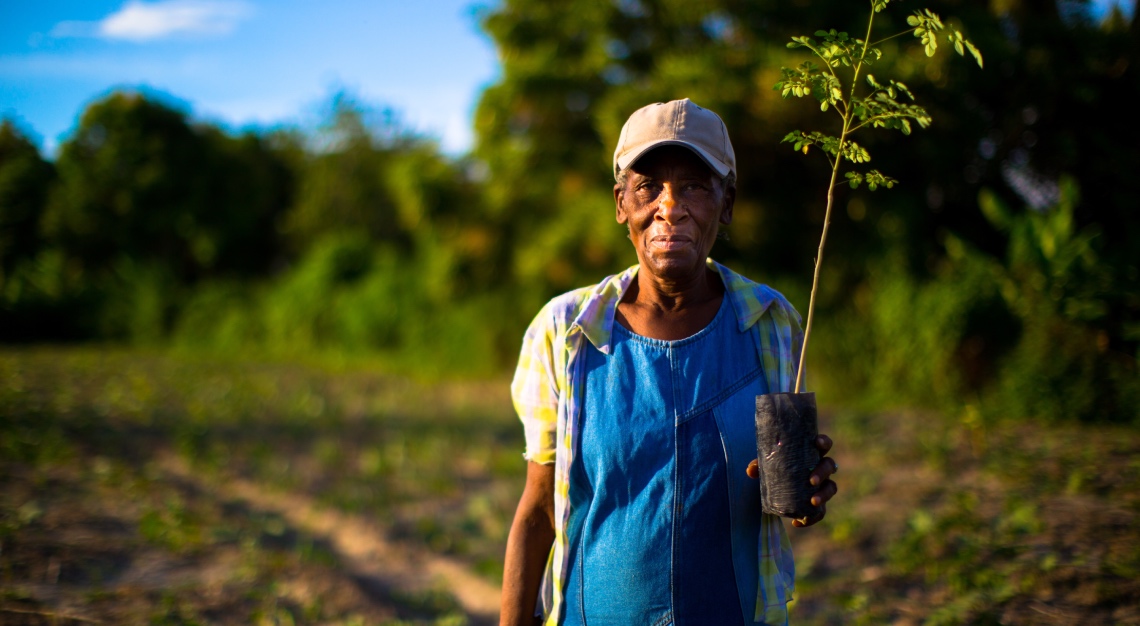

Luxury is built on excess; sustainability demands restraint. Can the two coexist? In the third of our five-part series, Voices for Change, we speak to Tamara Singh, managing director of The Nature Conservancy
Tamara Singh isn’t one to shy away from a good debate. Apologising for feeling under the weather on the day of our interview, she lets on that the past few days have been hectic, culminating in a presentation the day before at the Lee Kuan Yew School of Public Policy.
“President Tharman was there, too, and we had a lively exchange,” she says. The discussion centred on the future of water conservation and the role of financial tools in accelerating solutions. Among the themes that surfaced was the time that was needed to experiment, prove the efficacy of new approaches, and ultimately, scale them.
“We call it the ‘pay-off period’,” Singh explains. “It is time-consuming and until you can prove something, you are considered a high-risk option.”
That tension between urgency and proof sits at the heart of The Nature Conservancy (TNC). Founded in 1951, TNC today operates across more than 83 countries and territories—39 through direct conservation impact and 44 via partners—working at the intersection of science, policy, and finance to protect land, freshwater, and oceans at scale. Its approach is deliberately science-led and collaborative, engaging governments, corporations, local communities, and financial institutions to embed conservation within economic systems rather than at their margins.
Asia Pacific has been central to that mission for over three decades. The region is both ecologically rich and acutely vulnerable, and TNC has driven some of its most ambitious initiatives here, from large-scale landscape and marine conservation to innovative financing models designed to secure long-term outcomes for nature and communities. In 2023 and 2024 alone, its Asia Pacific programmes contributed to significant emissions reductions and the protection or improved management of millions of hectares of land, freshwater, and ocean.
Established in 2023, TNC’s Singapore office occupies a distinct role within this broader ecosystem. Singh, whose career spans energy, finance, and digital transformation, joined TNC Singapore as managing director in 2025. Approaching conservation less as advocacy than as design, she charts the organisation’s position as a strategic hub for the region, one that connects capital, policy expertise, and regional partnerships.
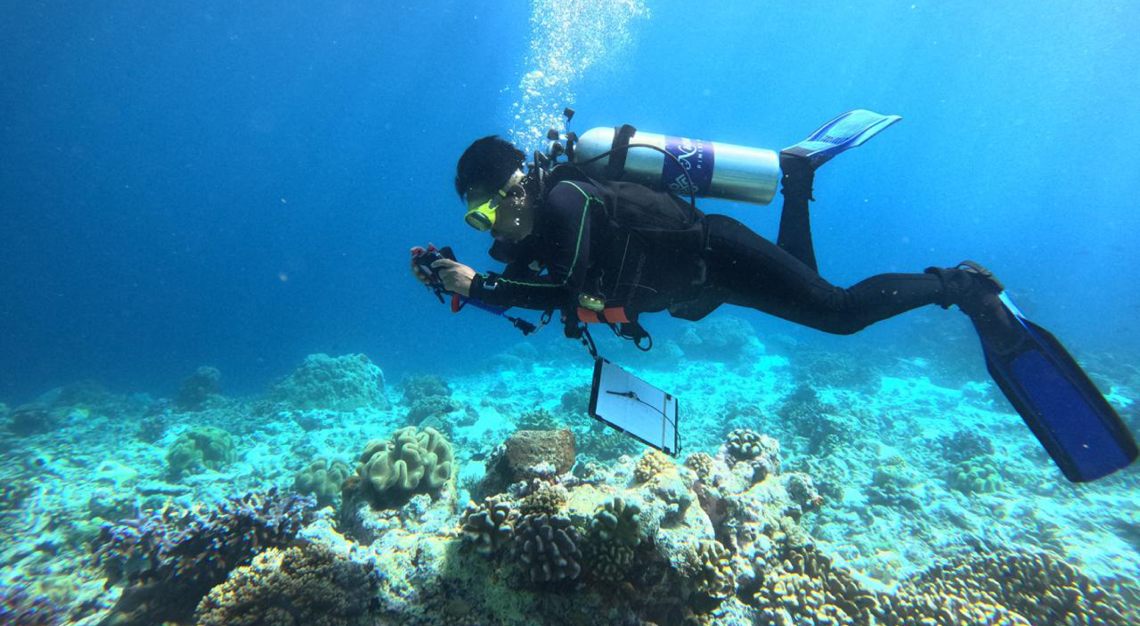
How would you articulate TNC’s mission?
At TNC, we protect lands and oceans, provide food and water security, tackle climate change, and try to do it at scale.
Singapore isn’t an obvious conservation hotspot, so why was it important for TNC to be here?
We operate across Asia Pacific in places with high biodiversity value like Indonesia and Solomon Islands. In Singapore, our team focuses on policy and governance. With TNC, it’s not just about conserving trees or leaving forests untouched but designing systems and structures where both people and nature can thrive.
We currently have three major projects led from Singapore. One is the SCeNe Coalition, a Southeast Asian-focused initiative. We also have two global projects. The first is an Article 6 catalyst that supports the work the government has put into the Article 6 mechanism, working in places such as Mongolia and Chile—countries with which Singapore has agreements—to demonstrate how to lead high-integrity projects. The other is the Global Ocean Innovation Challenge (a partnership with Newlab, a venture platform) that encourages start-ups to apply new technologies to tackle pressing ocean conservation issues.
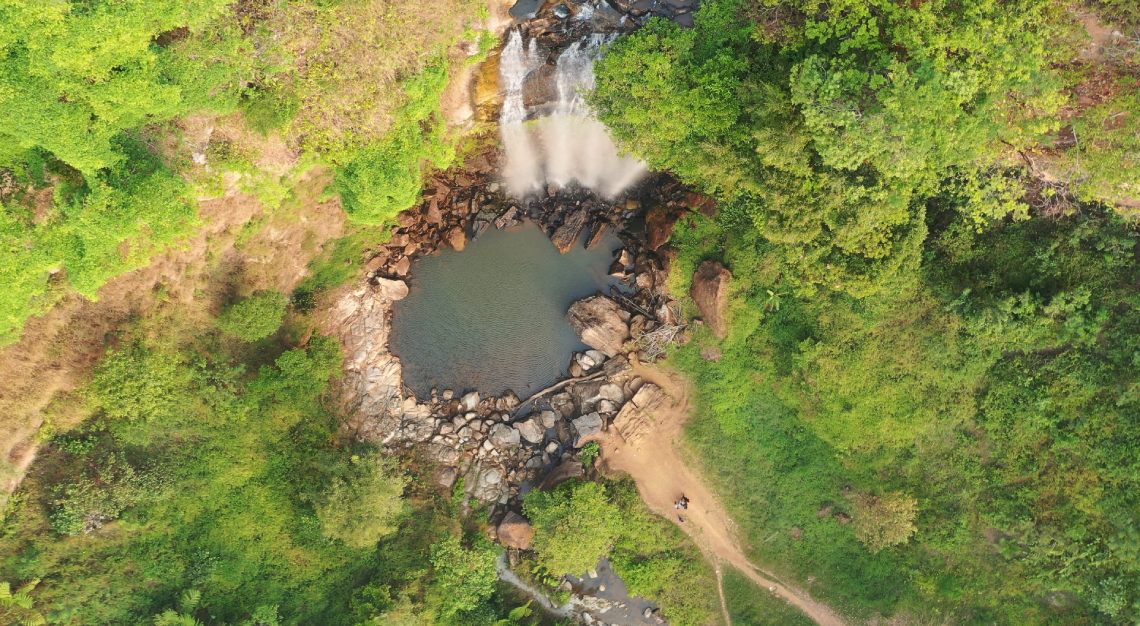
With philanthropy being key to TNC’s efforts, what is your perspective on this vital pillar?
In Singapore, we often think about the capital continuum. Philanthropy may be the first step, but ultimately, initiatives need to sustain themselves. If you equate us to a business, TNC would be akin to an innovative R&D arm. Our goal is to create structures to ensure that projects can continue running over the years. The idea of philanthropy in this context is not that it continues indefinitely, but that it provides a foundation for growth and lasting impact.
From a corporate standpoint, is it fair to say that only businesses that rely on the environment would be open to championing sustainability?
I believe it is more about the capacity of the business leader. I cannot think of any business that is not vulnerable to environmental risks. What Singapore did quite cleverly was to conduct a stress-testing exercise for listed companies, requiring them to assess the impact of climate change on their businesses. In doing so, it encouraged business leaders to think more seriously about these issues.
TNC Asia-Pacific is working towards very big and significant targets for 2030, including cutting down 291 million tonnes of carbon emissions and protecting 178 million hectares of critical landscapes. What are the pressing challenges?
There is approximately a US$700 billion gap in financing sustainability work annually, which is one major challenge. People need to understand the value generated by investments in nature, as
opposed to perceiving the cost or problem as too big to confront.
I used to work in finance and I would tell start-ups that if their proposition was to solve a particular problem, they were uninvestable. They would have no sustainable business case because once they solved that problem, they would be out of business. Nature is the opposite. If you are successful in a sustainability project, you create an environment that continues to generate returns, along with increasing opportunities to monetise. It is a deep and investable opportunity, but how do you get people to think that way? That is the challenge.
This story first appeared in the April 2026 issue. Purchase it as a print or digital copy, or consider subscribing to us here