What goes up and never comes down? Our age. While cliched, this riddle is nonetheless true
Nowhere is this reality more evident than on our faces. Over the years, scientists have searched for ways to reverse the signs of ageing, but nothing has achieved that feat. That said, they have discovered methods to slow the process and restore a youthful appearance. Many of these solutions are invasive, with facelifts being the obvious example. However, a range of non-invasive alternatives are available for those with no pain tolerance and who have the patience for delayed gratification.
Chemical Peels
For deep wrinkles, scarring, or hyperpigmentation, chemical peels may be worth considering. Available in several potency grades, from superficial to deep, the treatment involves applying a solution, typically containing acids such as glycolic, salicylic, or trichloroacetic acid, to remove the outer layers of skin. The controlled exfoliation prompts the body to regenerate new skin, revealing a smoother, clearer, and evenly toned complexion. Downtime is minimal, though side effects are common: redness, peeling, and sensitivity typically follow the treatment, subsiding within a week or two depending on potency. Diligent sun protection and moisturising are essential to achieving the best results.
Retinoids
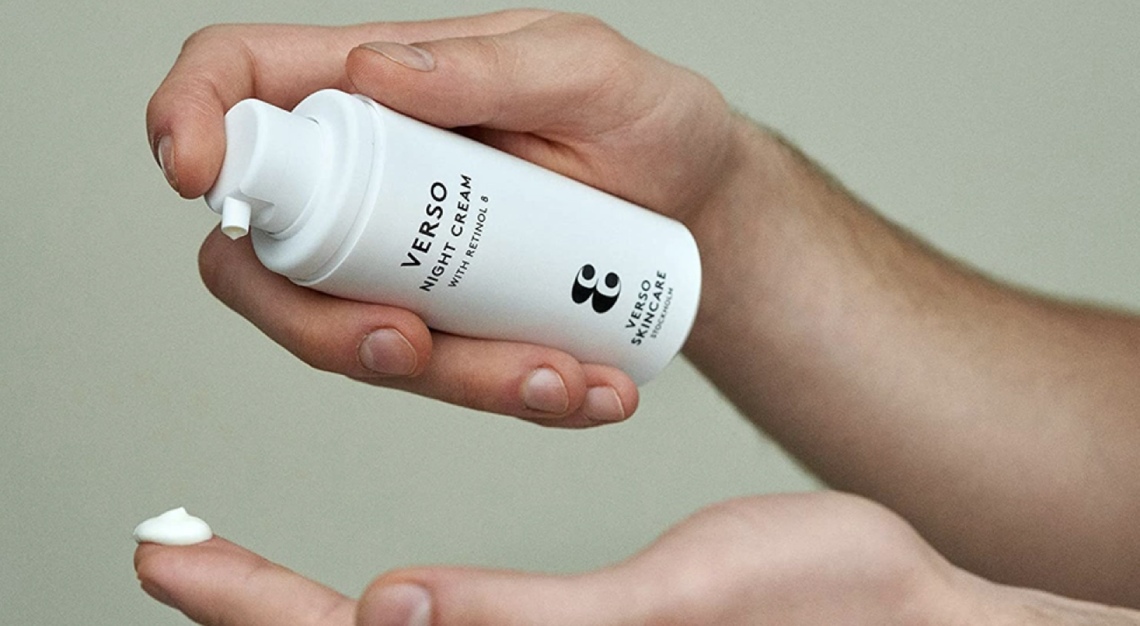
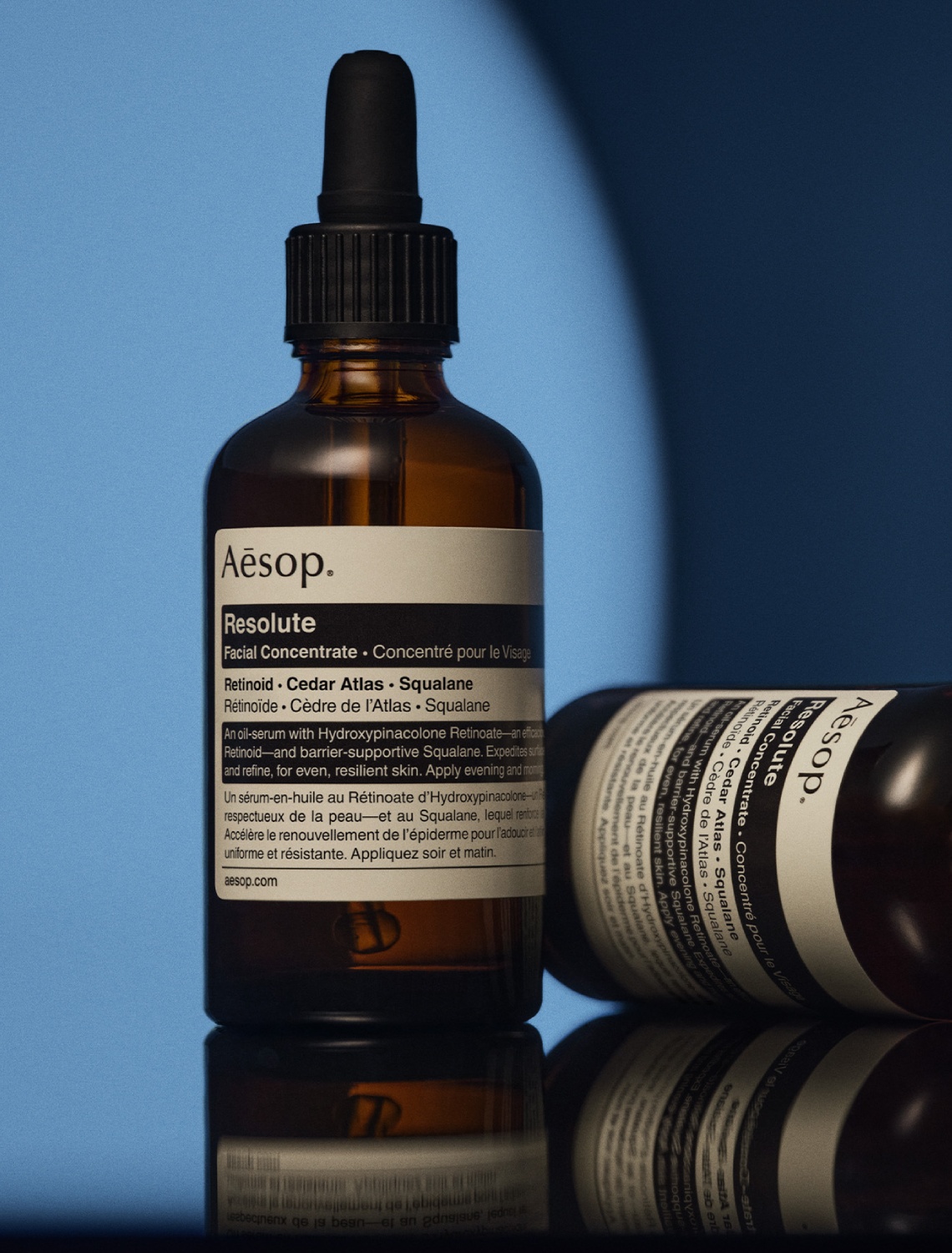
Facial ageing often begins in the mid- to late 20s, which is when adding retinol to your skincare routine becomes worth considering. These over- the-counter serums contain vitamin A-derived compounds called retinoids that penetrate the skin and bind to receptors in skin cells, promoting faster regeneration and, for acne-prone adults, helping prevent clogged pores. Begin with twice-weekly applications, gradually increasing frequency as your skin builds tolerance; daily use becomes possible in time, or you may transition to prescription-strength tretinoin for deeper wrinkles and more stubborn concerns. With consistent use, retinoids smooth the skin, reduce dark spots, and improve firmness, though patience and daily SPF protection are essential.
Laser Treatments
Like chemical peels, laser treatments resurface the outermost layer of skin, but the distinction lies in their approach. Depending on your skin’s needs, one may prove more suitable than the other. Carbon dioxide lasers are among the most popular options, using an ablative method to remove outer layers of skin, making them the preferred choice for deep wrinkles, severe sun damage, and pronounced scarring. These treatments, however, require longer recovery periods. Other resurfacing lasers, including fractional and non-ablative types, work beneath the surface or in targeted zones, stimulating collagen production and improving texture and tone with minimal downtime. Side effects are similar to those of chemical peels, and multiple sessions may be necessary to achieve optimal results.
Led Light Therapy
Light as a form of skin therapy may sound like a gimmick, but science and real-world results have proven its effectiveness. Unlike lasers, LED therapy does not damage or remove layers of skin; instead, it uses specific wavelengths of light at varying depths to stimulate natural cellular processes. Red light encourages collagen production, reduces inflammation, and helps minimise fine lines, while blue light targets acne-causing bacteria. Near-infrared light penetrates deeper to improve circulation and promote healing. The treatment is painless, safe for all skin types, and requires little to no downtime. Results are gradual and often temporary, necessitating multiple sessions for maintenance. For added convenience, at-home devices are also available, among them Dr. Dennis Gross’s Spectralite Faceware Pro.
Vitamin C
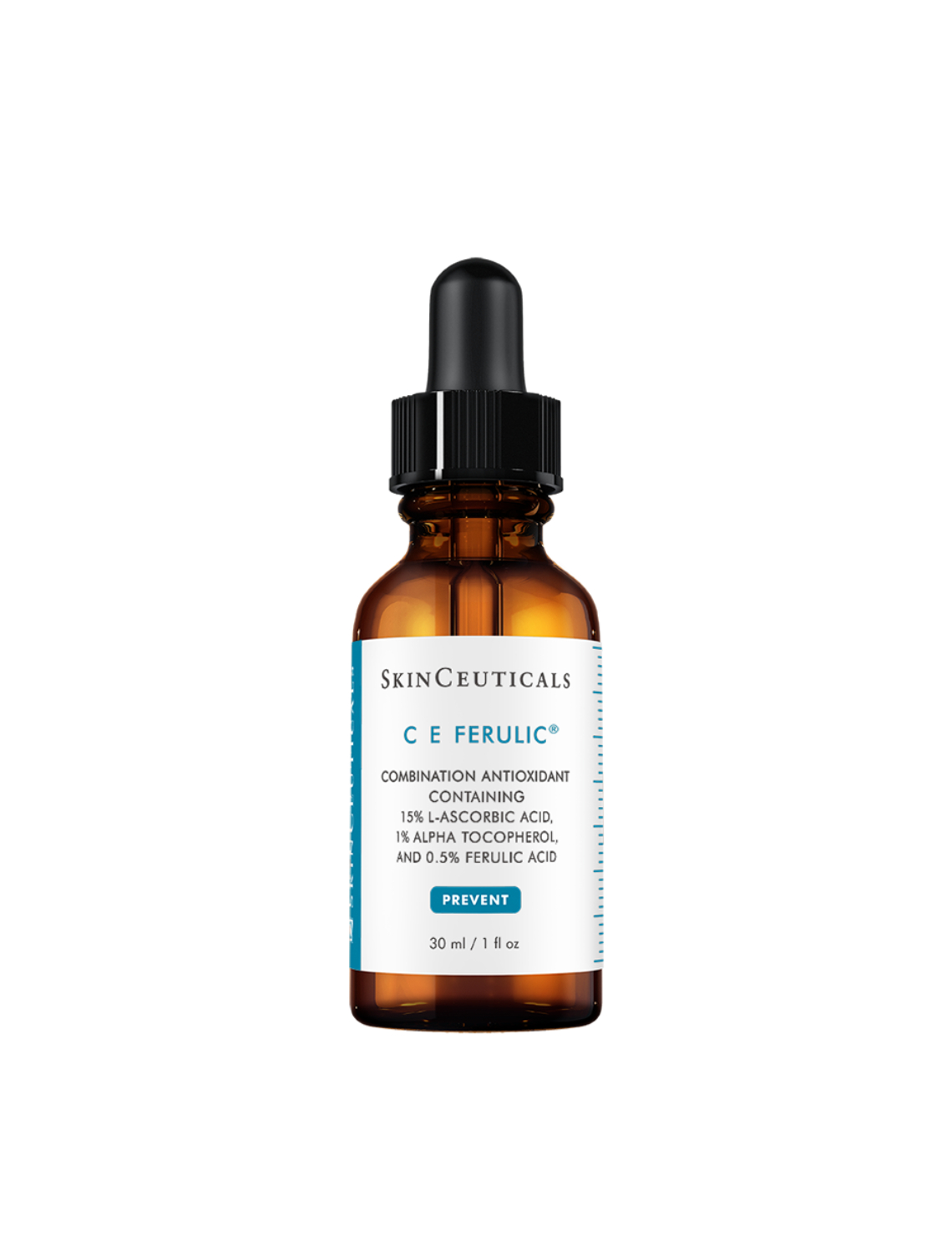
Vitamin C serums are the ideal daytime companion to retinol, which is typically reserved for night use. This potent antioxidant protects the skin from environmental damage and oxidative stress while promoting collagen production, brightening the complexion, and fading dark spots. L-ascorbic acid is the most efficacious form, though its instability can be a drawback; gentler, more stable derivatives such as magnesium ascorbyl phosphate and sodium ascorbyl phosphate offer a milder alternative for sensitive skin. For best results, vitamin C should be applied in the morning after cleansing and before moisturiser and sunscreen, typically at concentrations of 10 to 20 per cent. Starting at the lower end reduces the risk of irritation. While it is no substitute for sunscreen, vitamin C can enhance photoprotection and, with consistent use, deliver noticeable improvements in tone, texture, and radiance.
Ultherapy
Noticing sagging skin? Many would head straight for a facelift or thread-lift, both effective options if you have the pain tolerance for them. While discomfort during an Ultherapy session is well documented, it pales in comparison to needles in the face or time under the knife. Using focused ultrasound energy to lift and tighten the skin, this non-invasive treatment works beneath the surface, targeting the superficial muscular aponeurotic system layer, the same tissue addressed in surgical facelifts, to stimulate natural collagen and elastin production. Over the course of two to three months, skin appears firmer and more lifted. Sessions can be spaced according to your preference. A single treatment is sometimes sufficient, with results lasting roughly a year; most people opt for an annual session for maintenance.
Radiofrequency
If Ultherapy is the deep lifting, radiofrequency (RF) is the gentle tightening. Using low-energy electromagnetic waves to heat the deeper layers of skin, RF safely penetrates beneath the surface, stimulating soft tissues to improve tone, structure, and lift. The heat causes existing collagen fibres to contract immediately, producing a subtle brightening effect straight after the appointment, while simultaneously prompting the body to produce new collagen and elastin over the following months.
RF’s appeal lies in its versatility: it is safe for all skin tones and carries virtually no risk of permanent discolouration. You may feel a warm, massage-like sensation or notice brief pinkness, but there is no downtime to speak of. It is the ideal maintenance tool for those in their 30s and 40s looking to address saggy skin or early jowling before either becomes a permanent fixture.
This story first appeared in the June 2026 issue. Purchase it as a print or digital copy, or consider subscribing to us here