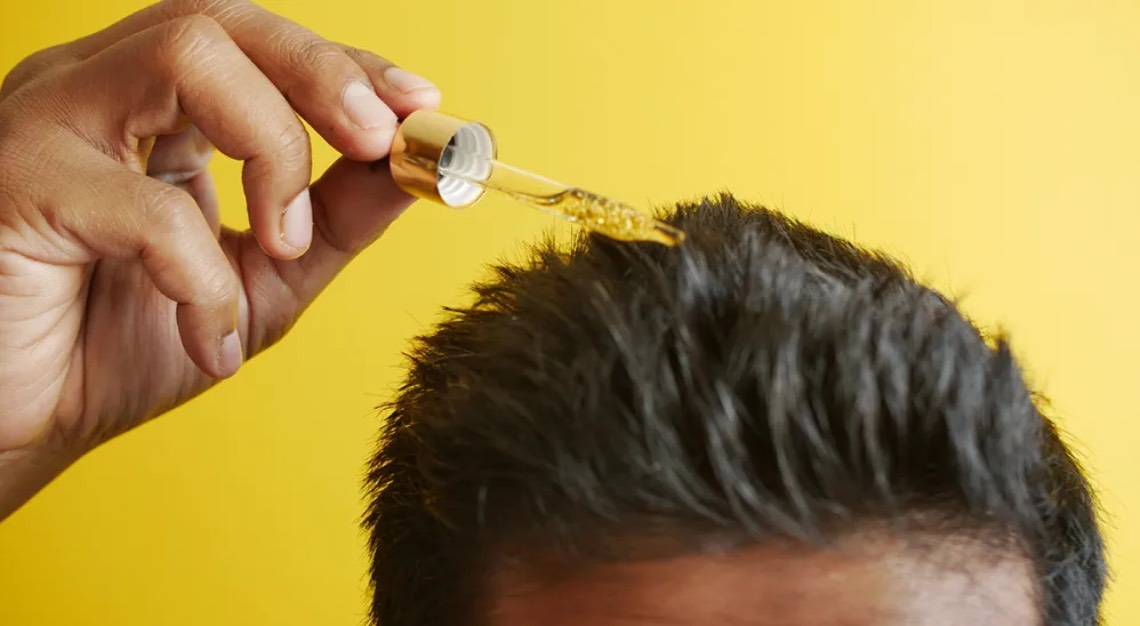
Retinoids are increasingly being used as a way to increase hair thickness and length. We asked a dermatologist to explain why
Retinoids have long been a key ingredient in an anti-ageing skincare routine, because they are exemplary for optimising your cellular turnover. After a short adjustment period, they reliably deliver the smoothest, clearest, firmest skin possible. But recently, there’s been more buzz about how great they are for hair growth.
We asked NYC-based board-certified dermatologist, Dr. Dendy Engelman of the renowned Shafer Clinic, to explain how you can get the best results by incorporating this ingredient into a structured hair care routine.
How retinoids work in the first place—and on the scalp
“Retinoids are Vitamin A derivatives that function as cellular regulators, signaling cells to turn over more efficiently and behave like youthful tissue,” Engelman says. “On the scalp, this translates to normalisation of keratinization within the follicle, helping to prevent buildup that can disrupt the follicular opening and disturb the growth cycle.”
So these retinoids (retinol, retinal, tretinoin, adapalene…) can bind to receptors in skin cells (which includes the scalp) and tell those cells to behave differently. On the scalp specifically, that messaging yields better cellular turnover for the hair itself, reduced oil buildup, and improved skin tissue.
And a lot of the talk in favor of using retinoids on your scalp focuses on enhanced penetration: when used in tandem with medications like topical minoxidil and finasteride, you can multiply the benefits of those hair-raising ingredients.
How retinoids work for hair growth and optimisation
So, for clarification: Retinoids have a supporting role in hair growth. I wouldn’t tell you to use them up there if you aren’t also using something clinical-grade and topical in the first place, nor would Engelman: “I think of them less as a primary growth treatment, and more as a strategic enhancer within a broader regimen,” she adds.
The two core topical hair-growth options worth considering include minoxidil, which actively pushes follicles into growth mode, allowing you to express more hairs at once; and finasteride, which can interfere with the hormonal factors that cause hair thinning, dihydrotestosterone, or DHT.
How to apply retinoids for hair growth
The scalp is not as forgiving as the skin on your face, and hair makes retinoid application a bit more complicated.
“Trying to distribute it all at once can get messy and result in inconsistent coverage,” Engelman notes. “You’ll get the most value by keeping the application close to the scalp, not the hair.” So, define the parts as best as possible, and pat in the product with your ring finger or middle finger. The amount to use will differ from one person to the next, though, as retinoids are dose-, formulation-, and user-dependent (including how irritation could impact you). That’s also why it can be good to start with a prescription and a doctor’s supervision, as well as their tailored advice.
Engelman suggests doing so at night, too—at the same time you should apply those core topical products (if they are once-a-day use). “Apply them at night, on a completely dry scalp, since that’s when skin repair processes are most active, and you can minimize potential irritation from environmental exposure,” she says.
And start conservatively: “In terms of frequency, starting at 2–3 times a week is reasonable, and you can increase frequency as tolerated,” she advises.
The best retinoids for hair growth
Retinoids aren’t (yet) approved by the FDA for use on your head. So you won’t see brands using and marketing any Vitamin A serums just yet. Still, you’ll have plenty of options available via higher-grade prescriptions, as well as alternative over-the-counter picks that primarily focus on peptides for better hair growth.
Engleman, as a board-certified derm, recommends going the prescription route instead of using a facial retinoid on your scalp: “Prescription retinoids are more predictable in terms of strength, stability, and clinical outcome, especially when you’re trying to meaningfully influence the follicular environment,” she says. Plus, having a doctor know what to supervise and adjust for irritation is an important part of getting adjusted to the sometimes-irritating ingredient.
Prescription Options
Tretinoin (retinoic acid): This is the most studied and predictable retinoid, for all kinds of use in skin clarity, resilience, and brightness. Same for scalp cellular turnover: It is effective at normalising keratinisation and enhancing penetration of other actives. “Tret” is often used in compounded scalp formulas alongside minoxidil.
Adapalene: You might know adapalene as Differin gel, but it is also available in higher-grade prescription formulations. It tends to be more stable and generally better tolerated than tretinoin (which is also why it is commonly used in skincare with sensitive, acne-prone teens). Still, it is quite effective for regulating turnover and equally gentle on scalps.
Tazarotene: The most potent of the common prescription retinoids, tazarotene is typically reserved for more resilient skin types given its higher irritation potential. Still, it works fantastically when tolerated.
Over-the-counter alternatives
If you are in the market for hair-boosting products that are FDA approved, then look to these treatments that take different routes for that fullness effect:
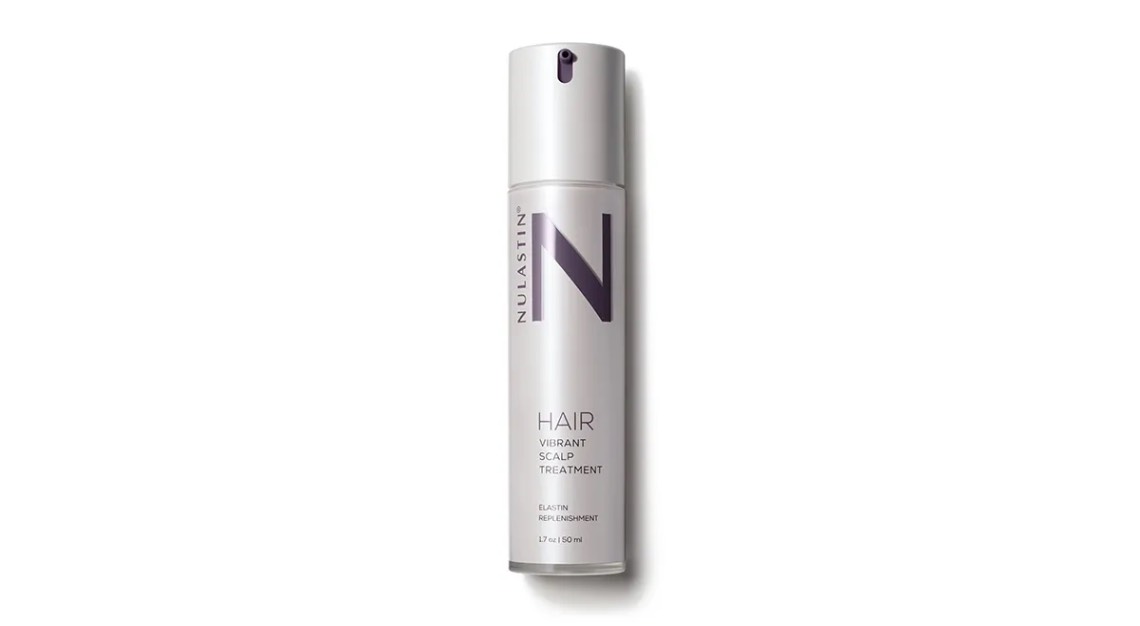
Nulastin Vibrant Scalp Treatment
Engelman likes this OTC product best for her patients: “It addresses the follicular environment in a meaningful, biologically relevant way, particularly around elastin support and anchoring at the root.” The lightweight formula is easily tolerated even for sensitive folks, and clinically shown to improve the look of fullness and reduce visible shedding over time, which she says is the goal with most people. But she adds one reminder: “This is a long-term scalp health treatment, so consistency matters more than anything here.”
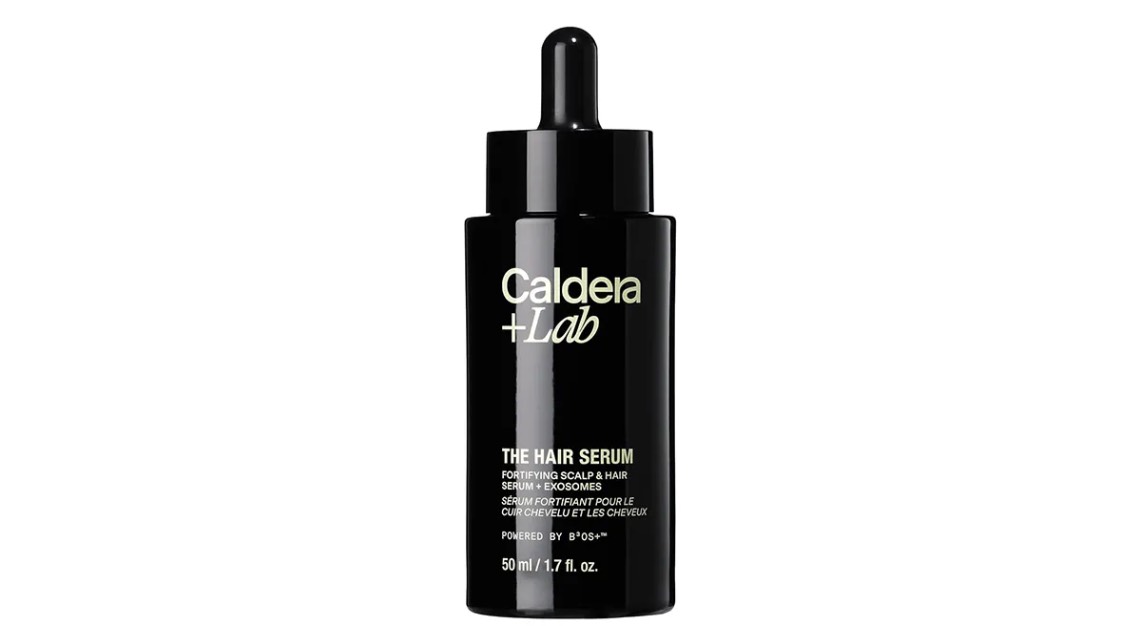
Caldera + Lab The Hair Serum
Exosomes, peptides, plant stem cells, amino acids… this one is a delivery vehicle for thicker hair, stronger shafts, healthier shine, and a balanced scalp. A beautiful pairing with the brand’s hair-densifying shampoo-conditioner duo, at that.
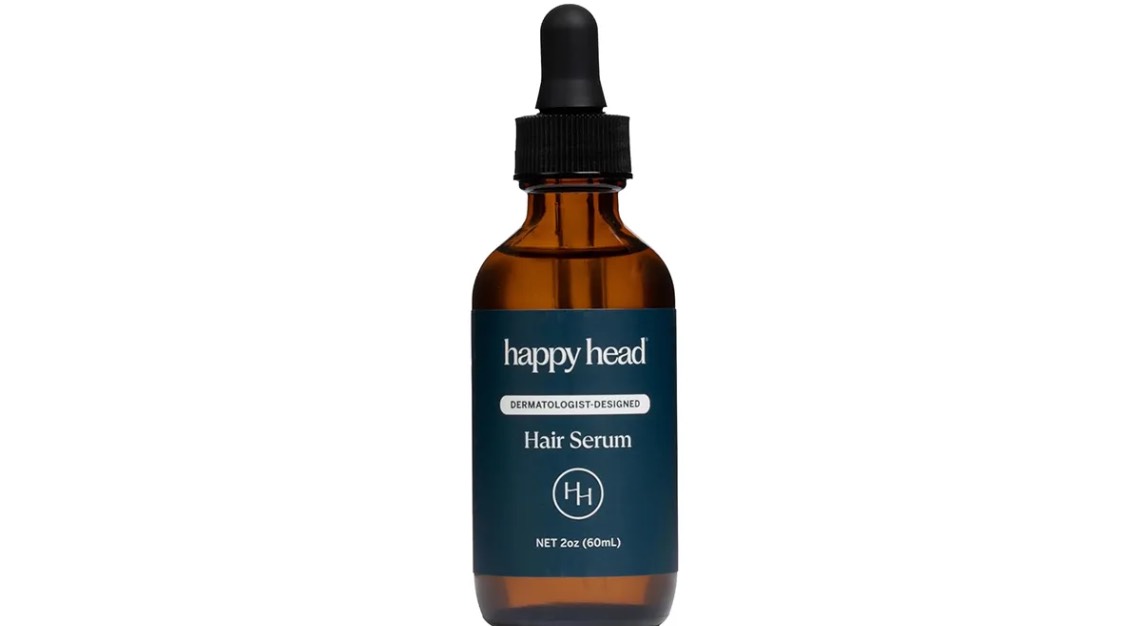
Happy Head Hair Serum
A full-service serum for fuller hair: Ingredients like Procapil, Capixyl, Redensyl, peptides, and biotin work at the follicle level to support stronger anchoring, extend the growth phase, and improve hair’s keratin structure (so, thicker strands, less shedding). Meanwhile, scalp-focused ingredients like witch hazel, collagen, argan oil, rosemary oil, and ashwagandha reduce inflammation, balance oil, boost circulation, and counter stress (sooo, optimal growth environment for fuller, healthier hair).
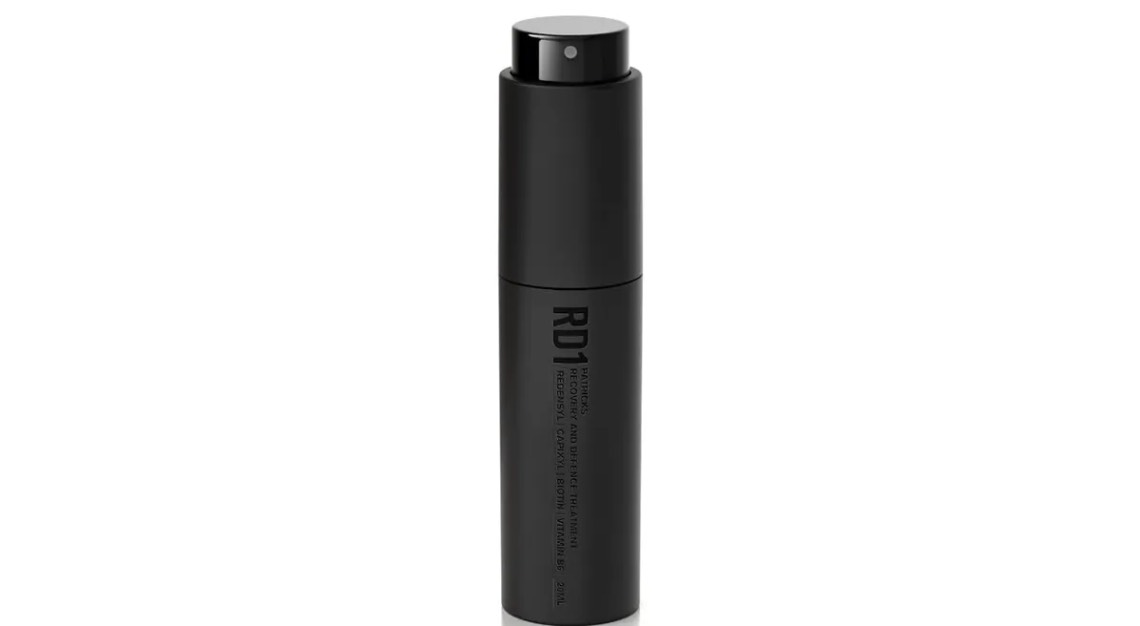
Patricks RD1 Recovery and Defence Treatment Spray
How does Patricks’ awesome hair-growth serum work on follicles? Let us count the ways: Caffeine energizes follicles and supports circulation; saw palmetto helps counter DHT; biotin strengthens keratin; acetyl tetrapeptide-3 supports anchoring proteins; rosemary extract boosts scalp circulation for denser, healthier growth. And we’re just getting started…
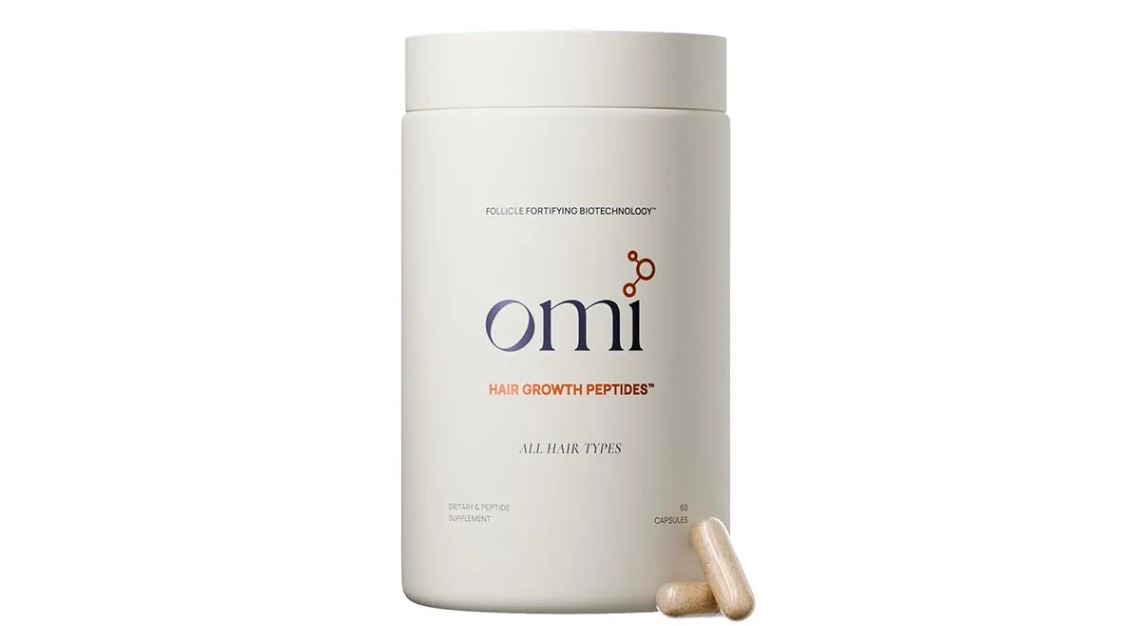
OMI WellBeauty Hair Growth Peptides
“If a serum doesn’t feel compatible with your routine or if you think applying a topical consistently might be a challenge for any reason, then try an ingestible option that supports follicle health systemically,” Engelman says. She recommends these peptides, available as capsules or gummies.
This story was first published on Robb Report USA. Featured photo by Getty Images