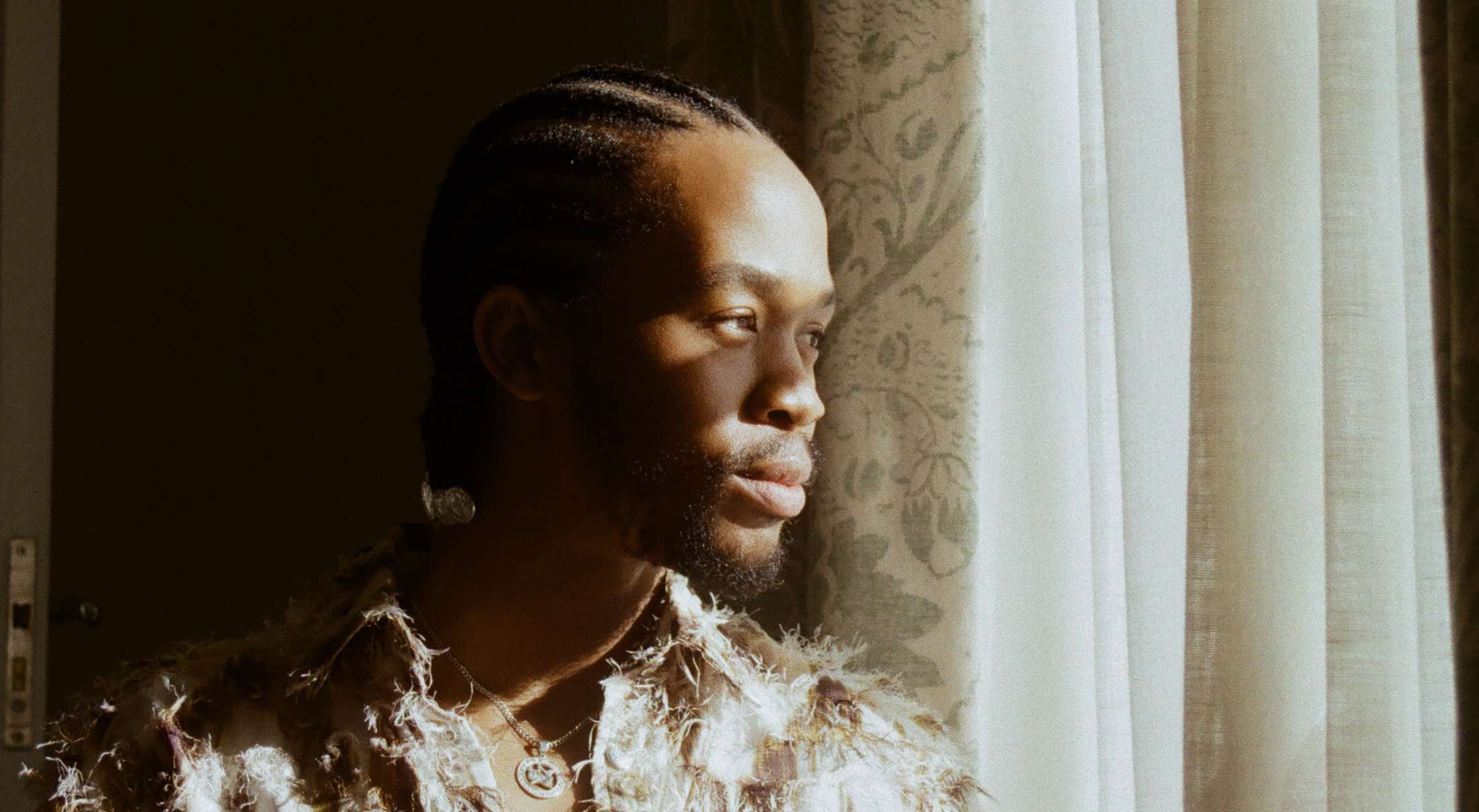
Having recently brought his creative vision to Belmond, the LVMH Prize-winning South African designer reflects on identity, authorship and expanding his work beyond fashion
We often think of fashion as something seasonal, cyclical or fleeting. But for Thebe Magugu, the work has always been about something that is far less transient: the ongoing negotiation of identity.
Since launching his label in 2016, the South African designer has built a practice that is rooted in storytelling. His collections—which are often structured like studies into culture, history and power—have earned him global recognition, culminating in the LVMH Prize for Young Designers in 2019. It is this ability to move between local and international worlds, while resisting singular or flattened narratives of African identity, that defines his work.
Over time, that perspective has shifted inward. Where his earlier collections drew from broader cultural observations, his more recent work has taken on a distinctly autobiographical lens, exploring family, spirituality and the intimate, unresolved aspects of his identity.
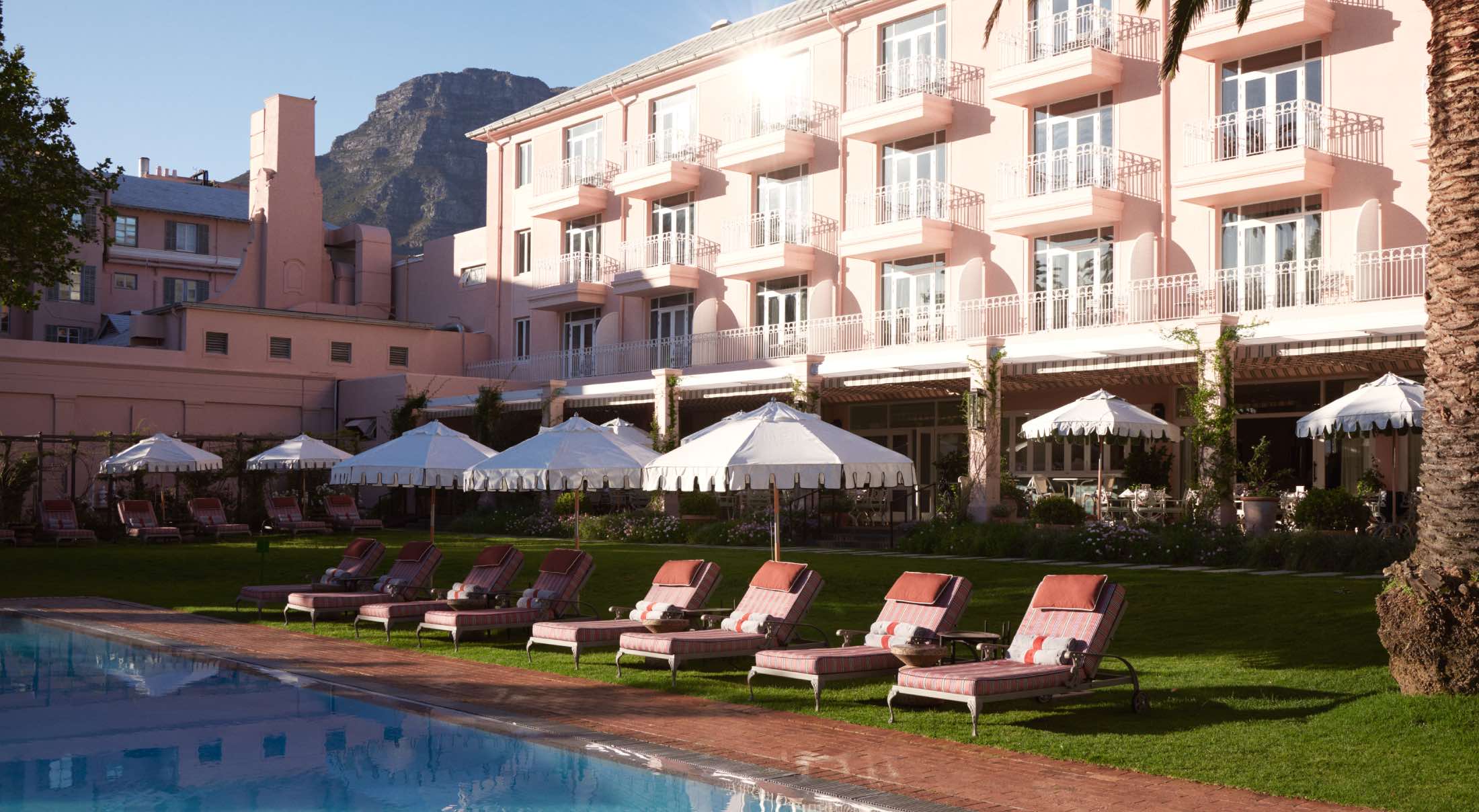
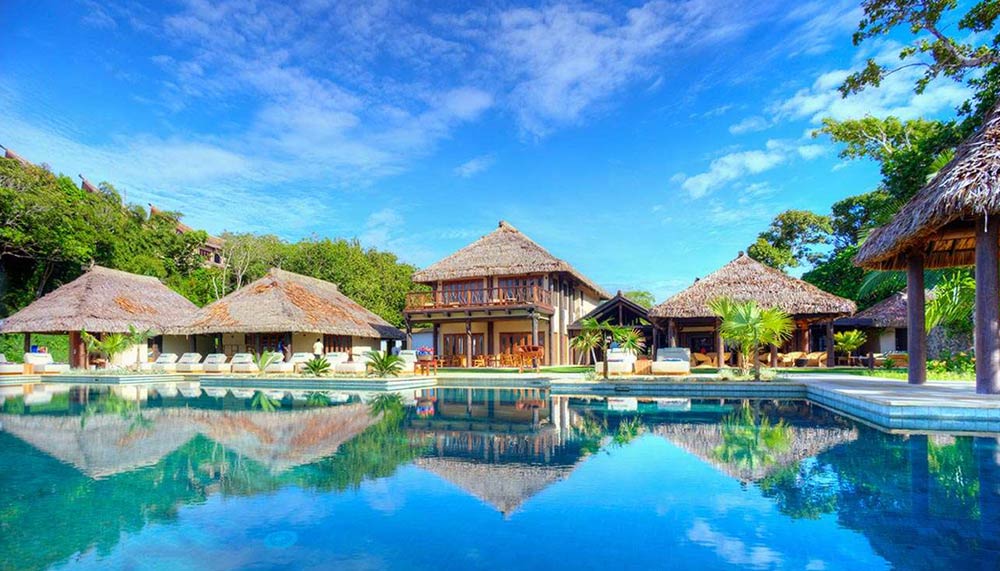
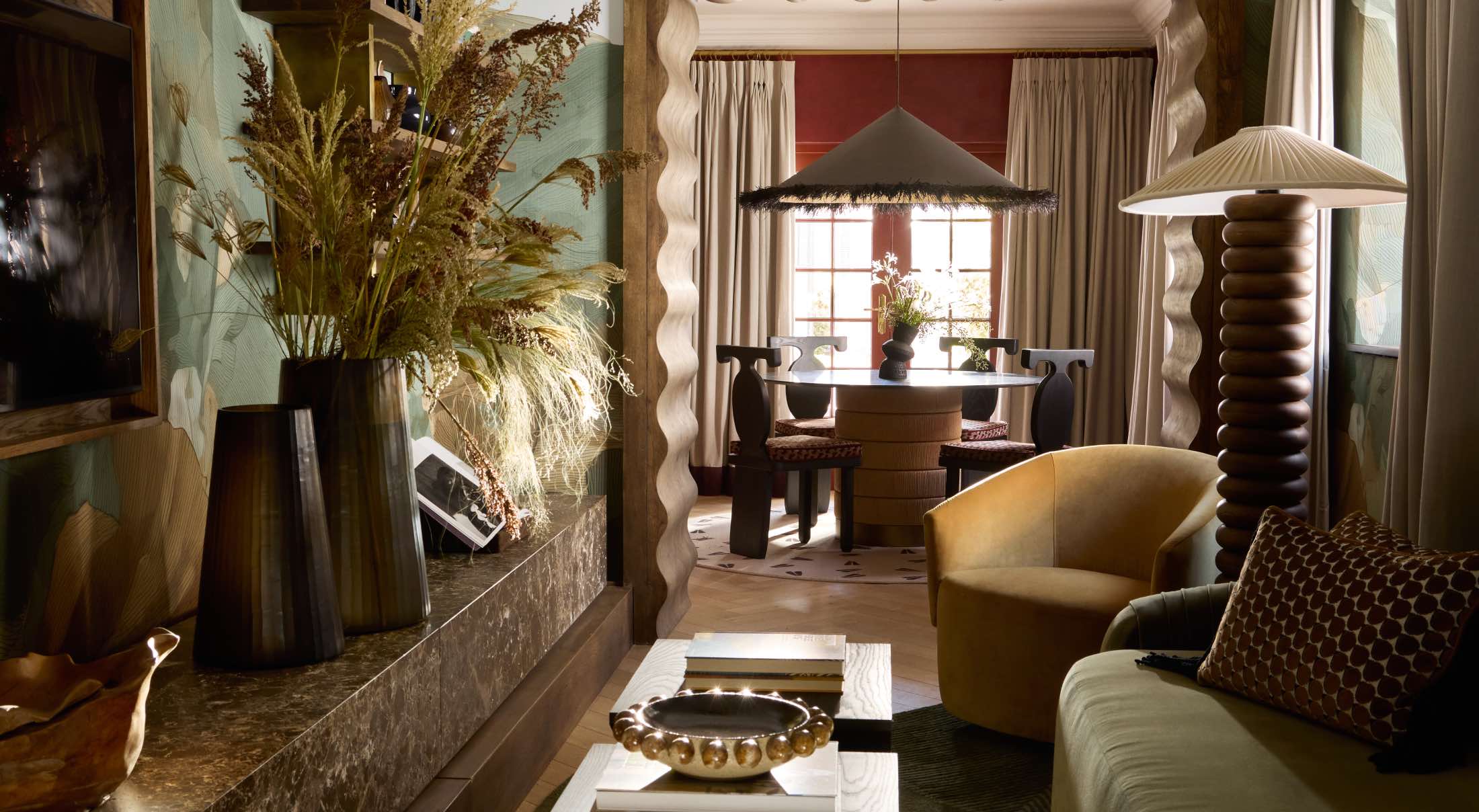
Now, with projects that extend beyond fashion—including a recent collaboration with Belmond at Cape Town’s Mount Nelson—Magugu is entering a new phase that sees him translating his narrative-driven approach into physical spaces and lived experiences. Rooted in a strong sense of place and shaped by everyday rituals, the project reflects the same layered thinking that defines his collections. In doing so, Magugu is showing a growing flair for weaving together fashion, culture, and environment into something that is cohesive and considered.
What have you done recently for the first time?
I recently travelled to Brazil with Belmond and I was so surprised at how familiar it felt to South Africa. On one street, you can find a modernist building, a brutalist one, a classical one, and a makeshift one. I think that speaks to a kind of layered identity. It exists in contradiction and constant negotiation, which feels very close to how I understand home, and increasingly, how I understand my own work.
How has your thinking about creativity evolved since you first launched your label?
My thinking around creativity has become more autobiographical over time. In the beginning, I was—and still am—deeply interested in other people’s stories: their joy, memories, traumas, even their biases and shortcomings. But as the collections progressed, and as the interviews accumulated, I began to feel that I wasn’t fully exploring my internal landscape.
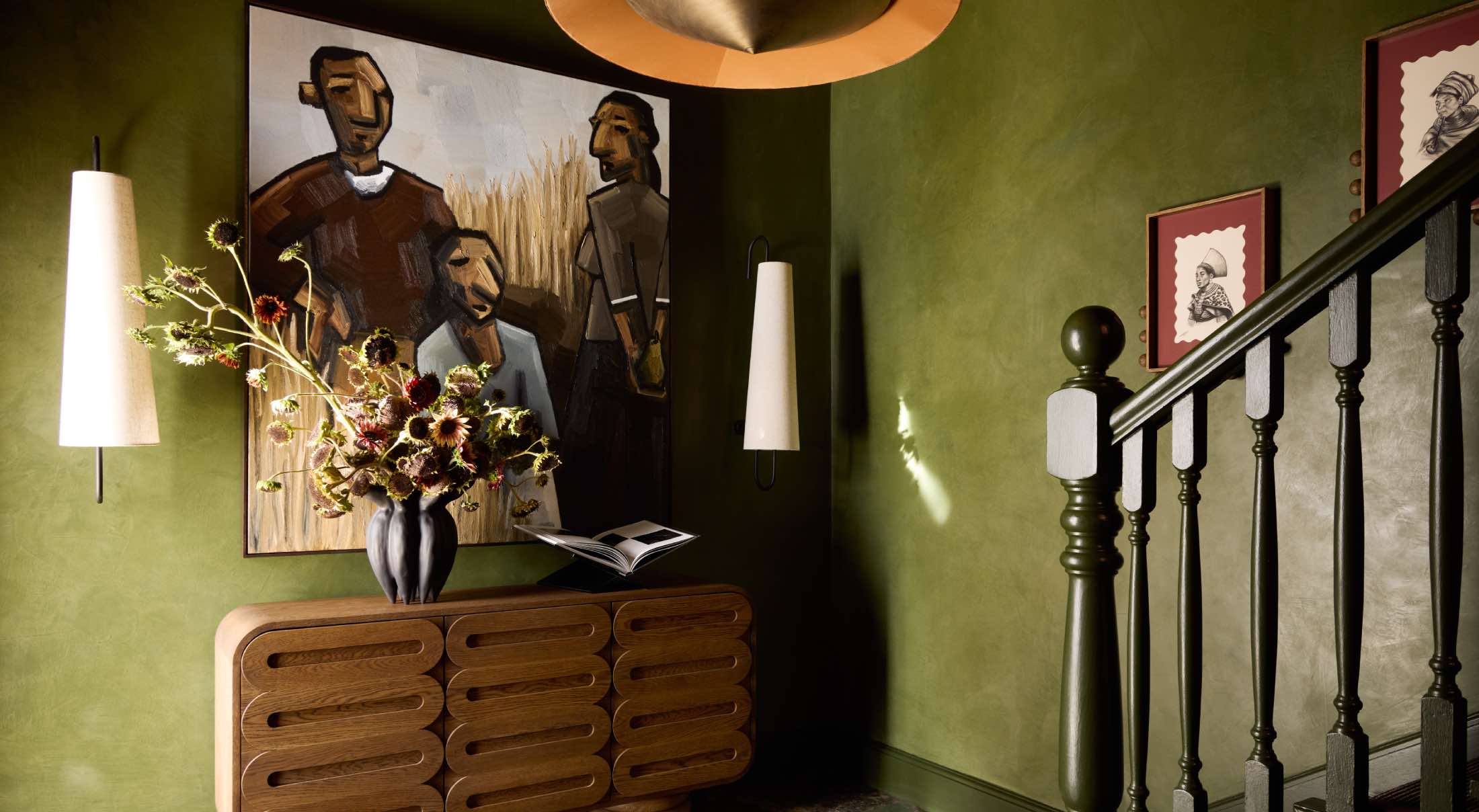
Your collaboration with Belmond brought your work into the world of travel and hospitality. What did that experience allow you to explore that fashion doesn’t?
Fashion, over the years, continues to cycle through itself at increasing speeds, with designers expected to churn out collections every few months. It compresses the creative process in a way that can sometimes prioritise output over meaning. In interiors, these timelines feel far more extended. There is an inherent understanding that people will eventually live in these created spaces, so it becomes about balancing the aesthetic with safety and due diligence.
You’ve spoken about the danger of African visual languages being flattened into something that is one-dimensional. How do you resist that in your work?
By insisting on specificity and always avoiding creating work from the auto-exotic gaze. Africa isn’t a monolith and neither is its visual language. I try to work from particular references, whether its personal histories, niche archives, or overlooked figures, rather than generalised ideas of ‘African-ness’.
Who has been your greatest influence?
My family, especially my mother. She is the first person who introduced me to this idea that not only can you use fashion to express yourself, but you can also negotiate who you are. She would wear an ensemble and embody its qualities. So if she wears a floral or bright, flowy dress, she becomes charismatic and friendly. In an opposite demeanour, if she wore something sleek, black and sombre, she became quite aloof and would keep people at arm’s length.
How do you switch off when you’re away from the studio?
I don’t fully switch off, which I always say is nothing to celebrate, but at least I slow down. I am in a time when I am trying my best to explore hobbies, so I went to DJ school for a year and now moonlight in the evenings as a DJ.
How do you make important decisions: instinct or meticulous planning?
It’s a conversation between the two. Instinct tells me what feels right, but I’ve learnt to respect structure and planning as a way of sustaining that instinct over time.
What does success look like to you now compared to when you first started?
I think success, for me now, is simply being able to run a sustainable business. Considering my background, that, in itself, feels like a profound achievement. In many ways, I am already living my dream. When I was younger, success felt external, tied to ideas of recognition, visibility, and validation. Now, it feels far more internal and more assured. It’s about longevity, about building something with integrity that can exist beyond me.