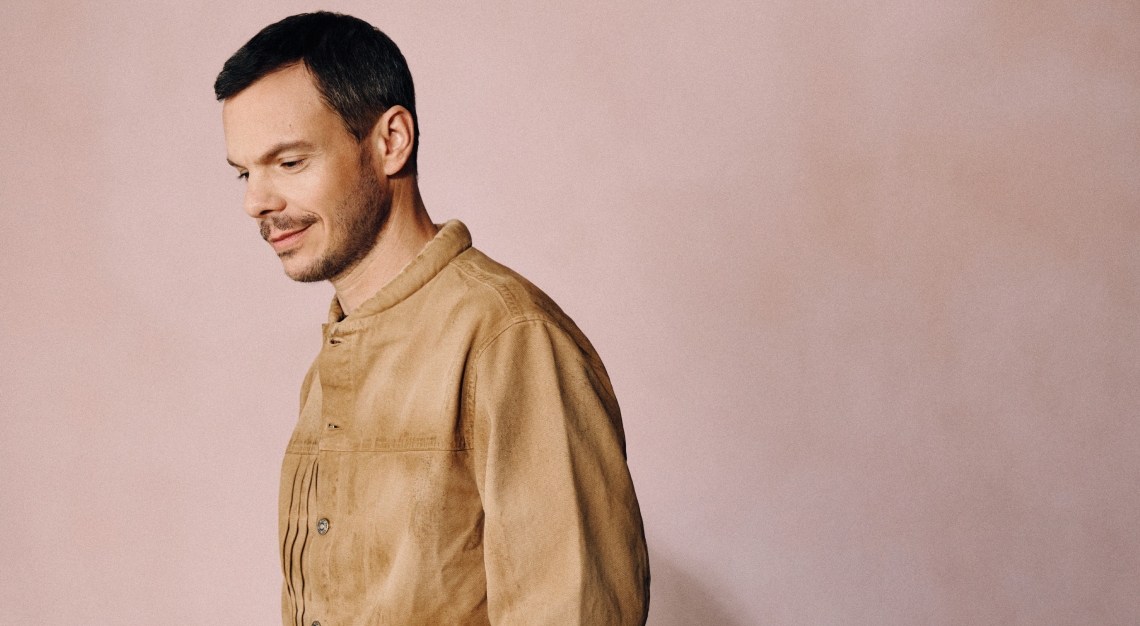
We speak with Thibaud Crivelli, founder and creative director of Maison Crivelli, about the art of perfumery and what truly goes into crafting an olfactory portrait.
It’s far more than a blend of alcohol, essences, and florals; crafting a scent that resonates, empowers, and complements your mood or fit for the day is an art in itself. Behind every olfactory portrait lies an entire sensory world, one shaped by memory, emotion, texture, and atmosphere as much as by raw materials and formulation.
For the founders redefining niche perfumery today, scent is also about translating lived experiences into something deeply immersive and personal; less about following trends. In this two-part feature, we dive a little deeper beyond the formulations, speaking with two reputable noses behind their own eponymous perfume houses about the emotional language behind modern fragrance creation.
Here, Thibaud Crivelli, founder and creative director of Maison Crivelli reflects on transforming vivid sensory memories into fragrance, building an independent maison rooted in emotion, and the enduring power of scent to create lasting impressions.
At what point did you realise perfumery could become both your art and your profession?
I think it was less a sudden revelation and more a gradual evolution that began very early in my life. I grew up in La Roche-Posay, surrounded by nature and deeply influenced by sensory experiences: humid forests after the rain, aromatic plants in the sun, the changing scent of the night air. Over time, I realised I wasn’t just smelling things, but perceiving entire atmospheres through colour, scent, texture, light, and emotion.
Later, travelling extensively and spending nearly ten years in Asia transformed my relationship with fragrance. Discovering ingredients where they are cultivated made perfume feel alive and deeply connected to people, landscapes and memories. Eventually, I understood that what fascinated me most was the emotional power of sensory experiences. That’s when I realised perfumery could become both my profession and my artistic language.
When you started, did you see yourself more as a perfumer, an artist, or a founder building something bigger?
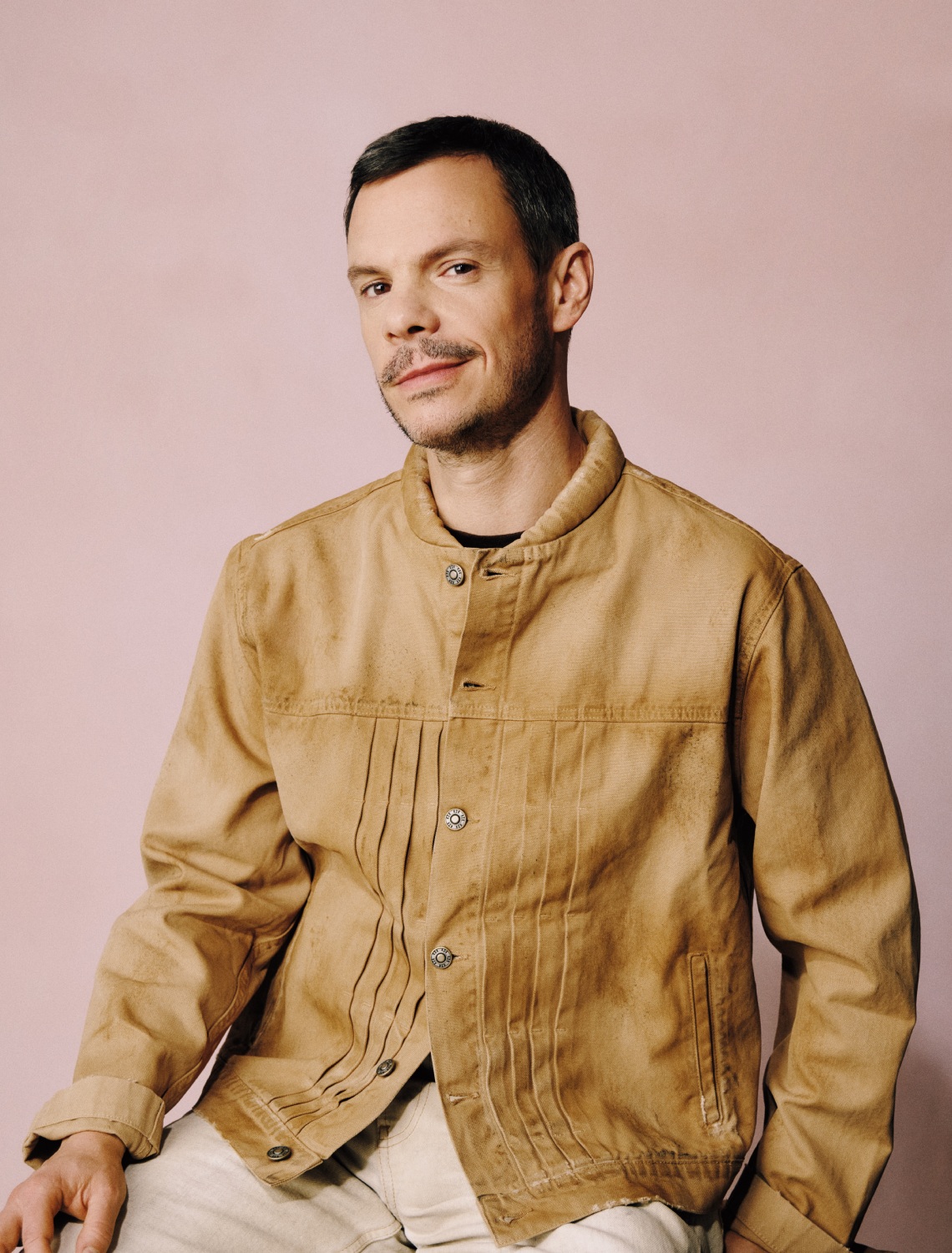
I always saw myself primarily as the founder of a creative Maison with a distinct emotional universe. I never considered myself a perfumer, because I deeply respect the technical expertise of the perfumers I collaborate with. My role is to bring the emotion, atmosphere and sensory complexity of an experience, which the perfumer then translates into fragrance.
From the beginning, I wanted Maison Crivelli to be much more than a fragrance brand. I envisioned a Maison where perfume becomes an immersive sensory experience, with every detail—from storytelling to textures and retail design—contributing to that emotion. I also knew early on that I wanted to build something lasting and independent, driven by identity and emotional resonance rather than trends.
What were some of the earliest struggles in trying to create a name for yourself in this space?
One of the biggest challenges at the beginning was introducing a creative approach that didn’t fit traditional fragrance storytelling. Maison Crivelli was built around real sensory experiences and emotional contrasts rather than classic perfume marketing or simply describing notes.
At the time, speaking about fragrance through emotions, atmosphere and synesthesia felt unusual, so helping people understand the Maison took time. Another challenge was staying true to our vision in an industry that often pushes brands toward trends and simplification.
Building recognition also required patience. Perfume is deeply emotional, and trust develops slowly. At the beginning, there was always a question in the background: Will these very personal sensory experiences resonate with others? Fortunately, we progressively realised that emotions linked to surprise, contrast and immersion are actually very universal.
How did those early challenges shape the way you approach scent creation today?
Those early challenges reinforced my belief that emotion must remain at the centre of creation. While understanding the market is important, a fragrance without emotional sincerity is immediately noticeable.
They also taught me to protect the integrity of the creative process. Every Maison Crivelli fragrance still begins with a real lived experience rather than trends or competitors. I start with an emotional memory and focus on capturing its atmosphere and tension as authentically as possible. I also learned that creating something distinctive requires patience and courage. Often, the most surprising or unconventional fragrances leave the strongest emotional impression.
These challenges also taught me the importance of coherence. Across every creation, while distinctively different, there is a shared emotional language built around contrast, immersion, texture and sensory richness.

When you begin a new fragrance, where does it usually start for you—an emotion, a memory, a material, or something else entirely?
A new fragrance almost always begins with a real sensory experience I’ve lived. What inspires me is encountering a raw material in an unexpected context that completely transforms its perception. For example, smelling tuberose at night under a sky full of shooting stars creates a completely different emotional experience than simply smelling tuberose in a laboratory.
For me, it’s never just about the ingredient itself, but the atmosphere surrounding it—the light, temperature, textures, sounds and emotional tension of the moment. Those unexpected contrasts create strong emotional reactions and make the experience memorable.
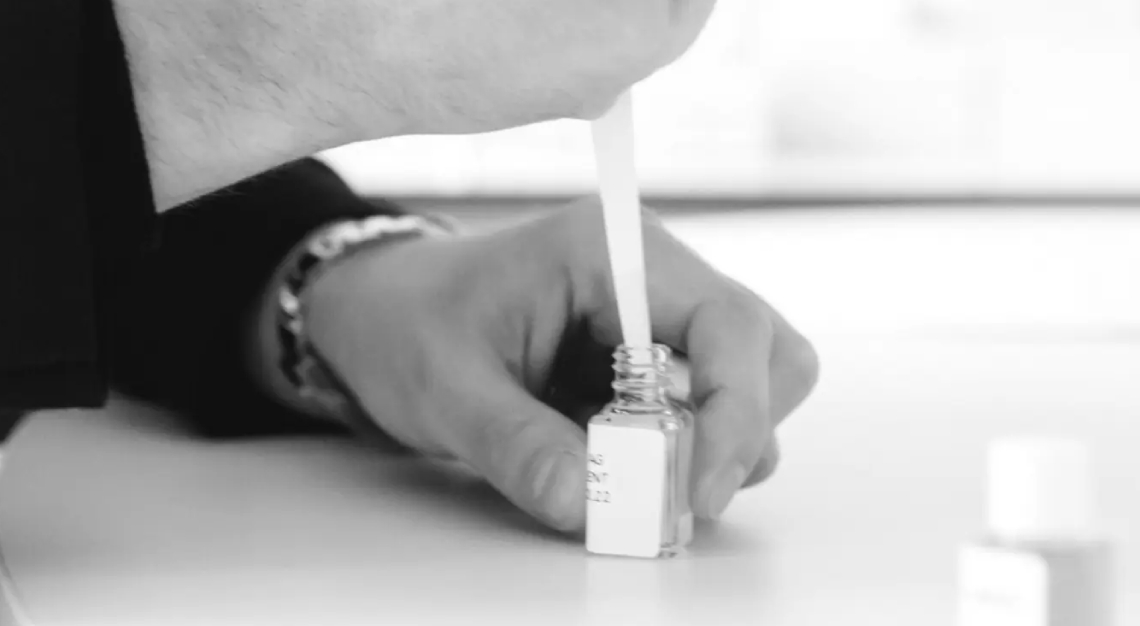
When developing a fragrance, I first immerse the perfumer in that atmosphere through images, textures, videos and detailed descriptions. We initially speak more about sensations and emotions than ingredients. The fragrance is always built around emotion first, with the olfactory construction coming afterwards.
Have you ever created a scent that felt like it “arrived fully formed” rather than being constructed piece by piece?
Yes, some projects have felt emotionally clear from the very beginning, where the original memory was so vivid that the creative direction came almost instinctively. Those are often the projects where the first exchanges with the perfumer already capture something essential emotionally. The atmosphere feels right immediately, even if the formula continues to evolve afterwards.
That said, perfumery is still an art of precision and nuance. Even fragrances that feel instinctive require extensive refinement, as small adjustments can completely change a perfume’s emotional impact. What matters most to me is preserving the emotional truth of the original experience throughout the process.
How do sourcing and material choices influence what you’re able to express creatively?
Raw materials are central to emotional expression in perfumery because each ingredient carries its own texture, energy and emotional resonance. A note can express something entirely different depending on its quality, origin or extraction.
At Maison Crivelli, collaborating with leading fragrance houses gives us access to exceptional raw materials and allows us to explore more sophisticated olfactory territories. My travels and sensory experiences also shaped the way I perceive ingredients, as climate, light and environment can completely transform how a scent feels emotionally. For me, sourcing is not only about technical quality, but about emotional richness and the ability of a material to create an immersive sensory experience.
What part of the perfumery process do people outside the industry most underestimate?
People often underestimate the level of precision, time and emotional work behind a fragrance that feels effortless. What seems immediate on skin can involve hundreds of trials, adjustments and discussions, where even a small change in dosage can transform the emotional impact of a perfume.
I also think the intuitive and emotional dimension of perfumery is often overlooked. At Maison Crivelli, ingredients are chosen not only for their scent, but for the textures, colours, sounds or sensations they evoke. That synesthetic approach is essential to creating fragrances that feel immersive and emotionally alive.
Do you think of your work more as composing scents or telling stories through smell?
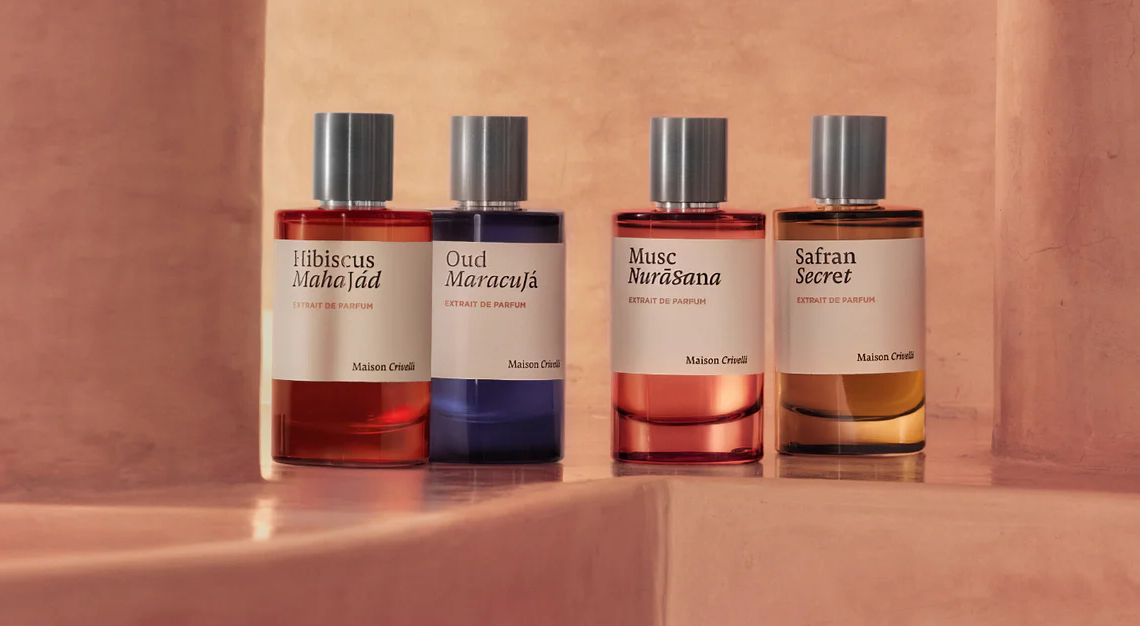
I would say it is more about creating sensory experiences than simply telling stories. While there is always a narrative dimension behind the fragrances, what interests me most is the emotional and physical reaction perfume can provoke. At Maison Crivelli, I aim to create fragrances that feel immersive and textured—more like entering a sensory landscape than following a traditional story. The goal is not just to communicate an idea, but to create an emotional experience that feels personal and alive.
How much of your personal identity do you consciously or unconsciously embed into your brand?
There is certainly a great deal of me within Maison Crivelli. My curiosity, attraction to contrasts, love of nature and fascination with emotional intensity all shape the Maison deeply. At the same time, once a memory becomes a perfume, it no longer belongs only to me. What matters most is the personal connection people create with the fragrance through their own memories and emotions. I see Maison Crivelli less as a way of imposing my feelings, and more as a space for emotional interpretation and personal experience.
Looking ahead, what would make you feel that your work in perfumery has truly fulfilled its purpose—or outlived you in meaning?
What would matter most is knowing Maison Crivelli continues to create genuine emotional reactions and sensory memories long after I’m gone. Perfume is invisible, yet it can leave a lasting emotional imprint, becoming tied to key moments like transformation, intimacy or freedom. I find that profoundly beautiful. More than success, I hope the Maison helps foster a more emotional and immersive way of experiencing fragrance. If people still feel moved or surprised by it decades from now, I’d see that as its true purpose.