From proportion and presence to the smallest detail, how do emblematic vehicles stay iconic? We speak to Mitja Borkert, design director at Automobili Lamborghini, about the enduring power of the Raging Bull’s silhouette
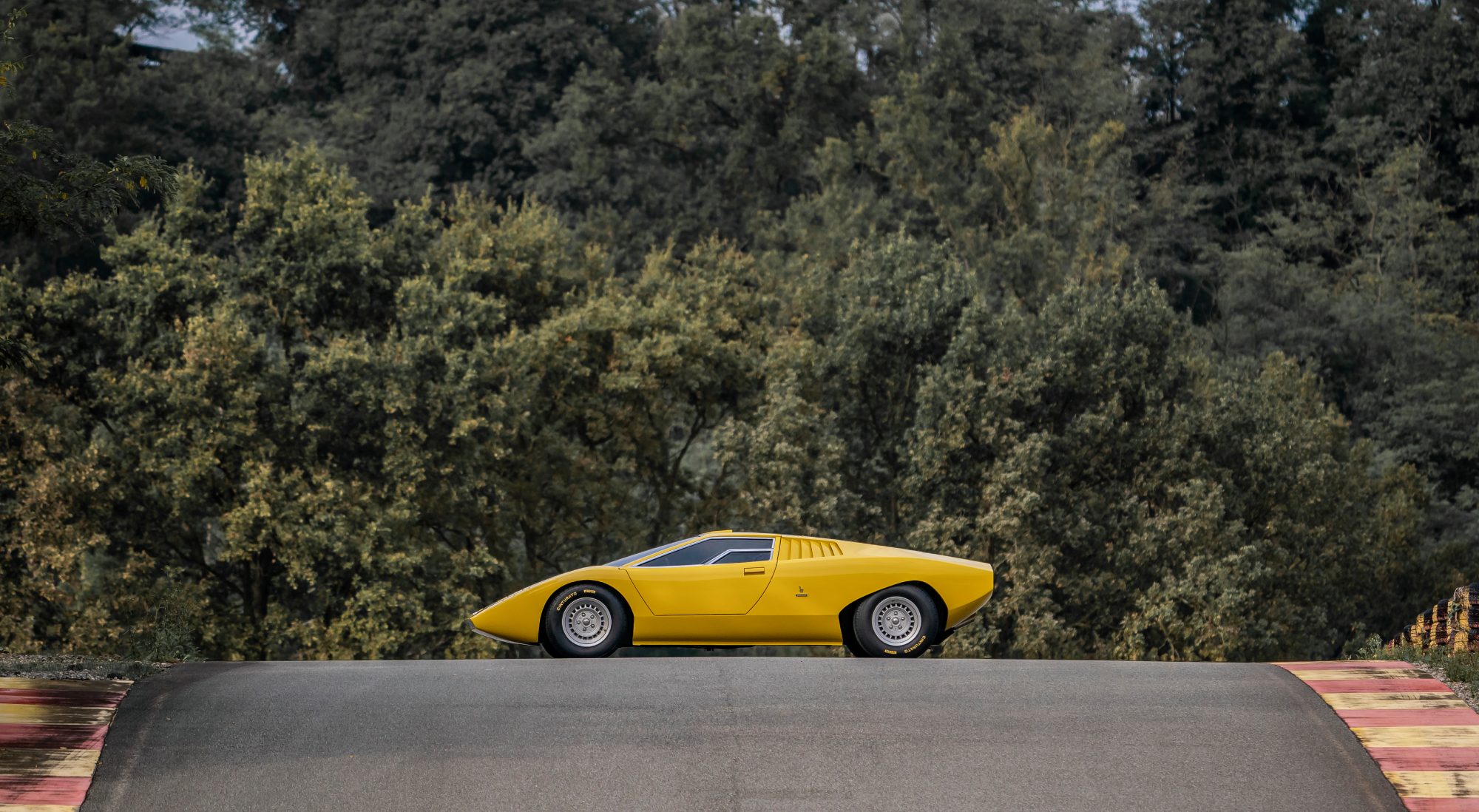
There are cars we recognise by their badges and then there are Lamborghinis. Low, sharp, and dramatic, a Lamborghini announces itself long before it comes into view. Its wedge-shaped silhouette, first seared into the public imagination by cars such as the Countach, has become one of the most enduring visual signatures in automotive design: part spaceship, part sculpture, and fully unmistakable. For Mitja Borkert, design director at Automobili Lamborghini, that recognition is not a matter of simply repeating the past nor replicating a recipe.
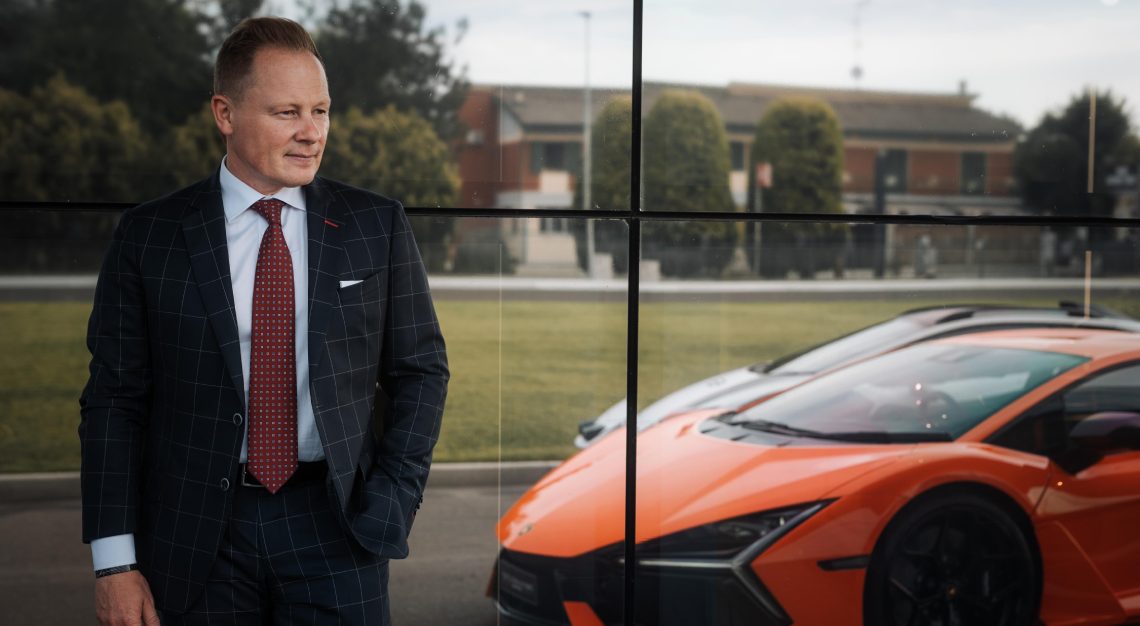
Icons, he argues, cannot be manufactured on command. They earn their status over time, through emotion, memory, and the way people respond to them across generations. The task then is not to preserve the wedge like a relic, but to reinterpret its intent: its tension, proportion, surprise, and theatre, for a new era of poster-worthy sports cars.
Here, Borkert speaks about the enduring power of Lamborghini’s design language, why drama needs to be controlled, and how Sant’Agata continues to make cars that look like they’ve just arrived from somewhere beyond reality.
What makes a car’s design truly iconic?
A car becomes an icon only over time. It’s impossible to simply decide to create an icon. An iconic design goes beyond recognition. It creates emotion that lasts generations and when it has a purity of idea. Lamborghini is the definition of that. It is bold, uncompromising, and instantly understandable, even from a distance or in silhouette. It establishes trends instead of following
them. Most of all, it needs the people who see, judge, and enjoy a car over a period of time to continue finding it relevant, and allow it to impact their personal perception.
Lamborghini’s wedge-shaped cars have one of the most distinctive silhouettes in automotive design. What makes that design language so powerful and enduring?
It was completely unexpected. Imagine seeing a Countach for the first time in the 1970s and asking yourself: is this a car or a spaceship? It broke every convention people had about automotive design. That element of surprise made it iconic in the purest sense.
In broader design, it is similar to objects such as Philippe Starck’s juicer or the Bialetti coffee maker. They are not just functional. They are bold, recognisable statements that remain powerful over time.
How do you decide what must remain untouched when evolving an icon for a new generation?
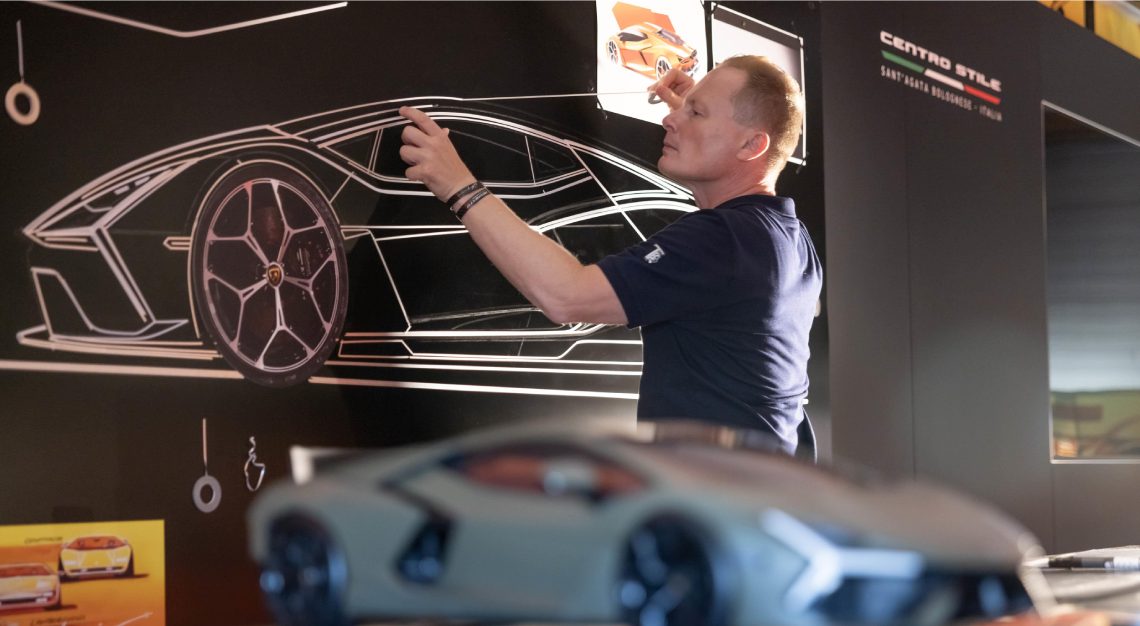
You must first understand the DNA at its deepest level. Not the superficial elements, but the principles behind them. For Lamborghini, it is about proportions, stance, and emotion.
We don’t only preserve the shapes, we preserve their intent. The extreme, cab-forward proportion, the low nose, and the tension in the surfaces are things that cannot disappear, but how they are expressed must evolve with time and technology.

Is there an overarching Lamborghini design philosophy that has remained consistent through different eras of the brand?
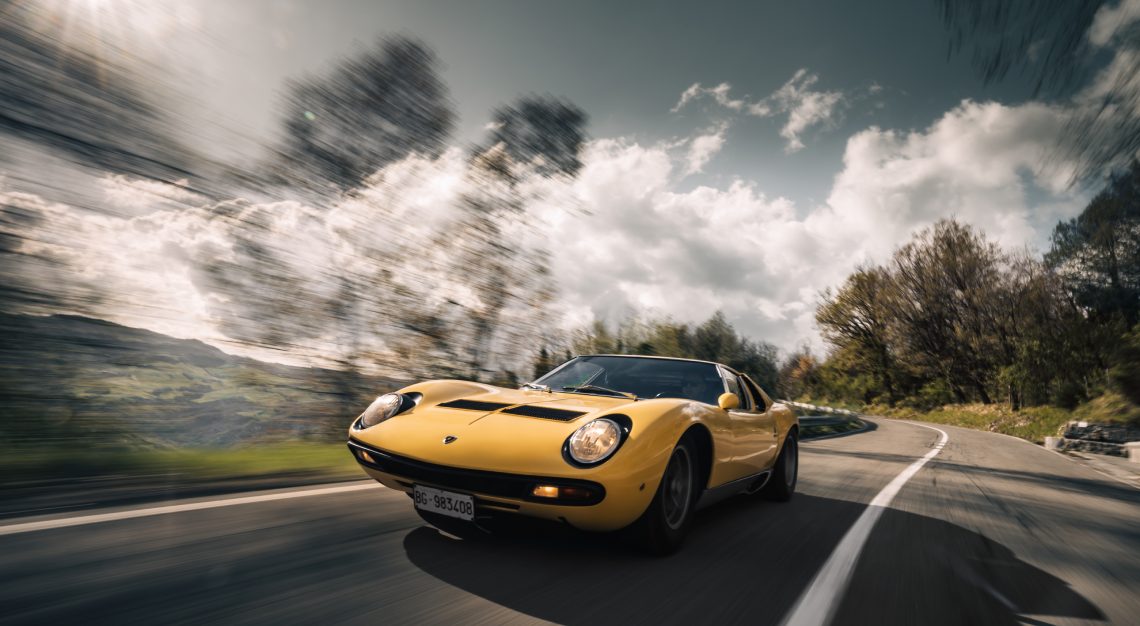
I think there is one, which is ‘expect the unexpected’. From the very beginning, Lamborghini has never followed conventions. When others were thinking in one direction, Lamborghini deliberately chose another.
You see it with cars like the Miura and the Countach. Each of them challenged what a super sports car should be. This mindset is still at the core of what we do. We are here to surprise, to create emotion, and to push boundaries.
Lamborghini’s brand identity is rooted in drama. What is the strategy for keeping that signature flair contemporary yet controlled?
Drama must always be controlled. It is like architecture or fashion: the strongest designs are not the loudest, but the most precise. We focus a lot on tension and balance. Every line must have a reason. Every surface must interact with light in an intentional way. If you add too much, you lose clarity. True drama comes from contrast: between light and shadow, sharp and sculpted, simplicity and complexity.
Lamborghini has always been associated with poster- car fantasy. Does that emotional, almost theatrical role influence the way you design cars today?
I think that as long as kids around the world dream of driving a super sports car, and they dream of a Lamborghini, then a company like ours has a future. Because some of those kids, one day, will become our customers.
For this reason, we have a responsibility to keep that dream alive. Lamborghini has always had this almost spaceship- like feeling, something that feels beyond reality, almost from another world. This is something we must preserve, because it inspires future generations.
This story first appeared in the July 2026 issue. Purchase it as a print or digital copy, or consider subscribing to us here