From proportion and presence to the smallest detail, how do emblematic vehicles stay iconic? We speak to Domagoj Dukec, director of design at Rolls-Royce Motor Cars, about the enduring power of a Rolls-Royce
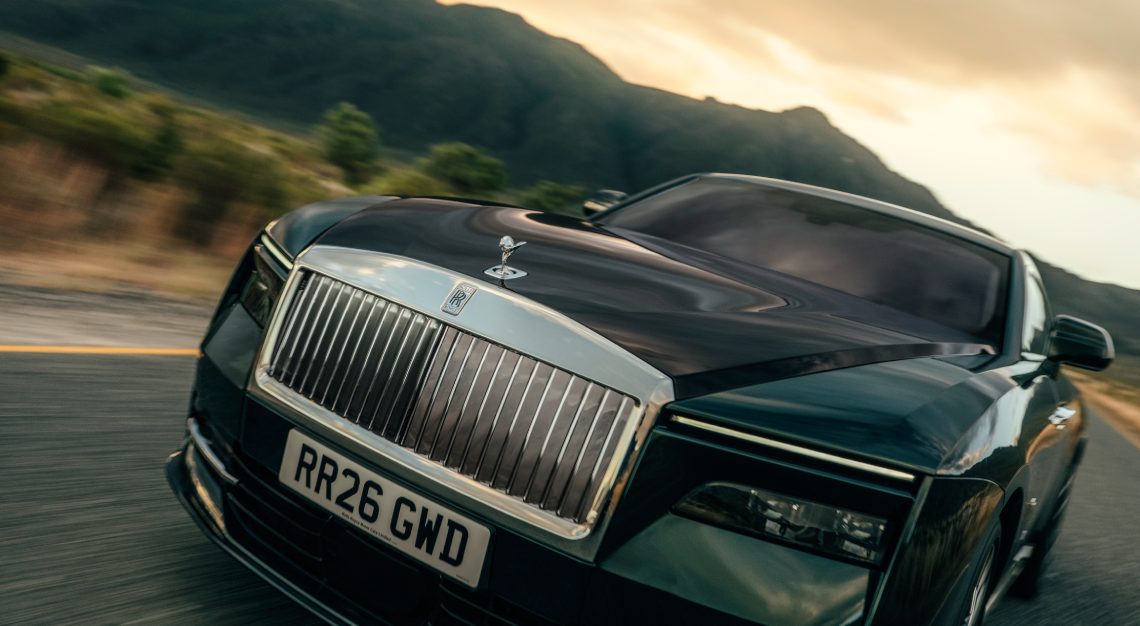
Some cars are recognised by their silhouettes. A Rolls-Royce, however, is often recognised by ritual. The upright Pantheon grille, the long bonnet, the Spirit of Ecstasy poised at the prow, the quiet authority of its stance—these are not isolated flourishes, but design codes that have entered the marque’s cultural memory.
For Domagoj Dukec, director of design at Rolls-Royce Motor Cars, timelessness is not a vague pursuit but a discipline. “At this level, every surface, every proportion, every choice of material must justify itself, not against this season’s expectations but against eternity,” he says.
At Goodwood, heritage is not treated as a constraint, but as a framework for refinement. The grille may be illuminated for the electric era; the Spirit of Ecstasy may be reinterpreted for a more understated age; silence itself may become a design material. Yet the ambition remains consistent: a Rolls-Royce must feel deeply human, highly personal, and unmistakably itself.

What does an iconic car mean to you?
A design becomes iconic when it transcends function and enters the realm of cultural memory. It is not defined by a single detail, but by a coherent composition: proportion, stance, and presence that is instantly understood.
A successful car might be widely sold; a recognisable car might be distinctive for a season. But an icon carries emotional memory across generations. People who have never sat inside a Rolls-Royce can still close their eyes and picture one because iconic design operates at the level of feeling, not merely at the level of detail.
Rolls-Royce is one of the few marques whose identity can be recognised through individual elements. How do you define the core design codes of Rolls-Royce today?
That is one of the most extraordinary things about Rolls-Royce as a design challenge: the identity is systemic rather than tied to a single silhouette. You can look at a Phantom, a Cullinan, or a Spectre—three very different forms of motor car—yet there is no ambiguity about what they are.
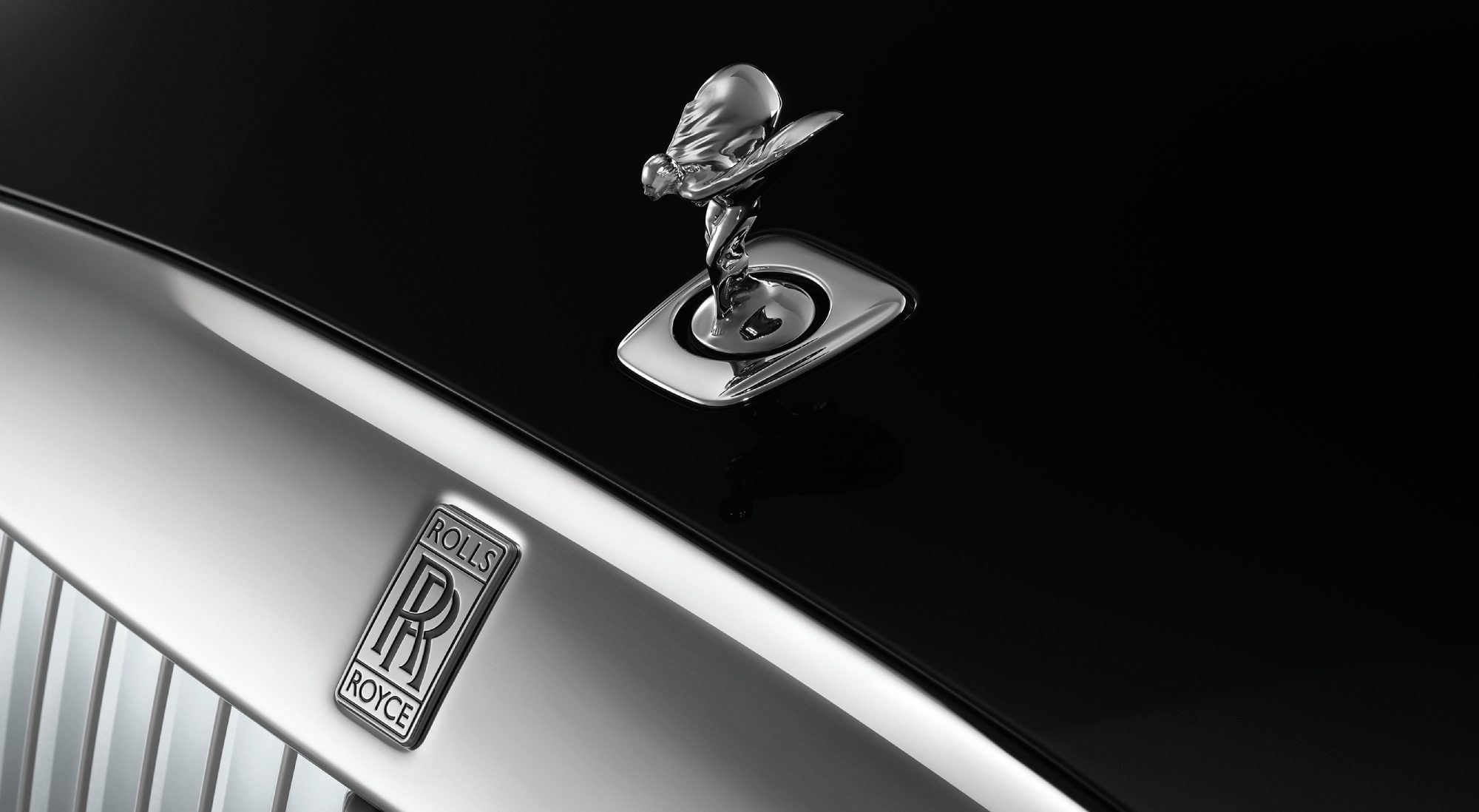
The core design codes begin with architecture. The upright Pantheon grille sets the face, stance, and authority of the motor car. Then there are the three defining lines: the waft line, the waistline, and the silhouette. And above all, there is the Spirit of Ecstasy—not merely a mascot, but a declaration of intention.
The Spirit of Ecstasy is both a mascot and a sculpture. What role does such an almost ceremonial object still play today?
The Spirit of Ecstasy remains profoundly important because she represents the emotional and artistic dimension of Rolls- Royce. She has been reinterpreted many times, adapting to each era without losing what is essential to her identity.
She remains as a living statement that this marque believes in beauty, in the physical, in the handcrafted, and in the permanence of things. In a landscape of simplification, the Spirit of Ecstasy asks a different question: why simplify when you can elevate?
Bespoke is now central to the Rolls- Royce experience. How do you preserve a coherent Rolls-Royce design identity when each client may have a very personal vision of luxury?
Bespoke is not a departure from design identity. It is the fullest expression of it. When a client commissions a bespoke Rolls-Royce, they are not asking us to make any car they can imagine. They are asking us to make the most personal possible version of a Rolls-Royce.
The marque’s identity is the framework within which personalisation becomes meaningful. The exterior proportion, architectural language, and relationship between elements are never negotiated away. What is personal is the layer above this foundation: colour, surface treatment, material choices, and one-off details. Every bespoke motor car is unique, but always unmistakably a Rolls-Royce.
This story first appeared in the July 2026 issue. Purchase it as a print or digital copy, or consider subscribing to us here