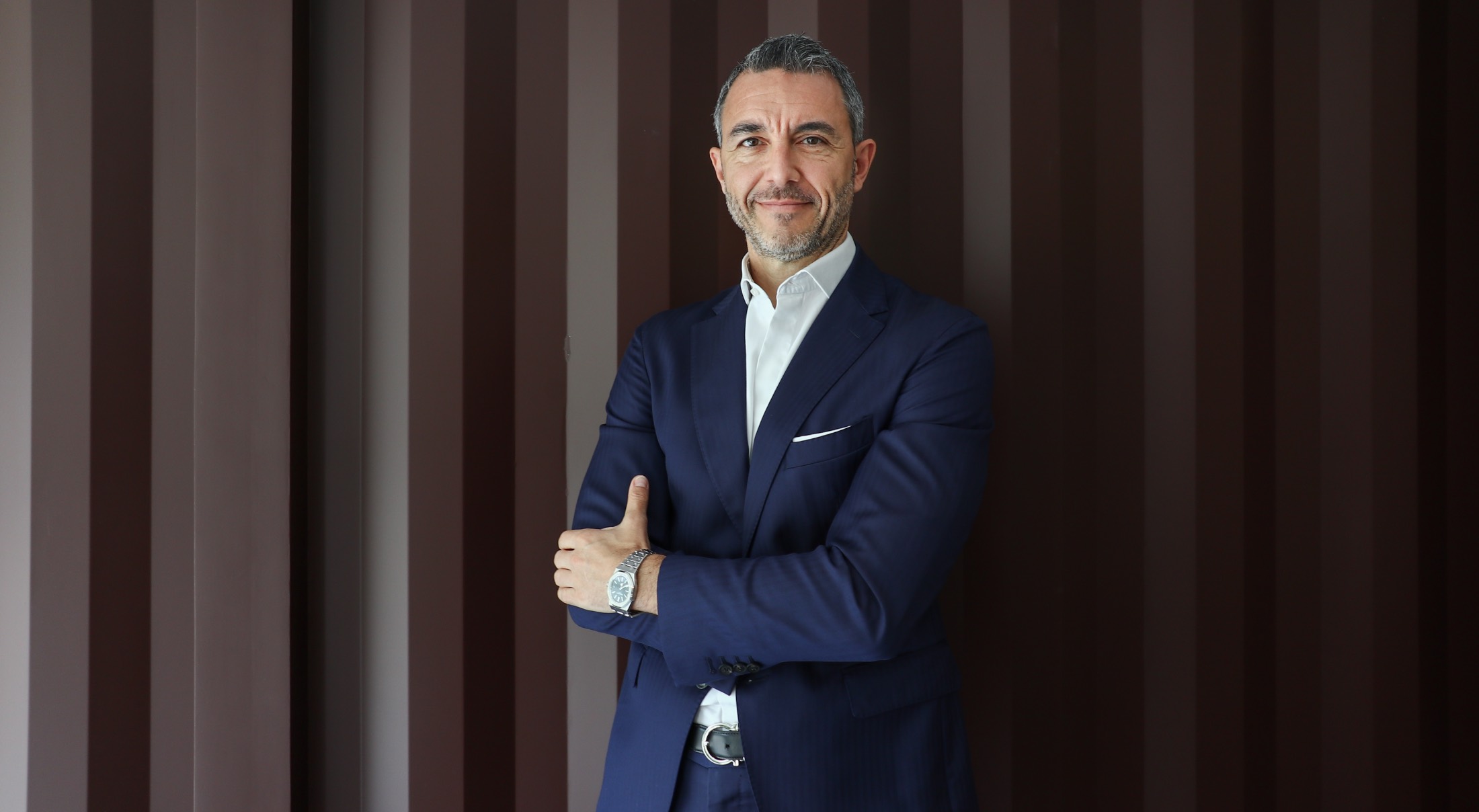
As Sanlorenzo marks a decade at the Singapore Yachting Festival, CEO Daniele Lucà reflects on the shipyard’s growing ambitions in Asia-Pacific, the role of Simpson Marine, and why Singapore remains at the heart of the region’s evolving cruising culture
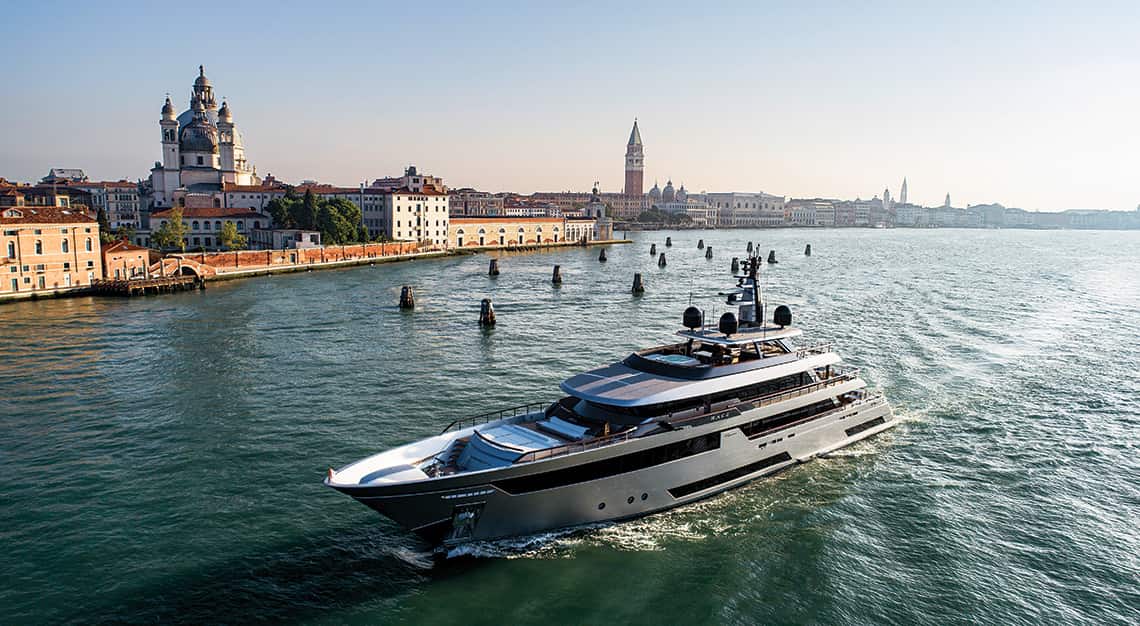
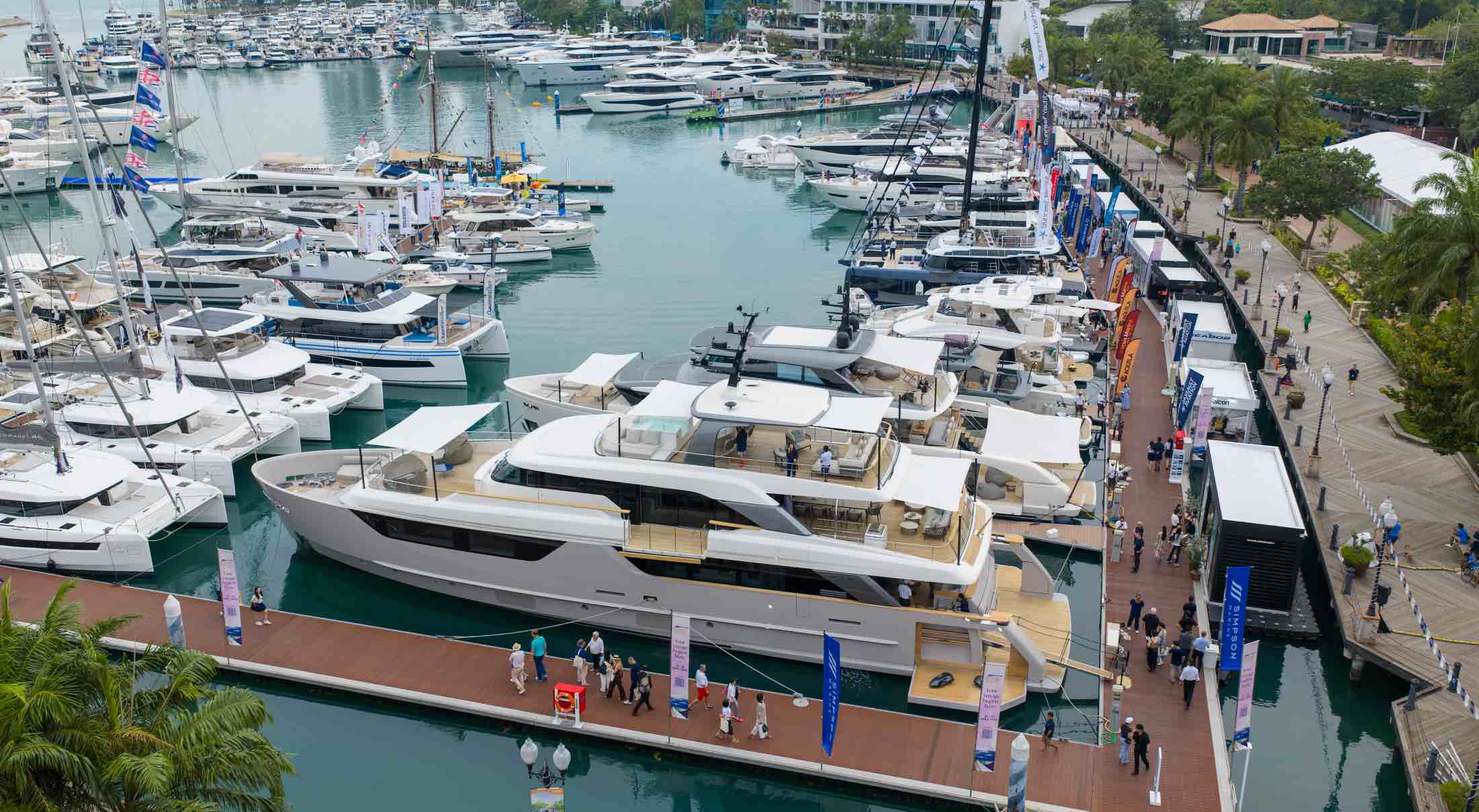
Sanlorenzo’s 35.75m SD118 is difficult to miss. Even in a marina crowded with sun-drenched, exquisite vessels at the Singapore Yachting Festival in April, the semi-displacement yacht’s sheer scale commands attention. It is aboard this boat that I sit down with Daniele Lucà, CEO of Sanlorenzo Asia-Pacific and Simpson Marine.
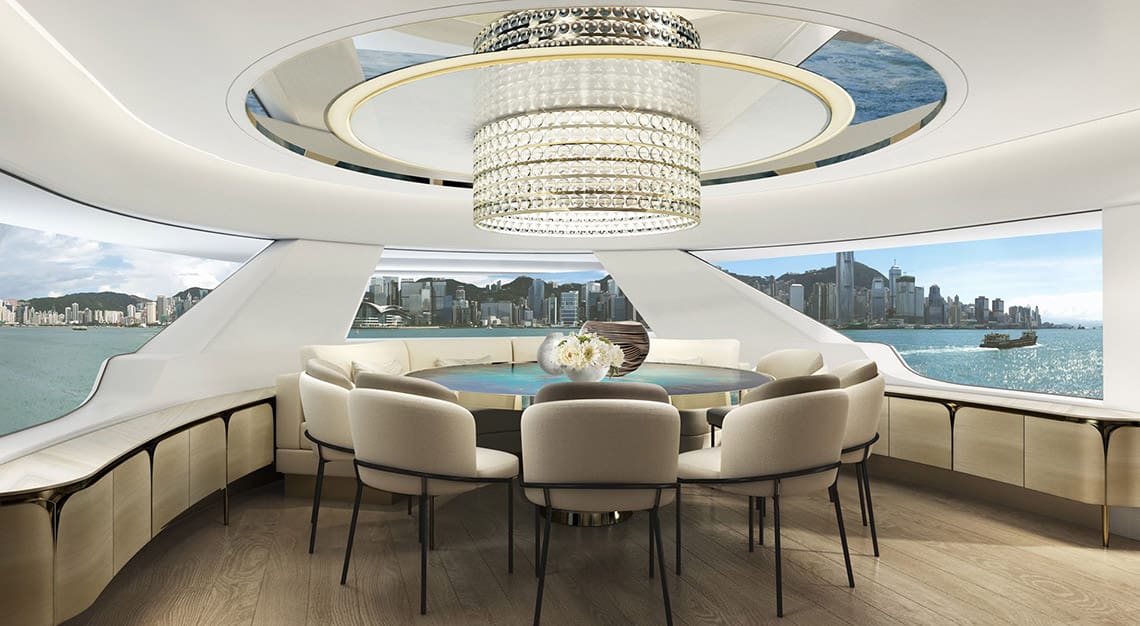
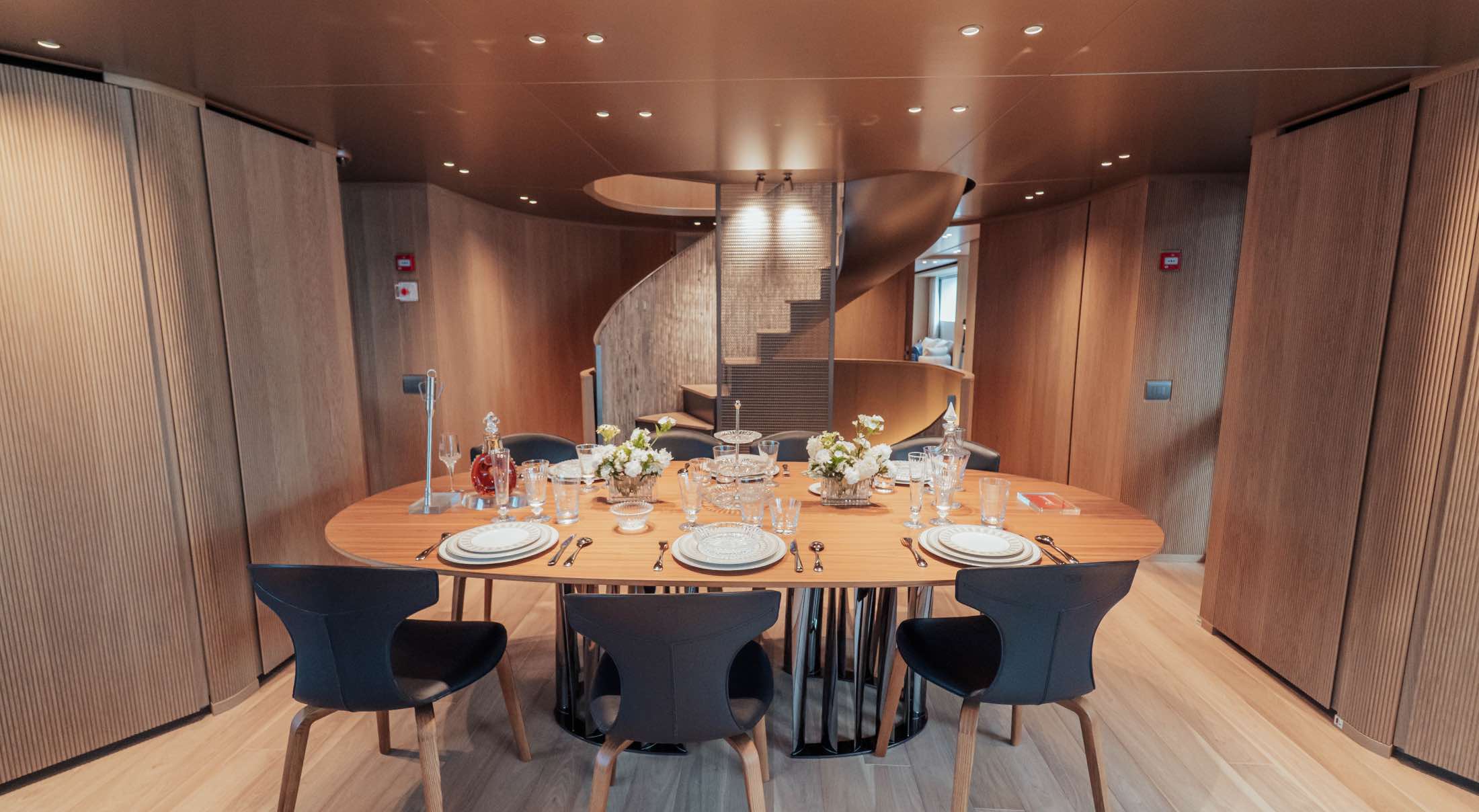
Dressed impeccably in a suit despite the sweltering heat, Lucà tells me the SD118 isn’t a toy, but a “floating home”. Then, as if to illustrate the point, he leads me up the vessel’s winding staircase to the upper deck, where we continue our conversation in the salon overlooking the marina.
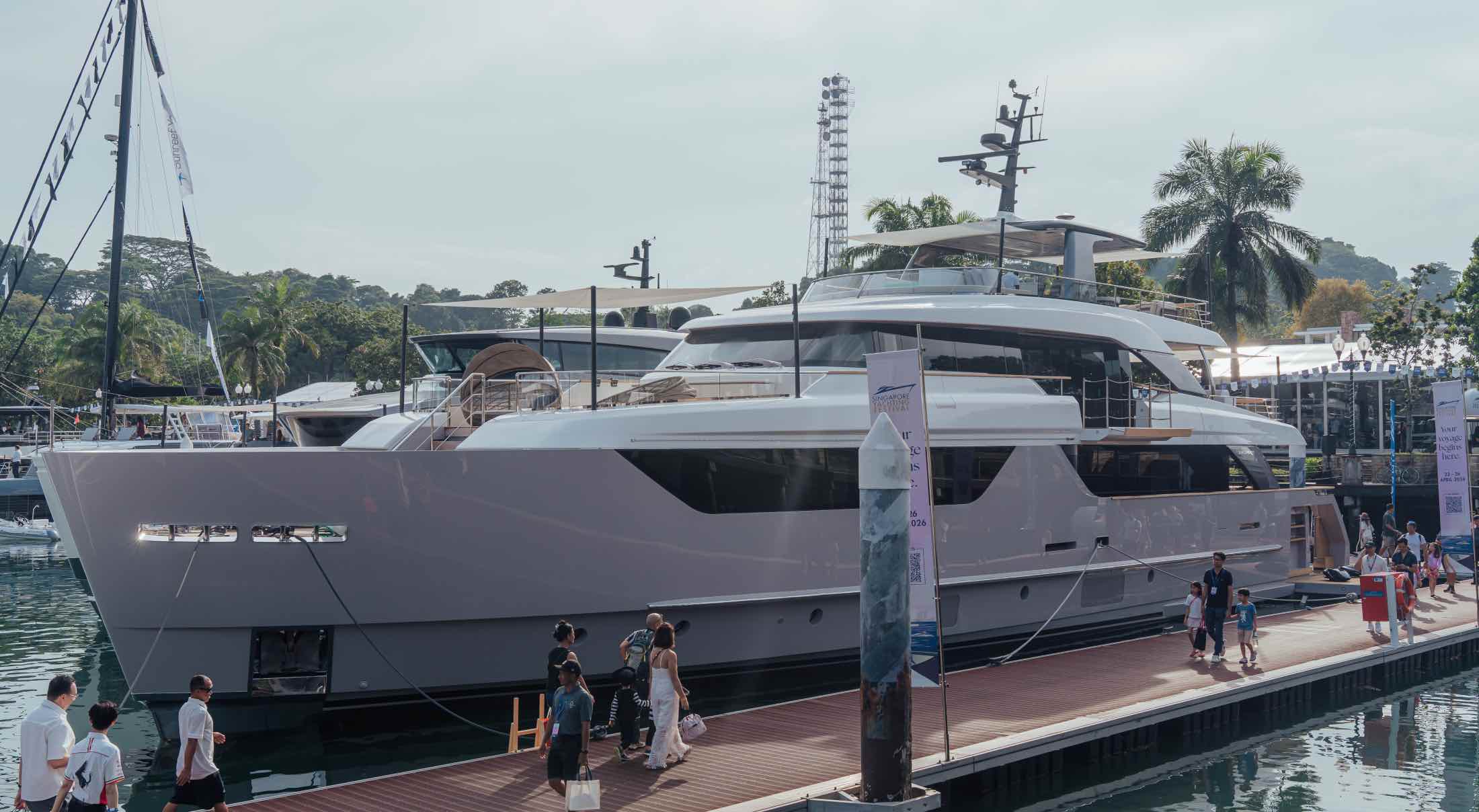
While intuitive, stylish, and sophisticated design has long been synonymous with Sanlorenzo, seated aboard the SD118, it is difficult not to wonder how a yacht of this scale fits into Singapore’s yachting landscape.
The city-state has traditionally been seen as a day-boating market, where yachtsmen cruise to nearby islands for a day out on the water before returning to shore. It is only natural then, to ask: where does Sanlorenzo, with its larger, made-to-measure vessels, fit within that ecosystem?
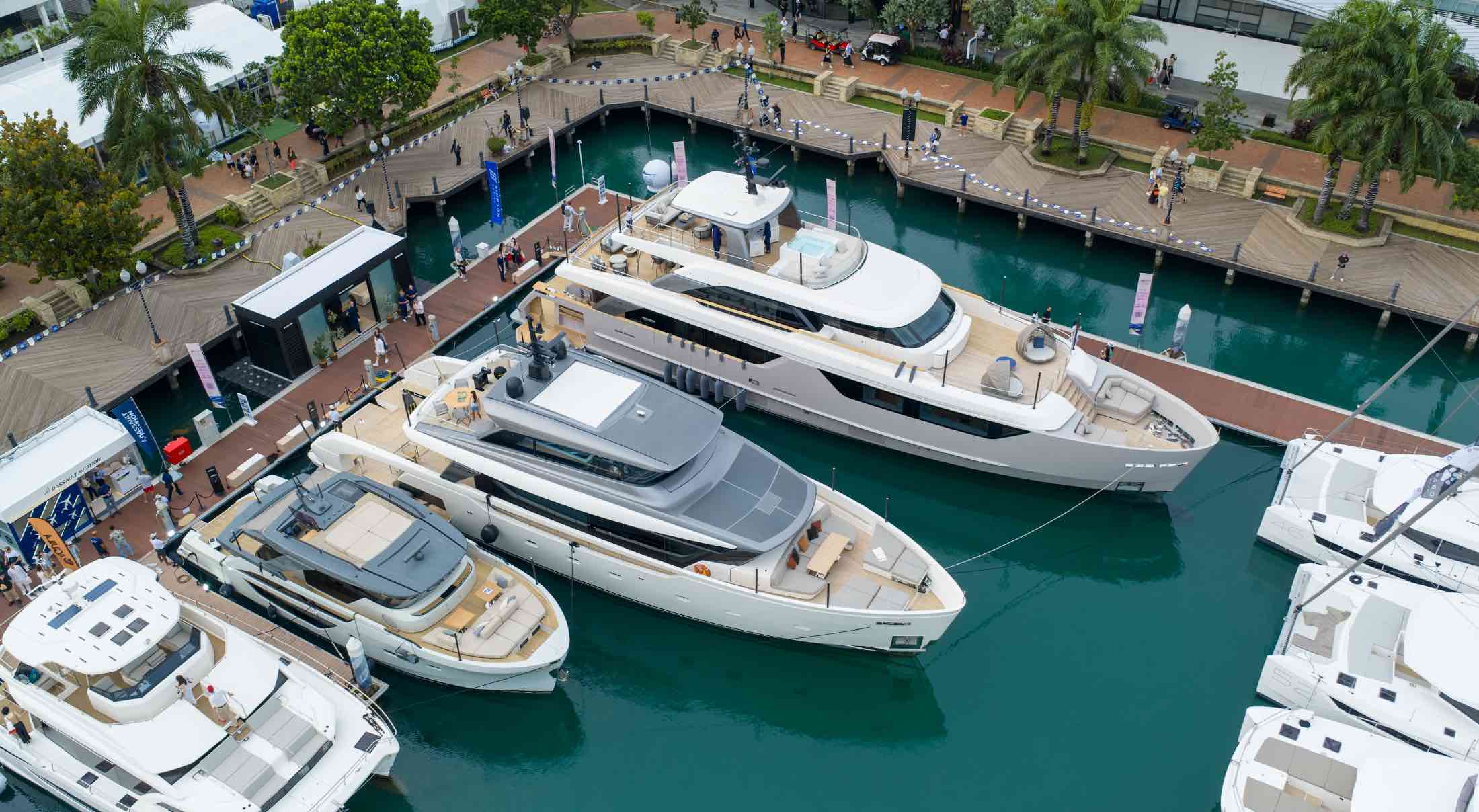
“The way we see Singapore is as a hub for yacht management, a home port,” explains Lucà. “From Singapore, which maybe is the city where you live or where you work, you can go to Indonesia or Malaysia, and you can even go to Thailand with our superyachts. But because of the quality of the infrastructure here, the base is Singapore.”
Strategic Partnership
It is a perspective that says much about Sanlorenzo’s ambitions in the region. Since taking on the role of CEO of Sanlorenzo Asia-Pacific and Simpson Marine following Sanlorenzo’s acquisition of the latter in 2024, Lucà has found himself at the helm of a potent pairing: a world-class Italian shipyard renowned for its design and craftsmanship, and a long-standing brokerage with decades of regional expertise and an established presence across Asia-Pacific. For Lucà, that local understanding is indispensable.
“Asia-Pacific is full of diversity,” he says. “That’s why we needed Simpson Marine. As a major player in the industry, they have the local experience, the knowledge, and a large portfolio of relationships. The idea is to consolidate the relationship between Simpson Marine and Sanlorenzo, and work with that base to develop Sanlorenzo Asia-Pacific.”
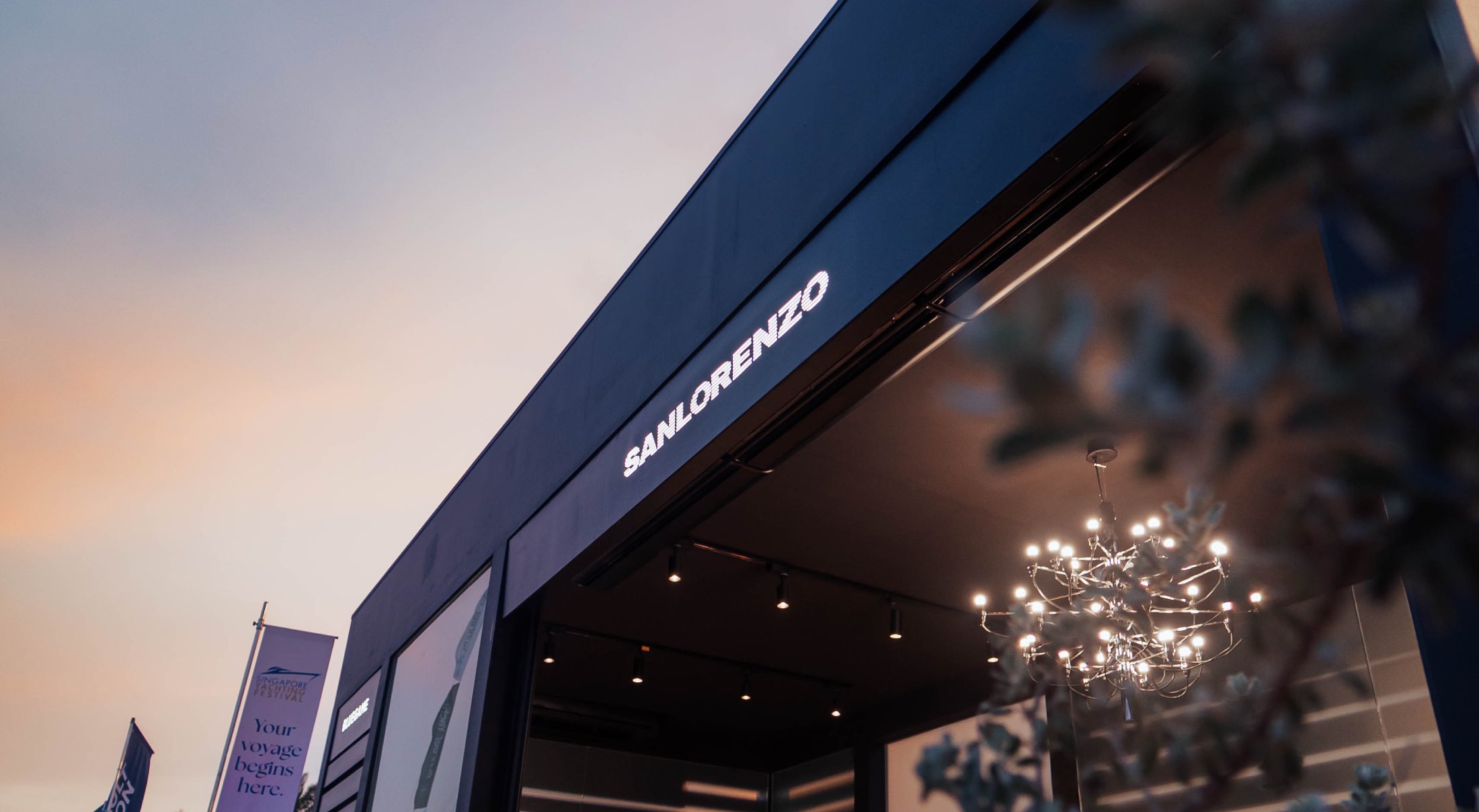
It is an approach that appears to be gaining traction. Sanlorenzo’s Asia-Pacific business recorded growth in 2025, with regional revenues reaching €94.4 million as the company strengthened its footprint across markets including Australia, Japan and Vietnam while deepening partnerships across the region. And with the shipyard celebrating its 10th year at Singapore’s premier yachting event, Lucà believes there is still plenty of opportunity to come from Asia-Pacific.
Referring to the region as both a learning opportunity and a chance for “cross-fertilisation”, he sees enormous potential for growth across Asia-Pacific, though he points out that the region’s yachting infrastructure has room to evolve.
“People are looking for 360-degree experiences,” he says. “In Asia, you have incredible natural beauty but what is missing is the quality of the experience after the yacht. Once you have a high quantity and quality of infrastructure, then the region can become a social hub.”
Still, it appears Lucà and his team are making significant strides in the region. With Sanlorenzo’s distinctly Italian sophistication and craftsmanship paired with deep regional understanding, the brand seems to have found a balance between staying true to its identity and adapting to a market that resists easy definition. This is an approach, Lucà believes, that is crucial to success in the region.
“People are buying authenticity,” he explains. “So from one side you need to be yourself and communicate who you are. But on the other side, you need to be humble and you need to listen to the market. If you don’t match this authenticity while being elastic and adaptable to the local culture, you will never succeed.”
This story first appeared in the July 2026 issue. Purchase it as a print or digital copy, or consider subscribing to us here