This whiskey veers close to the undrinkable but pulls back in the nick of time
Welcome to Taste Test, where every week our critic Jonah Flicker explores the most buzz-worthy and interesting whiskeys in the world.
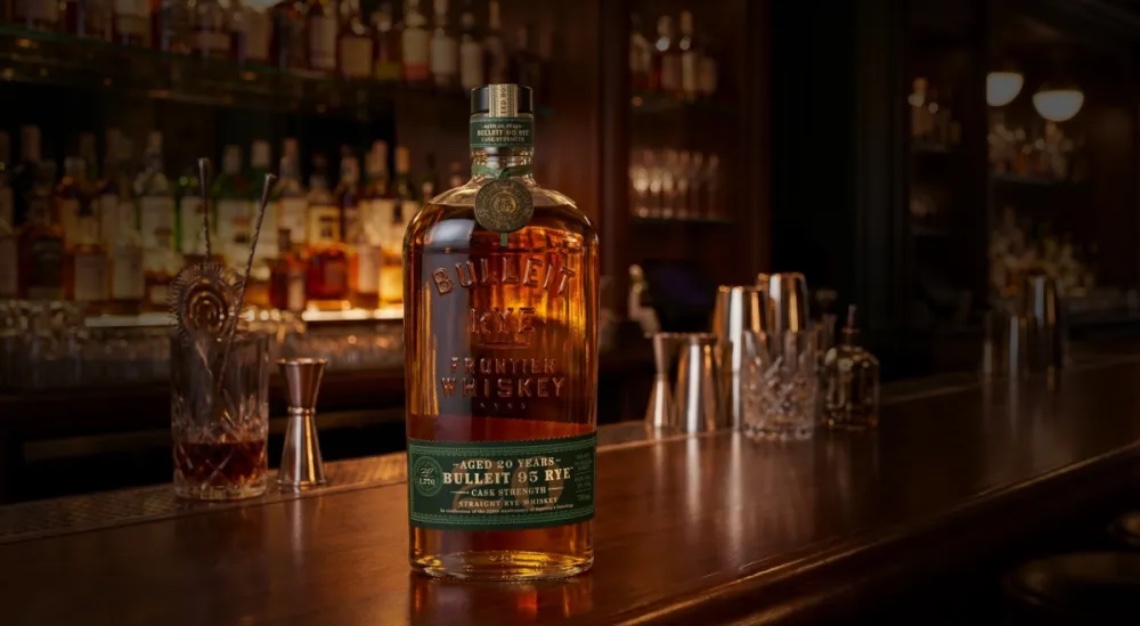
A 20-year-old rye from Bulleit sounds pretty good on paper—whiskey made at MGP from the classic mashbill of 95 per cent rye grain and five per cent malted barley, aged for two decades, released by one of the brands that helped make American rye whiskey popular again. So why not bottle it at cask strength as well, even if that means edging dangerously close to a hazmat level of alcohol? Well, I can think of a few reasons.
If you are even a casual whiskey drinker or have ordered a cocktail at a bar over the past decade, the odds are that you’re familiar with Bulleit. This Diageo-owned brand is easily recognizable for its old-timey bottles that look like they would fit comfortably in an Old West saloon. The whiskey inside is generally good, if not always remarkable—the bourbon is made from a high-rye mashbill that provides a bit of spice (the source has changed over the years, although the brand does now have its own distillery); and the rye is that aforementioned 95/5 recipe from MGP, arguably America’s leading rye whiskey distillery. Over the years, Bulleit has expanded its lineup of “Frontier Whiskey,” as it calls it, releasing cask-strength and age-statement expressions along with a not-so-great American single malt and a much more interesting Mesquite Smoked Malt.
This new 20-year-old rye now stands as the oldest and strongest whiskey to date from the brand. Let’s consider each of those factors separately. I certainly don’t encourage age statement chasing, because when it comes to American whiskey you never know if it’s actually going to be any good after two decades in oak, sweating through hot summers and seizing up during frigid winters. Twenty years is an age statement you’re more likely to find on a bottle of Canadian rye, but that’s usually an entirely different animal. As it turns out, this American rye is still pretty tasty after 20 years in oak, retaining its spice and fruit notes even with a solid amount of tannic oak that has crept into the mix. But then there’s that proof.
If you are even a casual whiskey drinker or have ordered a cocktail at a bar over the past decade, the odds are that you’re familiar with Bulleit. This Diageo-owned brand is easily recognizable for its old-timey bottles that look like they would fit comfortably in an Old West saloon. The whiskey inside is generally good, if not always remarkable—the bourbon is made from a high-rye mashbill that provides a bit of spice (the source has changed over the years, although the brand does now have its own distillery); and the rye is that aforementioned 95/5 recipe from MGP, arguably America’s leading rye whiskey distillery. Over the years, Bulleit has expanded its lineup of “Frontier Whiskey,” as it calls it, releasing cask-strength and age-statement expressions along with a not-so-great American single malt and a much more interesting Mesquite Smoked Malt.
This new 20-year-old rye now stands as the oldest and strongest whiskey to date from the brand. Let’s consider each of those factors separately. I certainly don’t encourage age statement chasing, because when it comes to American whiskey you never know if it’s actually going to be any good after two decades in oak, sweating through hot summers and seizing up during frigid winters. Twenty years is an age statement you’re more likely to find on a bottle of Canadian rye, but that’s usually an entirely different animal. As it turns out, this American rye is still pretty tasty after 20 years in oak, retaining its spice and fruit notes even with a solid amount of tannic oak that has crept into the mix. But then there’s that proof.
This story was first published on Robb Report USA. Featured photo by Bulleit