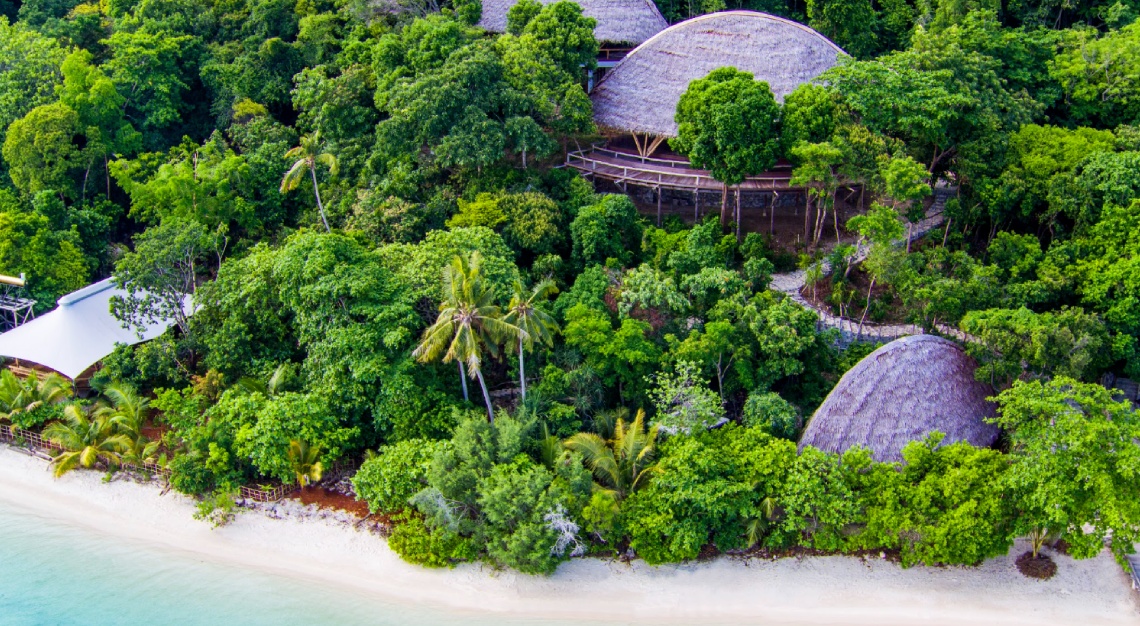
At Bawah Reserve, tucked within Indonesia’s remote Anambas archipelago, conservation makes the case for a different kind of luxury resort hospitality
Reaching Bawah Reserve is a journey by land, sea and air. Despite its relative proximity to Singapore, the island is far from straightforward to reach. Tucked roughly 300km to 390km away in a remote corner of Indonesia’s Anambas Archipelago, the trip begins with a car pick-up from home to the ferry terminal, followed by a 30-minute crossing to Batam and a 75- to 80-minute seaplane flight that lands directly on Bawah’s lagoon.
Rather than feeling laborious, the journey feels like a gradual decompression. Bawah is the kind of place that asks you to slow down, disconnect and surrender to the quiet of its 1,000-hectare marine conservation area. Outdoor adventurers, nature lovers and travellers in search of genuine stillness will find far more here than they expect—just as I did.
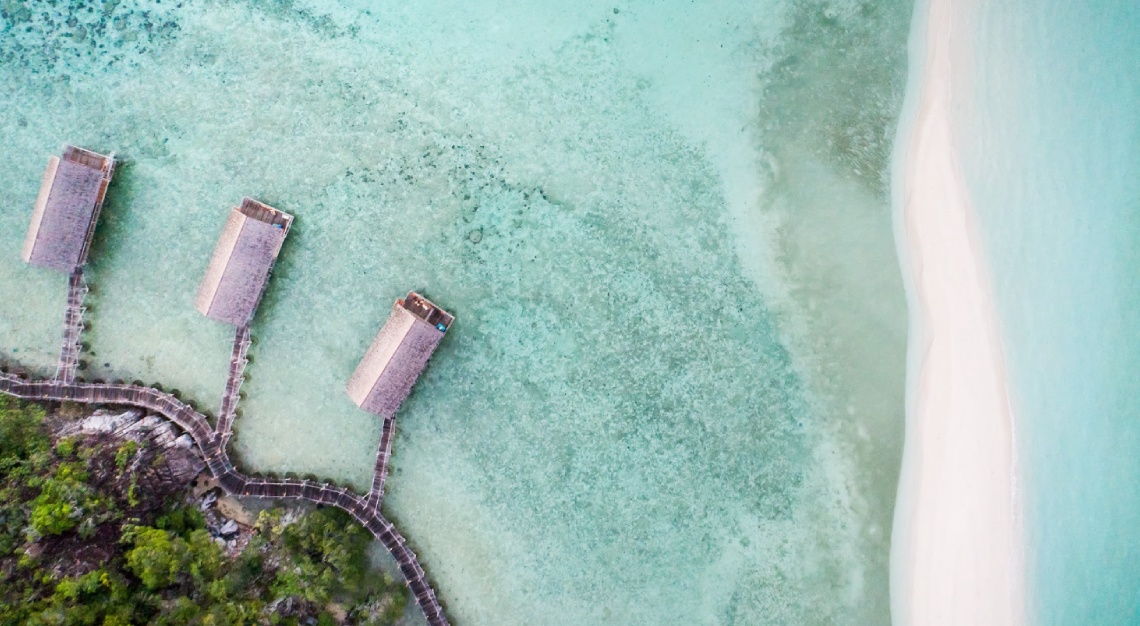
What sets Bawah apart is that the resort was built around the reserve, rather than the other way around. Sustainability is not an add-on; it is the foundation on which the entire experience rests. Guided by an Earth First philosophy, the property balances understated luxury with active conservation, producing an environment grounded in authenticity, attentive service and deep respect for the landscape.
As the seaplane banks towards its landing, the first expression of that ethos comes into view: a floating solar farm shimmering across the lagoon, one of the resort’s most quietly striking sustainability signatures.
Perhaps the most remarkable aspect of Bawah’s story is how it was built. As chief operating officer Paul Robinson explains, the resort was constructed entirely without heavy machinery. Every villa, pier, jetty and back-of-house structure was raised by hand by skilled craftsmen working with traditional techniques. Materials such as bamboo, reclaimed teak, driftwood and recycled copper were locally and ethically sourced, selected specifically for their ability to recede into the surrounding environment.
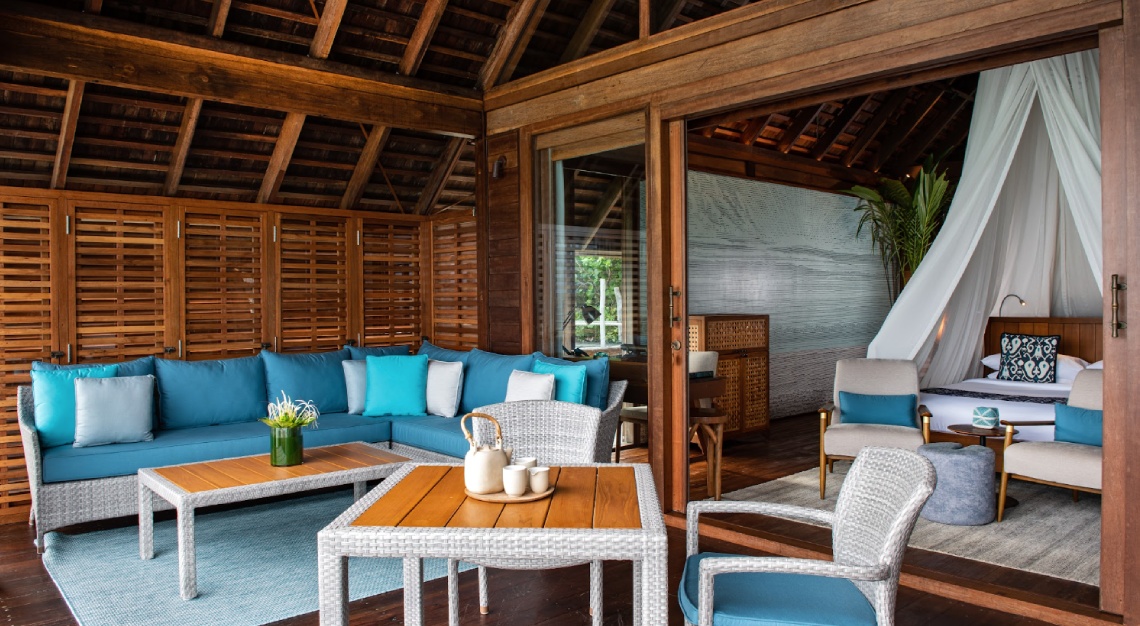
That ethos extends into the guest experience. There are no room numbers at Bawah. Instead, each guest’s name is carved into a wooden plaque mounted on the villa door, which they get to take home as a keepsake. Every guest also receives a copper bottle for refilling throughout their stay, eliminating single-use plastic at a stroke.
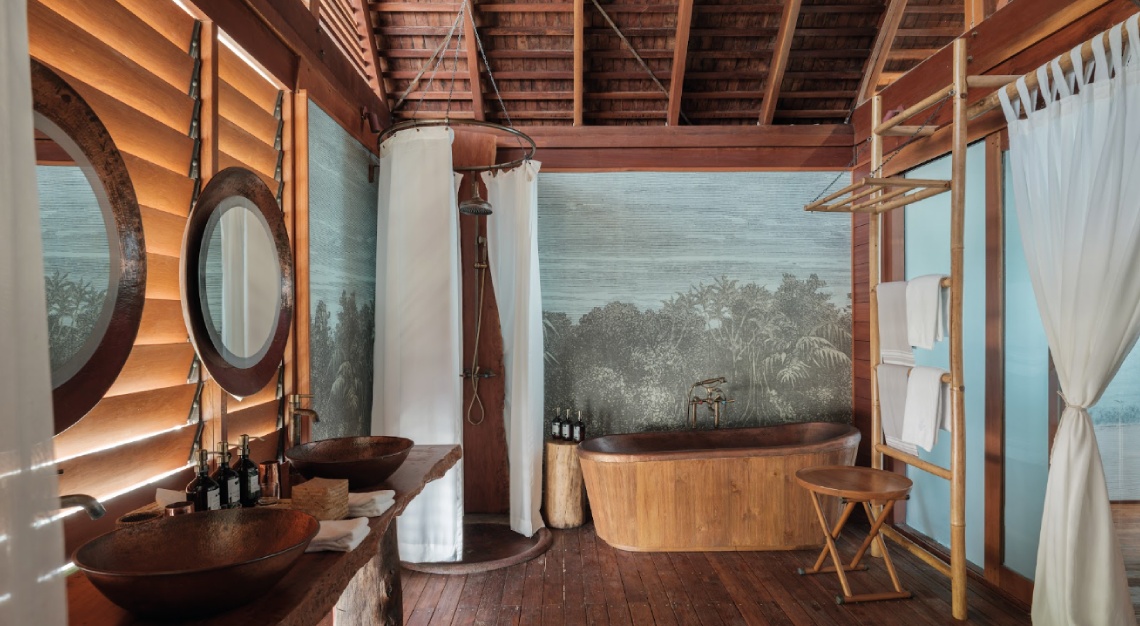
Inside, the spacious villas carry forward the resort’s Earth First design language through hand-crafted hammered copper sinks, soaking tubs and standing showers that feel luxurious without feeling imported. Rainwater is collected from the roofs of staff and back-of-house buildings and stored for later use. A desalination plant produces drinking water via reverse osmosis, microfiltration and nanofiltration, removing the need to import bottled water altogether. Crushed glass from recycled bottles serves as part of the filtration medium.
The resort’s sustainability systems operate comprehensively behind the scenes. Wastewater is collected and treated in dedicated areas, while solid waste is sorted and recycled wherever possible. Together, these systems support Bawah’s wider goal of protecting the fragile ecosystems of the Anambas Archipelago for future generations. The result is what the team describes as a ‘gentle engineering’ footprint—a construction philosophy that has become increasingly rare in luxury resort development.
Life above and below the water
Bawah encourages idleness in the best possible way. It is built for long afternoons spent reading by the sea, writing the novel you have been postponing, or simply sitting with the stillness of nature. Yet there is no shortage of activity for those who are drawn outdoors.
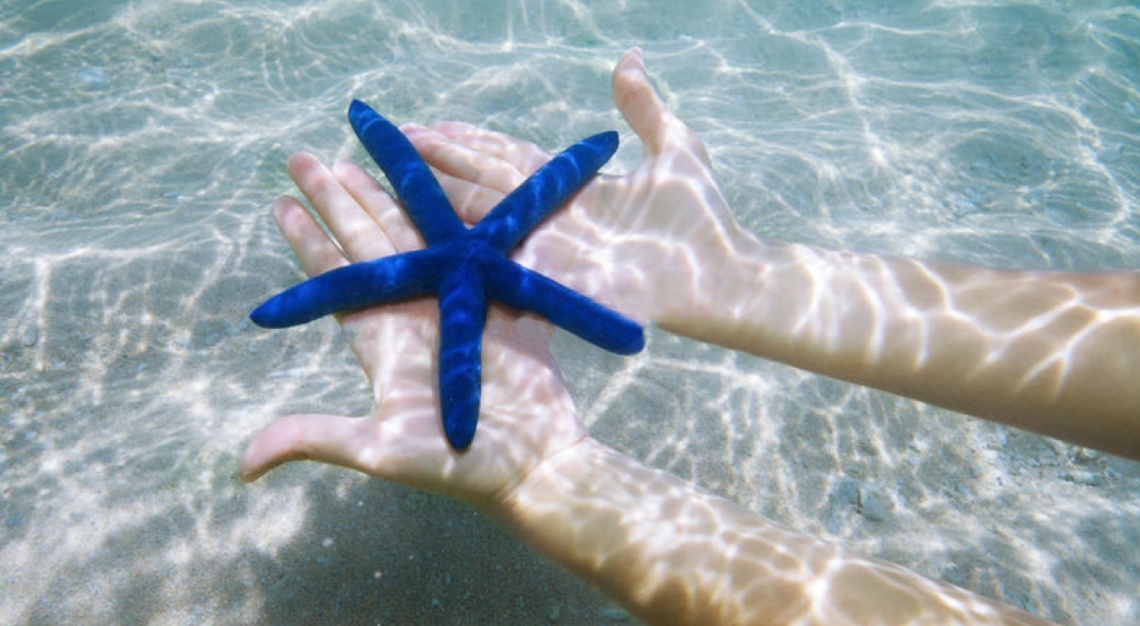
Snorkelling around the island is particularly rewarding. The waters are calm, clear, and rich in marine life. After a short safety briefing, I slip into the sea with my guide and drift among schools of fish. Angelfish, giant bumphead parrotfish, clownfish, trevally, blue starfish and harmless blacktip reef sharks move unhurriedly around us as the sounds of the outside world dissolve entirely.
What I am most hoping to encounter, however, are the endangered hawksbill turtles. One swims close enough for me to study its beautifully patterned shell in shades of amber and honey. Hawksbill and green turtles face threats ranging from habitat destruction and plastic pollution to egg poaching and the accelerating effects of climate change. The Anambas Islands provide critical nesting grounds for both species, making the conservation work here especially vital.
Bawah’s marine biologists relocate vulnerable nests to safer areas to improve hatching success rates; the reserve also supports reef restoration, sustainable fishing practices and community education programmes. Guests are introduced to these initiatives through talks and guided experiences that offer a genuine understanding of the region’s fragile marine ecosystem.
This work is carried out through the Anambas Foundation’s turtle conservation programme, which protects nests and assists hatchling releases on Bawah’s beaches. I am so moved by the programme that I adopt a turtle nest. Shortly after, I receive a photograph confirming that a hawksbill turtle had laid 100 eggs, along with a livestream link to watch the hatchlings make their way to the sea. What follows is unexpectedly moving: baby turtles scrambling across pale sand beneath a sky full of stars.
Away from the water, I join a jamu health tonic workshop exploring the tradition of Indonesia’s herbal medicine. Rather than one fixed recipe, jamu is an entire family of tonics tailored to aid digestion, boost energy, immunity and overall well-being. For centuries, women known as jamu gendong have prepared the drinks fresh each day, grinding spices by hand before selling them in markets or door-to-door.
Spread out before me are glass bottles filled with turmeric, ginger, tamarind, lemongrass and other herbs, giving the set-up the feel of an old apothecary, alongside a traditional mortar and pestle. Forget blitzing everything in a blender: this requires genuine physical effort. Guided by a warm and patient instructor, I learnt to make Wedang Secang, traditionally used to soothe upset stomachs, and Pahitan, a bitter tonic believed to support immunity. A small book of recipes is pressed into my hands before I leave, an invitation to continue the practice at home.
Bawah Reserve feels less like a resort and more like a small, self-contained world where time moves at its own pace. I arrived for the castaway fantasy and the overwater sunsets, but what I carry home is something less easy to name: the sense of having been inside a genuinely different way of thinking about what luxury, in good conscience, feels like.
This story first appeared in the July 2026 issue. Purchase it as a print or digital copy, or consider subscribing to us here