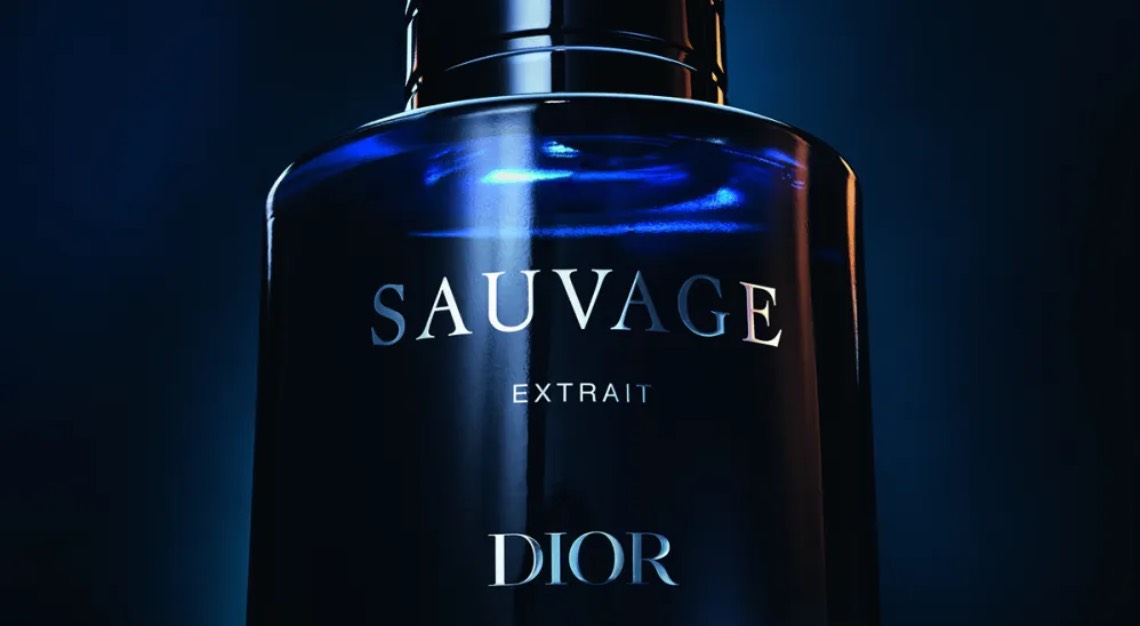
The new Sauvage Extrait brings a sixth distinct scent to the world’s most popular fragrance family
For most fragrance houses, a successful men’s scent eventually becomes a collection of flankers. Some are worthwhile, but many exist simply because the original sold well enough to justify yet another launch. Dior, however, has become the blueprint for how luxury brands should build out a fragrance franchise.
With the arrival of Sauvage Extrait this week, Dior has expanded its bestselling men’s fragrance into a fifth successor, each broadening the identity of the Sauvage landscape (rather than competing with the original itself). And as Sauvage’s first oud-powered fragrance, Extrait pushes that landscape into its darkest, richest, and most concentrated territory yet.
It still smells unmistakably like Sauvage, but its signature brightness gives way to a creamier blend of woods. The resulting projection is both restrained and far-reaching; it casts an enormous radius but never feels like it reaches for the “beast mode” territory so many juiced-up flankers try to hit. That secret-weapon oud knows exactly the role to play in perfumer Francis Kurkdjian’s formula, preferring sophistication over exclamation.
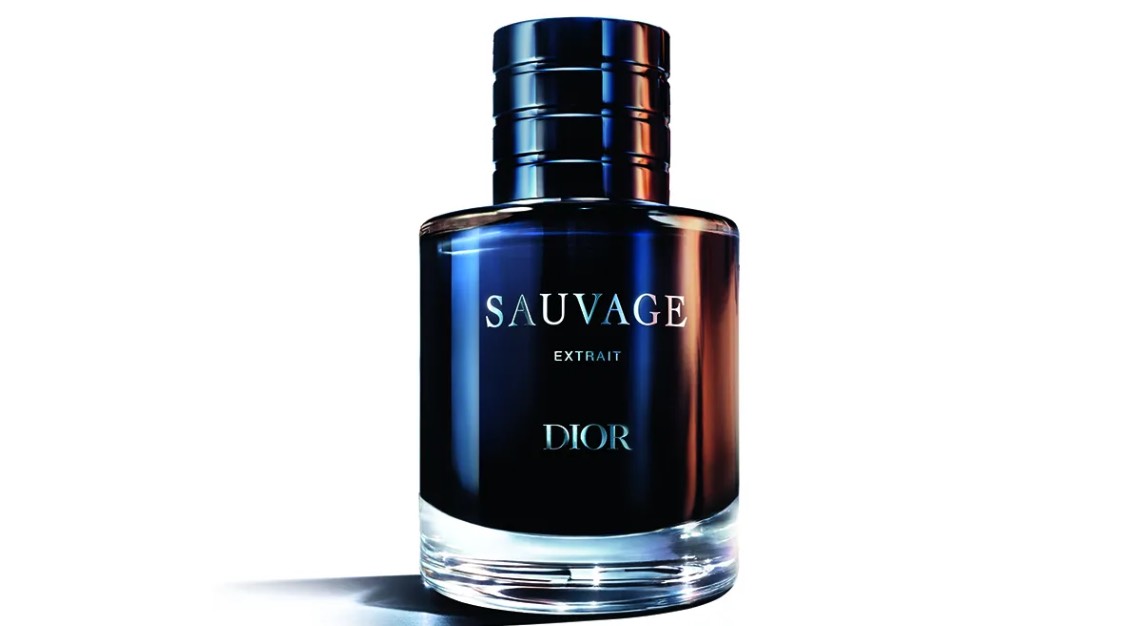
Dior’s men’s fragrance business revolves around two modern pillars—Sauvage and Homme—and the prolific Kurkdjian thinks about the two pillars as neighbouring territories. Sauvage is expansive, elemental, and deliberately straightforward. Dior Homme is more urbane, intimate, and nuanced, he explained to us at a press event for Extrait last month. The two are separated by “a frontier” that should never be crossed.
That means each new Sauvage has to feel unmistakably like Sauvage, even as it explores new ground. Until now, the franchise had never fully embraced wood as a defining characteristic. Kurkdjian wasn’t interested in making another spicy Sauvage; Elixir had already claimed that territory. Instead, he saw an opportunity to deepen the fragrance through wood (namely oud) as the structural element.
“The idea with wood was to bring something raw, straight to the point, and dramatic,” Kurkdjian says. “Sauvage isn’t about being disruptive. It’s more about raw masculinity.”
At high levels of perfume oil concentration, though, getting many forceful materials to sit together cleanly is what takes expertise and time. Extrait’s recipe took months to perfect, and Kurkdjian’s team of chemists experimented with different maturation schedules to produce the final result. That meant once the final aromatic concentrate was completed, he allowed it to rest.
“We compared three weeks to two weeks, to one week, to zero maturation,” he says. They then repeated the same process during maceration, continuing until the fragrance reached what he describes as a plateau, at which point additional time no longer improved it. The final timeline takes a full six weeks.
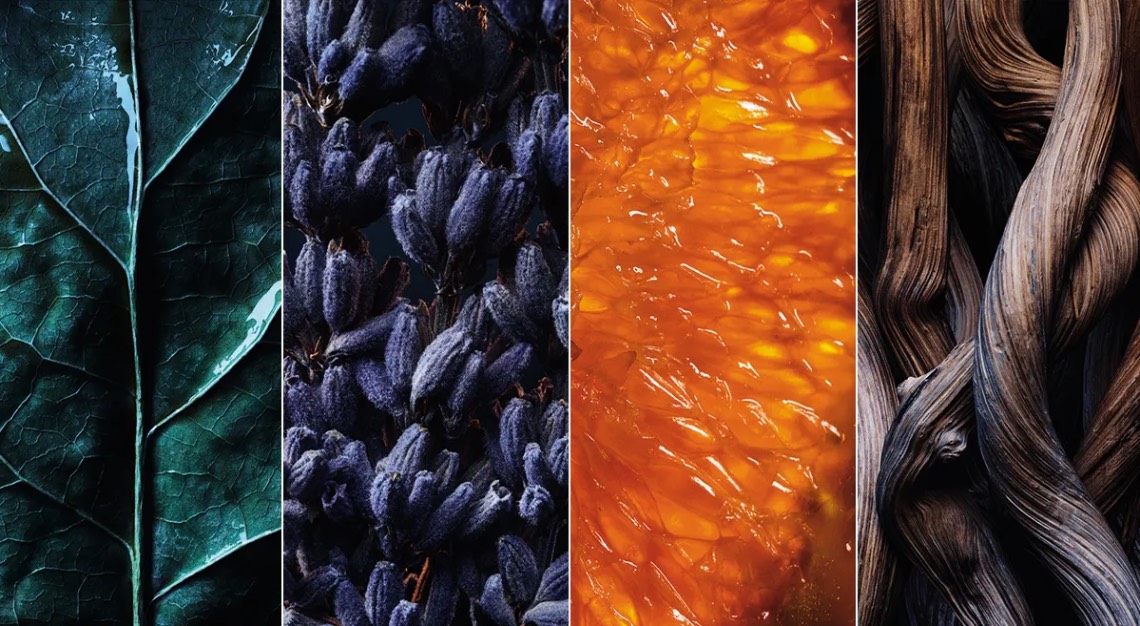
Kurkdjian compares it to ratatouille. Fresh from the pot, he says, the vegetables still taste distinct; a day or two later, the dish has settled, and the flavors have folded into one another. Perfume behaves similarly. “When it’s freshly made, everything spikes,” he says. “You can smell the bergamot, the lavender, the ingredients next to each other. It’s disheveled.” During maturation, those edges soften. “The alcohol embraces the perfume. It gives light and expands it.”
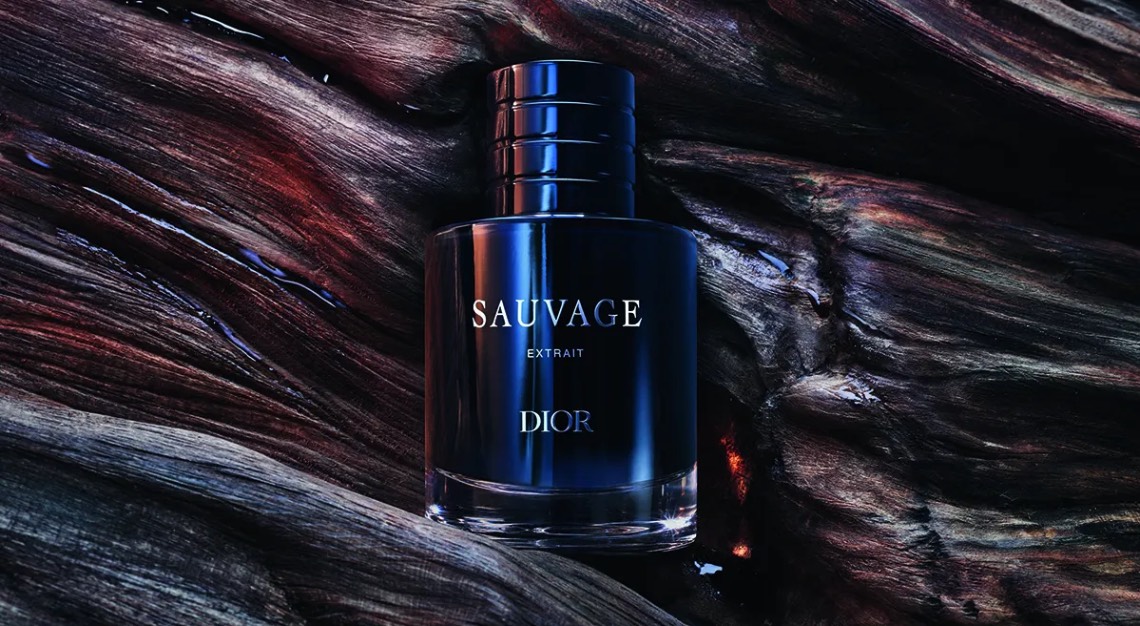
That patience pays off in the way Extrait wears so richly, albeit noticeably softer and more enveloping than its raw materials read on paper. Kurkdjian conceived it as a counterweight to the very sweet and spicy Elixir, and as another option for the wearer who wants Sauvage’s full rousing potential, but with executive muscle. “I think it was time to add a new pillar to the Sauvage line,” he says, “to move away from the sweetness and bring that woodiness and depth.”
Kurkdjian believes the most successful fragrances often sit “at the edge of love-hate,” where their force is part of the attraction. “I hate you, but I love you,” he says. He says that Sauvage Extrait lands right there: muscular and immediate, but warmed and rounded enough to feel intimate, resinous, and almost edible. For me, though, it is squarely in the “love” camp. If we’re rating the entire roster, it is second overall behind the original, but only because it launched an entire franchise. The eau de toilette might be bestselling, but Extrait is best smelling.
This story was first published on Robb Report USA. Featured photo by Dior