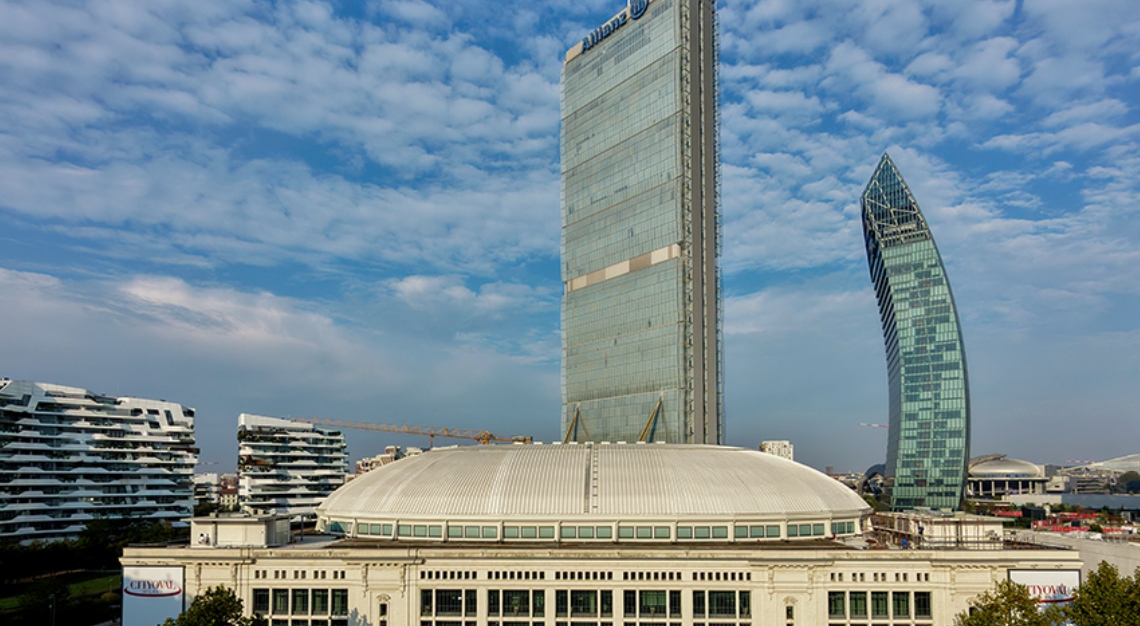
Patek Philippe recreated its home city beneath a 30-metre dome. There were seven limited editions for Italy, treasures from the museum and a preview of the family’s next chapter
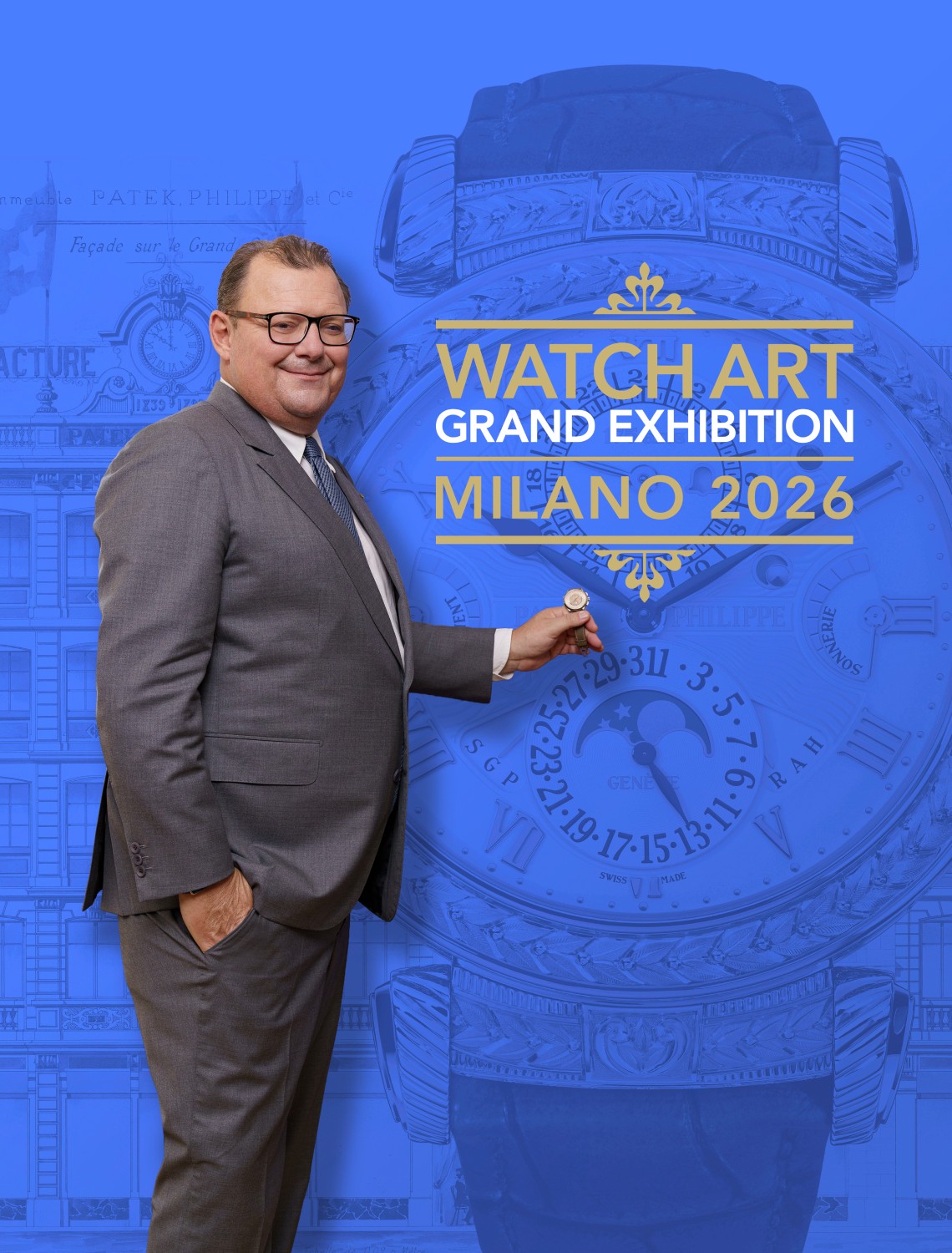
At the opening of Patek Philippe’s WATCH ART Grand Exhibition in Milan, Thierry Stern turned the spotlight on the next chapter of his family’s story. His elder son, Adrien, is being prepared as the fifth generation of the Stern family to lead the house, and Adrien’s younger brother, Tristan, is expected to join the company next year. Speaking to the press, Stern drew a parallel with his own early years at the firm. “His role is to learn,” he said. “His job now is to observe, to listen, to grow and to take over.”
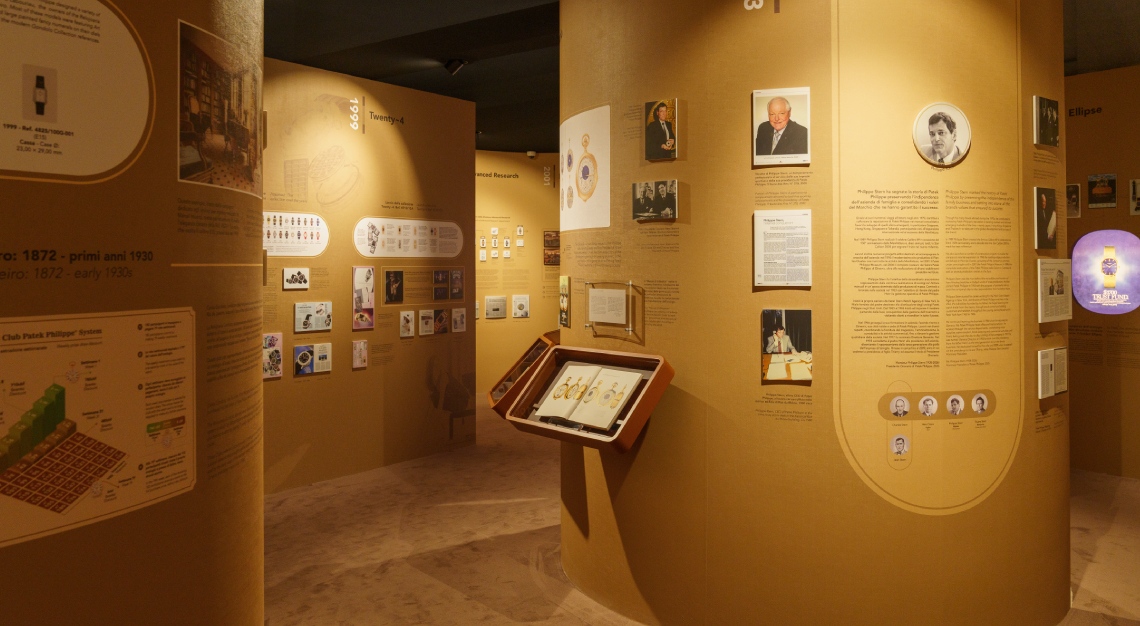
It was a fitting moment. Elsewhere in the exhibition, the seventh Patek Philippe has staged, sepia-toned photographs and old newspaper and magazine clippings traced the family tree that Adrien will one day join. Owned by the Stern family since 1932, Patek Philippe describes itself as the last independent, family-owned watch manufacture in Geneva. That independence gives it complete creative freedom over timepieces that many specialists regard as the finest in the world.
Exhibitions have long been the house’s way of sharing its passion for fine watchmaking, in keeping with Geneva’s great horological tradition. The WATCH ART Grand Exhibition has grown in scale with each edition, from Dubai in 2012 to Munich in 2013, London in 2015, New York in 2017, Singapore in 2019 and Tokyo in 2023.
Milan was a natural next stop. Italy has always been one of the manufacture’s key markets: a nation of connoisseurs who treasure rare craftsmanship and recognise the technical mastery and painstaking work inside a fine timepiece.
With each edition held in a city with its own culture, you might expect every grand exhibition to tell a different story. Stern disagreed. In a sit-down interview with the media, he explained that while the pieces are adapted to each country, the message never changes. “The story is always the same: to promote truly fine watchmaking,” he said. “It is no different here in Milan. We want to show that the know-how is there and the passion is there. If anything changes, it is the collection, which we create as a limited series for each country.”
For Stern, the real question was not which story to tell, but which passion to share with visitors this time. “The DNA will always be the same,” he said. “Here, in Singapore or in Australia, it doesn’t change. We will not change our language or the strategy we are pursuing.”
A grand tour
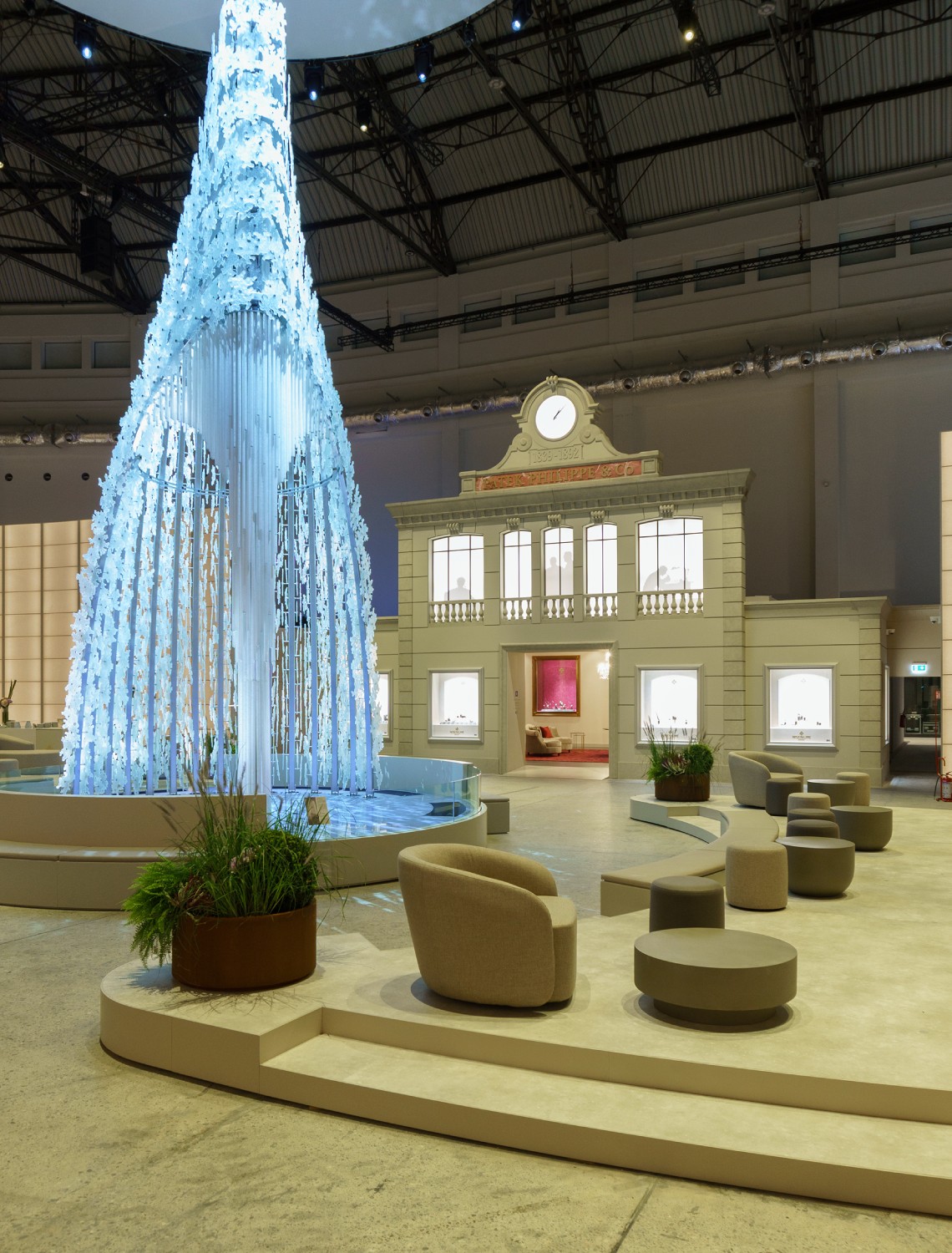
True to its name, the WATCH ART Grand Exhibition left us spoilt for choice. We put on our most comfortable shoes and set off through 15 themed areas that recreated the streets and lakeside of Geneva. Along the way we went behind the scenes at faithful re-creations of the Rue du Rhône salons, the manufacture at Plan-les-Ouates and the Patek Philippe Museum, among more than 500 timepieces and objects. Master watchmakers and artisans gave live demonstrations of their craft.
Like children in a sweet shop, we found it hard to pick a favourite from the 15 rooms. But choose we must.
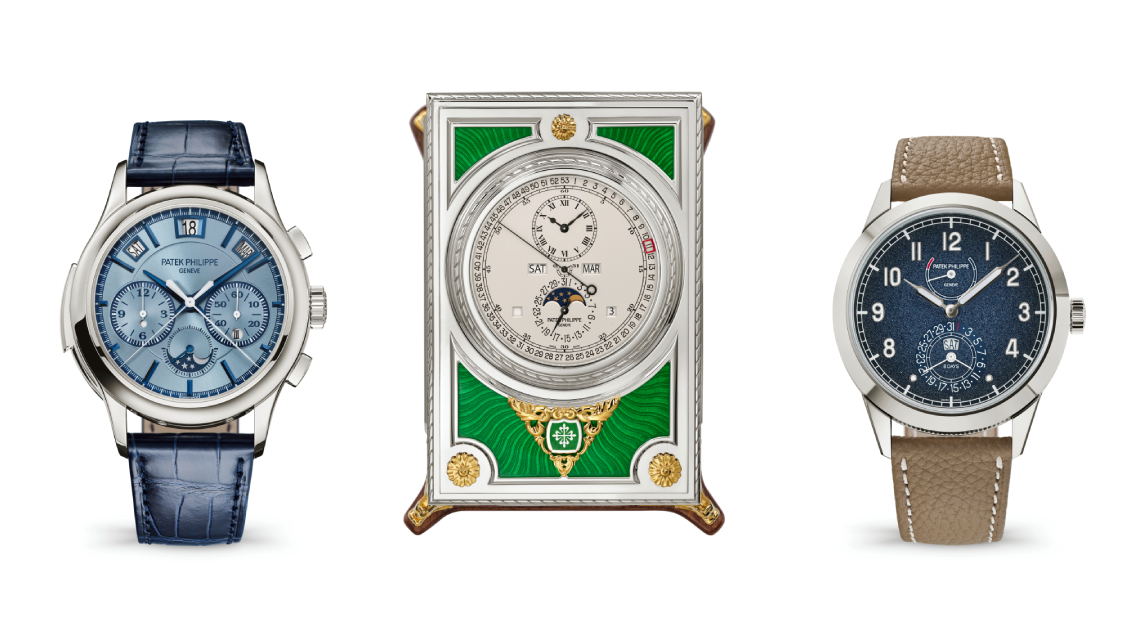
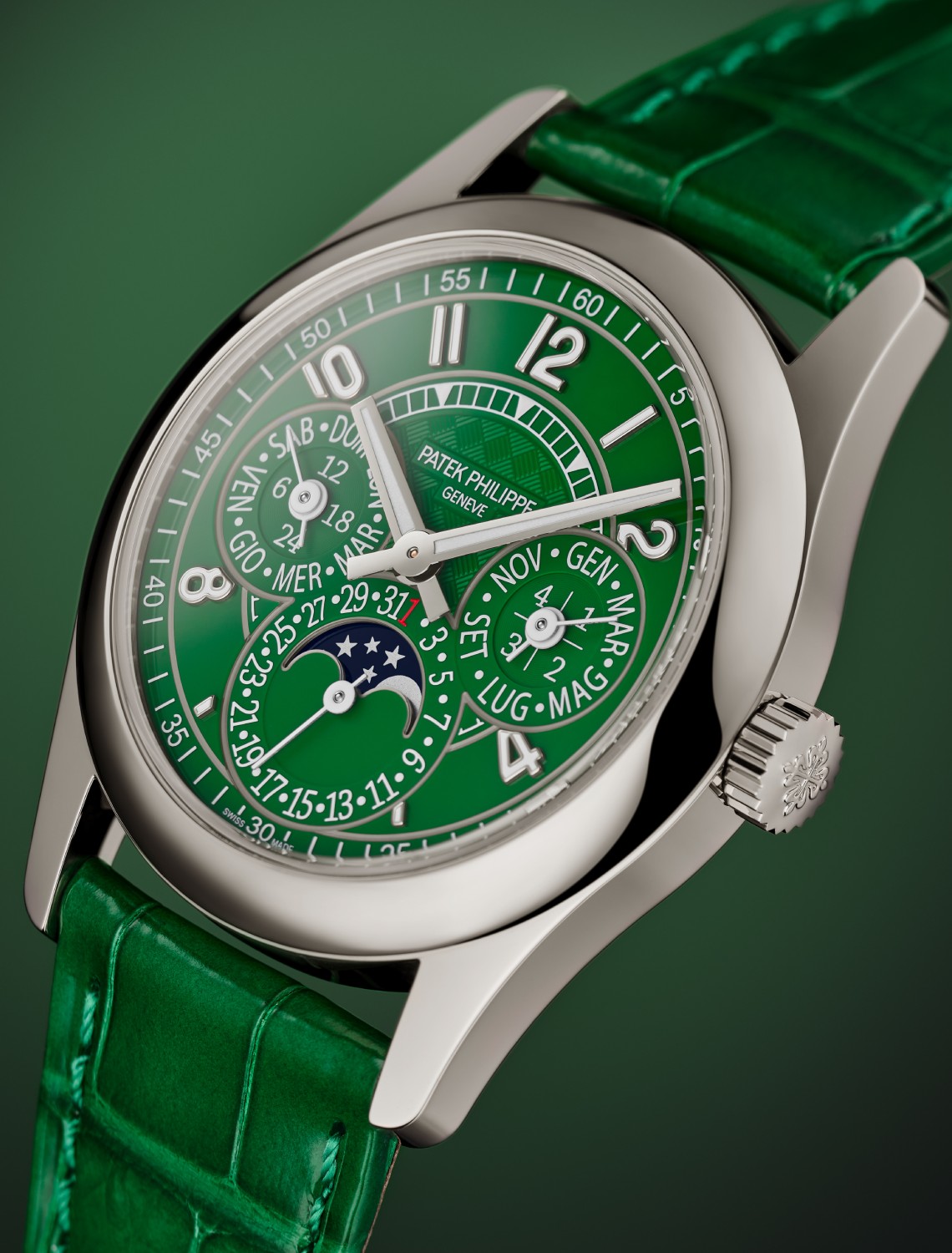
The first to stop us in our tracks were a red lacquered minute repeater, a green perpetual calendar and a white Calatrava, which together echoed the Italian flag. Inspired by the Ref. 6007, the trio (Refs. 7047G-010, 7147G-010 and 7007G-010) led seven limited editions created for Milan, each on a strap matching its dial.
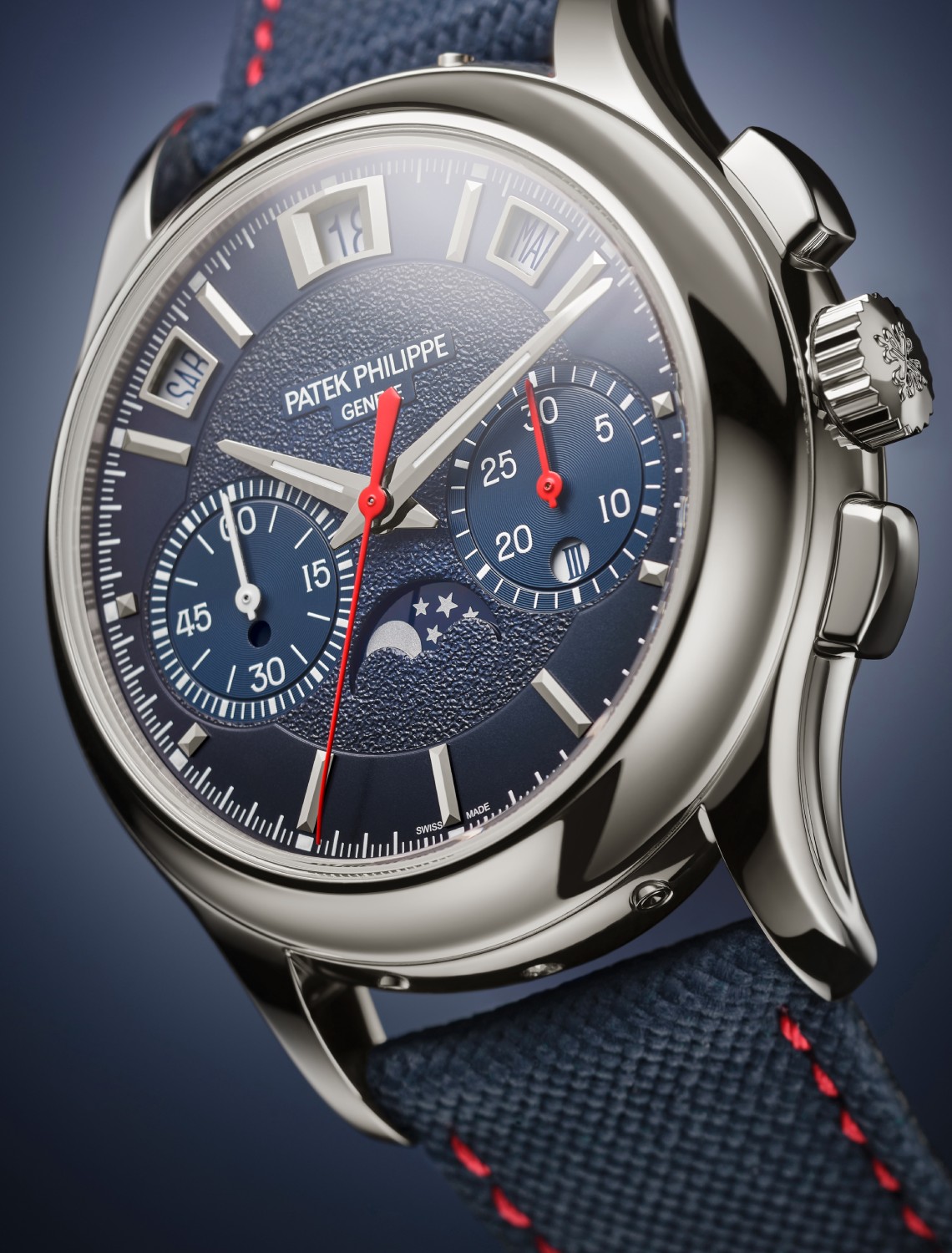
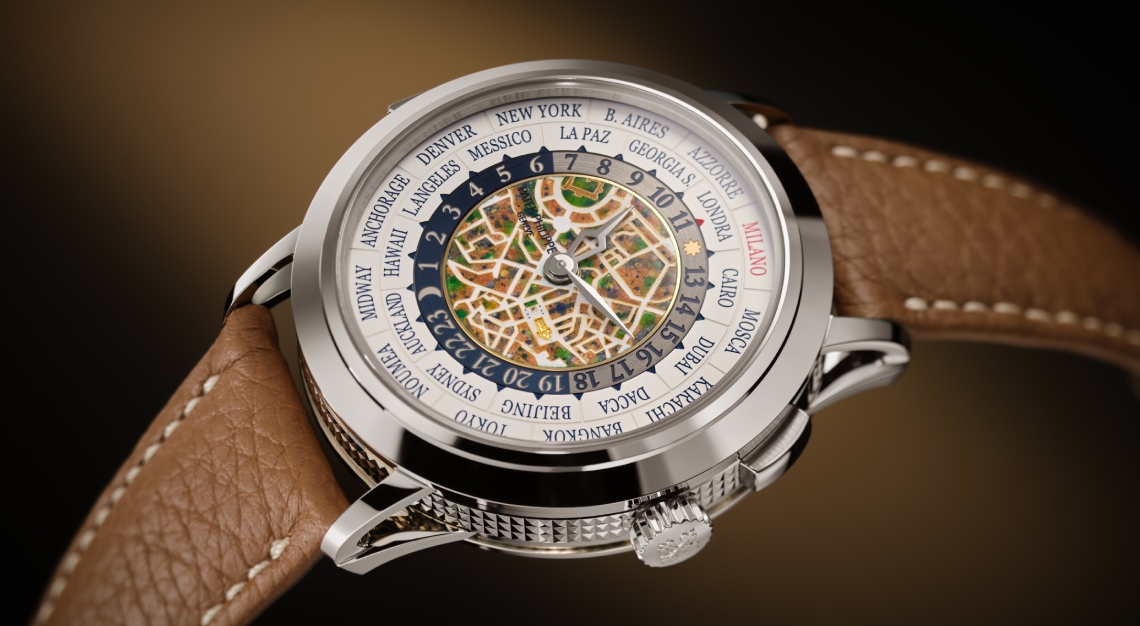
The technical highlight was the Ref. 5978P-010, an instantaneous perpetual calendar chronograph that displays the calendar in windows. The Aquanaut Ref. 5167 took on a sportier look, with a blue sunburst dial fading to black and a red minute track. The World Time Minute Repeater paid tribute to the host city in two versions, its cloisonné enamel centre showing central Milan by day (Ref. 5531G-012) and by night (Ref. 5531G-013). As at every grand exhibition, the series was reserved for the host country.
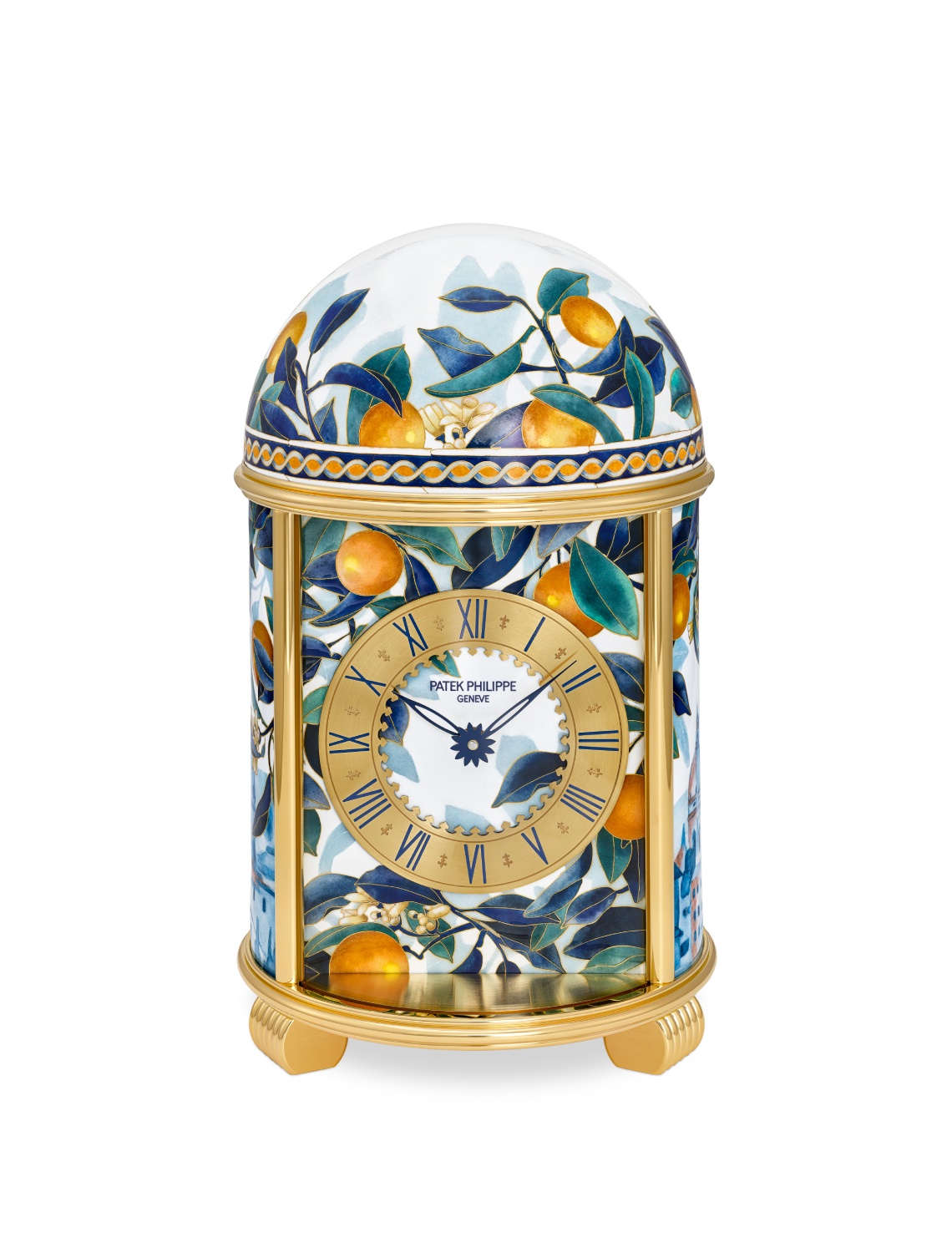
Another tribute to Italy was found in the Rare Handcrafts collection, where the bright colours of the “Sicilian Oranges” dome table clock, Ref. 20179M-001, caught our eye. This unique piece pulls off a rare technical feat in Grand Feu cloisonné enamel: two visual planes that give the scene real depth. In front, orange trees are outlined in about 15 metres of gold wire and filled with 49 shades of transparent, opalescent and opaque enamel. Behind them, Palermo is rendered in miniature painting on enamel, its four or five pastel tones softened with blurring and shading to suggest distance.
For those with a penchant for all things historical, there were some 80 pieces from the Patek Philippe Museum. The Antique Collection, spanning the 16th to early 19th centuries, included some of the oldest watches in the world. From the Patek Philippe Collection came milestones of the manufacture’s own history: the first known perpetual calendar wristwatch, from 1925; the World Time Ref. 1415 HU of 1948; and a 1918 minute-repeating pocket watch with a 30-day power reserve, once owned by the American industrialist James Ward Packard.
A new “Historical Owners” section brought together watches once owned by famous patrons. They included a pendant watch presented to Queen Victoria at London’s Great Exhibition of 1851 and a 1901 pocket watch bearing the portrait of Pope Leo XIII.
The pride and joy of the exhibition, though, was the manufacture’s vast collection of in-house movements, with areas devoted to how watch parts are produced and to research and development. Complicated watches, one of Patek Philippe’s great strengths, held court in the super complications section, which featured the Calibre 89 and the Star Caliber 2000. In “Master of Sound”, the chiming watches were led by the Grandmaster Chime, with its 20 complications, and the Sky Moon Tourbillon Ref. 6002R-001.
When the exhibition closed on 18 October, 68,000 visitors had walked through nearly two centuries of Patek Philippe history. The next chapter, in 2029, may well be written with a new generation of Sterns looking on. As the family tree on the exhibition walls reminded us, at Patek Philippe the future is always measured in generations.