
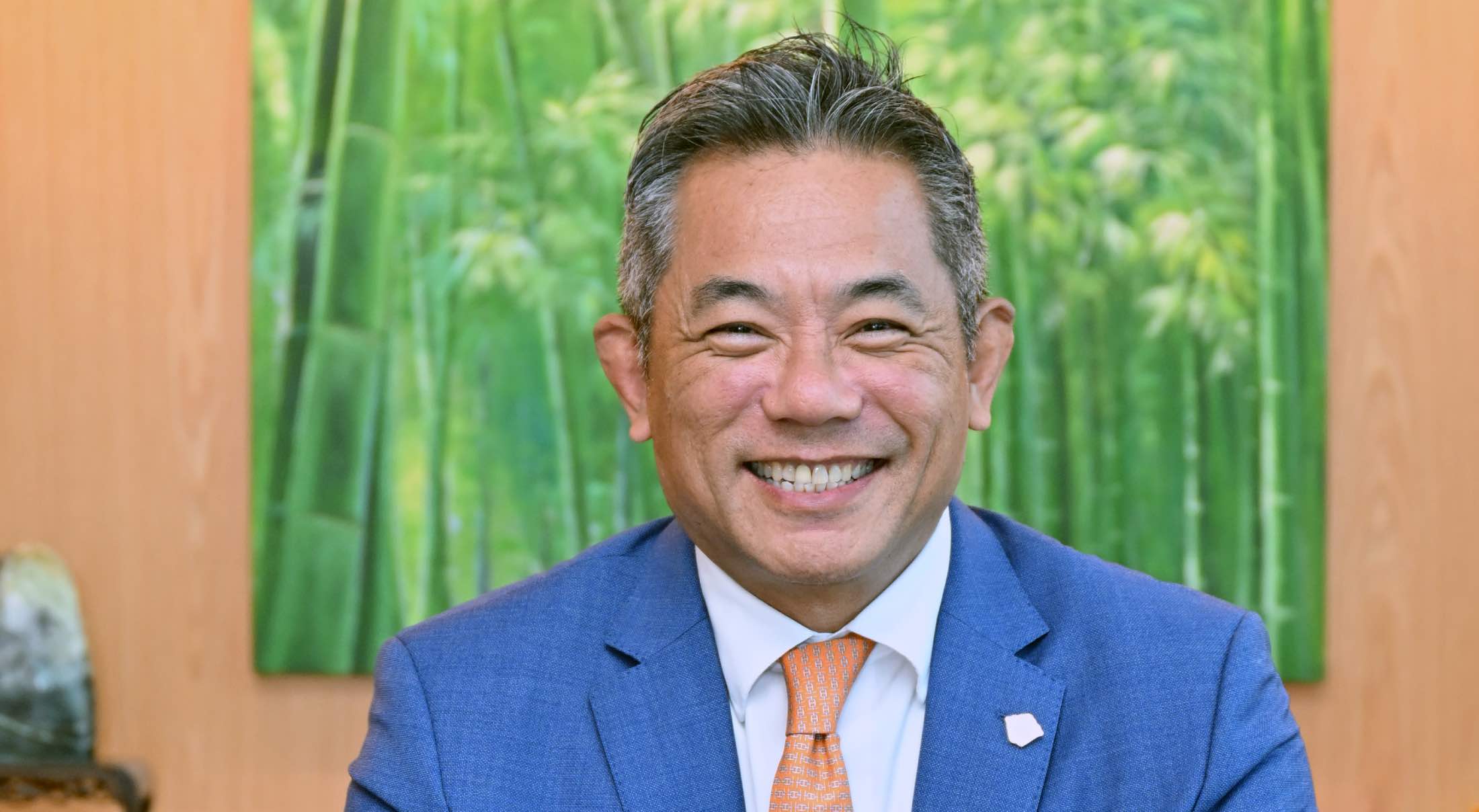
Joon Aun Ooi, president, Asia Pacific, of Wyndham Hotels & Resorts, on balancing global scale with local individuality, navigating the region’s evolving hospitality landscape, and redefining what makes a hotel experience memorable
Scale has long been one of the greatest advantages of international hotel groups. A familiar name offers travellers reassurance, while an extensive network of properties provides the consistency and convenience they have come to expect. Yet as travellers increasingly seek experiences that feel authentic, distinctive, and rooted in their destinations, the very qualities that have traditionally underpinned the success of global hospitality brands can appear at odds with these evolving expectations.
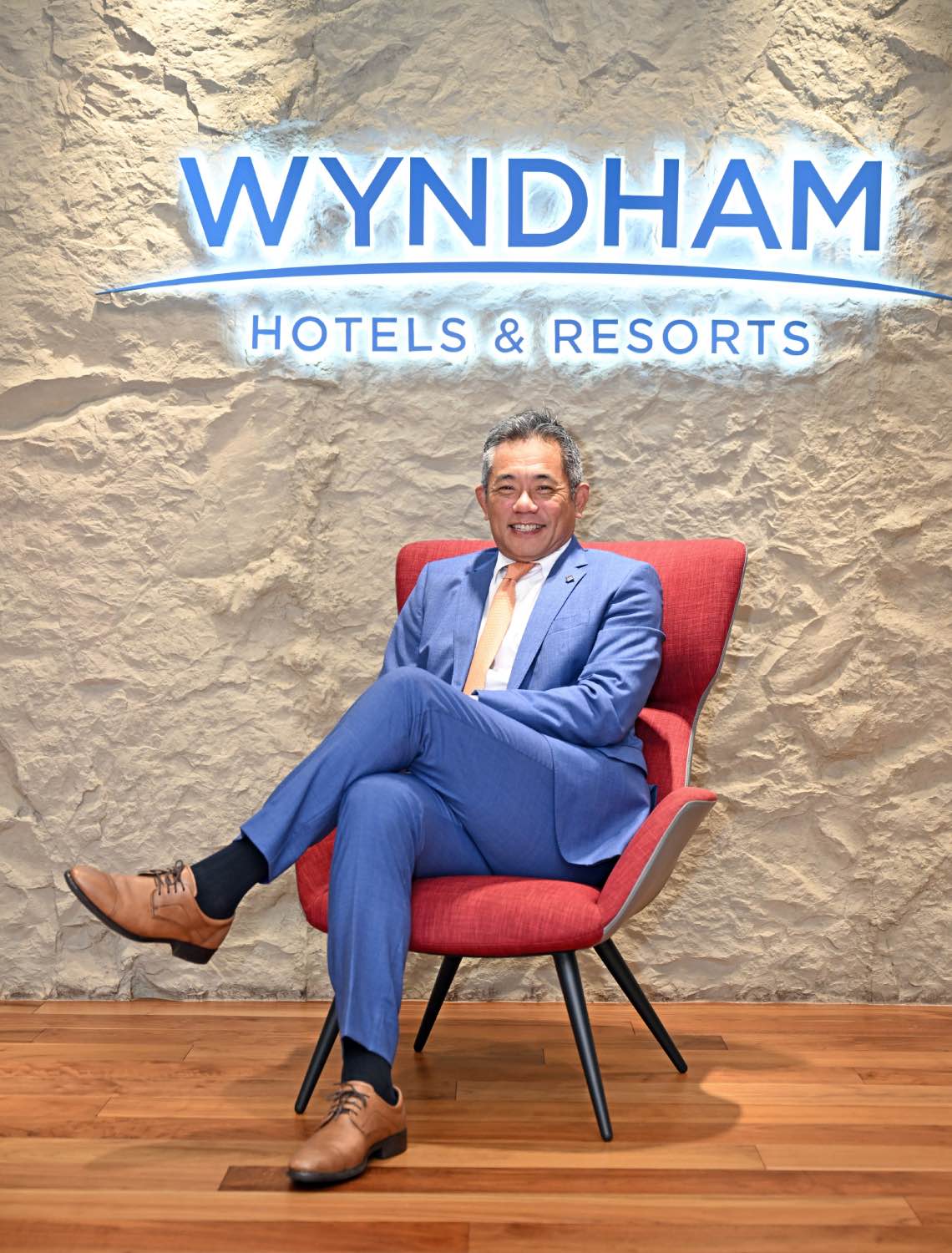
It’s a balancing act that Joon Aun Ooi, president, Asia Pacific, of Wyndham Hotels & Resorts, knows well. With a portfolio spanning more than 25 brands globally, the hospitality giant caters to a wide spectrum of travellers, from those seeking reliable, accessible accommodation to those drawn to more distinctive, experience-led stays. For Joon, whose remit covers more than 20 markets across Asia Pacific, the challenge is not simply to expand Wyndham’s footprint, but to ensure that its brands remain relevant to the different destinations, travellers and hotel owners they serve.
What, in your view, gives a hotel a genuine sense of place today?
It starts with relevance. Travellers want a hotel to help them understand the city or neighbourhood they are in, through design, service, food and beverage, local partnerships, and small details that feel specific to the destination.
A hotel can protect its local character when it is supported by a strong business platform. Wyndham gives owners access to distribution, revenue management, digital channels and Wyndham Rewards, so the property can reach travellers who value that local depth.
Luxury travellers increasingly seek authenticity, immersion, and personalisation over traditional notions of opulence. How has this shift influenced the way Wyndham thinks about hospitality experiences?
We have moved beyond simply providing a room to curating stays that feel like a story: spaces with soul, brands with a point of view, and experiences that don’t blur into the background.
Our partnership with Ovolo Hotels is a prime example. By integrating Ovolo’s four properties across Australia into our portfolio, we are tapping into the booming demand for experiential travel—a US$1 trillion global opportunity driven largely by younger travellers.
Do you believe the future of hospitality growth in Asia lies increasingly in secondary, destination-driven markets?
Hospitality growth in Asia Pacific is becoming more diversified. Gateway cities remain important because they provide scale, visibility, and more stable year-round demand. At the same time, secondary and destination-driven markets are gaining momentum as travellers shift from city selection to experience selection.
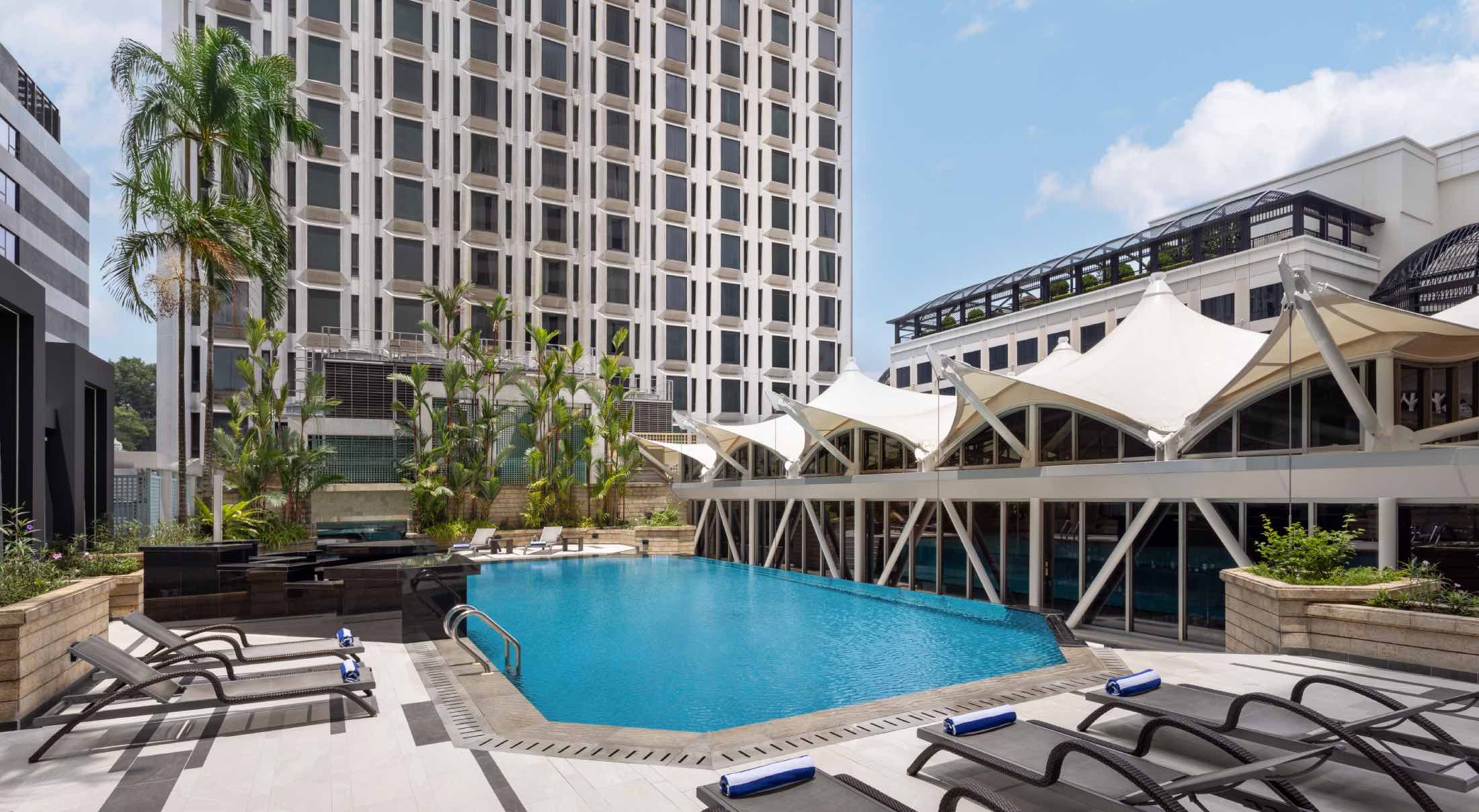
The drivers are clear: stronger domestic and regional travel, improved infrastructure, culture-and nature-based demand, events, and local destination investment. These factors are creating new hotel opportunities beyond established capitals. The future opportunity is a balanced portfolio.
Wyndham has a strong presence in China while Southeast Asia continues to emerge as one of the world’s most dynamic travel regions. How do you see the relationship between these markets shaping hospitality opportunities in the years ahead?
China and Southeast Asia are becoming more connected through travel flows, owner relationships, and regional investment. China remains a major source of domestic and outbound demand, while Southeast Asia continues to benefit from intra-regional travel, leisure, MICE, and destination-led growth.
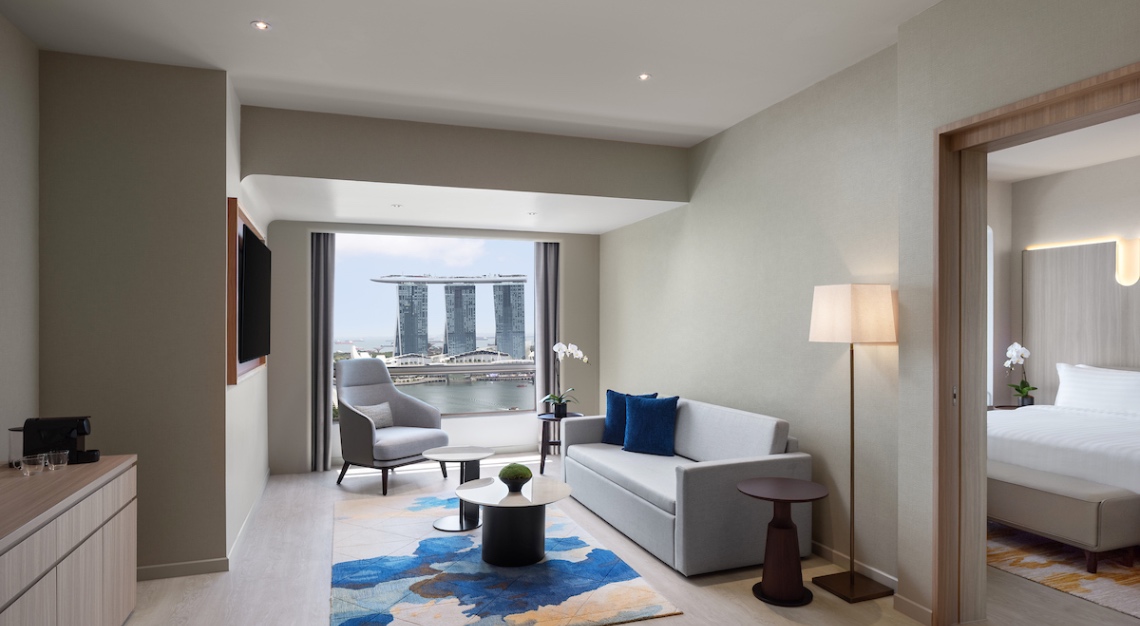
Over time, I see China and Southeast Asia forming a more connected regional hospitality ecosystem. Travellers move across the region with clearer expectations around trust, convenience and local relevance, and owners benefit from a platform that can support them across borders.
What is your vision for Wyndham for the next 5 years?
Over the next five years, our vision is to further strengthen Wyndham’s position as the preferred hotel franchising partner for hotel owners and travellers across Asia Pacific.
The region’s diversity is one of its greatest strengths. With more than 20 markets at different stages of development, there is no single path to growth. Ultimately, our ambition is to build a stronger and more connected regional network that creates long-term value for owners, gives travellers greater choice, and reinforces Wyndham’s relevance across Asia Pacific.