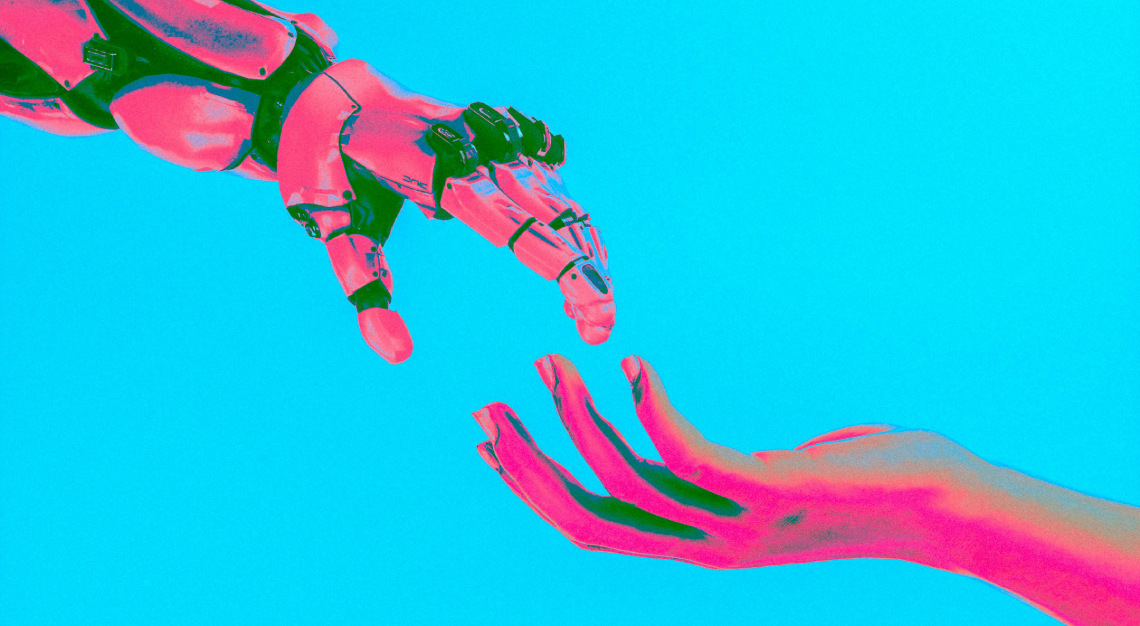
What if artificial intelligence takes over experience and inspiration?
Just ask ChatGPT. My soul sinks a little each time my brain reaches for the latest, and lowest, hanging fruit of modern problem-solvers. It started with the little things: making it write poetry and lyrics for giggles. Then I asked it to plan my holidays and fix my monthly budgets. But things took an alarming turn when I recently found myself prompting ChatGPT to make a WhatsApp message sound friendlier.
I’ve been told that I am too direct and terse in work chat groups. Instead of changing from within, I asked a chatbot to make me a better version of myself.
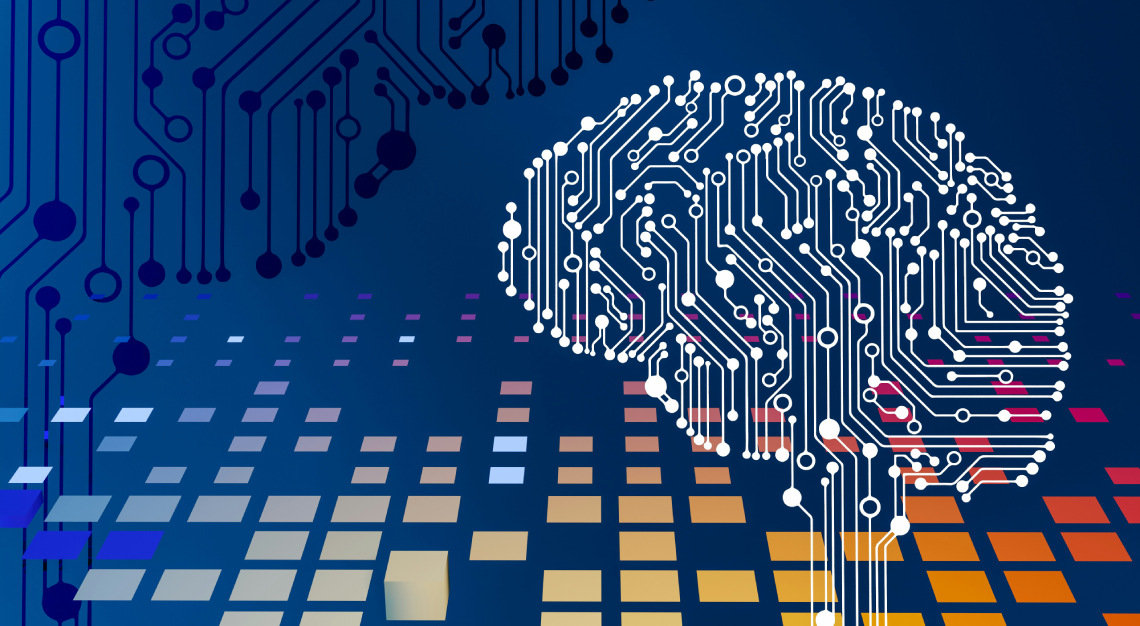
The speed at which artificial intelligence (AI) has exploded from a science-fiction concept into a source of everyday, transformative power that we now execute at will has, fair to say, taken many of us by surprise. Still, the change has never been felt as keenly, or with as much trepidation, as by those of us who toil in creative work. Copywriters, editors, designers, commercial photographers, and, more acutely still, painters, poets, novelists, and songwriters.
The sickle of this new technology seems to be swinging towards creatives more than most other professions. We read, for instance, about how AI will transform healthcare. The technology already allows for diagnoses to be made with greater accuracy. Yet, even as AI expands diagnostic possibilities beyond the human mind, it still requires a doctor to direct it, and make sense of the results.
When it comes to creative endeavours, however, the prognosis feels bleak at best. I’ve lost count of the number of times well-meaning friends have turned to me after looking at a poster or advertisement and asked: “Do we still need designers and copywriters?” Despite my indignation—and the instinct to counter—the uncomfortable answer is often: “Maybe not.” Who am I kidding if I were to say otherwise?
Tantalising advertising headlines, billboard layout options, snappy video animations, special effects. Today, all it takes are an internet subscription and well-thought prompts. Would you like them tighter, more evocative, more polished, or more impactful? Just say the word.
My fellow creatives—those of us who are still holding the line—argue that we can tell when a piece of work is AI-induced. It’s too perfect, we say. The cadence is too smooth, the analogies too crisp, and the alliterations too glaring. Perhaps, for now, we can still tell. But outside our increasingly besieged circles, can the rest of the world tell?
More importantly, do they care?
We have seen this pattern play out for centuries. In a world that relentlessly demands cost-effective efficiency, any form of labour that can be replaced by technology eventually will be. Since the Industrial Revolution, work once done by human hands and feet has steadily been taken over by machines. Now, they are coming for our minds.
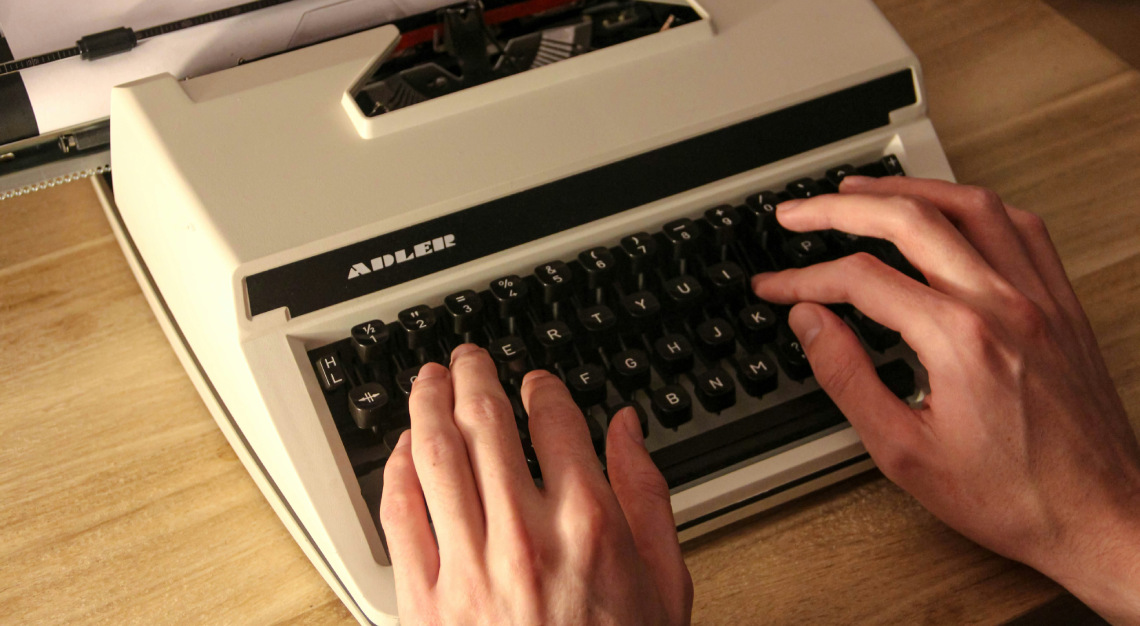
But this is not because the creative human mind no longer has value. Unlike doctors or engineers—professions that often feel distant and unfathomable to those outside them—artists and creatives share an almost spiritual connection with the rest of the world. Through music, novels, theatre, films, books, and even advertisements, creative works are manifestations of lived existence. Ironically, it is this shared emotional vocabulary—the sense that we have all felt these things before—that makes creative work appear deceptively easy and therefore dispensable.
If you have ever been struck by a melody, inspired by a story, or moved by a scene in a movie, it is because the person who made it has felt the same way you did—and laboured to manifest that feeling through his art. Now imagine a generative AI doing the same. The output may look convincing. It may even move you. But something has changed.
There is difficult, human work that precedes creativity and our enjoyment of its fruits. The seduction of AI robs us of this experience. The journey, however inconvenient and arduous, matters as much as the destination.
When I asked ChatGPT to make my message sound friendlier, I wasn’t just being lazy. I was outsourcing a facet of imagined personality. The real danger is not that machines will replace creatives. It is that both creatives and our audience will grow comfortable letting AI do the work that gives human expression and art meaning in the first place.