
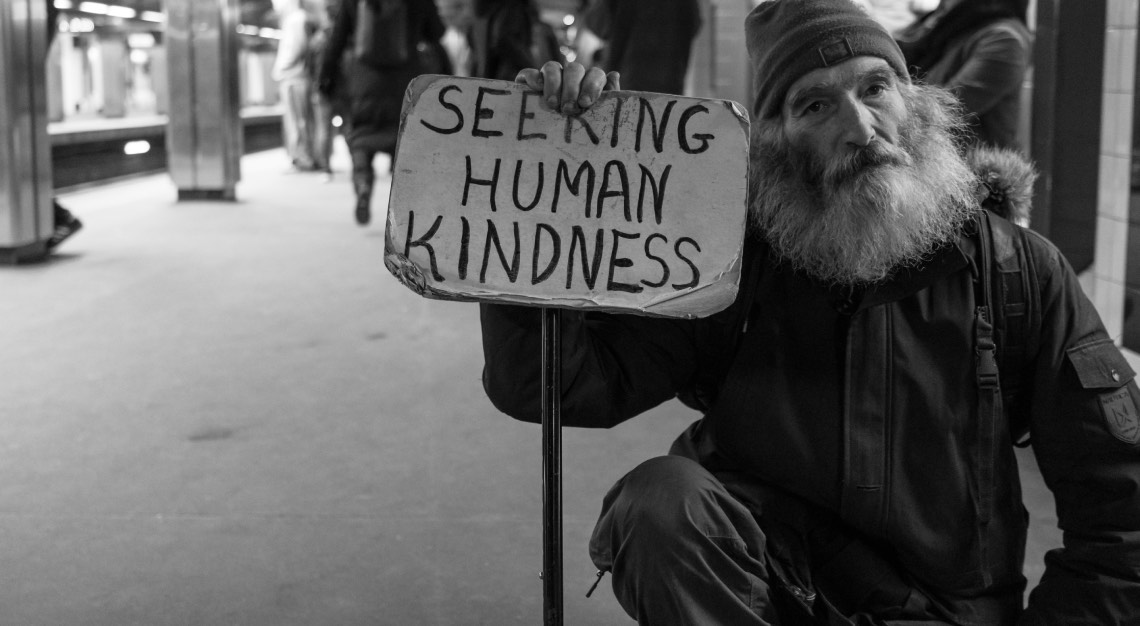
Robb Report Singapore’s raving reporter Andrew Leci gets cynical about being cynical, and responds in kind
There’s a habit I need to get out of. When I hold open a door for a random stranger in a public place – it could be a shopping mall, a restaurant, an office building, whatever – if they don’t thank me, I tend to chirp in with an audible, sarcasm-laden, “you’re welcome!”
Some people ignore it – they may be engrossed in the latest ‘cats are crazy’ video, checking stock prices or not even aware of the fact that there was a door in the first place – while others are startled and issue a self-conscious, faintly apologetic “thank you” (those are the best because I’ve made my point). When someone does something nice for you, you thank them, right?
Wrong. One shouldn’t be kind solely to receive thanks. One should be kind because it’s the right thing to do, and besides, it pleases us. I feel that there are quite enough mixed messages to be getting on with for now. But do join me for a trundle down the road of hack psychology.
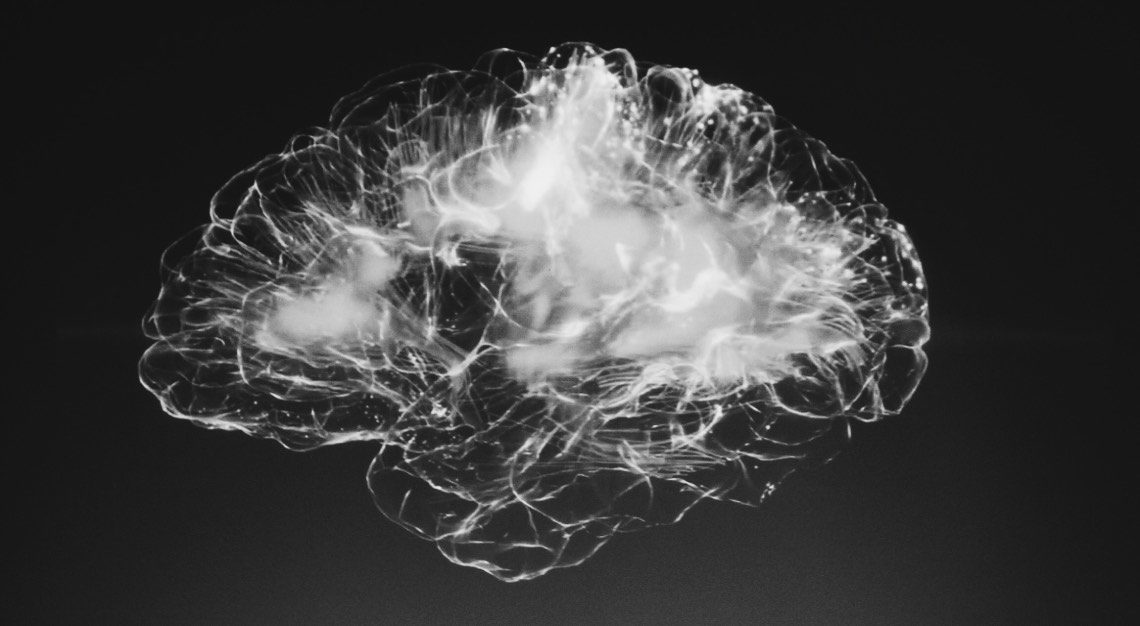
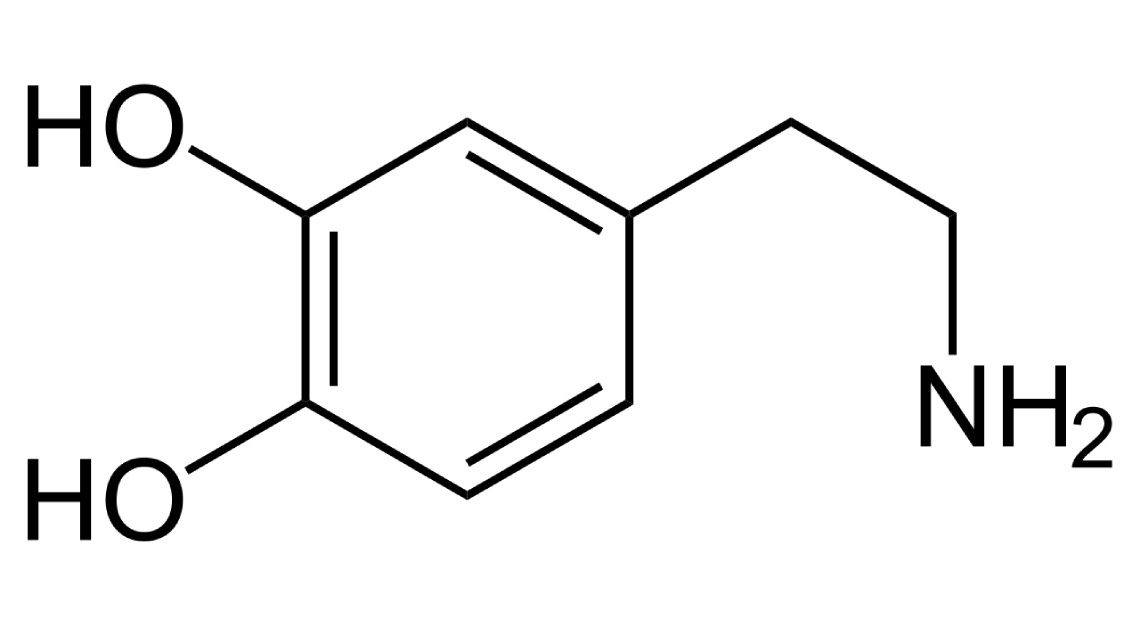
Random acts of kindness activate the release in the brain of dopamine – the neurotransmitter that makes us feel good. The simple act of giving produces endorphins that to a certain extent replicate the feelings of a morphine high – and morphine, as we all know, takes away pain. At the risk of sounding facetious; being kind to people and having a giving nature is an absolute no-brainer. Not only will it make other people feel good, but it does something for the donor as well – a proper win-win situation, with benefits.
The fact that I feel that I need recognition for such a minor act of kindness as holding open a door for someone reflects badly on me, and suggests that my motives are not as pure as they should be. Am I suggesting that kindness cannot exist without its recognition and acknowledgement? If I am, I need to get over it, because the act itself should be enough.
It’s interesting to examine why being kind makes us feel good. It’s not conscious, and when it’s not drug-induced, we must accept that it’s coming from our innate wiring as human beings. For this we have to look back to our ancient ancestors – the first stand-up guys and gals – whose sociability meant that they were prepared to huddle together for warmth on cold nights, and stick together when both hunting and preparing to be hunted. There are many social scientists who believe that we have lost some of these instincts in a modern world that lauds individualism and has made us unhealthily introspective and ego driven. This is, however, a topic for another day.

What we need to focus on is the need to appeal to certain parts of our brain and the chemicals that it actually enjoys secreting. If being kind genuinely makes us feel good (without us knowing why) then we should be listening to the intuitive and instinctual parts of us that know best and have enabled us to make such progress along the evolutionary highway.
And we shouldn’t need to be thanked for it, although it’s always nice. While I know that there’s a bad habit that needs to be addressed – I’d love to add it to the list of others, but I’m running out of paper – I still maintain that a degree of reciprocity makes the whole experience better. When you do something nice for someone, a contract is drawn up, and acknowledgment is the signing off and honouring of that contract. But it doesn’t have to be, and we shouldn’t make it a precondition.
Food that tastes really good is almost invariably bad for you – think recipes containing industrial quantities of butter, too many types of fast food, chocolate-covered chocolate – and vice versa. Kale, quinoa, lentils… anyone? Seriously… anyone? With food, there’s a trade-off, but with acts of kindness – they can be anything from helping an elderly person across the road, volunteering at a homeless shelter, opening a door for someone watching a cat video – there are no winners and losers, just winners. Give it a go. What’s the worst that can happen?