At Asin, chef Ace Tan draws on hawker memories, Traditional Chinese Medicine, and the Five Elements to create a deeply personal take on progressive Asian cuisine
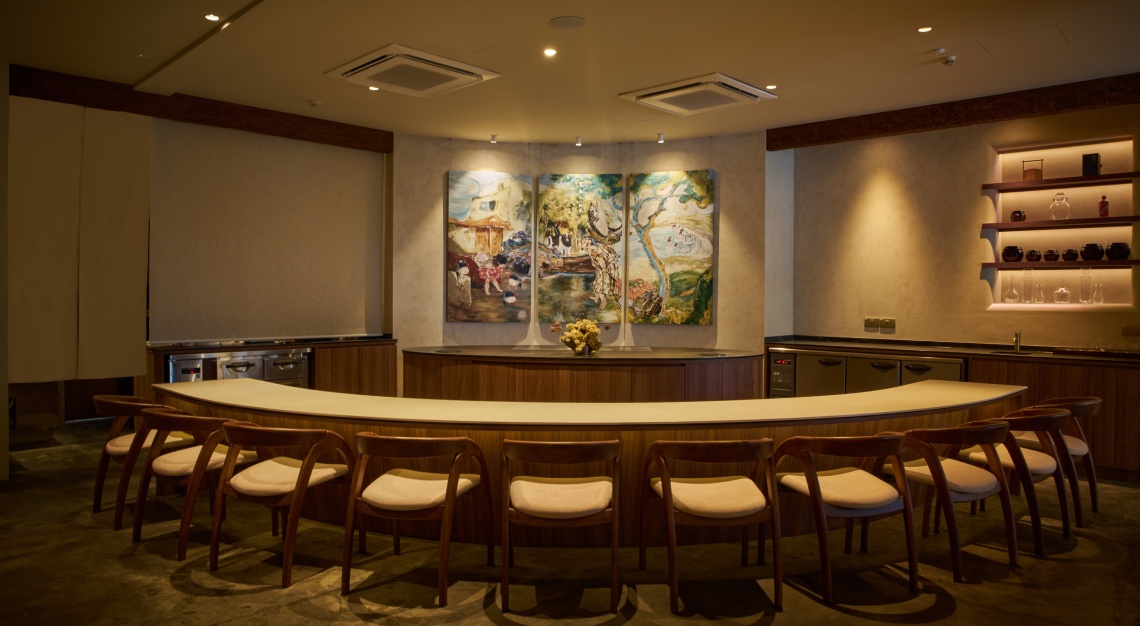
Asin is one of those rare restaurants where a solo diner never feels out of place, nor tempted to doomscroll on their phone. Credit goes to Hong Kong-based artist Chloe Woon, whose paintings grace both the walls and the menu cards. Her illustrations of ingredients and the seasons evoke provenance, terroir, and nourishment. Part of the pleasure lies in finding the ingredient on your fork hidden somewhere in the painting.
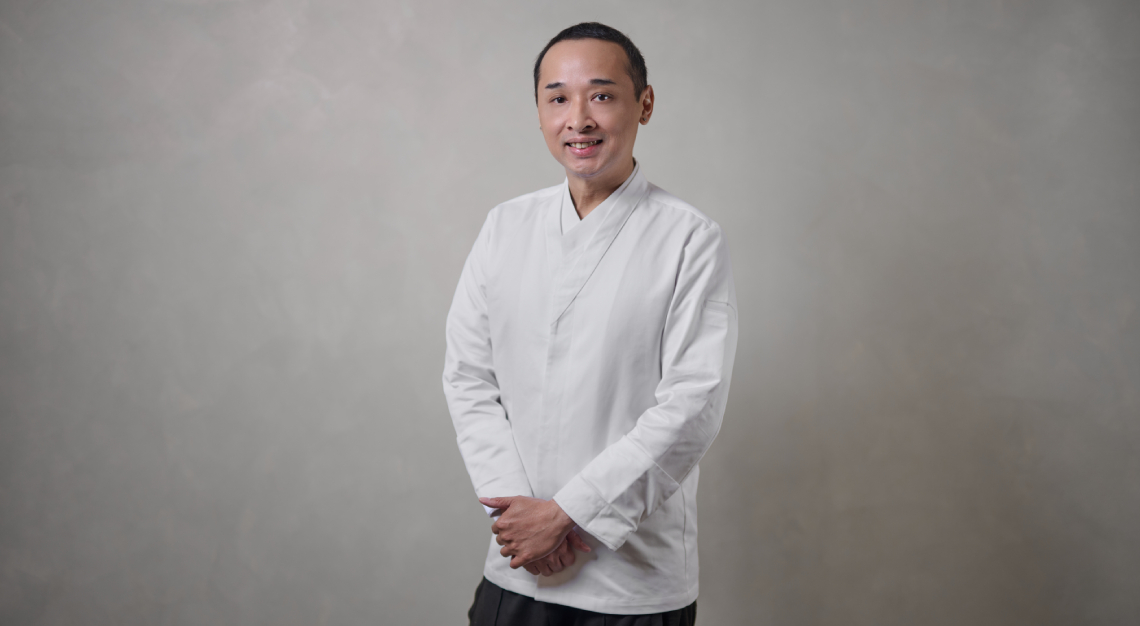
The food, of course, takes centre stage. Asin serves progressive Asian cuisine defined by refinement and restraint, with a balance of contemporary and traditional influences. The traditional influences come from chef Ace Tan’s childhood in Singapore, spent among the sights, sounds, and smells of hawker centres and wet markets. His extended family ran a Traditional Chinese Medicine (TCM) shop, where he learned to see food as both nourishment and care.
Those memories shape a menu built on the Five Elements philosophy, which also runs through the restaurant, from its interiors to its bespoke tableware. A meal here invites a quiet awareness of ingredient, season, and intention.
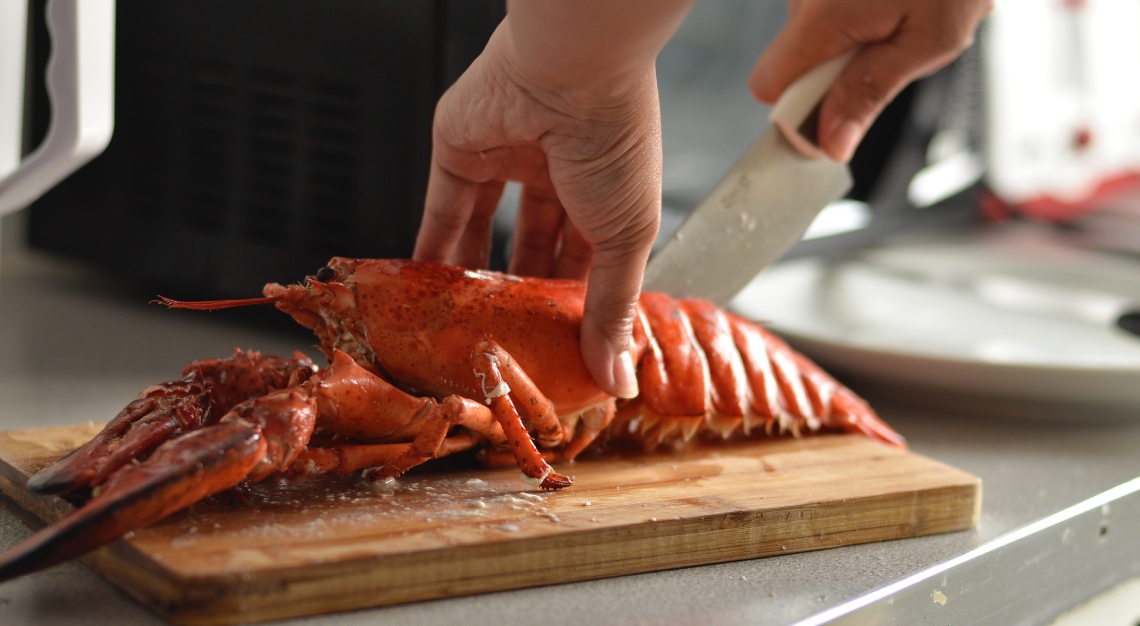
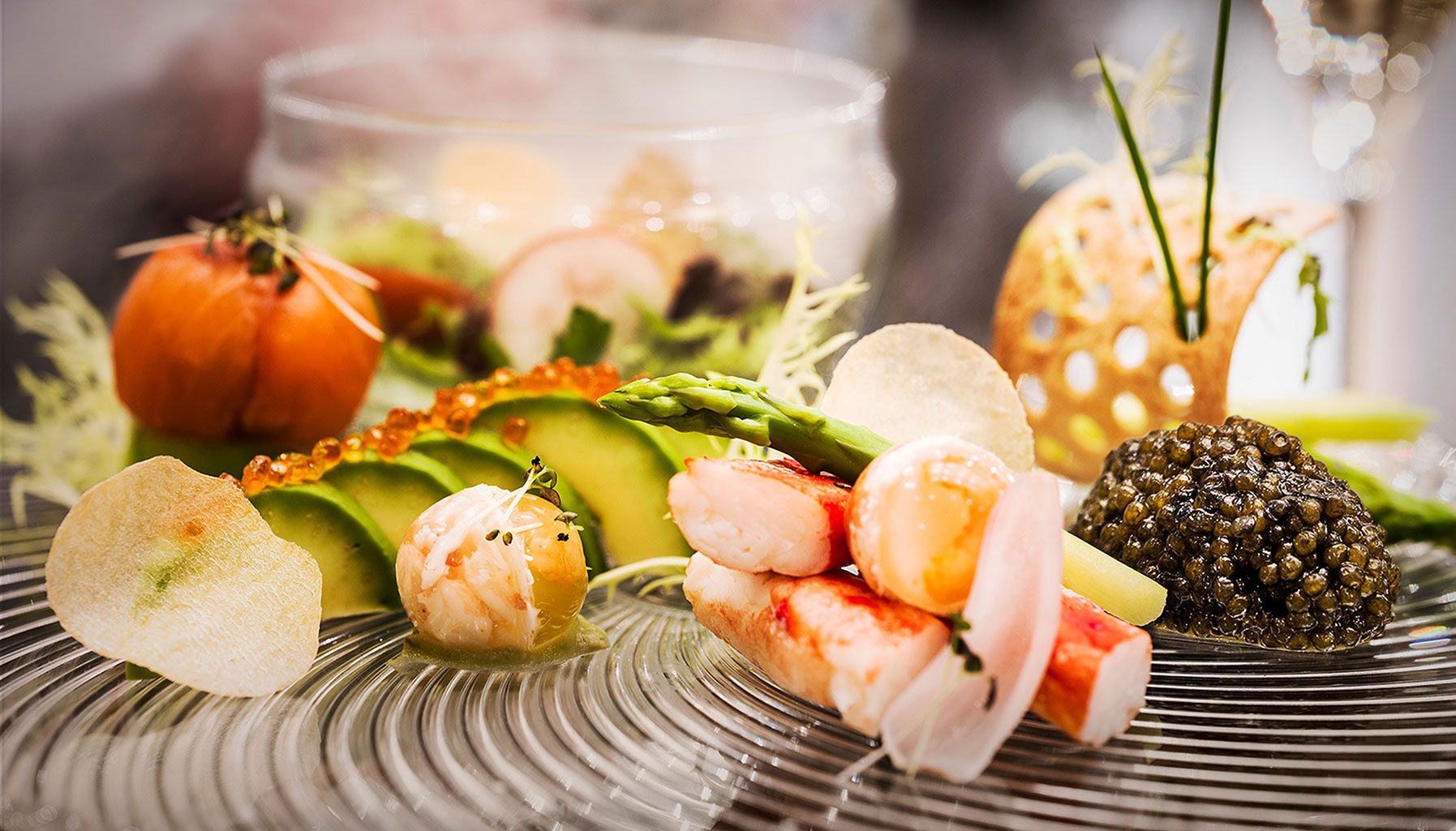
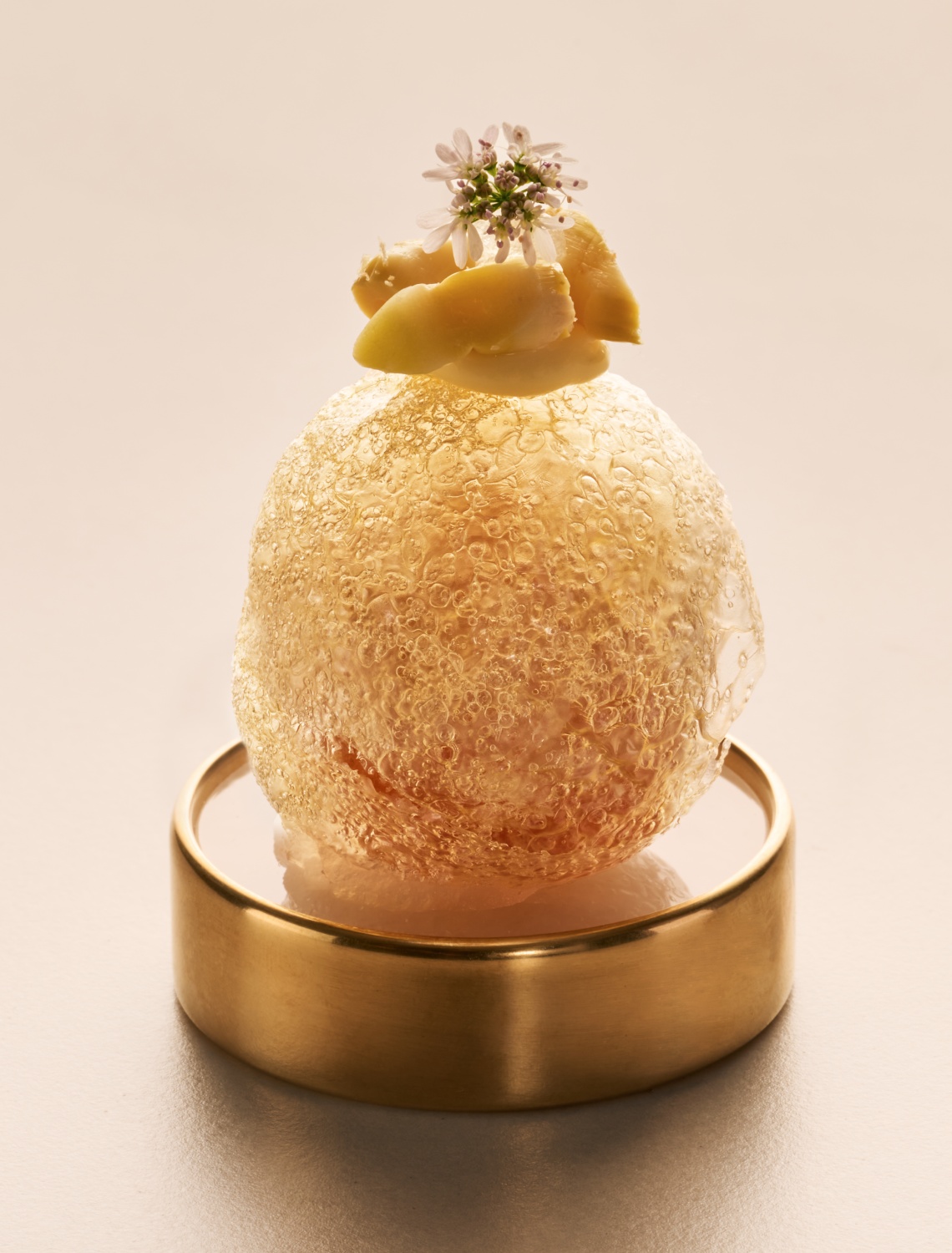
Tan’s autumn menu unfolds as a thoughtful journey from first course to last. Japanese spiny lobster, or ise-ebi, arrives encased in a crystalline sphere like a precious jewel, waiting to be cracked open. Inside, the lobster is finished with bi feng tang crumbs of crisp fried garlic and black beans. It is a dish that invites you to take part, and one whose flavour lingers long after the last bite.
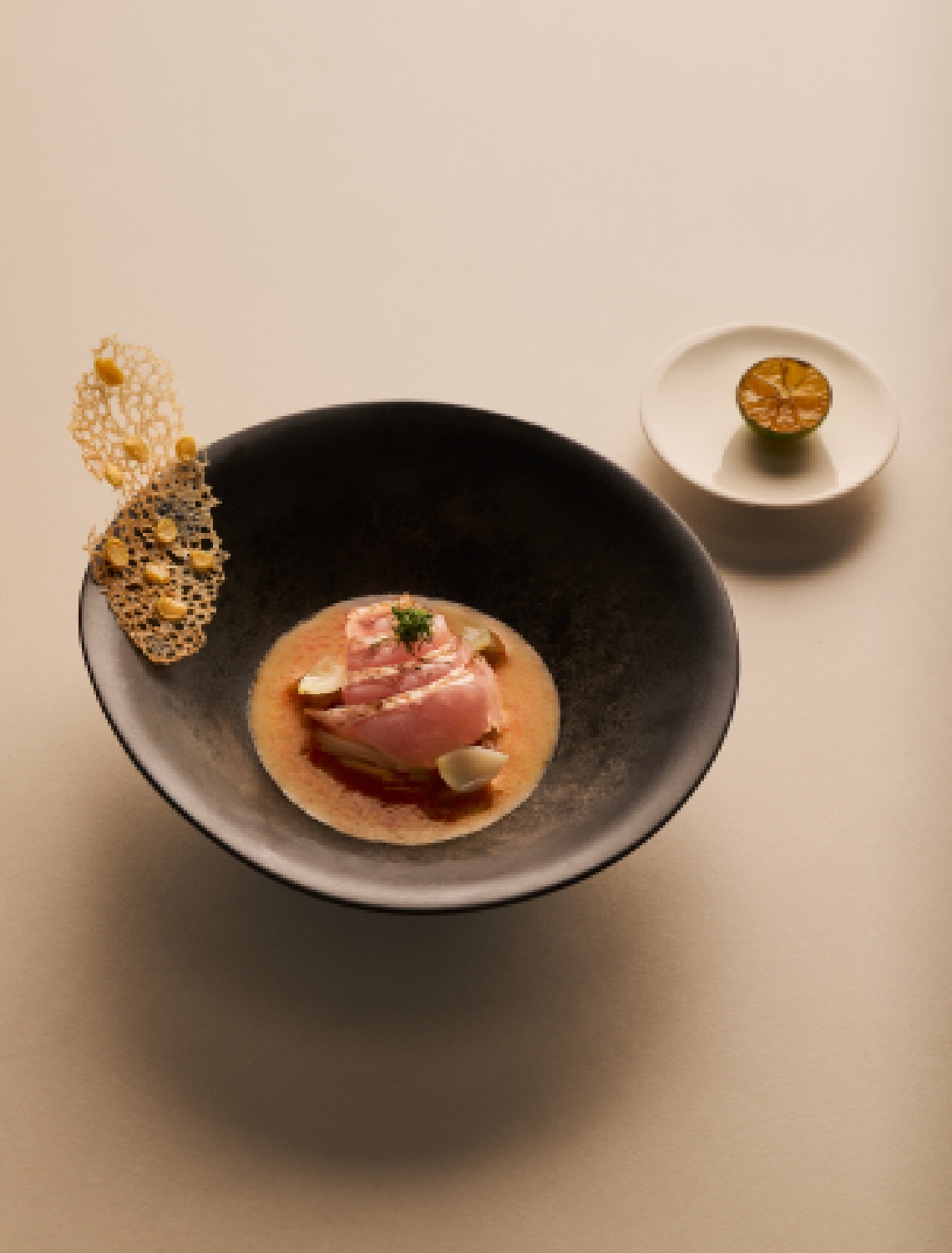
Myanmar inspires the Nodoguro Mohinga, a chilled reinterpretation of the country’s much-loved fish noodle soup. Blackthroat seaperch and somen sit in a fragrant broth of fish bone reduction, lemongrass, coriander root, and toasted rice that adds a satisfying crunch.
The Suan Cai Yu pairs wild-caught grouper with akagai, or red clam, in a rich broth highlighted by pickled mustard greens, green chillies, xiao mi la, and aged mandarin peel. In a nod to the Sichuan classic, the dish is finished with a flourish of hot seaweed oil and chopped mustard leaves.
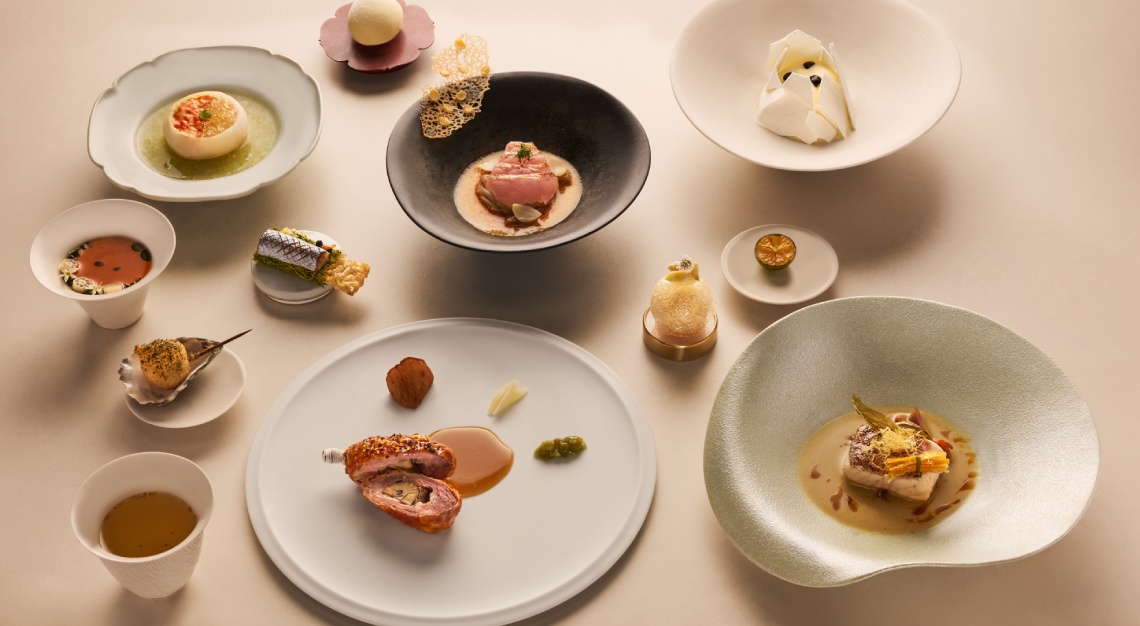
Those with room for more can turn to the supplementary menu, where the Yunnan-spiced Hanwoo is a highlight. The Korean beef is marinated for two days in Yunnan spices and black cardamom, then grilled over charcoal until fork-tender. It comes with a sauce of matsutake mushrooms and the braising liquid, alongside freshly chopped wasabi. Every bite is worth savouring.
Don’t leave without trying the Baijiu Soursop, a refreshing finale. This fermented dessert layers an almond-coconut crunch with pink guava soaked in Luzhou baijiu, whose gentle kick is balanced by soursop sherbet, an airy yoghurt foam, and butter tuile.
A chef’s story
Each dish reflects a career that has taken Tan through some of Singapore’s most exacting kitchens, including Les Amis, where he was steeped in the discipline of French haute cuisine. He later moved to Korea as executive sous chef of Flowerchild. Foraging alongside his peers there, he saw how ingredients were gathered and eaten in harmony with the land and climate, and seasonality became his guiding principle.
On his return to Singapore, Tan opened Suguru, where he began to develop his progressive Asian cuisine. It is a cuisine shaped by research, reflection, and constant evolution. Eighteen years in kitchens from casual to fine dining, together with an openness to learning, a readiness for challenge, and constant introspection, have shaped a chef of quiet confidence with culinary insight.
At Asin, nothing is accidental. From Woon’s paintings to the final dish, every detail reflects Tan’s belief that food should nourish as much as it delights.