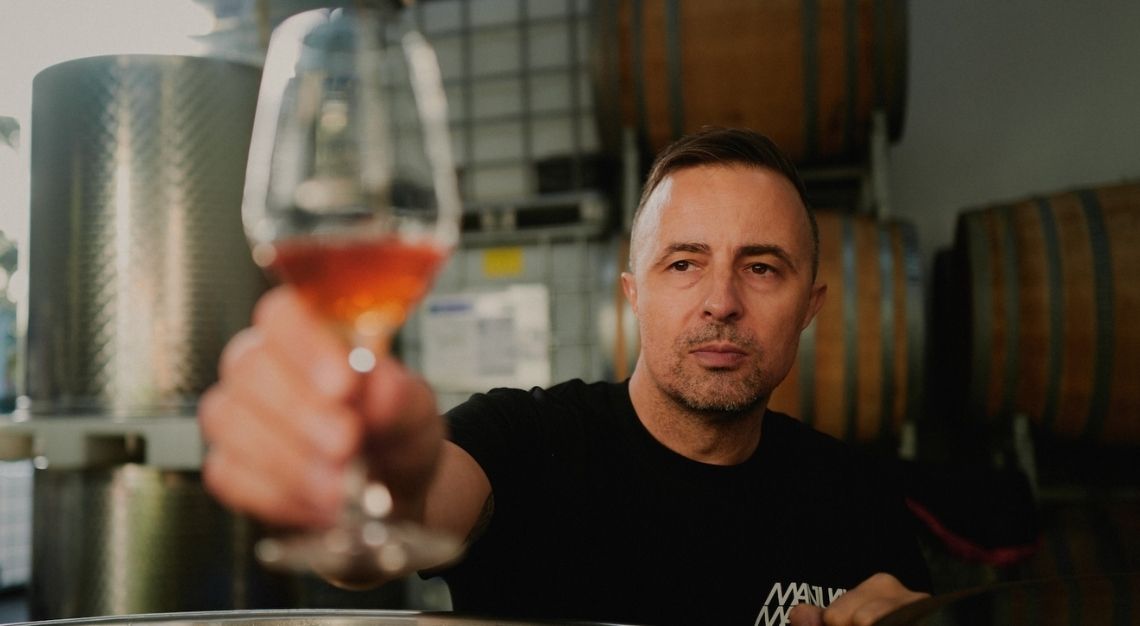
From Gordon Ramsay’s kitchen to owning Melbourne’s most coveted wine bar, Dave Verheul is a man of all seasons. Now, with Saison Aperitifs expanding across Asia, the New Zealand-born chef is bringing the luxury of Australian ingredients to Singapore’s discerning palates, and discovering an entirely new approach to aperitifs in the process
For centuries, the aperitif has belonged to Europe. Those vibrant, bittersweet preparations designed to awaken the appetite have been the preserve of storied Italian and Spanish houses, their recipes guarded like state secrets, wrapped in mythology and dated narratives. Yet in Melbourne, chef and restaurateur Dave Verheul has quietly built something different: aperitifs made with rare seasonal ingredients from organic Australian farms, transparent in their production, designed specifically for the Asia-Pacific market.
What makes Verheul’s trajectory particularly striking is how improbable it was. Growing up in Dunedin, in New Zealand’s deep south, his childhood bore little resemblance to the formative experiences that shape most chefs. He didn’t eat pasta until his teenage years. His entry into hospitality came almost by accident—a friend’s aunt owned a Lebanese restaurant that hosted jazz nights, where he was offered work in his early twenties, knowing nothing about food but curious enough to try.
The woman who owned that restaurant eventually told him something crucial: if he wanted to learn how to cook properly, he had to leave Dunedin. That advice led him to Gordon Ramsay’s organisation in London, where he started work jet-lagged on his second day in the city. The years that followed were uncompromising. Marcus Wareing would stand cross-armed against the bench, staring without blinking for hours, scrutiny designed to expose any weakness in technique. Shifts stretched from before 7am to past 11pm. “I still use all of the things I learnt in that kitchen, culturally and technique-wise and business-wise, to this day,” Verheul reflects.
Eventually, the relentless darkness cracked him. He moved to Australia, working at Sydney’s acclaimed Bentley before settling in Melbourne, where he and business partner Christian McCabe opened Embla. The wine bar, now celebrating its tenth year, has become something of a phenomenon. When they opened, there was only one other venue in the entire city doing the modern wine bar with food. It wasn’t pitched at the highest end of the market, nor was it casual, but it occupied a sweet spot that felt radical in its accessibility. The food consistently exceeded expectations, the wine list was thoughtfully curated, the atmosphere deliberately approachable.
It was in Embla’s kitchen, whilst searching for something exceptional to serve alongside his dishes, that Verheul began making his own vermouth and amaro. The breakthrough came just before the pandemic, when a restaurant critic tasted one of his house-made drinks. “Like most hospitality people, when there’s one person deciding your points rating for the year, you’re spying on them out of some crack in the restaurant,” Verheul laughs.
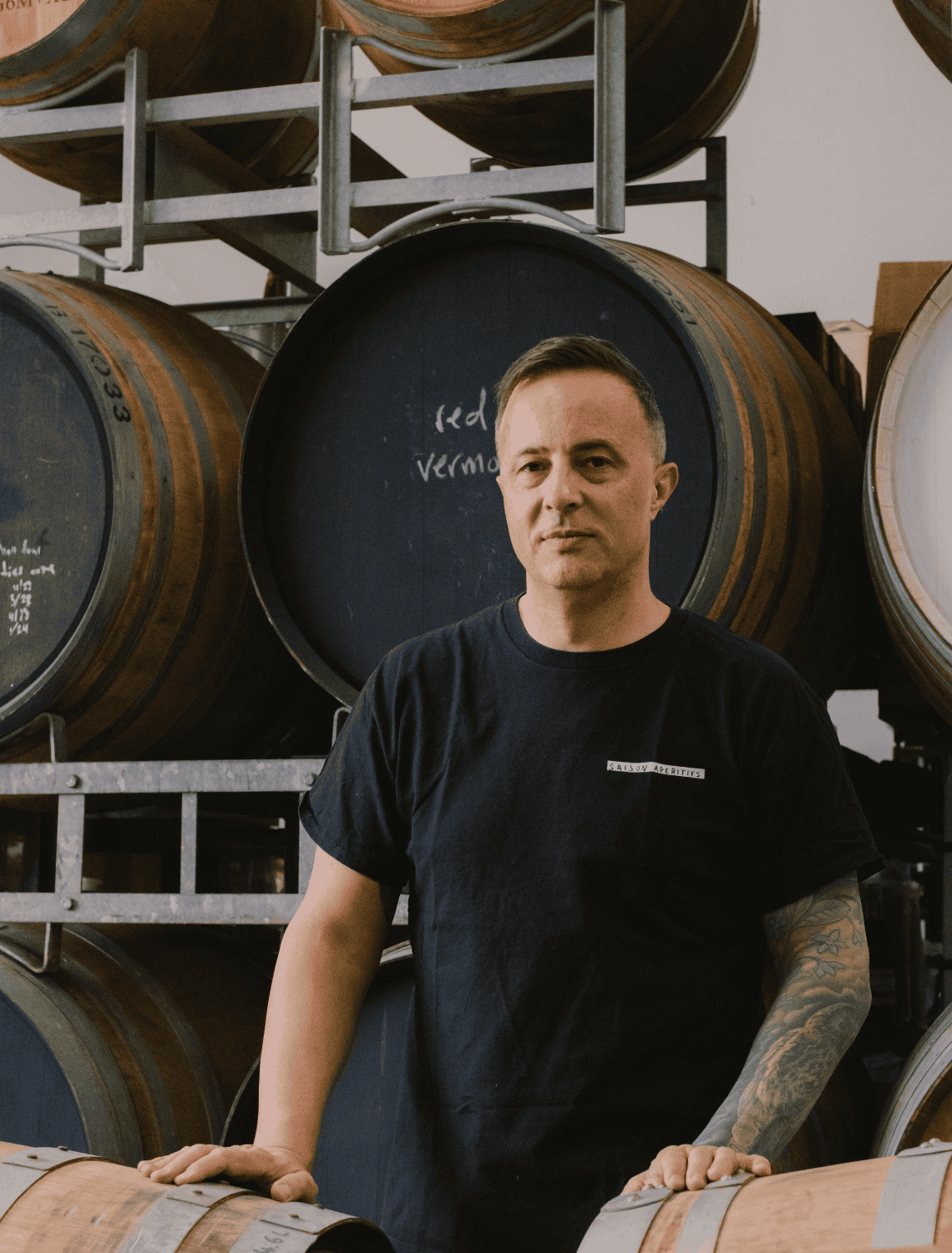
She wrote about it enthusiastically, and that small endorsement became the catalyst.
Verheul secured his licensing just as Melbourne entered the world’s longest lockdown—over 200 days of restrictions that, paradoxically, became the perfect launchpad for a new drinks brand. The first batch of 228 bottles sold out within a week, and the early releases continued to vanish just as quickly through sheer word of mouth in the hospitality community. As demand has grown however, the focus has shifted from selling out to ensuring consistent, reliable supply for a steadily expanding audience.
What sustains that momentum is a fundamental rethinking of what luxury aperitifs should be. “If you sit in a little vermouth bar in Barcelona or Madrid, you get given a vermouth that’s dark, sweet, brown and caramelly, and they give you olives and anchovies and chips to balance it,” Verheul observes. “Working with food for so long, I just couldn’t understand why you needed something else to balance it. Why can’t they be balanced from the beginning?”
Saison’s aperitifs are curated to be lighter, cleaner, lower in sugar and bitterness than their European counterparts. The premise is entirely seasonal: summer releases are light and floral, winter ones darker and richer, mirroring how the body craves different flavours with changing seasons. “They’re actually just really light drinks made from natural ingredients,” he says. “There’s no flavour companies or any type of rubbish whatsoever.”
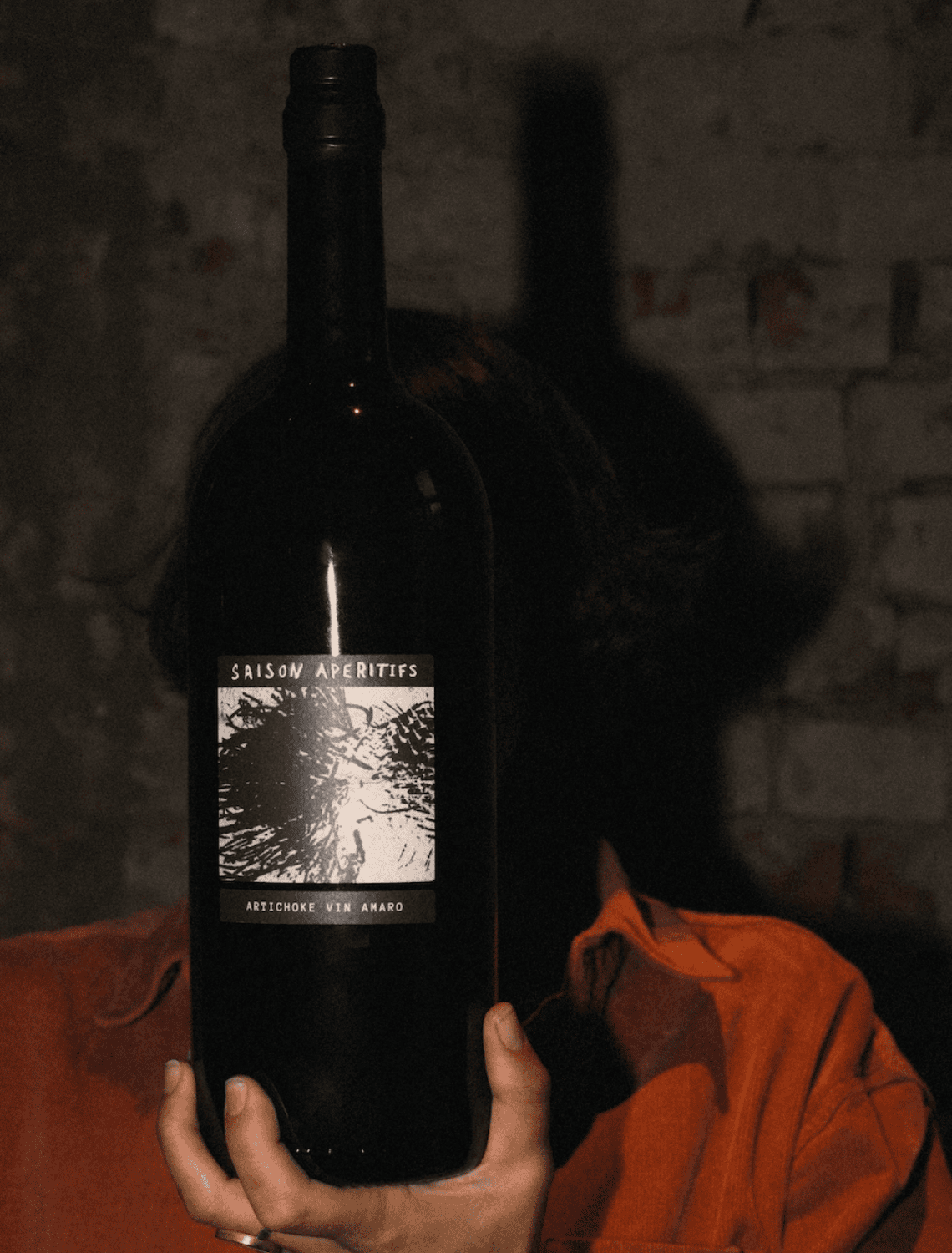
The ingredients define the luxury. “We work really closely with a network of organic farms that I’ve set up over the years through the restaurant,” Verheul explains. One supplier brings him extraordinary quantities of elderflower once a year when they meet annually. Certified organic farms cultivate the bittering herbs and rare quinces processed at their seasonal peak. “There are a lot of shortcuts that could be made, but we definitely take the harder road,” he says. “It shows in the end product when things are made from natural ingredients grown by good people in the right way.”
These relationships weren’t built for Saison, they were forged during Verheul’s restaurant years, when finding exceptional suppliers meant everything. It’s created a supply chain based on trust rather than scale, quality rather than convenience, provenance rather than profit margins.
Yet luxury, for all its supposed universality, doesn’t translate evenly across borders. Singapore has become the crucial testing ground for this cultural exchange. Verheul has partnered with The Sake Company to navigate the city-state’s sophisticated bar scene and exceptional restaurant culture. What he’s discovered has fundamentally changed his approach.
“We make one vermouth from quinces, which you don’t really get through Asia or South Asia,” Verheul notes. “For us, it’s one of our best sellers in Australia and New Zealand. The focus is introducing people to this completely new flavour profile, it’s an entirely different reference point.”
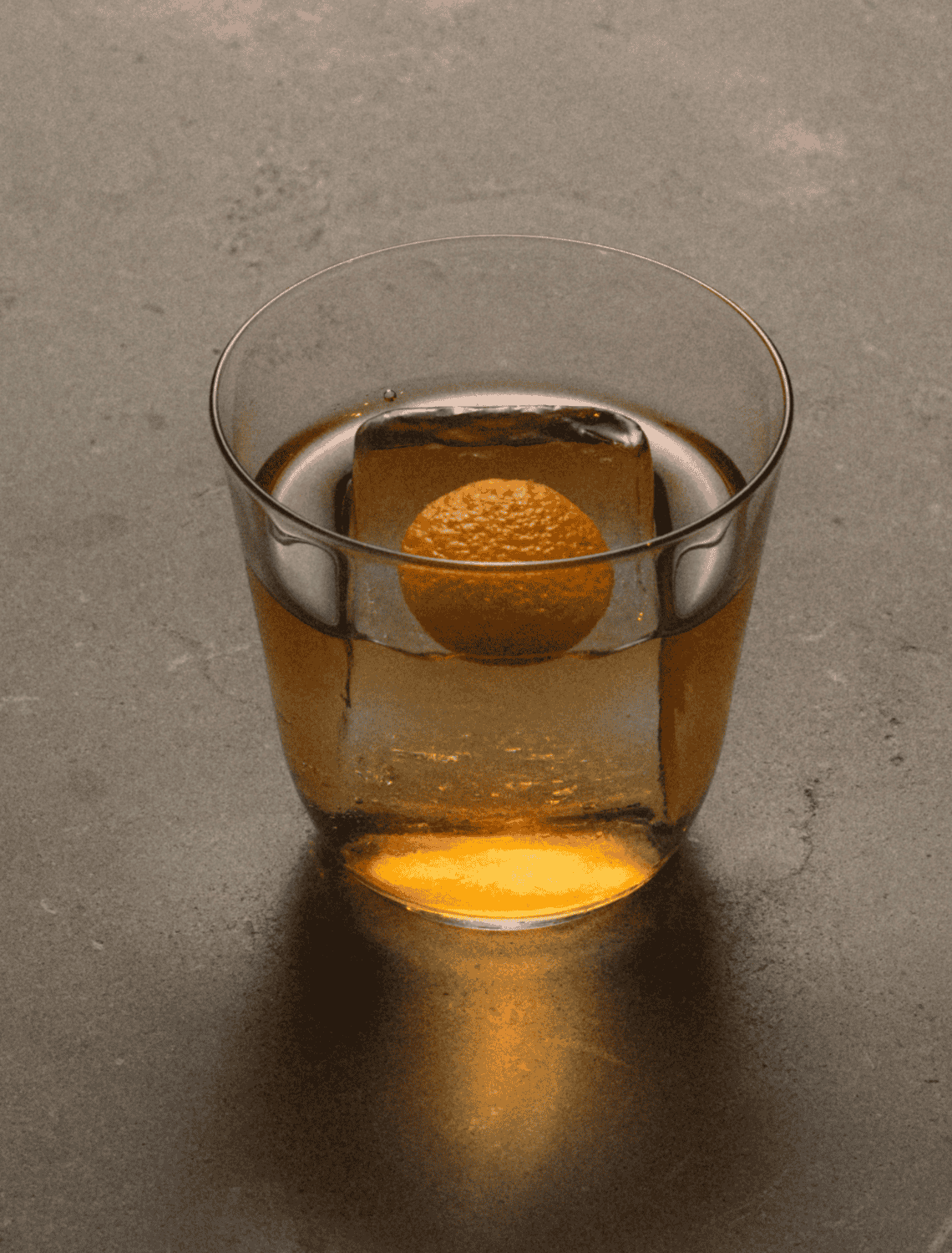
More revealing is what he’s observed about how Singaporeans experience luxury spirits. “In Singapore, drinking is a very communal, sharing experience. It’s about time with family and loved ones, which is genuinely luxurious,” he explains with evident appreciation. “You notice it in how the market works. For example, through distribution strategy we learned there aren’t as many retail stores for alcohol compared to Australia, because people gather at venues to share these moments together. That’s shaped how I think about Saison here. It’s not just about the bottle, it’s about creating something that enhances those joyful, shared experiences.”
For Verheul, the joy lies in travelling and discovering how different regions express flavour. Each place he visited in Asia introduced a new palette of inspiration—pandan, lime, florals, and even durian—ingredients that carry memory, emotion and a sense of identity. “A single taste can unlock someone’s childhood or a moment they’d forgotten, that’s incredibly powerful,” he says.
What inspires him most is the interplay between these regional discoveries and the fresh, bright, crisp, healthy drinking culture he champions in Australia. The more he travels, the more he realises how beautifully these flavour profiles can speak to each other. It’s not about tailoring or creating for any specific place; it’s about letting the experiences of the road expand how he thinks about balance, craft and the possibilities of flavour. He also loves seeing how talented bartenders and sommeliers interpret aperitifs through their own instincts. “Watching people use a product in ways I never imagined is one of the most energising parts of this whole journey,” he says.
This is where luxury lives for Verheul: not in exclusivity for its own sake, but in the integrity of rare ingredients, the honesty of transparent production, the genuine exchange between cultures. Saison is now available in eight countries, about to enter several US states, with each market teaching him something new about how sophisticated drinkers engage with aperitifs.
Growth brings its own complexities. Scaling requires capital and expanded production facilities, though the intention remains to grow without compromising what makes Saison distinctive. Verheul also understands that younger generations are drinking differently. “One big shift has been canned drinks,” he observes. “They may seem like they lack luxury at first glance, but it’s about the ingredients that give them that credibility, not the packaging. People want authenticity.” Recently, he partnered with Mischief Brew, an Adelaide-based producer of natural sodas, to launch a sold-out iteration of a canned amaro tonic. “We describe it as a natural spritz for grown-ups,” he says with amusement.
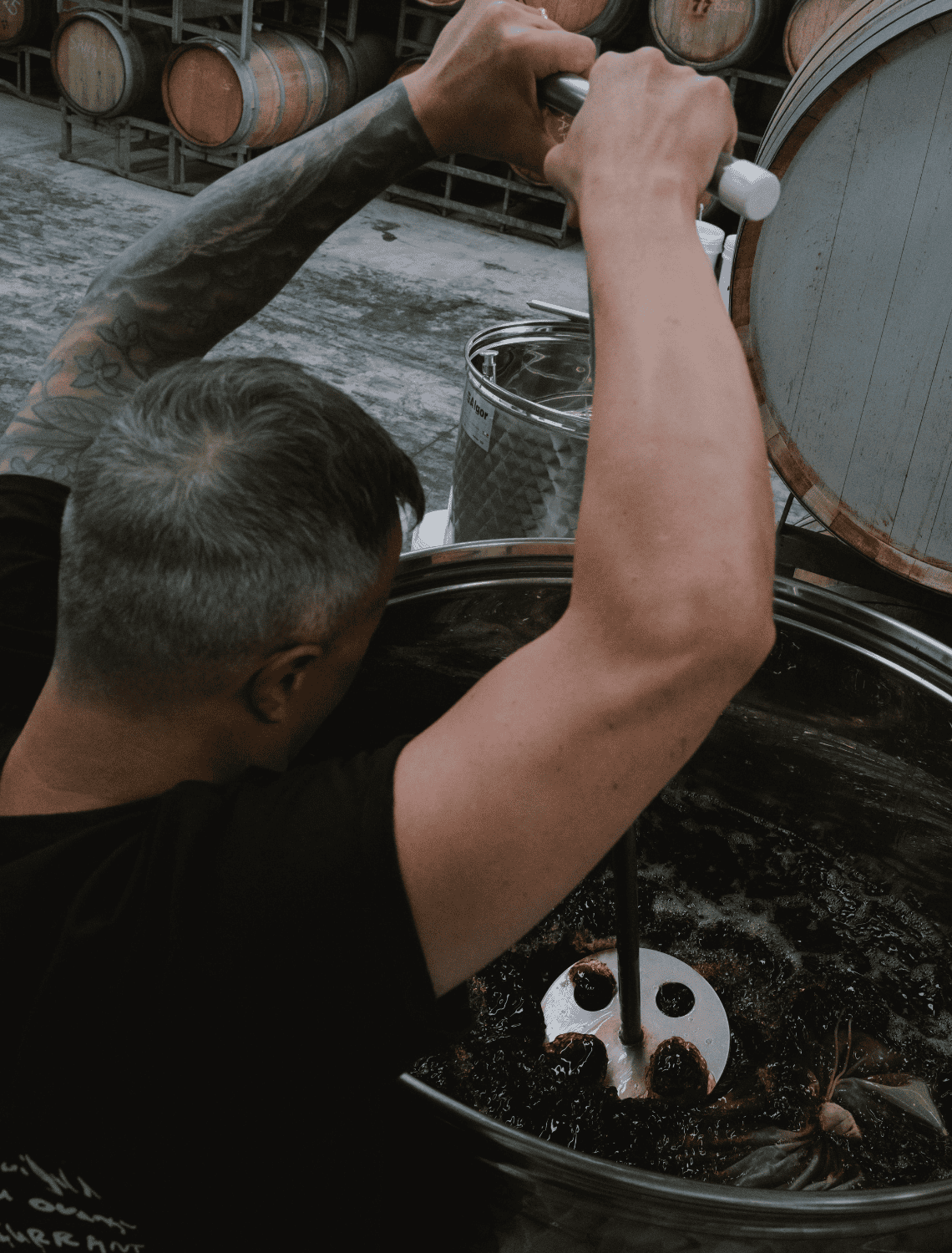
Whether in a bottle or a can, Saison is built on seasonality, transparency, and restraint. It reflects Verheul’s unlikely trajectory—from a small New Zealand town with almost no food culture, through London’s most demanding kitchens, to Melbourne’s democratic wine bars, and now across Asia’s most discerning drinking markets.
In an industry still dominated by European heritage brands trading on romance and mysticism, Saison proposes a different future, one led by the Asia-Pacific. The next chapter of the luxury aperitif category may well be written not in Piedmontese valleys or Catalonian plazas, but in a Melbourne kitchen and refined in Singapore’s bars, where Australian seasonality meets Asian sophistication, and transparency goes hand-in-hand with tradition.