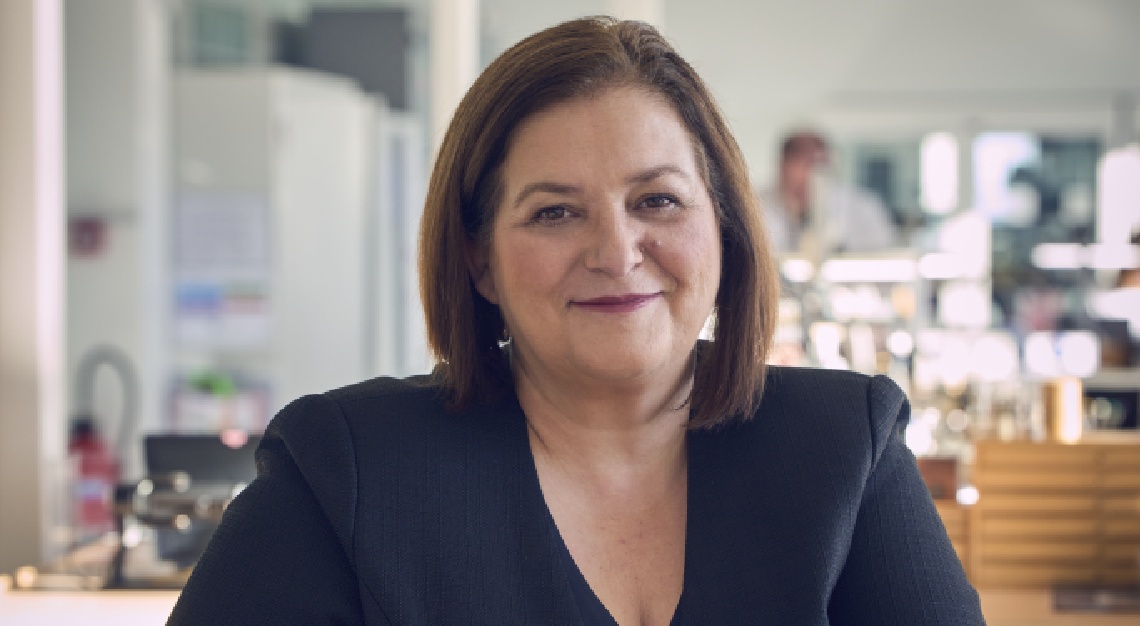
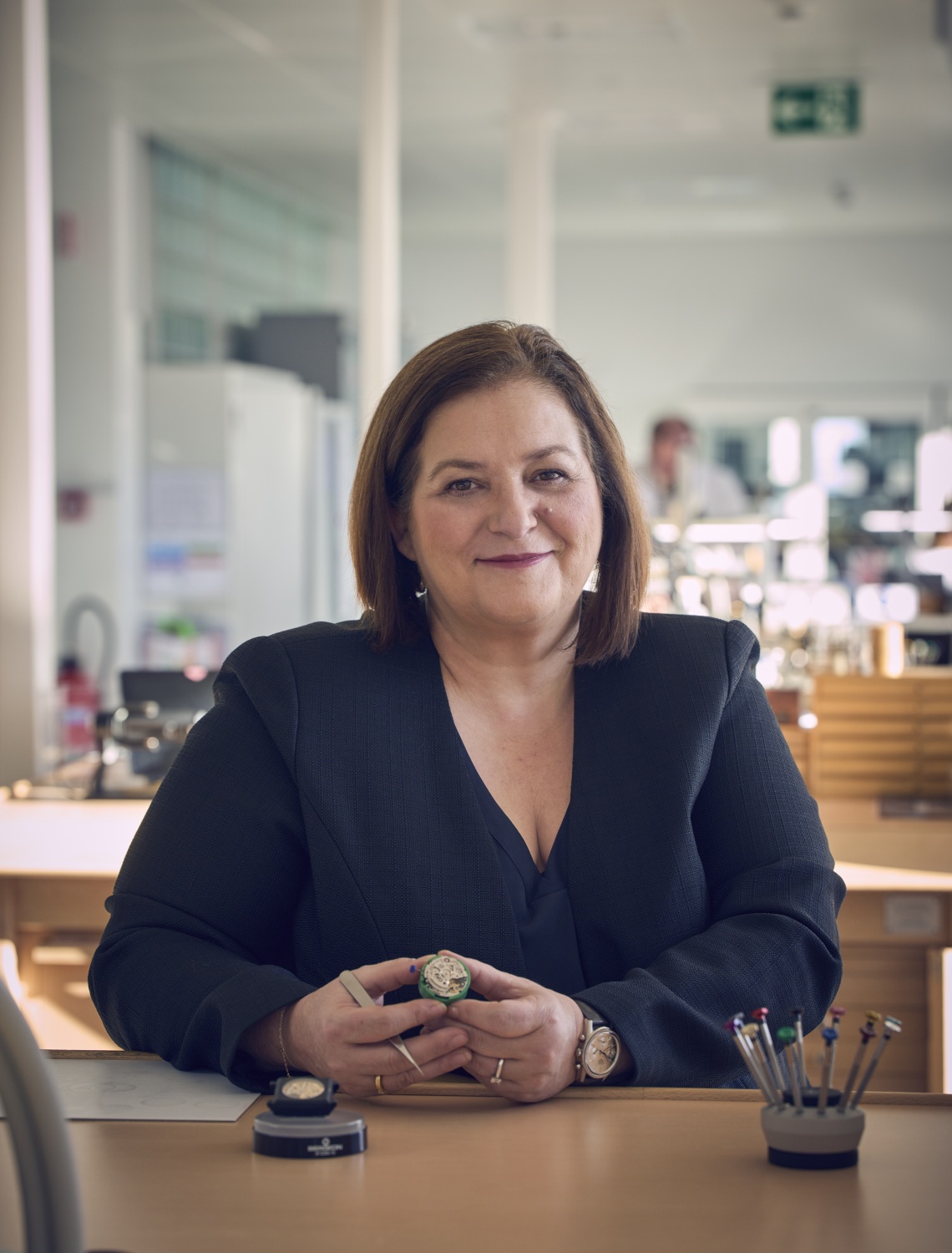
Carole Forestier-Kasapi, who oversees the creation of TAG Heuer’s mechanical engines, is also helping the company navigate the twists and turns of 21st-century watchmaking
Over the past three decades, acclaimed watchmaker Carole Forestier-Kasapi has created some of contemporary horology’s defining timepieces, from skeleton watches whose movements double as hour markers to concept watches designed to require no servicing or adjustment throughout their lifetime.
Now, as movements director of TAG Heuer, Forestier-Kasapi continues to be at the heart of mechanical innovation. The difference is one of scale and scope. She now helms the company’s entire movement-making division, with a mandate that stretches far beyond any single calibre. Even so, her approach remains unchanged: build it step by step.
Since joining TAG Heuer in 2020, Forestier-Kasapi has reorganised the movement development department and realigned the team around what she calls “new normals”, structured across a pyramid of ascending ambition. At the base, TAG Heuer has established new benchmarks across its watches’ specifications, with minimum COSC certification for precision and performance, and five-year warranties as standard.
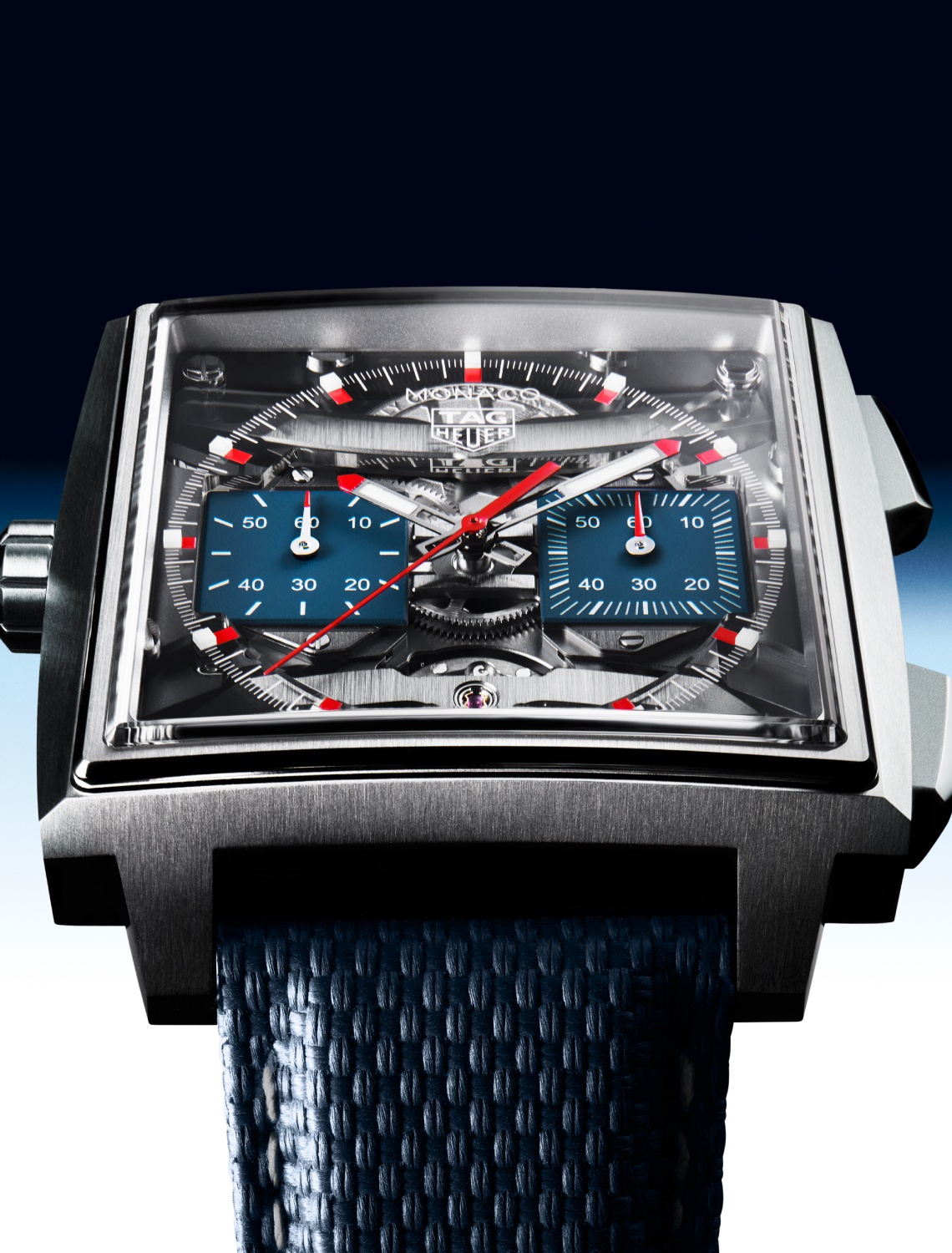
At the apex sits the connoisseur-level movement, and the recently released Monaco Evergraph is Forestier-Kasapi’s statement of intent at that summit: a revolutionary chronograph powered by a movement with avant-garde architecture, engineered for optimum timekeeping accuracy and robustness.
Here, she fields our questions on her approach to developing chronographs—the Evergraph being the centrepiece of TAG Heuer’s releases this year—and reflects on her journey with the company so far.
How do you view the chronograph against all the great watch complications like a perpetual calendar or a tourbillon?
I think the chronograph tells the story of precision timekeeping and is a constant source of innovation. It is also a complication that lies at the heart of TAG Heuer. If you look at our history, we have always been a maker of chronographs—a timekeeper for our industry, so to speak.
Does your approach change when you work on chronograph movements compared to other types of watches?
My motto is always the same. I try and see things from the point of view of the customers. What are their expectations and how can I exceed them? Specific to the chronograph, I think in terms of better quality, durability, and precision, and offering a new sensation when it comes to activating the mechanism.
How does a high-end chronograph feel compared to regular chronographs?
When you activate the pushers, they are very precise and smooth. The mechanism starts and stops in a sure manner, but it’s not too loud or forceful. You get a sensation of precision.
Describe your creative process when developing the Monaco Evergraph.
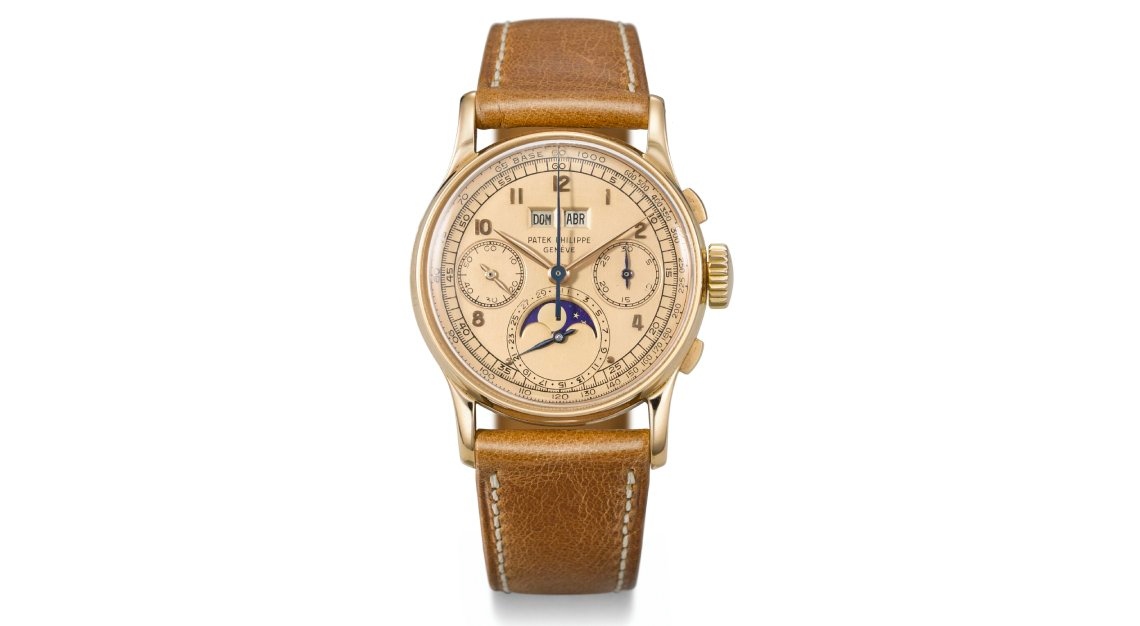
Again, I go back to the pillars of quality, durability, and precision. We established those as our objectives. But to start, I went to the big auction houses all over Geneva to try and test all the best chronographs, and get a sense of what the pinnacle of this complication is. After that, it is about thinking out of the box to get the technical solutions we want.
You joined TAG Heuer six years ago to helm the movement making division. What was the road map that you planned?
The most important thing was to start the right way. I communicated with the management my views on the state of the luxury watch business today and TAG Heuer’s place in it. With regard to making our movements, it was clear that the expectations for TAG Heuer have to be higher and we have to deliver innovative, high-performance, and reliable products to stay ahead of the curve.
Would you say that you are on track so far?
The most complicated thing about the plan we set out to do is that it takes time. The vision and strategy are clear but, along the way, there will
surely be challenges and doubts. But we have stayed the course and have been consistent so far. I believe we have achieved a lot but we are looking to elevate things even more.
You have an illustrious career. What do you love most about your job and what is the most challenging bit?
I love the creative process and the camaraderie of it all; working with designers and engineers to come up with solutions and bring innovations to fruition. The biggest challenge? Learning to have patience. Watches take a long time to come to life.
This story first appeared in the August 2026 issue. Purchase it as a print or digital copy, or consider subscribing to us here