A legendary architect has died, but his iconic work lives on
Frank Gehry, the legendary architect and reluctant poster boy of the post-Modern deconstructivism movement, died in Santa Monica on 5 December 2025. Born in Toronto in 1929 before migrating to Los Angeles as a teenager to pursue architecture, Gehry became a man of asymmetrical proportions, favouring human emotion and the unexpected over minimalism and rigidity. His brilliance rested on the capacity to rethink and reinvent, to always treat a building as a sculptural object, even if it means getting accused of excess.
Here are five (of many) notable designs by the late great architect.
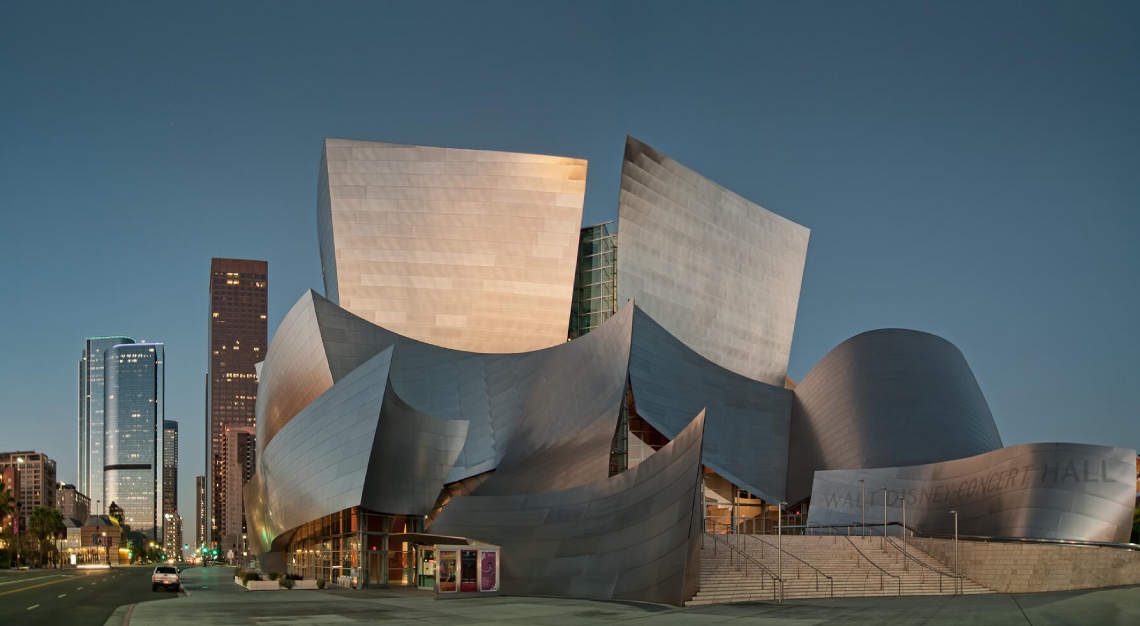
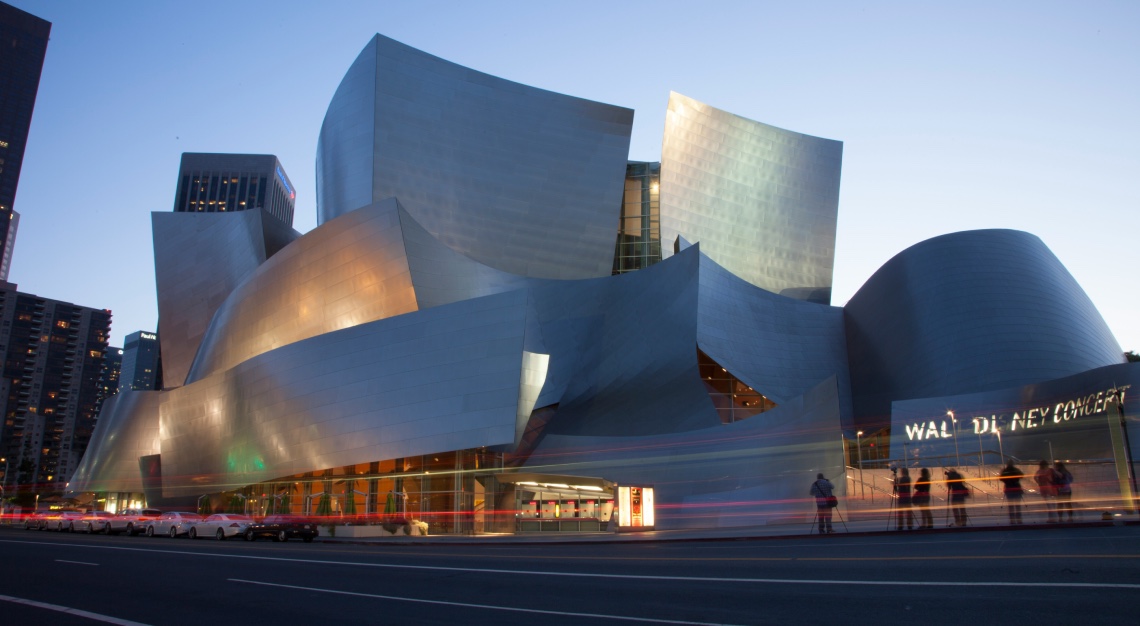
Walt Disney Concert Hall, USA
With the same kind of imagination as Walt Disney, Frank Gehry created an architectural masterpiece that forever changed the musical landscape of Los Angeles. Gehry made sure every aspect of the auditorium was created with the musician in mind, harnessing the perfect acoustic environment that captured the eyes and ears of the world from the moment it opened in 2003.

Vitra Design Museum, Germany
This museum was established with the aim of making Vitra’s growing collection accessible to the public. As Gehry’s first building in Europe, the building emerged as a work of deconstructivism and collage of towers, ramps and cubes. The museum totals around 700 square metres of real estate, dedicating itself to the research and presentation of design, past and present.
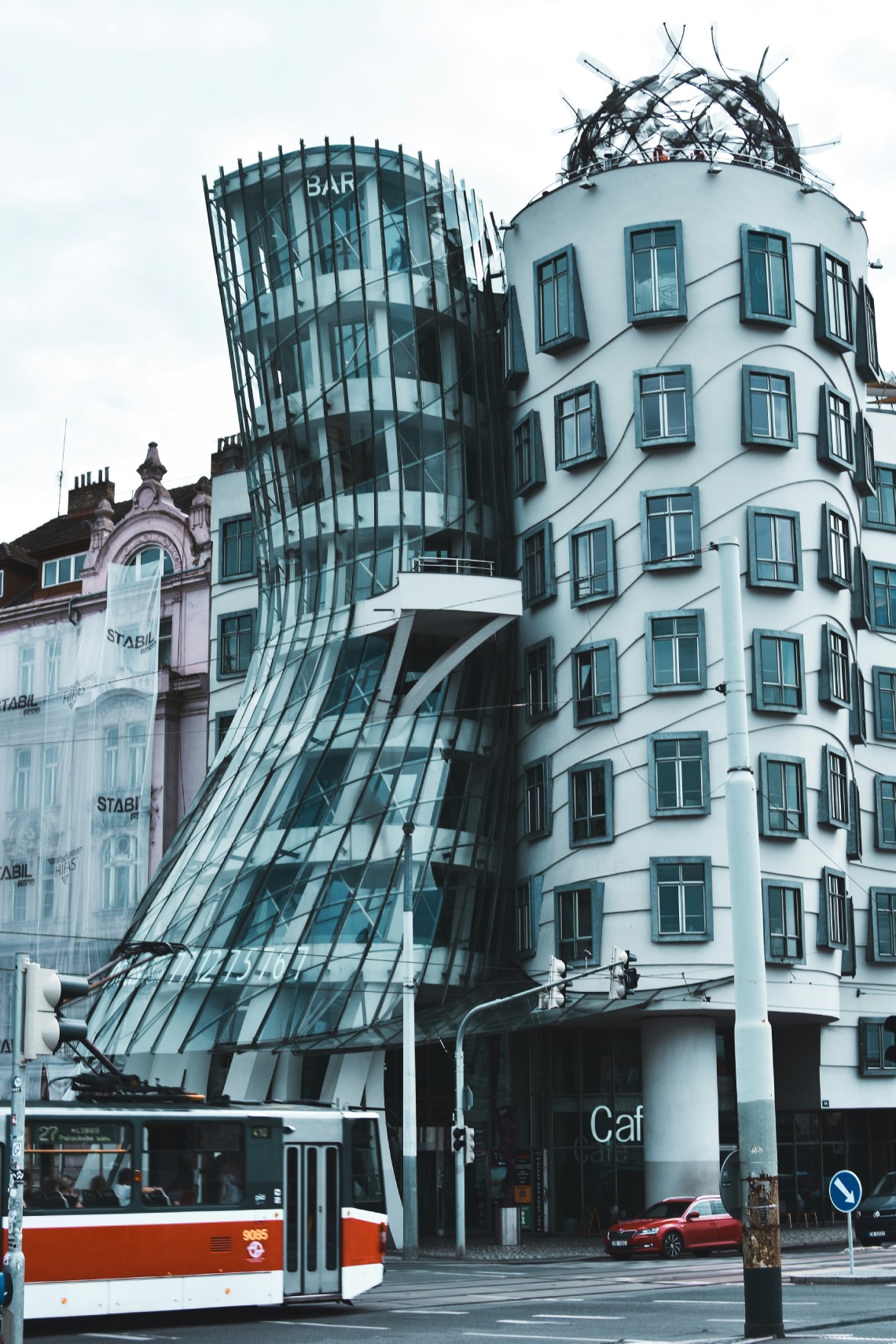
Dancing House, Czech Republic
Designed by Gehry and Czech architect Vlado Milunić, Dancing House is a building inspired by dancing duo Fred Astaire and Ginger Rogers, as seen in its narrow-waisted glass tower leaning against its more upright partner of stone. Born in 1996 among Prague’s many Baroque, Gothic and Art Nouveau buildings, this is now a place home to offices, an art gallery, a rooftop restaurant and hotel.
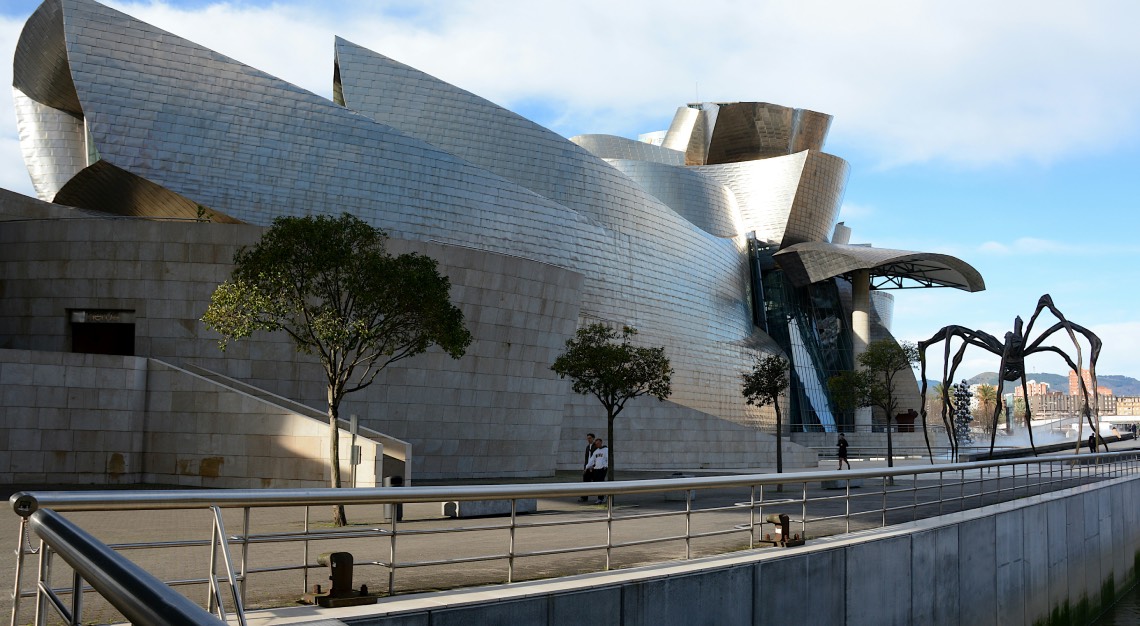
Guggenheim Bilbao, Spain
This is the reason the term “Bilbao effect” exists. With its complexity and captivating materiality, this Frank Gehry icon drew so many tourists from across the world that it dramatically boosted Bilbao’s economy. Built like a fantastic dream ship cloaked in titanium alongside the Nervion River, it was immediately recognised as one of the world’s most spectacular buildings in Deconstructivism, and one of the most important works ever since its inauguration in 1997.

Museum of Pop Culture, USA
Gehry became the first-ever architect to use Computer Aided Three-Dimensional Interactive Application in the creation of the Museum of Pop Culture in Seattle. Inspired by the energy, movement and fluidity of pop culture, this one-of-a-kind visual experience is cloaked in 21,000 individually cut and shaped steel and aluminium shingles. They respond to changes in light conditions and appear to shift when viewed from different angles, serving as a reminder that music and culture will forever be evolving.
Featured photo by Linda Pomerantz Zhang on Unsplash