Fritz Hansen’s Henrik Steensgaard on what the brand is really selling, why quality will always outlast price, and what it takes to keep an icon relevant for generations
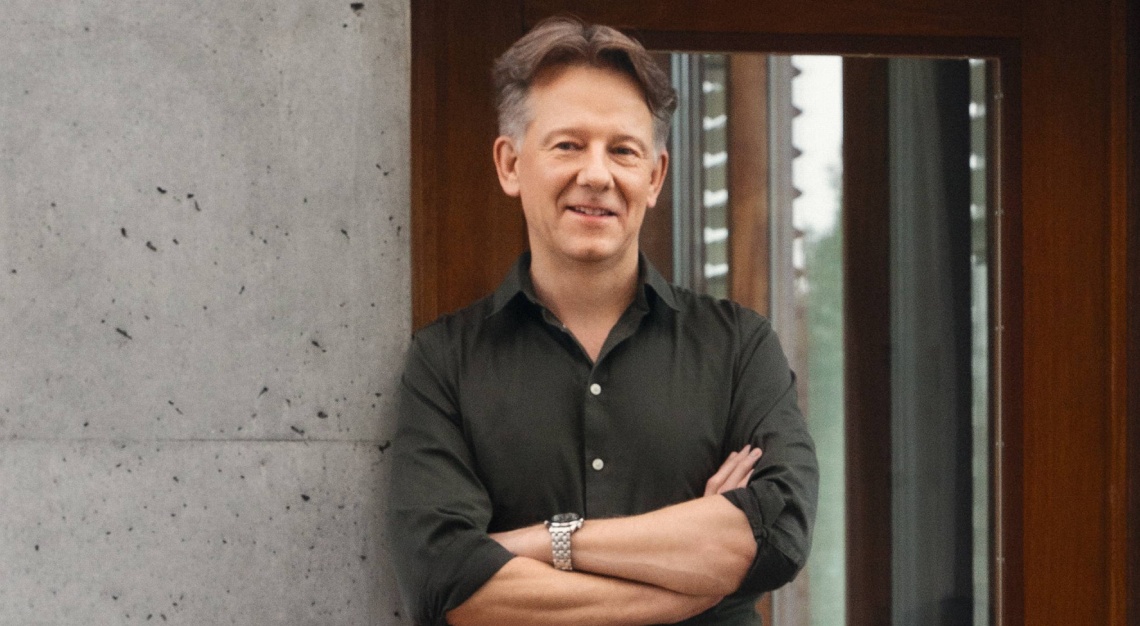
For someone who is the purveyor of luxury furniture, Henrik Steensgaard, the CEO of Fritz Hansen, says that he does not like the word luxury. Before you judge him, he quickly adds that luxury “tends to be just about price. I believe much more in good taste and strong design. Building things in the best materials is a luxury.”
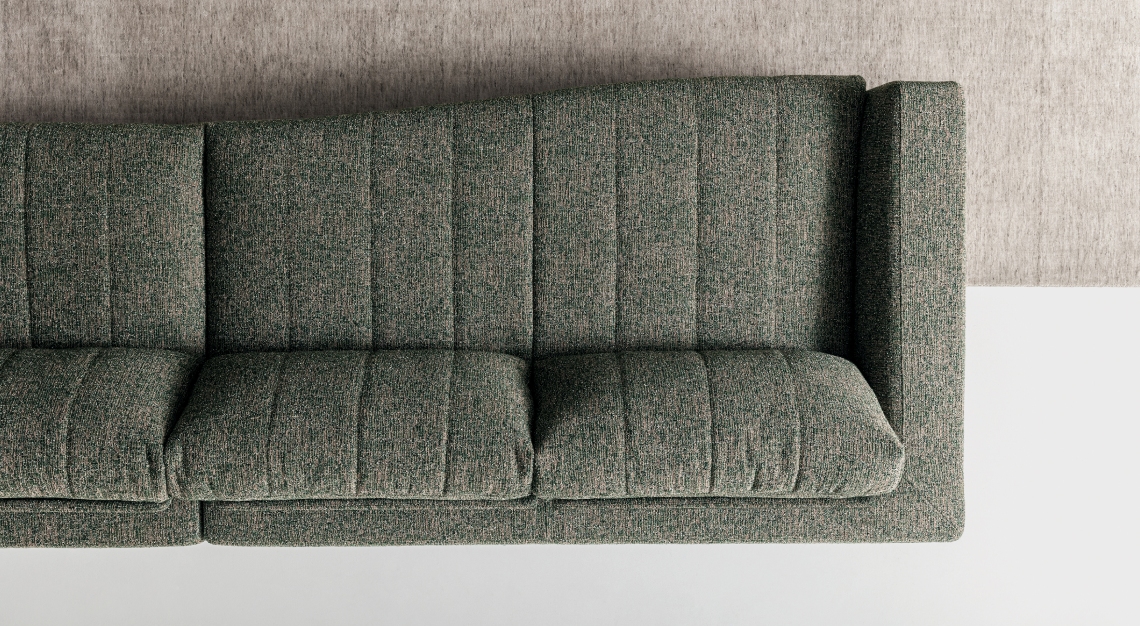
He argues that this makes economic sense, citing the example that if you have a chair for many years, and most Fritz Hansen products actually get more beautiful with age, the investment justifies itself. He does not talk a lot about luxury; instead he talks about longevity, about picking supreme materials, about respecting the original design intent while keeping it relevant today. “It’s remarkable that products made in the 1960s or ’70s still fit into homes that have changed enormously since,” Steensgaard says. “Quality never goes out of style. Maybe beautiful simplicity never goes out of style either and at the end of the day, furniture also needs to be functional.”
Before moving into the design arena, Steensgaard worked in investment management and equity portfolio management at Sydbank, and briefly lectured in financial risk management at Aarhus School of Business. He brings nearly two decades of CEO experience to Fritz Hansen, and the conversation that follows covers a wide range of design topics.
When you joined, what was the first thing you felt you needed to understand about the brand before making any big decisions?
For me it always starts with the people—first and foremost our employees, but also the many partners we have around the world. We’re an indirect business; we sell through partners in different forms, so I spent quite a lot of time talking to people. It was also about understanding the internal perception of Fritz Hansen, to gauge what we needed to do something about. I found it quite remarkable that we invited all our internal leaders—no matter where they were based or what function they had—into a very transparent conversation about what was working and what wasn’t. We ended up making a plan together, and I was surprised by how much agreement there was, regardless of country or role, about what was necessary to do.
Could you give an example?
It surrounds five priorities. The first is making sure the icons that we’re so privileged to have the rights to stay relevant. The second is building a pipeline of interesting contemporary products that fit our assortment. The third is nearness—being closer to our countries and our customers, listening to what’s going on in Singapore as much as in Sweden. The fourth is the need to be better for the world, and the best way we can do that is by embracing the fact that our products can have a very long life—supporting that through many forms of furniture renewal. It’s not always easy because it’s complicated, but overall it’s good for the brand and good for the environment, which matters enormously now. And the fifth is regaining our relevance in the contract and project side of the business. We were more or less born out of projects—many of our chairs were designed for hotels or restaurants—but we’ve gradually developed into premium and luxury retail. I believe we need to be able to do both.
What are the non-negotiable elements of a Fritz Hansen piece besides proportions, tactility, and lightness? Is there something else?
We come out of a Nordic design heritage, so functionality is key and keeping the design language simple is also key. Then there’s quality that lasts. This is probably the most non-negotiable part of it because we want to make things that last. Tactility is something we’ve actually softened a little; it may have been non-negotiable in the past, but we’ve become much more tactile, particularly in the softness of fabrics. Colour isn’t tactility itself, but it plays with how a fabric resonates visually. A colour can make a fabric look more tactile even though it’s the same material. We’ve become more tactile in that sense, including in how we photograph our products, because materiality is such a big part of what we are. The imagery should make you want to touch the chair and understand the material on it.
Could you expand on the company’s sustainability angle?
At the end of the day, producing things isn’t good for the environment, so producing less is actually the best way to be good for the environment— not necessarily using recycled materials, but essentially making things that last. That, without a doubt, lessens our footprint. We’ve done a lot of initiatives to support this: offering restoration, renewal, and a lot of different spare parts, and we can install the furniture ourselves. We’re also restarting some very interesting transactions on the contract and project side, where we buy furniture back in one country, restore it, and sell it in another.
How important is the Asian market for you? Are you adapting your design language for these markets?
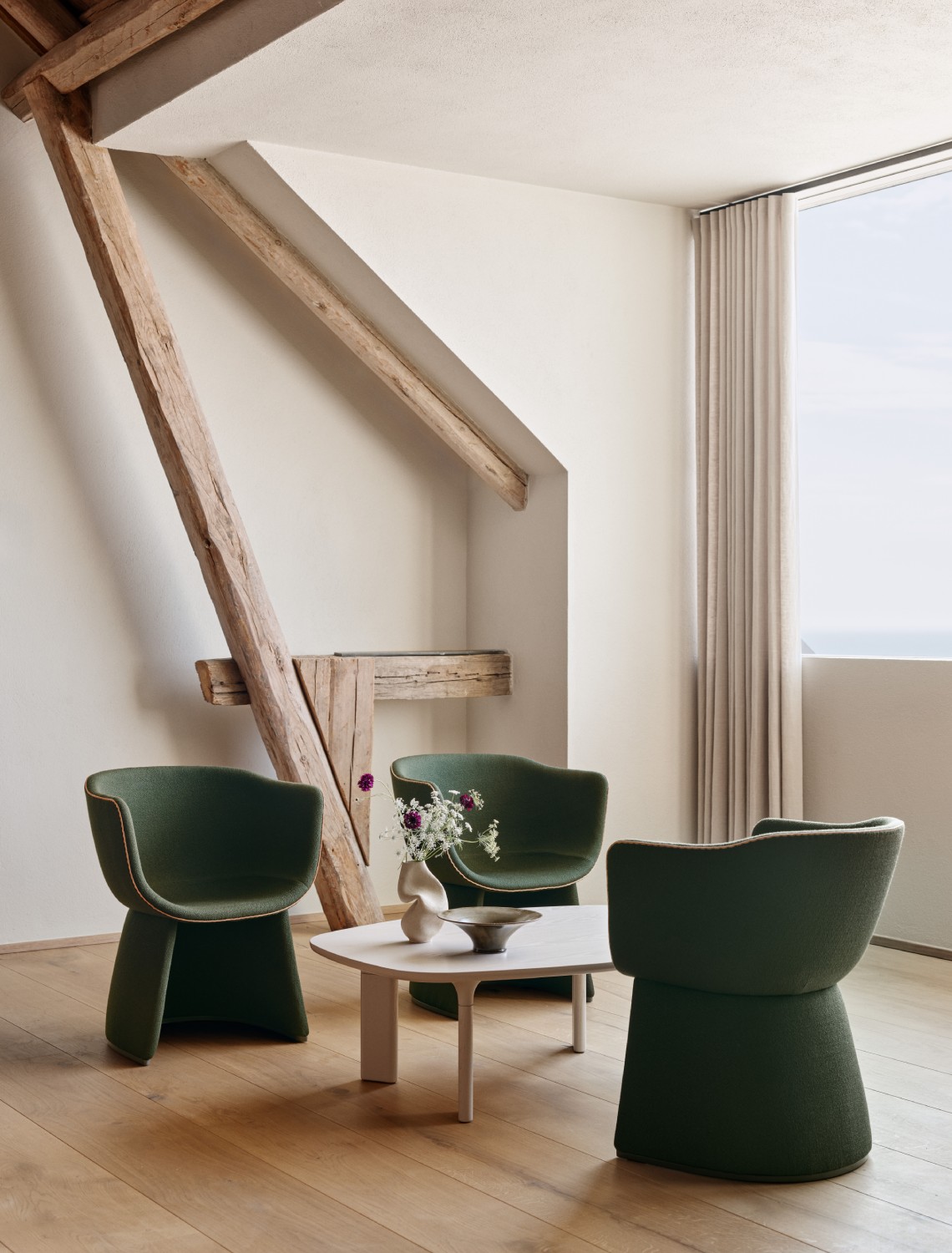
Asia is very important for us, and we have a wonderful team out here. We try to present our brand uniformly around the world, so the way we adapt is mainly through the assortment we offer. Some things work better in Asia and some less well, and we push what works best here. We’re also trying to make the right fabrics available: we were born in a country that’s quite cold and dry, and most of Asia has high humidity and high temperatures, so wool doesn’t perform the same way it does in the Nordics. We need textiles that make sense for the climate. Colours can differ too and we’re doing a lot of interesting collaborations with Asian brands, which is a good way to talk about the brand and do interesting things together. But at the end of the day, the brand must stay uniform. From a leadership point of view, there’s a lot of manoeuvrable freedom in how we develop Asia compared to the US or Europe. We need people who understand the local market to have real influence on what’s going on.
Looking ahead 10 to 15 years, what kind of pieces do you hope future heritage directors will pull from today’s catalogue and say, “this is the design that defined Henrik’s era”?
I hope nobody will talk about an ‘era of Henrik’. I hope they’ll say I was a nice guy who left things a little better than I found them. But I do believe many of the products we’re selling well now will also sell well in 10 or 15 years. We’ve hired a new creative director—the first time in Fritz Hansen’s history that design has had a seat in the top leadership group—a very talented young designer who has been with us a year and a half now. Good things take time, but we’ll start seeing the first products next year. We’ve also done some very interesting work with a new French designer who I’m looking forward to presenting, and I hope those pieces will be a big part of our business in 10 to 15 years’ time. There are some very interesting things in the pipeline that I look forward to sharing when the time comes.
Could you pick three of your favourite pieces?
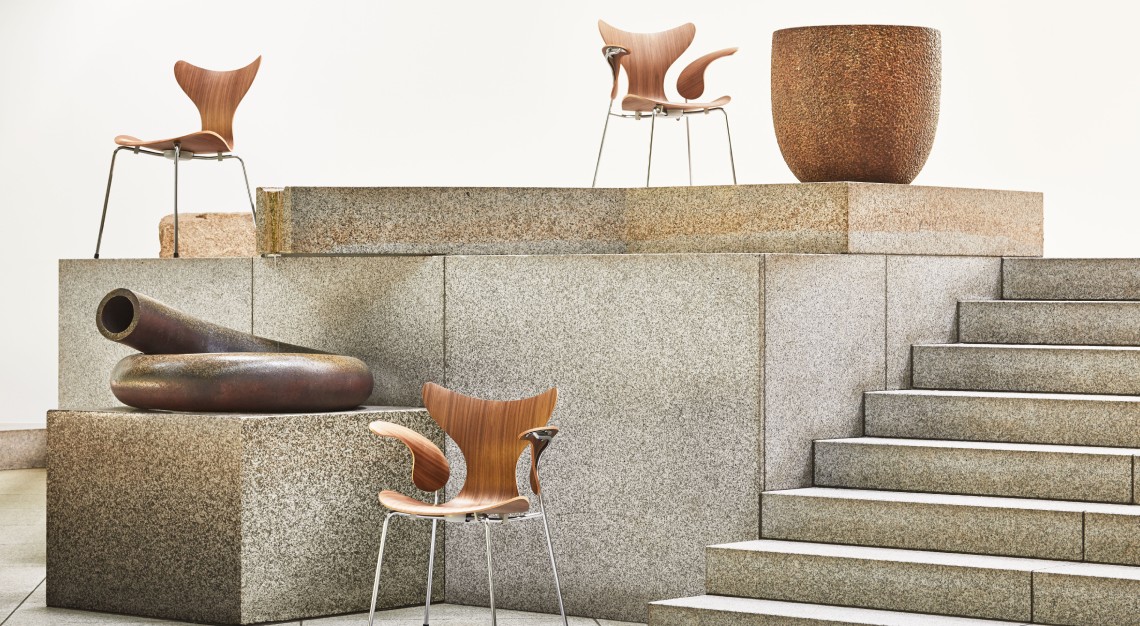
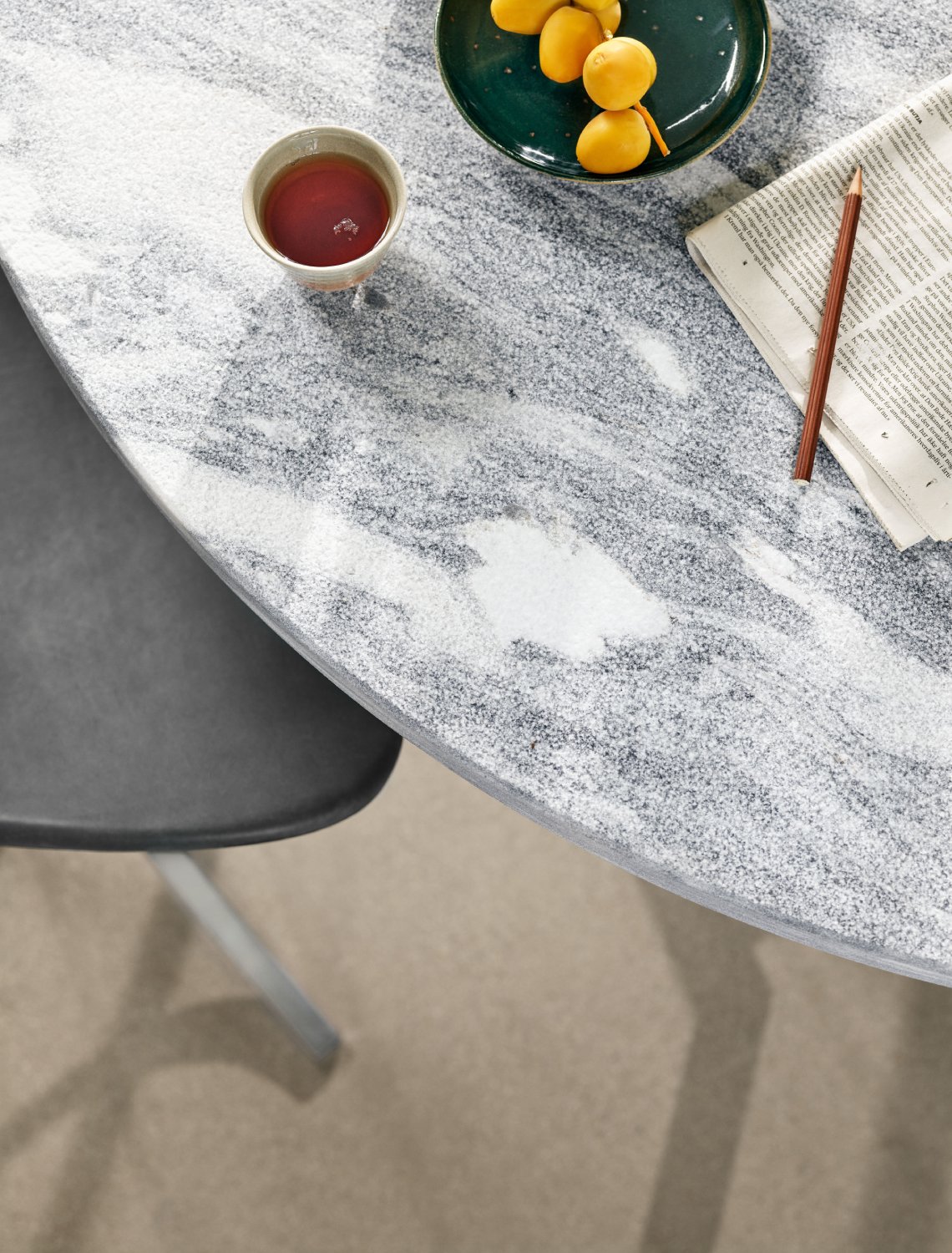
That’s actually quite easy. I love the Lily chair by Arne Jacobsen. It’s stackable and it was the last stacking chair he made, which makes it feel like his grand finale. We’re doing a lot to give that chair more space because it’s such a beautiful stacking design. I also really like the PK54 table. We did a new granite version. It was originally made in marble and now we’ve made a tabletop that’s equally beautiful but less delicate. And if I can only pick one more from our newer, more contemporary work, I’m a fan of the Monolit chair—a newer addition to the collection.