
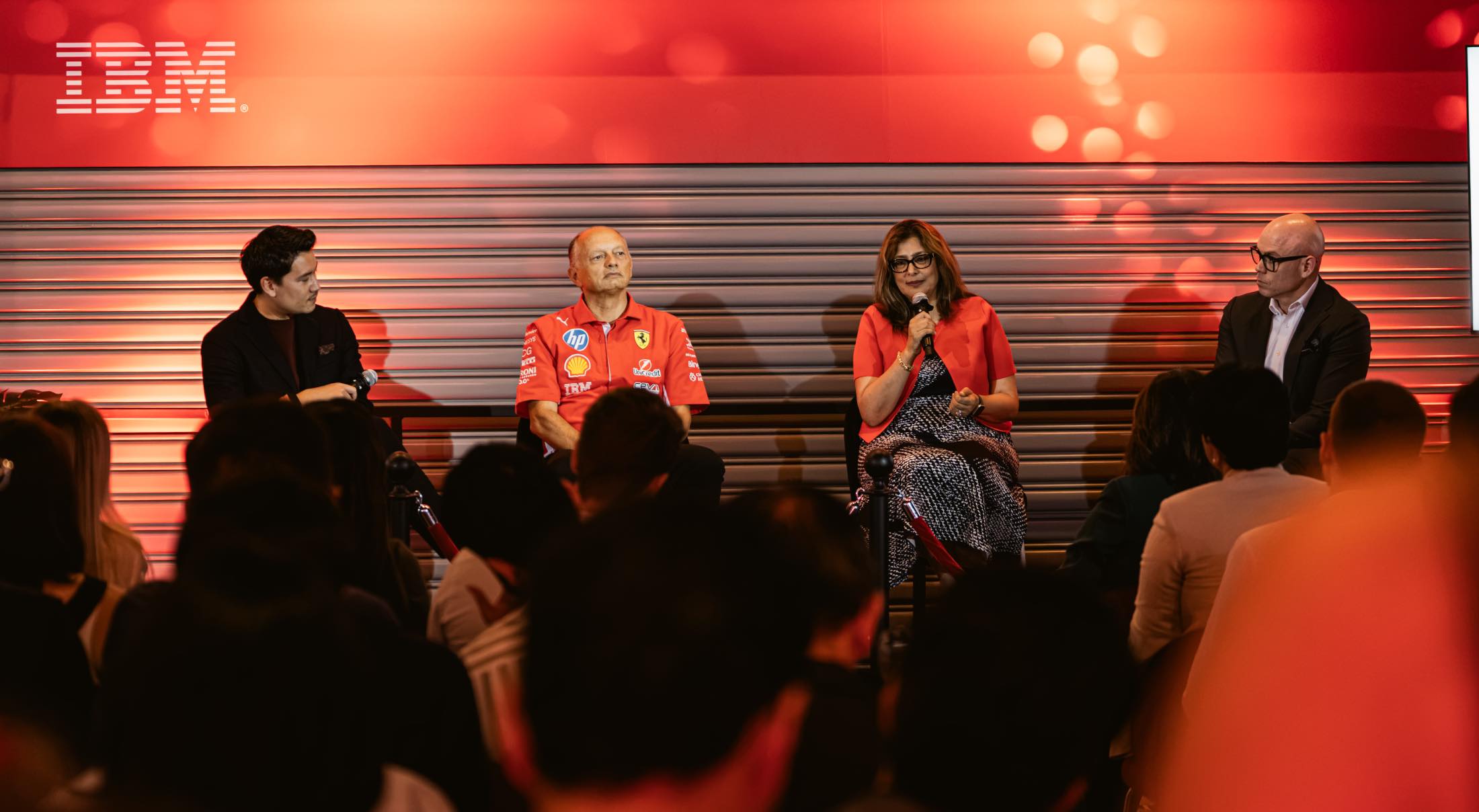
At Experience in Motion: Innovation Meets Instinct, presented by IBM in partnership with Beyond the Boardroom and Robb Report Singapore, senior leaders explored how artificial intelligence and human ingenuity can work together to drive business transformation, unlock new opportunities, and shape the future of innovation across industries
As artificial intelligence continues to reshape industries and redefine the possibilities of innovation, the conversation is increasingly shifting beyond technological capability to how AI can create meaningful value for businesses, industries and society. While the pace of advancement continues to accelerate, one question remains central: how can organisations harness the potential of AI while keeping human judgement, creativity and ingenuity at the heart of progress?
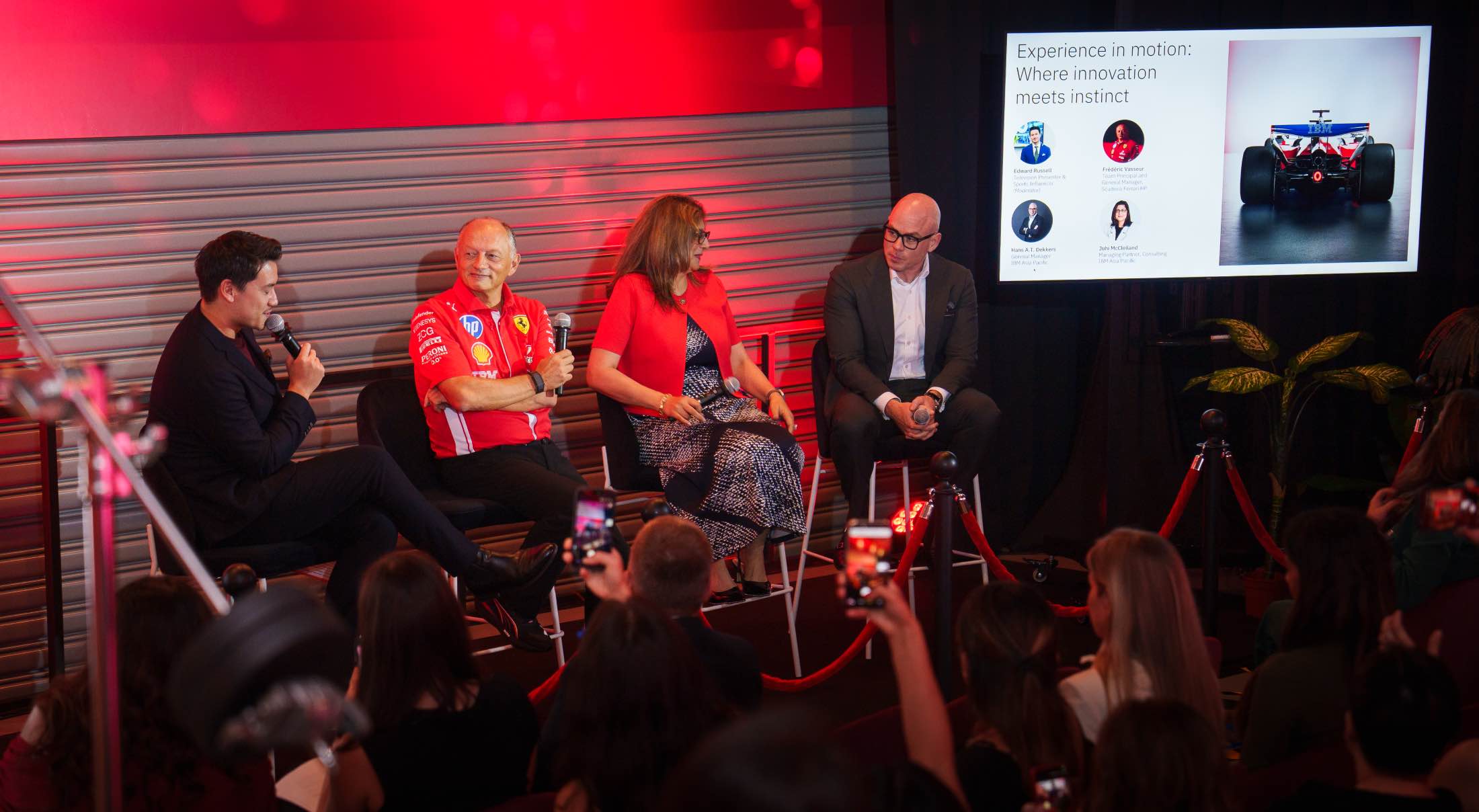
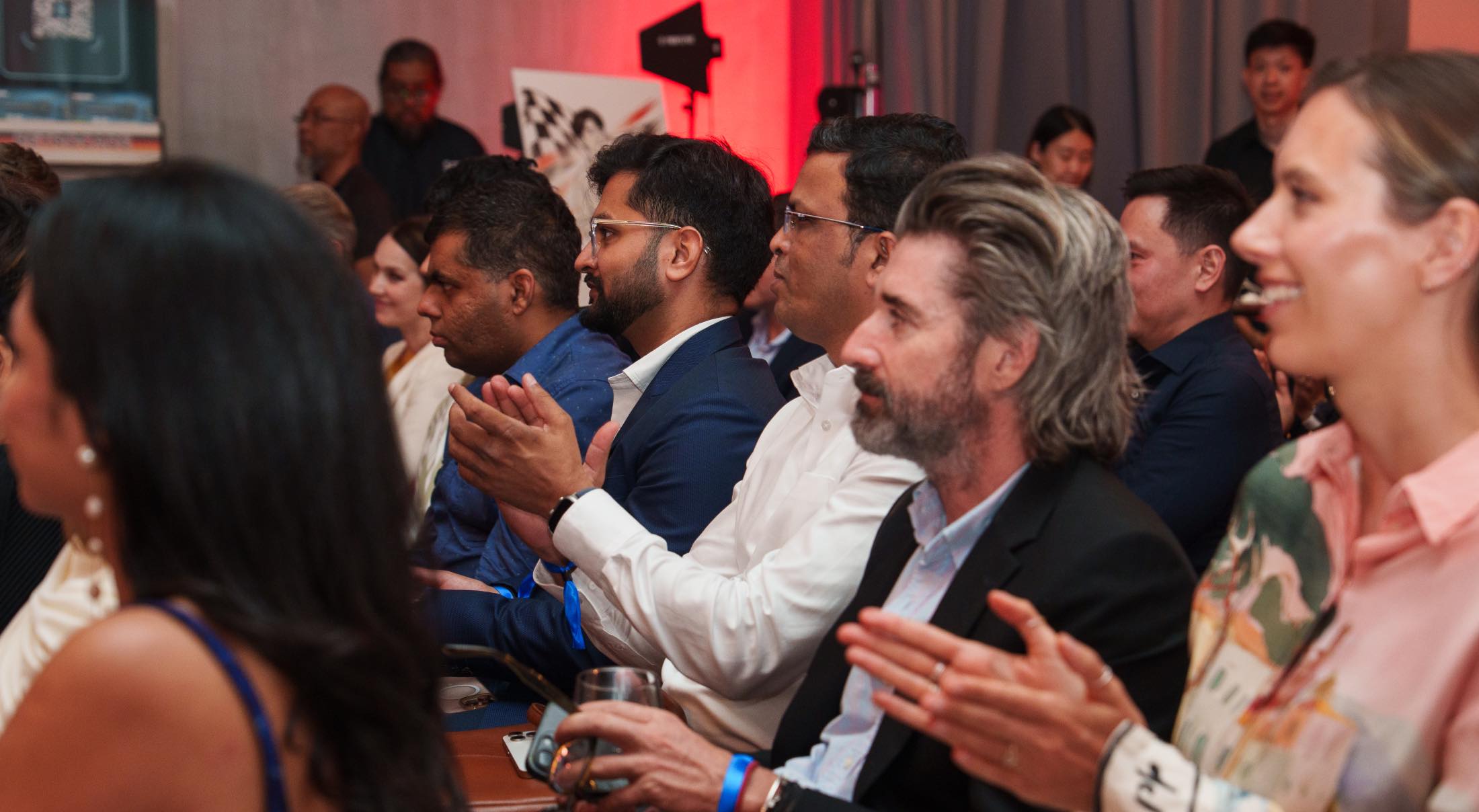
This was the focus of Experience in Motion: Innovation Meets Instinct, an exclusive evening presented by IBM, in partnership with Beyond the Boardroom and Robb Report Singapore. Bringing together senior regional and global leaders from IBM, Scuderia Ferrari HP, L’Oréal and Charles & Keith, alongside an invited audience of senior executives spanning retail, fashion, financial services, FMCG, technology and beyond, the event explored how artificial intelligence and human expertise can work together to unlock new possibilities, drive innovation and shape the future of business.
From the precision and split-second decision-making of Formula 1 to the creativity, consumer understanding and strategic thinking that drive businesses across industries, the discussions highlighted a common theme: as AI becomes increasingly sophisticated, the human element remains essential to turning technological potential into meaningful impact.
Setting the tone for the evening was an opening dialogue featuring Frederic Vasseur, team principal and general manager of Scuderia Ferrari HP, alongside Hans Dekkers, general manager of IBM Asia Pacific, and Juhi McClelland, managing partner, Consulting, IBM Asia Pacific.
Moderated by Edward Russell, television and radio presenter and seasoned Formula 1 broadcaster, the conversation offered a rare glimpse into the high-stakes world of Formula 1, where split-second decisions can make all the difference. Vasseur, in particular, brought his trademark dry wit and sharp insights to the discussion, offering a compelling perspective on the interplay between technology, human instinct and leadership under pressure.
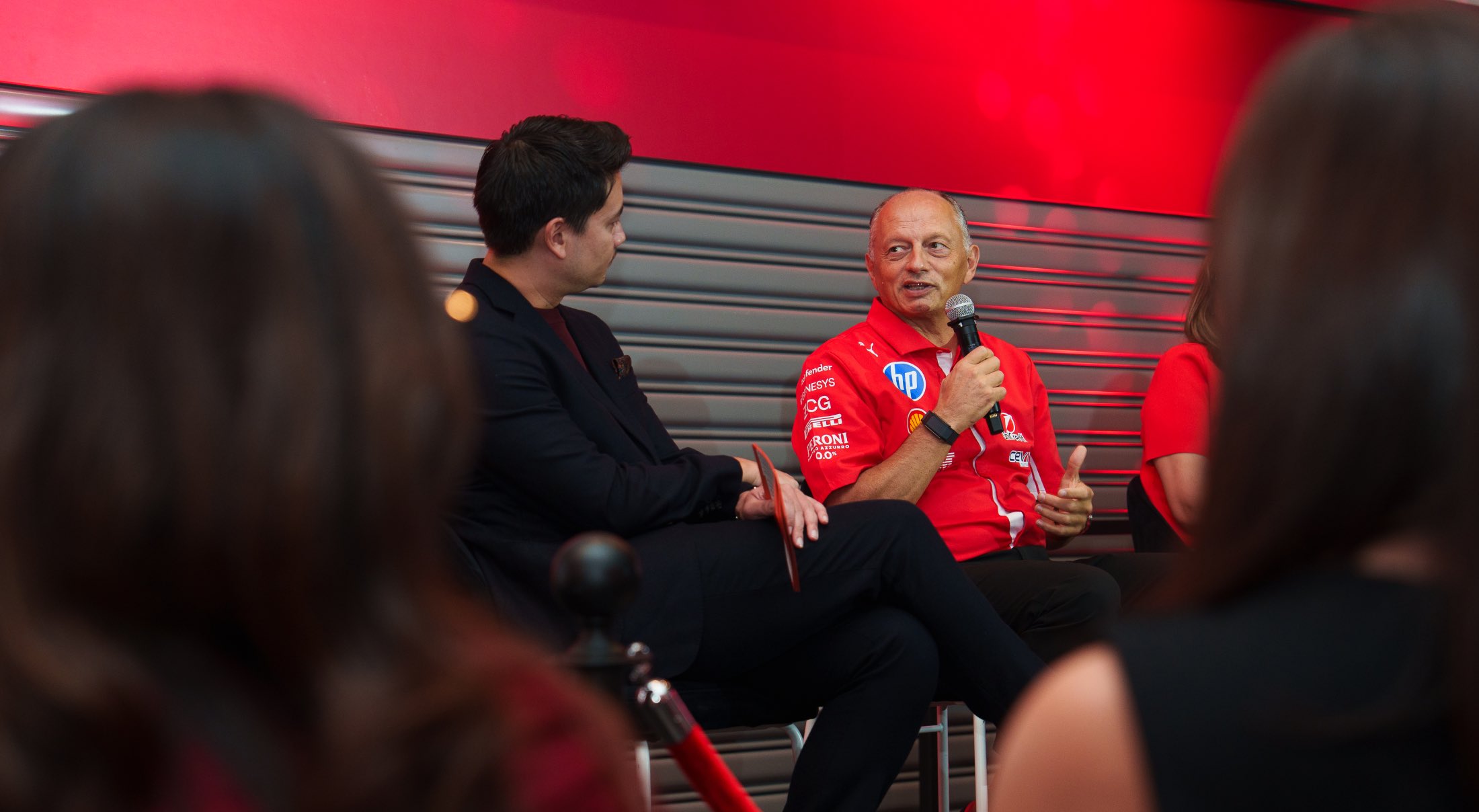
“You can have all the data in the world,” said Vasseur, “but you still need a human to push the button.” At Ferrari, that means balancing vast amounts of information with the judgement required to make decisions under pressure. “We have the people in the garage connected to the pit wall, and we have a remote garage in Maranello with 68 engineers connected to us,” he explained. “It doesn’t matter how much data or how many people you have behind you. At one stage you have to push the button and make a decision, and quite often the information isn’t all aligned.”
Data and technology are, of course, central to IBM’s partnership with Scuderia Ferrari HP, which extends well beyond the racetrack to the team’s global fanbase of 396 million Tifosi. As the team’s Official Fan Engagement and Data Analytics Partner, IBM has helped reimagine the Scuderia Ferrari HP mobile app, using its watsonx AI technology to transform complex racing data into accessible insights and engaging content. First relaunched in May 2025, the app offers everything from AI-generated race summaries and performance insights to interactive quizzes and race predictions, bringing fans closer to the action wherever they are in the world.
As Dekkers explained, the partnership is about harnessing the power of data and AI to create more meaningful connections with fans. “The governance models we have around AI and all that data need to get better, so that we can trust the decisions being recommended to us,” he noted, underscoring the importance of building confidence in increasingly sophisticated technologies.
The results of the partnership speak for themselves: since the app’s relaunch, cumulative downloads have increased by 35 per cent, while average monthly active users have grown by 36 per cent, demonstrating the potential of AI-powered experiences to deepen engagement at scale.
For McClelland, Asia Pacific, the starting point was always the human experience. “When we redesigned the app jointly with Ferrari, our north star was the fan, not the technology,” she explained. “We started with the fan, reflected on all the different segments of Ferrari’s audience, and went to understand what was important to them. There’s the cars, the technology, the race, but also how they connect to Ferrari: the emotional connection.” It was this understanding, combined with IBM’s watsonx capabilities, that helped translate technological innovation into a more personalised and engaging experience for fans worldwide.
But the importance of understanding the customer extends well beyond the world of Formula 1. This was the focus of the evening’s second discussion, which shifted from the racetrack to the retail floor to explore the evolving relationship between technology, brands and consumers.
Moderated by Rahat Kapur, editorial director and co-founder of Beyond the Boardroom, the panel brought together Tuhina Pandey, vice president of marketing at IBM Asia Pacific; Aniko Andras, global chief marketing director of Charles & Keith; and Lex Bradshaw-Zanger, chief business capabilities and innovation officer at L’Oréal SAPMENA. Together, they examined how organisations can harness emerging technologies to drive business growth while preserving the creativity, judgement and human understanding that make brands distinctive.
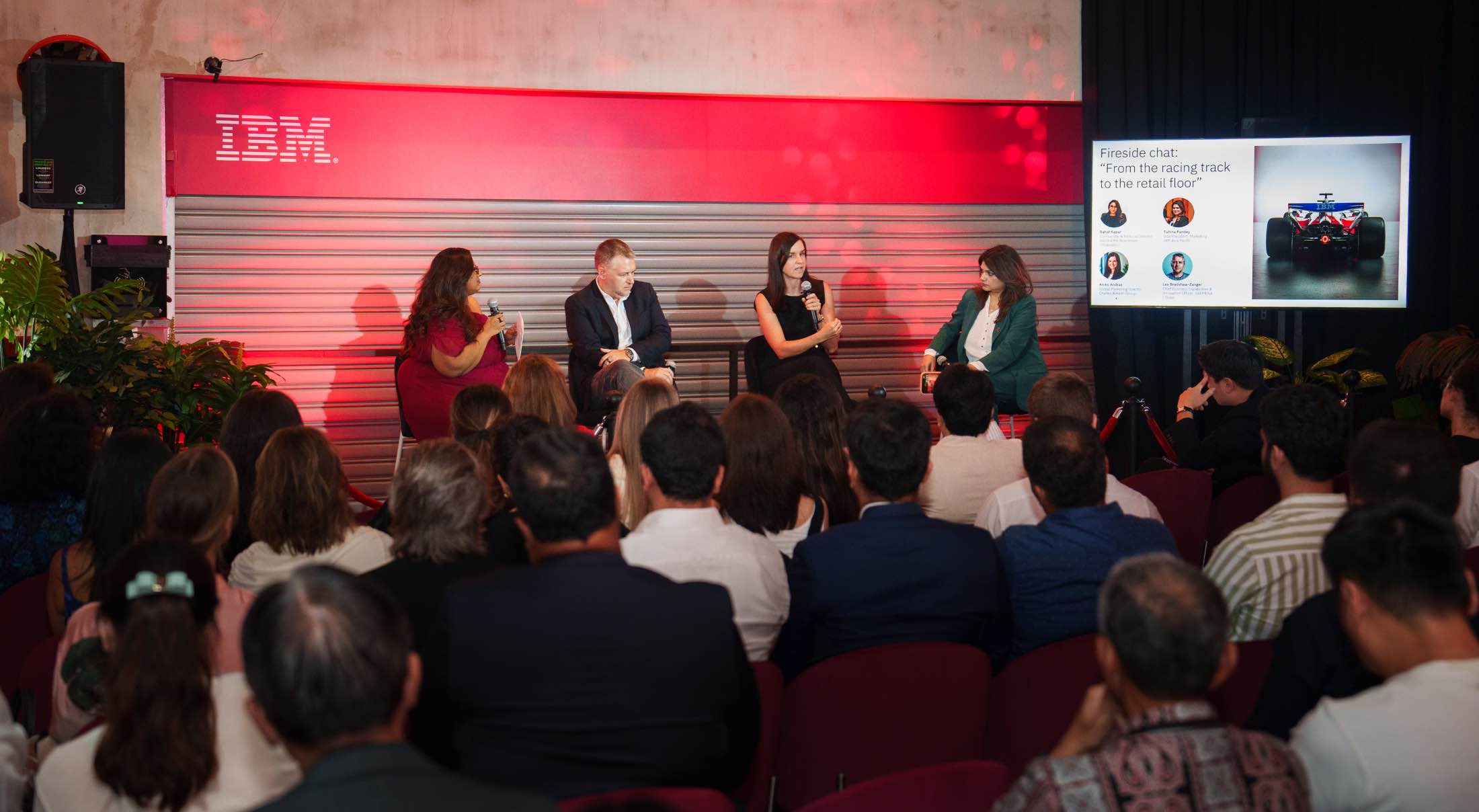
For Pandey, the distinction is between being busy with AI and doing business with it. As generative tools become increasingly accessible, adoption alone is no longer enough to set businesses apart. The challenge is to use data meaningfully, with an emphasis not simply on outputs, but on outcomes. “I see the glass as half full, with the restraint of not pouring just because you have more to pour,” she observed. “Be respectful about what the customer needs.”
It was a sentiment echoed by Andras. “I don’t think AI kills distinctiveness. I think it kills average, because it’s now so easy to produce something that looks more or less solid in a split second,” she observed. “AI is raising the floor for everyone. If you have a solid but generic product, AI will just commoditise your brand. This is where a clear point of view, taste and the human touch come in, because then AI will amplify you.”
Bradshaw-Zanger, meanwhile, reflected on the importance of preserving consumer trust as technology becomes increasingly embedded in the way brands engage with their audiences. “Trust is built very slowly and broken very quickly,” he cautioned, highlighting the responsibility businesses have to ensure that innovation strengthens, rather than undermines, the relationships they have built with consumers.


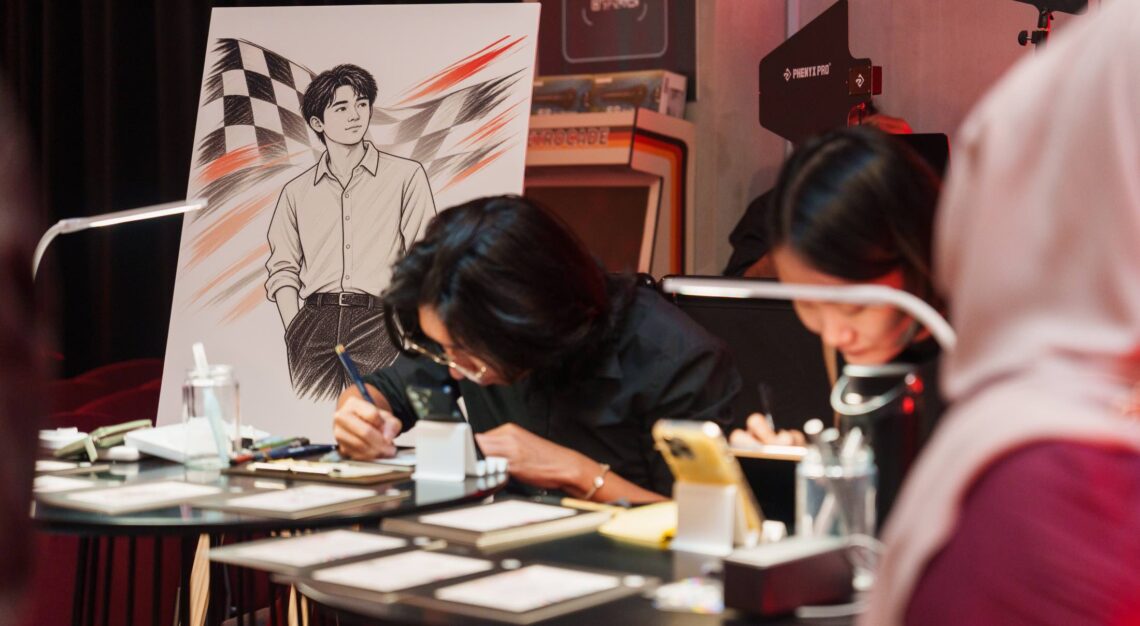
Beyond the discussions, the evening invited guests to experience the intersection of innovation and human creativity firsthand. From crafting bespoke car fragrances with Maison 21G and personalising leather accessories with Zikky Co to commissioning live portrait sketches by Craft Room, the experiences celebrated the craftsmanship, creativity and personal expression that remain distinctly human.
It was a fitting reflection of the evening’s central message: for all the possibilities that artificial intelligence presents, its greatest potential lies not in replacing human instinct, but in enhancing our ability to innovate, create and connect.