Deep within a biosphere in the Ecuadorian Amazon is a luxury sanctuary that offers a fully guided immersion into the rainforest, where every animal seems to be giant
I paddled through the still waters of the lagoon in front of La Selva Eco-Lodge and Retreat, a resort deep within the Yasuní Biosphere Reserve, one of the planet’s most biodiverse places, in the Ecuadorian Amazon. With binoculars pressed to my eyes, I attempted to be half as skilled as the local guide who’d paddled us down river the morning before. He was a local kid from the Kichwa tribe, who, while focusing on navigating the twisting tributary, somehow also spotted a pair of coiled, camouflaged tree boas asleep in the branches, along with two- and three-toed sloths that looked like birds’ nests a few hundred feet up in the canopy.
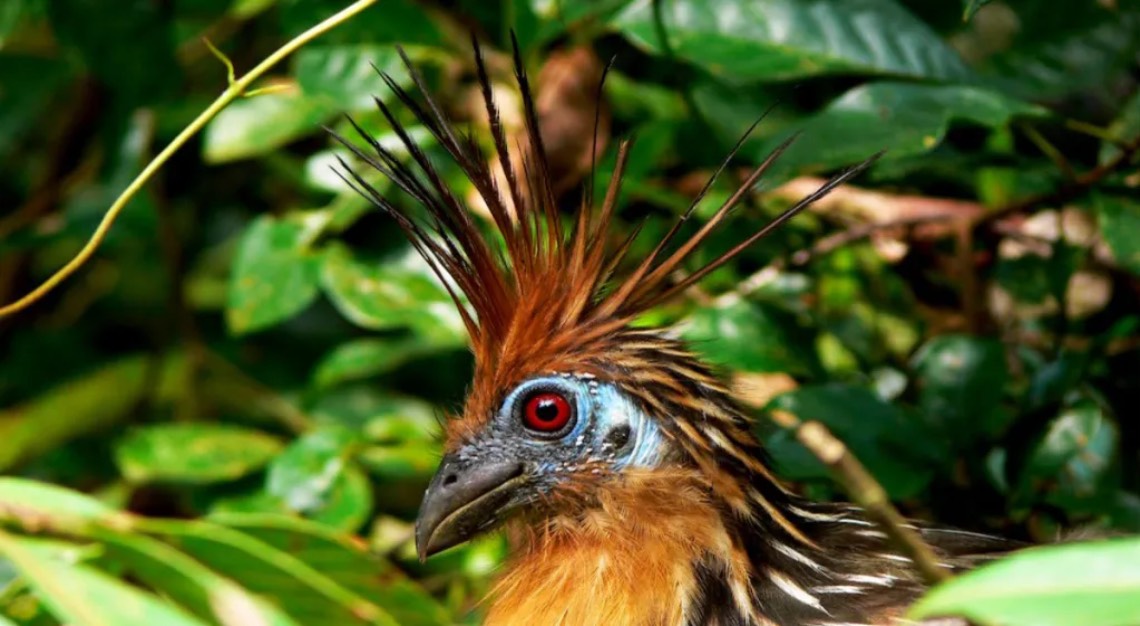
My goal was to spot something rare—without assistance—among the 610 bird species and more than 700 different species of fish, mammal, reptile, and amphibian in Yasuní. La Selva’s greatest treasure was the endangered giant otters, which had only recently returned to the lagoon for the first time in 15 years. Still, they made themselves scarce. Here it seemed there was always a rarer, over- or undersized counterpart to a familiar animal: giant anteaters, giant armadillo, pygmy monkeys.
I was startled by a gun shot; I nearly capsized the canoe. I realized the sound came from an arapaima, one of the largest freshwater fish in the world, sometimes reaching 10 feet in length. Its tail slapped the surface of the water, marking la paiche’s territory. After I calmed myself, something rammed my boat.
Prior to March 2020, guests at La Selva swam in the lagoon. But when the property closed for half a year during the pandemic, the black caymans moved in. La Selva always had caymans, but only the less aggressive and less territorial dwarf and white species. When staff and visitors returned to the lodge, the black caymans refused to leave. The jungle had reclaimed its land and La Selva was forced to evolve; they built a caged-in pool in front of the resort.
I nearly capsized the boat again. Was it a black cayman looking for lunch? I tried to grasp logic. I was a single person paddling a multi-person canoe, weighing down the back. The boat wasn’t planing right; I must have hit a shallow log in the dark brown waters. That’s what I told myself. I peered through the binoculars again, hoping to find serene life at a distance while the jungle encircled me.
To get to La Selva, I took a 30-minute plane ride from Quito to Coco; a 2.5-hour speedboat ride down the massive Napo River, one of nine tributaries that feed the Amazon River; and another 30-minute canoe ride, farther still into the middle of the rainforest. “Remote” doesn’t begin to describe this location, though the payoff is natural luxury: the beauty of nature in reclamation.
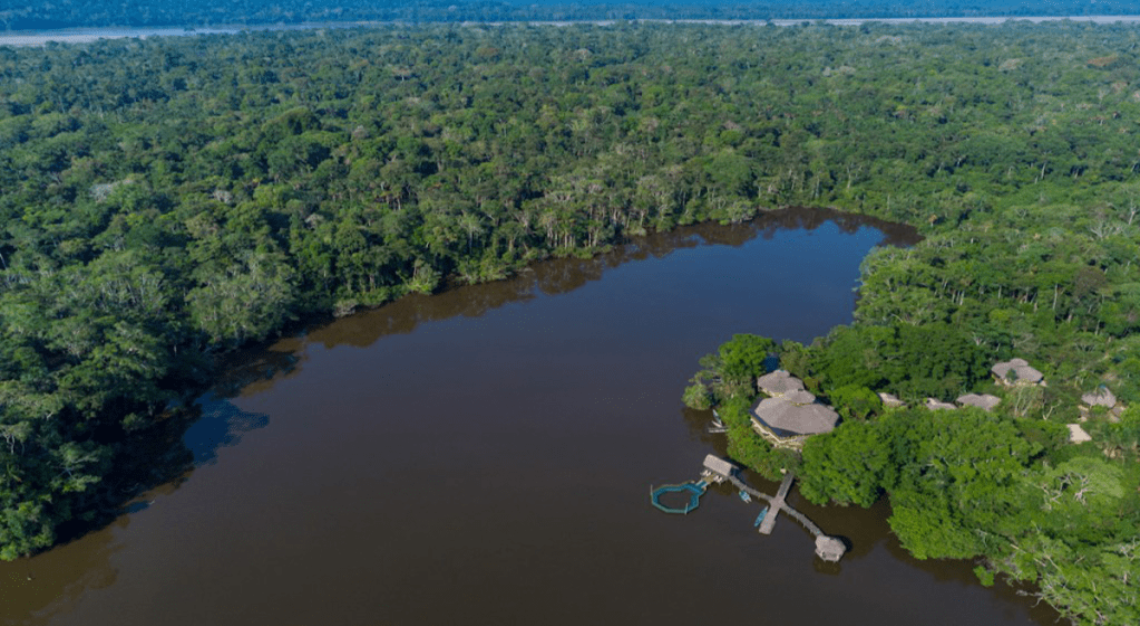
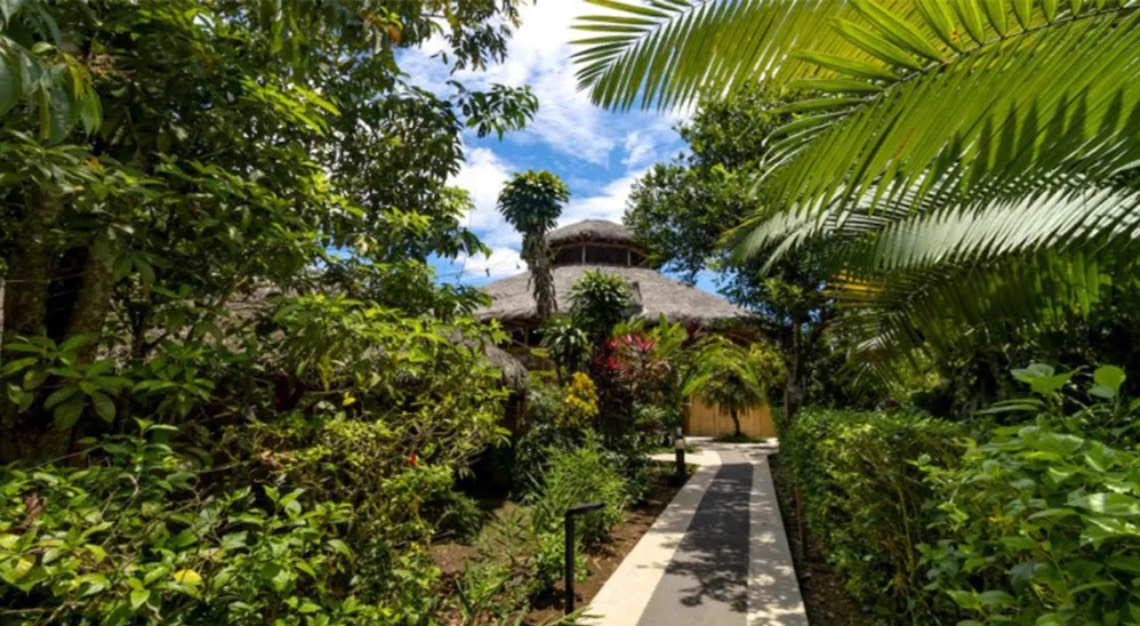
One of the reasons wildlife is so plentiful around La Selva’s property—the lodge sits on 23 acres and runs its excursions on another 23 acres—is because of how La Selva treats the jungle.
“The jungle is giving us back what it is receiving,” said Ivonne Zumarraga, managing director at Golden Experiences and Travel, the company that purchased La Selva in 2022. Guests and naturalists can experience more wildlife, post pandemic, because of sustainable decisions a luxury resort in the jungle must make. For instance, the bamboo-walled and palm-thatched rooms have fans instead of air conditioning. To run air conditioners would have required doubling the number of generators. La Selva made other decisions to attract animals, Zumarraga said, like turning generators off at night and running the property on rechargeable electric batteries; they also plan to cut carbon emissions 15 percent each year, and keep glass to a minimum, as that’s a huge killer of birds and insects.
After canoeing the lake, I opted for a more peaceful afternoon. I took a yoga class and posed in shivasana while the rain played the timpani off the banana leaves. I sat on the raised dining deck with bird books, trying to identify all the iridescent honeycreepers and cotingas that landed on the tree where the blonde squirrel monkeys ate. I took a chocolate class and learned the simple process of turning fermented-then-toasted cacao beans into chocolate.
Beyond business and the natural world, La Selva is also dedicated to the local Kichwa community. The Kichwa permit La Selva use of their land—one of three resorts allowed to operate in Yasuní—and allow the lodge to bring tours to their village. Eighty-five percent of La Selva’s staff are Kichwa. The lodge also helps the Kichwa build schoolhouses; provides books and supplies to students annually; elevates Kichwa women into entrepreneurial roles; and brings in dentists to treat the local community. By providing the Kichwa additional education and alternative sources of income, they’re dissuaded from hunting the more incredible animals in the rainforest. All those giant creatures milling about.
As night approached, my group of eight was back in the jungle with our local guide, Chicuqui, and our naturalist guide, Paul. In the dark, the jungle is terrifyingly fascinating. We encountered grasshoppers and bugs that looked like leaves and sticks. We “found”—code for Chicuqui discovered—ogre-faced spiders that cast webs like Spider-Man and nameless spiders with no webs, which meant the fast, deadly, predatorial sort. Which meant keep your distance. Which was difficult as we were crammed onto a jungle trail and warned not to touch anything.
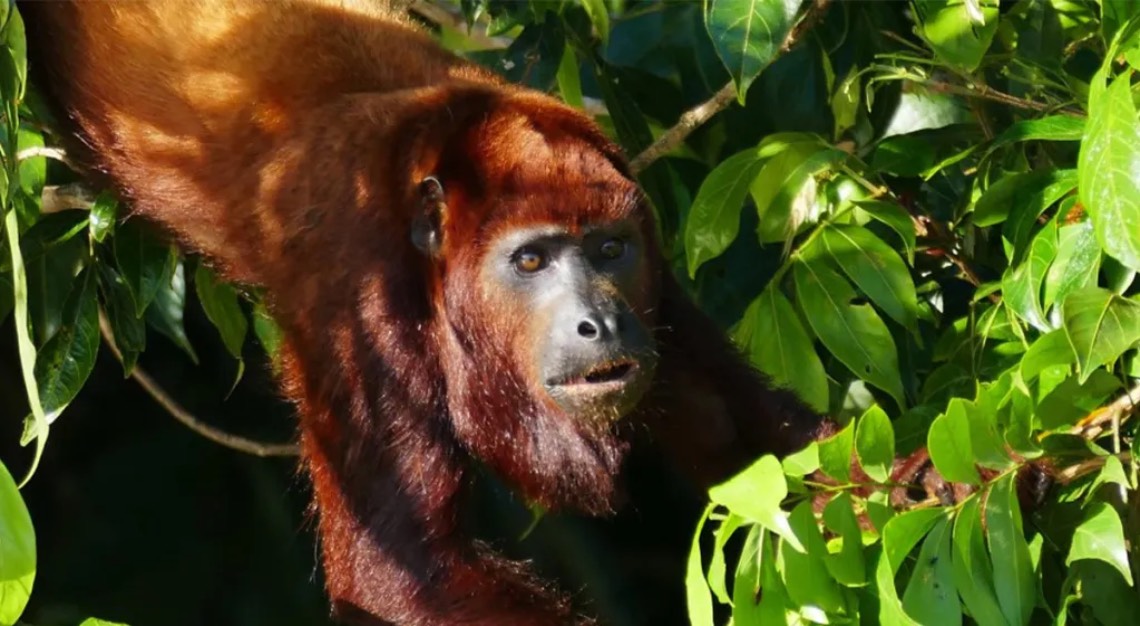
Daylight gave us a different world. Up in the 125-foot-tall lookout tower, nestled in the branches of a Kapok tree, we—Chicuqui—spotted every variety of toucan and a troop of red-furred howler monkeys shepherding their babies through the branches. Even the tree itself was an ecosystem, with cowlicks of bromeliads and hibernating orchids growing wherever hosted flora could settle. “There’s more life on one tree than in some countries,” Paul said without exaggeration.
I found the trees incredible. On one walk, Paul pressed his machete to one tree to show us its black sap, calling it sangre de drago. The sap was a panacea for infections, and considered a treatment for some cancers. A rare vine called curare also produced sap that cured…nothing. Yet when boiled, the sap turned black and could be used as poison on the tips of darts and spears. Nothing is wasted.
Just pondering the logistics of building and running La Selva was as incredible to me as the nature that surrounded us. Besides that which comes from the jungle, everything from décor to the furniture to the steel used to build the observation tower had to travel in this way. Laundry, refuse, and some staff make this trip daily.
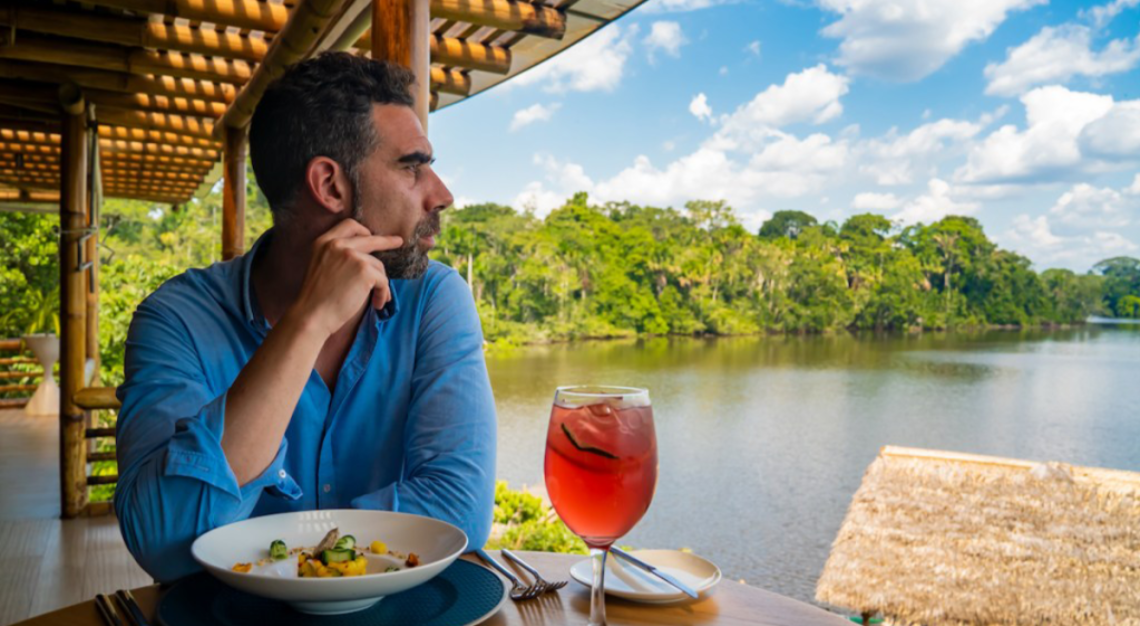
When I heard all of this, I worried about the food, figuring any chef who’d been sent to the jungle couldn’t cut it in most city kitchens. But from yucca bread to curries to fresh arapaima, the chef would have received a Michelin star if reviewers traveled with machetes. When he served dessert, every bite was enjoyed with the chorus of the jungle.
La Selva starts at US$600 per person per night.
This story was first published on Robb Report USA. Featured photo by La Selva