
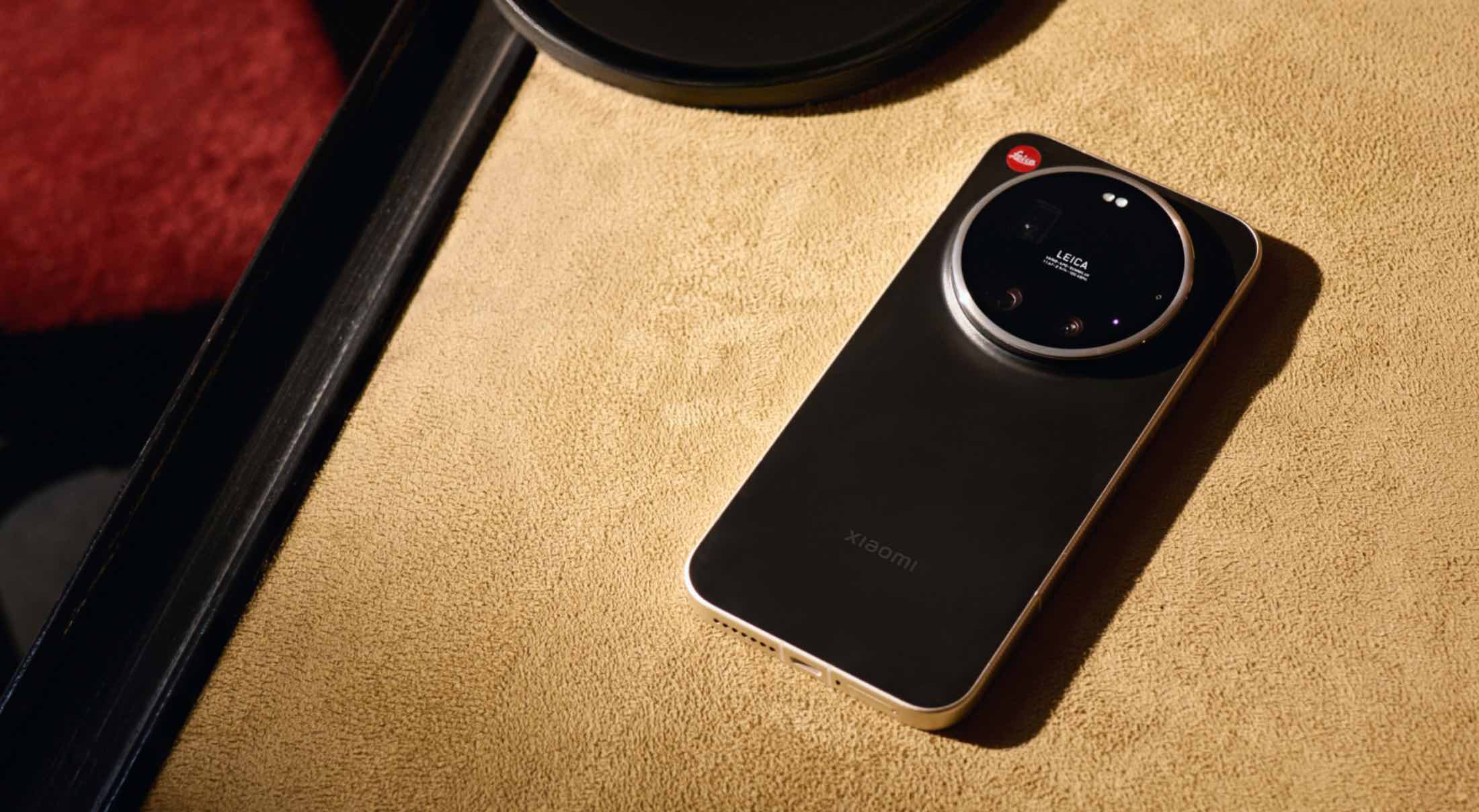
Co-engineered with Xiaomi, the Leica Leitzphone Powered by Xiaomi is a sleek, hardware-heavy smartphone built for photography enthusiasts
Isn’t it strange how much importance we place on the photography capabilities of our phones? Since the smartphone came and democratised photography, every smartphone manufacturer has been investing heavily in developing and improving their camera systems. With each new model, brands tout larger sensors, absurdly high megapixel counts, and ingenious AI-powered software that automatically improves your photos. Oh, how the mind swirls.
So, when an intriguing proposition appears, say a $2200 phone that bears the name and technology of a certain century-old German photography brand, it’s only natural we pay attention. Yes, Leica—with the release of the Leica Leitzphone Powered by Xiaomi—has entered the smartphone arena.
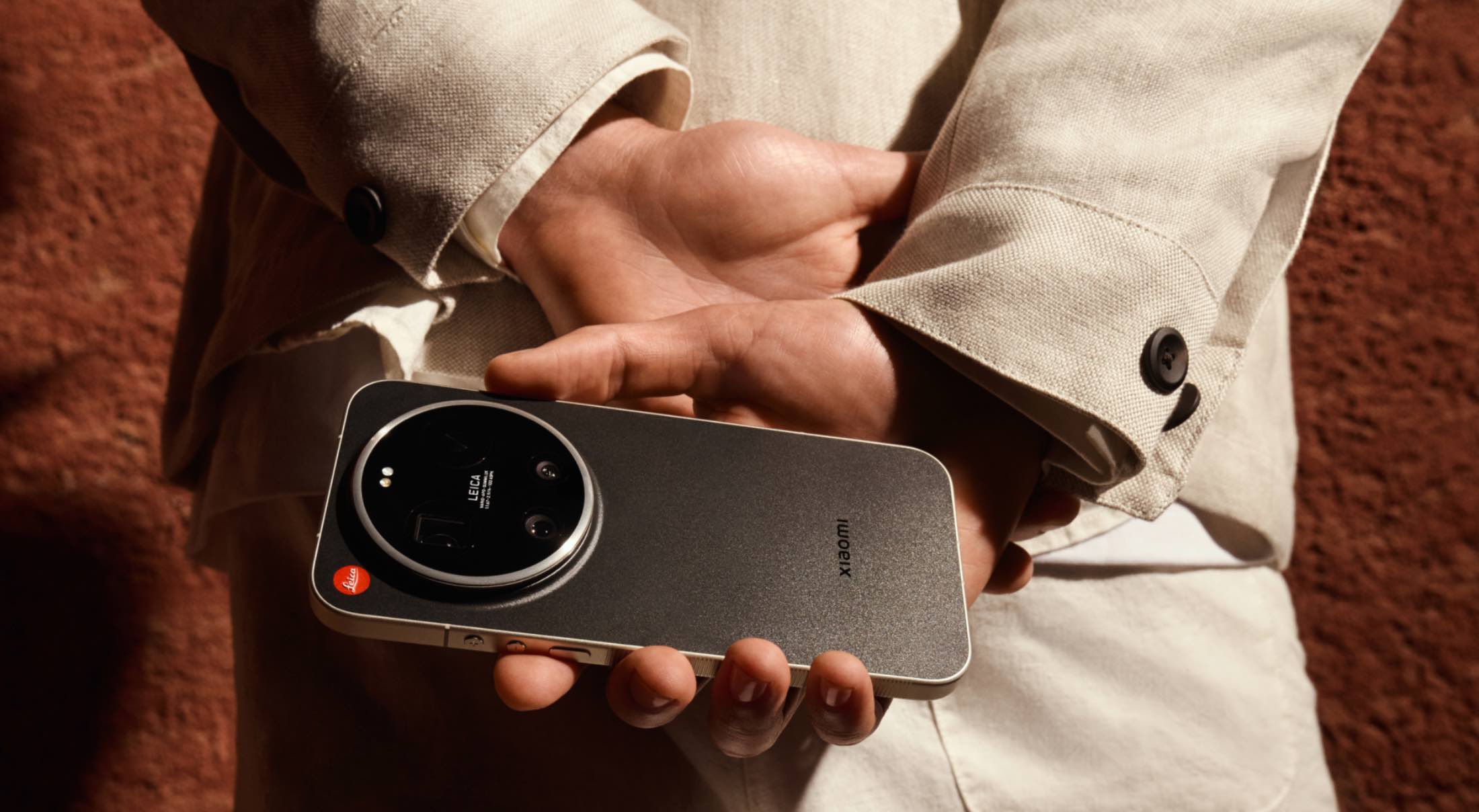
It’s prudent to note that this is far from Leica’s first foray into the field. First launched in 2021, the Leitzphone series saw the release of three Japan-exclusive models that were co-engineered with Sharp. This new iteration, meanwhile, marks the first time a Leitzphone (now, as its name suggests, co-engineered with Xiaomi) is available internationally.
Put simply, the Leitzphone Powered by Xiaomi is a spruced up version of the Chinese brand’s latest flagship, the Xiaomi 17 Ultra. To avoid oversimplification, however, the new Leitzphone builds on the Chinese flagship’s powerful hardware with a sleek all-black fibreglass panel, additional software features that include special photography modes, and a mechanical camera ring built into the phone’s camera island that affords you continuous zoom control.
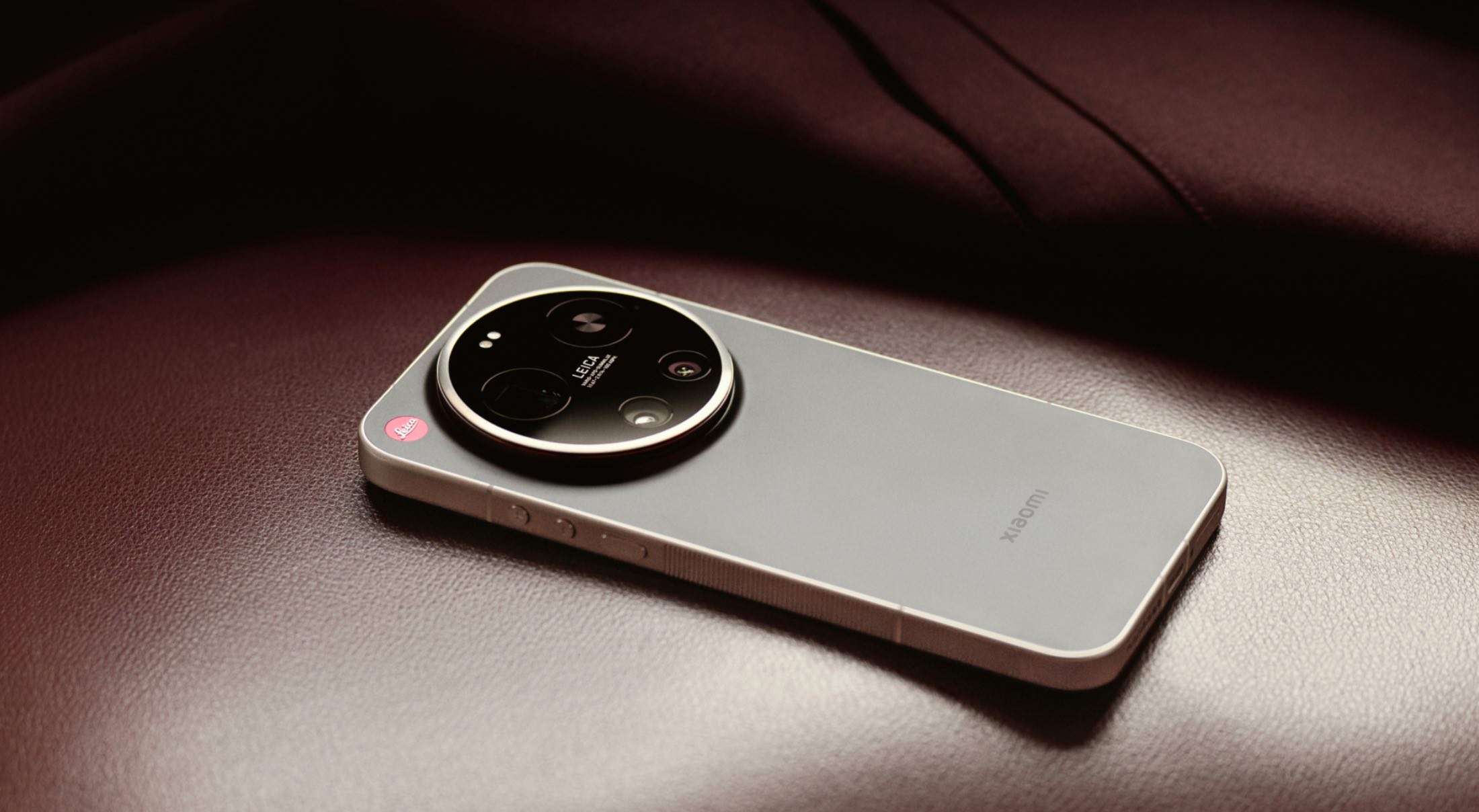
As expected, the device is specifically engineered to deliver a strong photography experience. At its core sits a triple-camera system built around Leica’s optical philosophy. The main camera features a 1-inch sensor that promises expansive dynamic range paired with a 23mm equivalent lens. Alongside it sits a 200-megapixel periscope telephoto camera capable of optical zoom between 75mm and 100mm, as well as a 50-megapixel ultra-wide lens for broader perspectives.
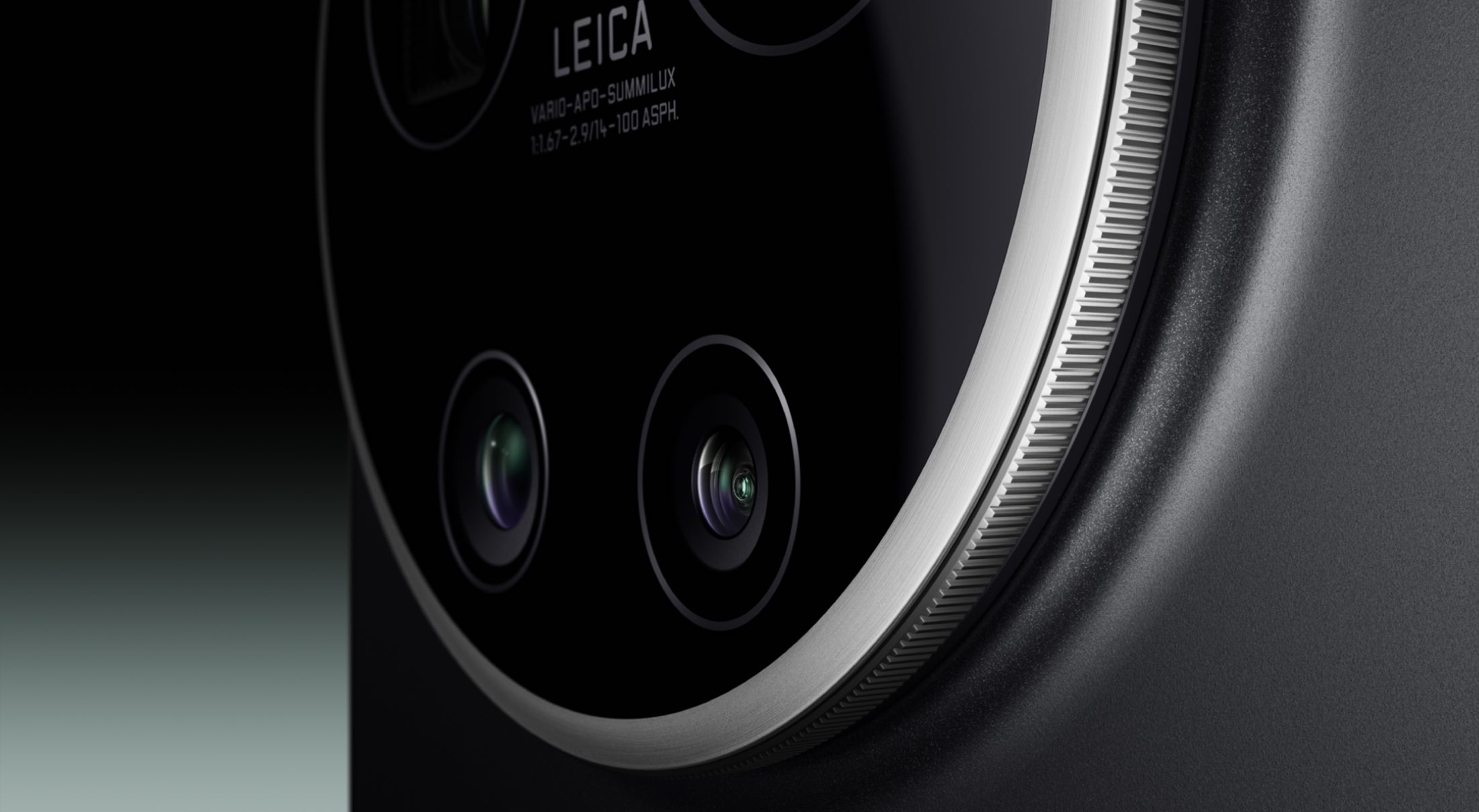
While we’re sure photography enthusiasts will have plenty of fun with the optical zoom lens, we expect the main camera—with its advanced sensor—to be more than capable for most use cases.
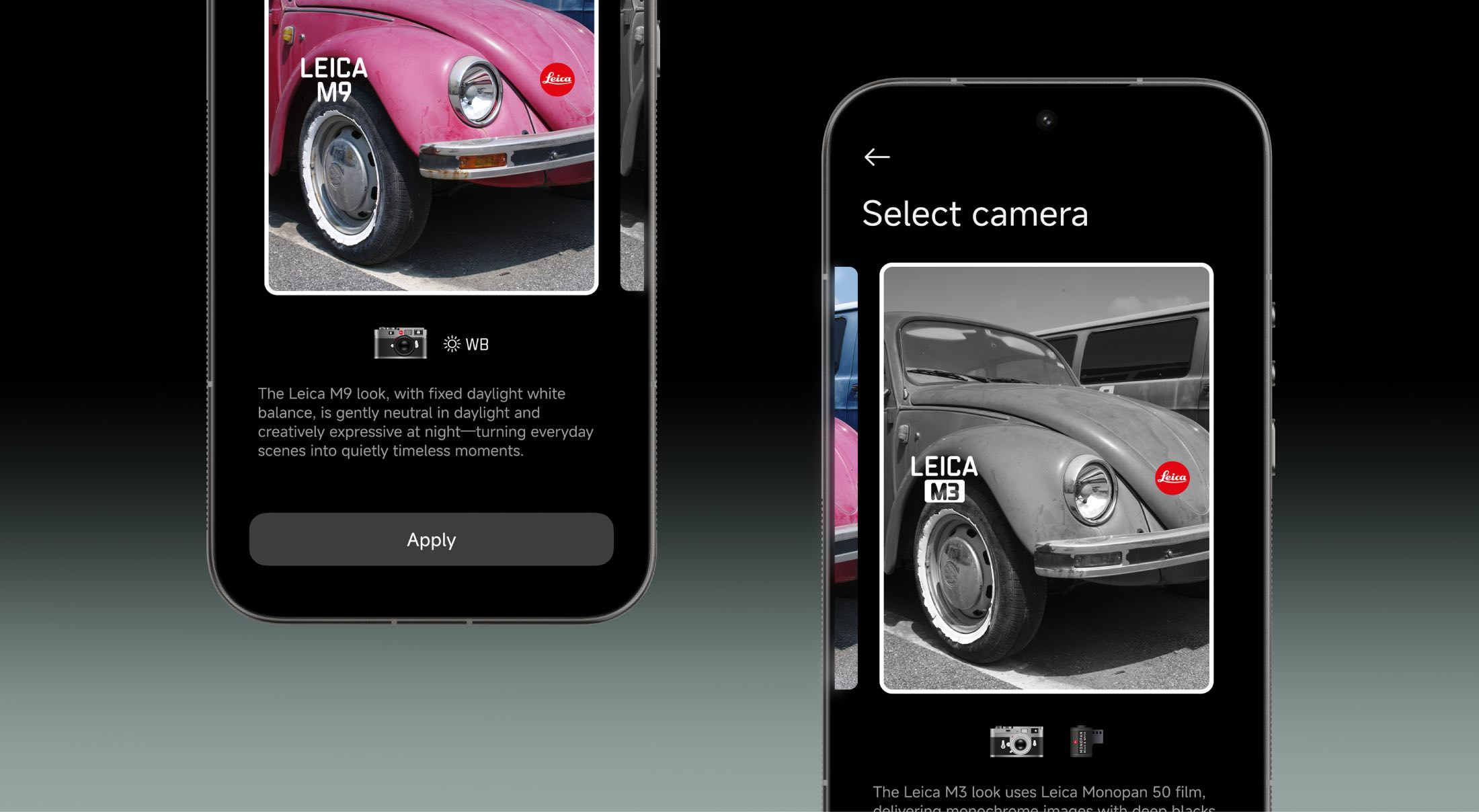
The Leitzphone’s ambitions, however, extend beyond raw hardware. Leica has also had a hand in the device’s imaging philosophy: its colour science, camera interface and photographic modes. Users can toggle between Leica’s signature photographic styles, including Authentic and Vibrant, while a suite of Leica Looks, bokeh simulations, and special photography modes aim to recreate the tonal qualities and rendering associated with the brand’s classic cameras.

As mentioned, the device sports a mechanical camera ring that can be customised to allow users to physically adjust parameters such as zoom, exposure value, ISO and shutter speed. It’s a nifty way to add some tactility to the photography experience, although we find its inclusion over a dedicated shutter button to be particularly curious.
Beneath all this photographic romanticism lies the unmistakable machinery of a modern flagship device. The Leitzphone runs on Qualcomm’s latest Snapdragon chipset, pairs it with a generous 16GB of RAM and 1TB of storage, and features a large 6.9-inch OLED display.
A sizeable 6,000mAh battery and fast charging round out the package—because, as romantic as a photography-first device may be, smartphones still need to survive a full day of messaging, calling and, of course, the occasional doom-scroll.