As Singapore moves towards a cleaner motoring future, Lexus’ multi-pathway approach to electrification offers a nuanced proposition
Electrification is often spoken of as a single destination, but the road towards it is less linear. For some drivers, the future is already fully electric. For others, the next step may be a hybrid that asks little of their existing habits, or a plug-in hybrid that offers the quiet satisfaction of electric driving alongside the assurance of a petrol engine. It is in this space that the multi-pathway approach of Lexus feels relevant.
The marque has, after all, been pursuing electrification long before it became fashionable, beginning in 2005 with the RX 400h, which is widely regarded as the world’s first luxury hybrid SUV. What started as an early argument for cleaner luxury has since evolved into a portfolio spanning self-charging hybrids, plug-in hybrids, performance hybrids, and battery-electric vehicles. More than 3.25 million of the marque’s electrified vehicles had reached the road worldwide as of December 2024.
That history matters because it reframes electrification as a process of continual refinement. Lexus calls this philosophy Ajimigaki, which is the art of honing and perfecting. In practice, it is evident in the way the brand’s hybrids are engineered not simply for efficiency, but for smoothness, response, and ease of use. A self-charging hybrid such as the LBX or RX 350h offers a familiar rhythm for daily driving while reducing reliance on the combustion engine where possible. The NX 450h+ plug-in hybrid, meanwhile, provides a bridge for drivers who want meaningful electric range without sacrificing long-distance flexibility.
In Singapore, that middle ground is especially pertinent. The country’s Green Plan 2030 places considerable emphasis on sustainable development, and the Land Transport Authority has outlined a clear push towards cleaner-energy vehicles as part of the nation’s longer-term transport goals. Yet the shift in personal mobility still hinges on real-world factors: charging access, usage patterns, family needs, and how ready each driver feels to make the move. In that sense, a diverse electrified line-up is not indecision; it is pragmatism.
A wider berth
Lexus Singapore currently carries eight electrified models across the LBX, UX, NX, RX, RZ, IS, ES, and LM nameplates, ranging from self-charging hybrids and plug-in hybrids to performance hybrids and fully electric vehicles. The breadth gives the brand a broader answer to the same question: what should electrified luxury look like now?
For some, it may look like the facelifted IS 300h, which is slated for launch in Singapore in the third quarter of 2026. Since its debut in 1999, the IS has stood for the driver-focused side of Lexus, and the latest IS 300h continues that brief through a full hybrid electric drivetrain, sharper styling, an enhanced Lexus Safety System+, and a next-generation multimedia system. It is a reminder that electrification need not mean the erasure of character.
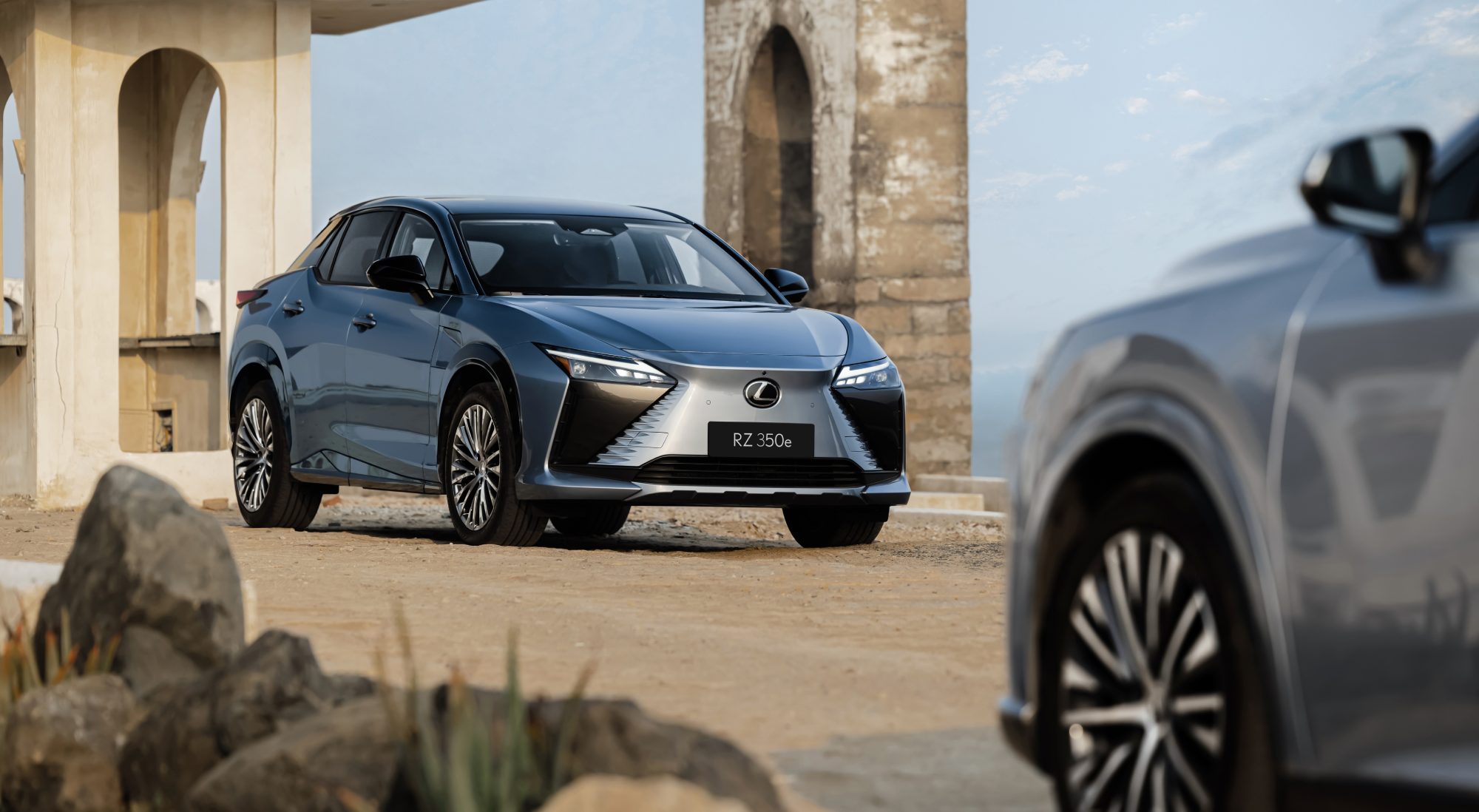
For others, the answer may be the RZ 350e, a battery-electric SUV built around a fully redesigned battery electric vehicle platform, offering improved range and enhanced AC charging times. It represents the marque’s most direct step into pure-electric mobility, shaped not only by silence and zero tailpipe emissions, but by its pursuit of poise, balance, and driver confidence.
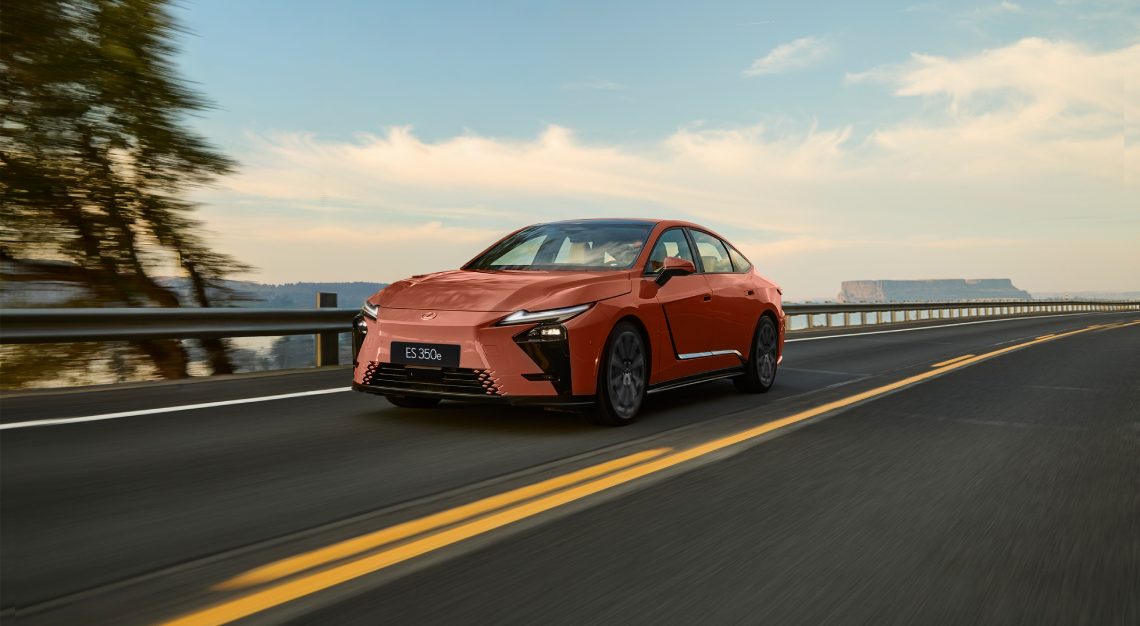
Then there is the all-new ES, which perhaps best captures the breadth of the marque’s approach. Available as the ES Pure Electric 350e, with the ES Full Hybrid Electric set to arrive from the third quarter of 2026, the executive sedan offers customers two distinct routes into electrified luxury. One is fully electric and forward-looking; the other, familiar, efficient, and refined.
The road ahead may be electric, but the journey will differ for everyone. Lexus’s proposition is not that one pathway must supplant all others overnight. Rather, it suggests that progress can be layered, thoughtful, and tailored to the way people drive. In a market like Singapore, where sustainability and practicality must advance together, that may be the more convincing luxury of all.