
From London to Singapore, Native Land brings long-term vision, mixed-use urbanism, and global partnerships together to create sustainable places that endure
Native Land is a privately owned real estate investment and development company with roots in central London and select UK cities. While its completed projects remain primarily UK-based, the firm has long maintained strong relationships with Asian investors and purchasers.
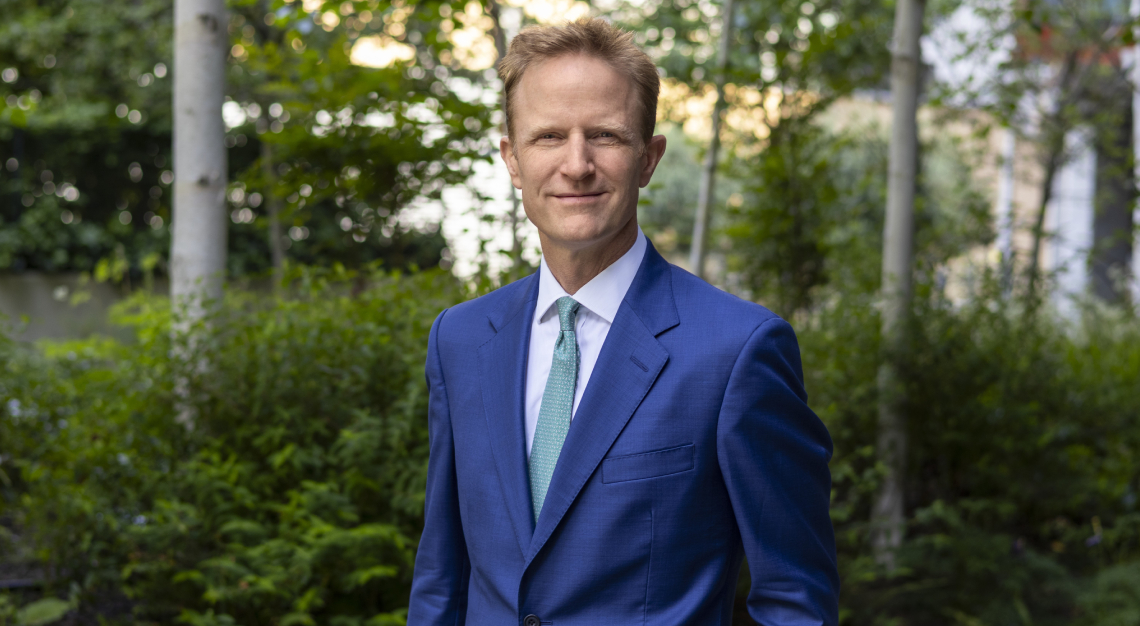
“Asian capital and buyers have been integral to Native Land’s growth, with London now a familiar and trusted market for investors from Singapore and the wider region,” says Nicholas Gray, executive director at Native Land. He notes that Singapore brings a sophisticated understanding of governance, infrastructure, and urban quality, which closely aligns with Native Land’s approach to development in the UK.
To date, this relationship has been expressed through capital flowing into the UK, where Native Land’s strength lies in its understanding of local planning, political, and market environments, enabling the firm to unlock maximum value for investors. Gray, however, sees potential for the relationship to evolve.
“Singapore’s urban development model is exceptional,” he says. “As we continue to build deeper partnerships in the region, opportunities for collaboration beyond capital investment may well emerge. Our strength lies in understanding complex markets, and that principle could apply beyond the UK as the right opportunities present themselves.”
Gray, a board member at Native Land, has led nearly £3 billion in prime residential sales across the UK, supported by an extensive international network across East Asia and the Gulf Cooperation Council. He began his real estate career at Grosvenor in 2002 before joining Native Land in 2008, where he remains a key member of the leadership team.
High-quality, sustainable, mixed-use places across the UK translate to buildings and public realms that are calm, legible, and meticulously made. The developments boast generous volumes, excellent daylight and materials that will remain robust and refined decades from now. Equally important is how the wider environment functions as a piece of city.
A successful place sustains activity at different times of a day. This, in turn, is supported by strong amenity and connectivity to the wider urban fabric. When we speak of sustainability, we mean day to day performance as much as longer term resilience and value of the place. Low carbon, all electric operation and efficient building systems are fundamental, but they must be integrated with our long held emphasis on considered design and exceptional quality. Without that integration, sustainability remains a technical achievement rather than a lived experience.
London has moved considerably closer to the kind of mixed use urbanism that Asian cities like Singapore have practised in the last decade. Londoners now expect places that are activated around the clock, where living, working, leisure and culture are situated comfortably alongside one another, supported by reliable transport and well managed amenities.
Looking ahead 10 to 15 years, success for Native Land would be recognised by the quality of the experience, if it is somewhere people naturally gravitate towards to live, work and gather because it feels beautiful, comfortable and welcoming.
I hope to see thriving local businesses as well as streets that remain active and safe throughout the day and evening. Along with this, a strong sense of place and a carbon footprint that is significantly lower than a conventional development of comparable scale. With every project, we aim to enhance what was there before, contributing to the city’s fabric rather than simply occupying space.
Our conviction is that long term relevance and resilience is what underpins stable, attractive returns for investors. When people choose to build their lives in these places, when they remain, reinvest, and take pride in where they live and work, that is when a development has endured.
This story first appeared in the April 2026 issue. Purchase it as a print or digital copy, or consider subscribing to us here