In leadership, how you’re seen still affects how far you go, opines human resource professional-turned-stylist, Moushumi Khara
I spent years as a human resource professional before I became a stylist. Compensation and benefits. Performance reviews. Promotion calibration meetings. Salary bands. I have sat in rooms where decisions about who advances and who does not are made. Quietly, and quickly.
So, when someone asks me, “Do women who dress better make more money?” I do not hear a fashion question. I hear a power question.
Long before I began advising women on how to refine their presence, I watched how perception shaped opportunity from the inside. Research supports what many professionals intuitively understand. A nationally representative U.S. study in 2016 by sociologists Jaclyn S. Wong and Andrew M. Penner found that individuals rated as more attractive earned roughly 20 per cent to 23 per cent more than those rated average.
More importantly, when the researchers separated grooming and presentation—hair, clothing, makeup, and overall polish—from physical attractiveness, they found that for women, the earnings advantage was largely due to the former rather than fixed physical traits. For men, grooming explained only part of the advantage.
In practical terms, for women, visible effort—how polished, intentional, and professionally put together they appeared—accounted for most of the measurable wage gap associated with appearance. Economists have long documented what is often referred to as an appearance premium, frequently cited at up to around 15 per cent depending on industry and role. What this research clarifies is that presentation is not superficial. It is part of how competence is interpreted.
I saw this clearly in recruitment. When candidates had similar qualifications, presentation often became the unspoken differentiator. It was rarely articulated openly, but it influenced the room. A candidate who appeared aligned with the expectations of the role inspired confidence more quickly. Particularly in client-facing positions, the question extended beyond capability to something more immediate. Does this person look ready to represent our company?

This observation is not limited to fashion circles. Business voices outside style are openly acknowledging the same dynamic. Entrepreneur and investor Codie Sanchez has spoken candidly about presentation as part of credibility and signal, the idea that how you show up visually affects whether you are taken seriously before you even speak.
There is also a psychological dimension. Research on enclothed cognition suggests that clothing influences our own cognitive processes and behaviour. What we wear does not only influence how others perceive us; it influences how we perceive ourselves.
In my work as a personal stylist to high-performing women, I have seen senior leaders shift not because others suddenly respected them more, but because they felt aligned with the image they projected. Structured tailoring, considered colour, and intentional grooming do more than signal authority externally—they strengthen confidence and internal alignment.
In professional settings where judgments are formed quickly, visual cues contribute to how authority and readiness are interpreted. Recognising this does not reduce success to aesthetics, nor does it argue for conformity. It acknowledges that image participates in the broader ecosystem of influence.
Style does not substitute for substance, but it can shape how that substance is received. So, do women who dress better make more money?
Research suggests there is an association between grooming, presentation, and earnings. More importantly, when a woman presents herself in a way that reflects the level at which she operates, it can influence how she is perceived, how she negotiates, and how she positions herself in the room. Over time, those differences can have tangible consequences.
About Moushumi Khara
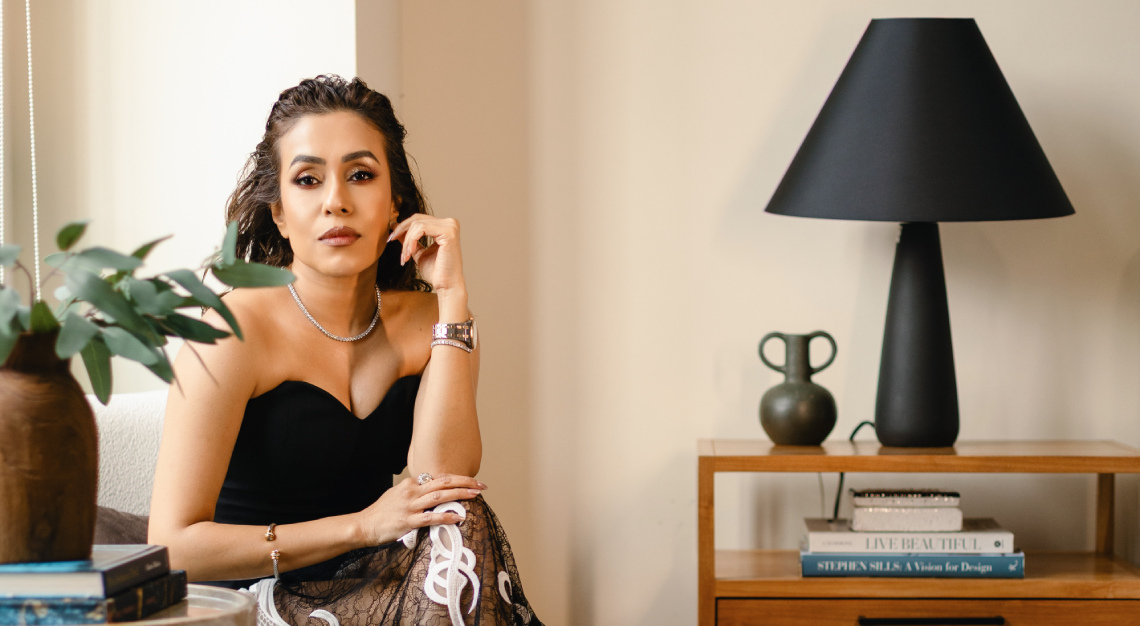
Moushumi Khara is the personal and interior stylist behind The Lifestyle Editor(@thelifestyleditor_style on Instagram). She specialises in styling real women- particularly those in leadership positions who don’t have the luxury of time, unlimited fashion resources, or access to extensive fashion archives. Offering tailored sessions from body shape analysis to wardrobe edits, Khara understands struggles with body image, lifestyle changes, and the challenge of finding practical, stylish solutions while managing busy careers and schedules. Image of Moushumi Khara by Sakshi Verma.