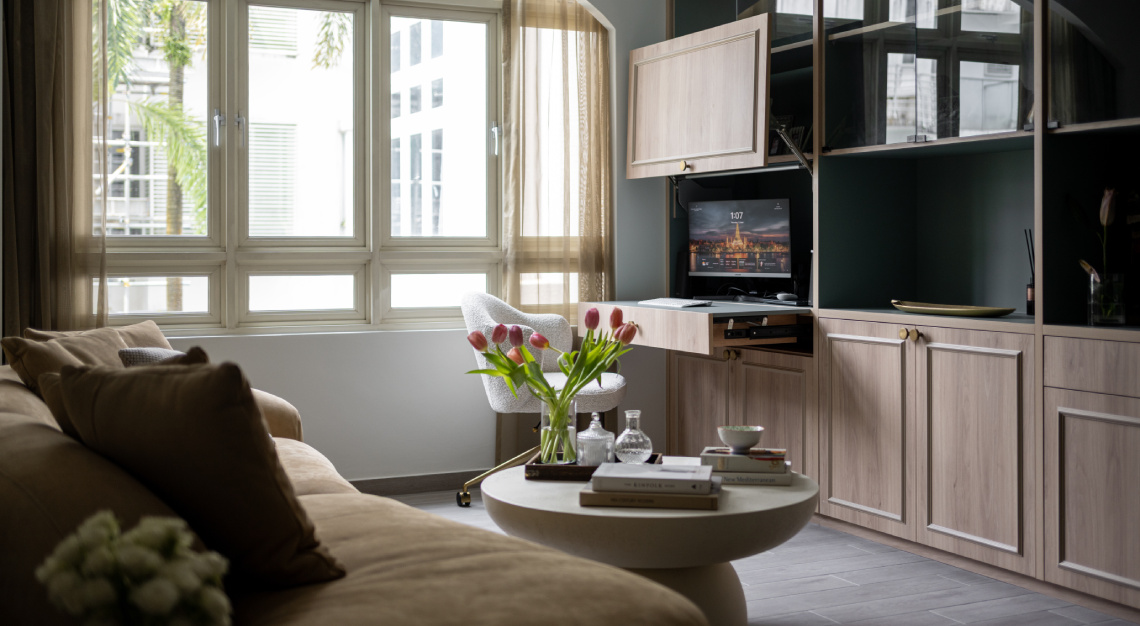
Tasteful and minimal need not mean anonymous, argues interior designer Loren Ng
Not long ago, I spent an afternoon doing what designers often do off the clock, wandering through showrooms along Orchard Road, touching materials, noticing what had arrived on the floor. Pale woods with barely a grain in sight. Cream-toned marble and travertine. Gentle curves everywhere. It was immaculate. It was also, somehow, everywhere.
When did luxury start looking so safe?
That question stayed with me, not because any of it was wrong, but because none of it was surprising. Walk through enough showrooms or scroll through enough interior accounts, and quiet luxury starts to feel less like a design philosophy and more like a dress code everyone received the same memo for.
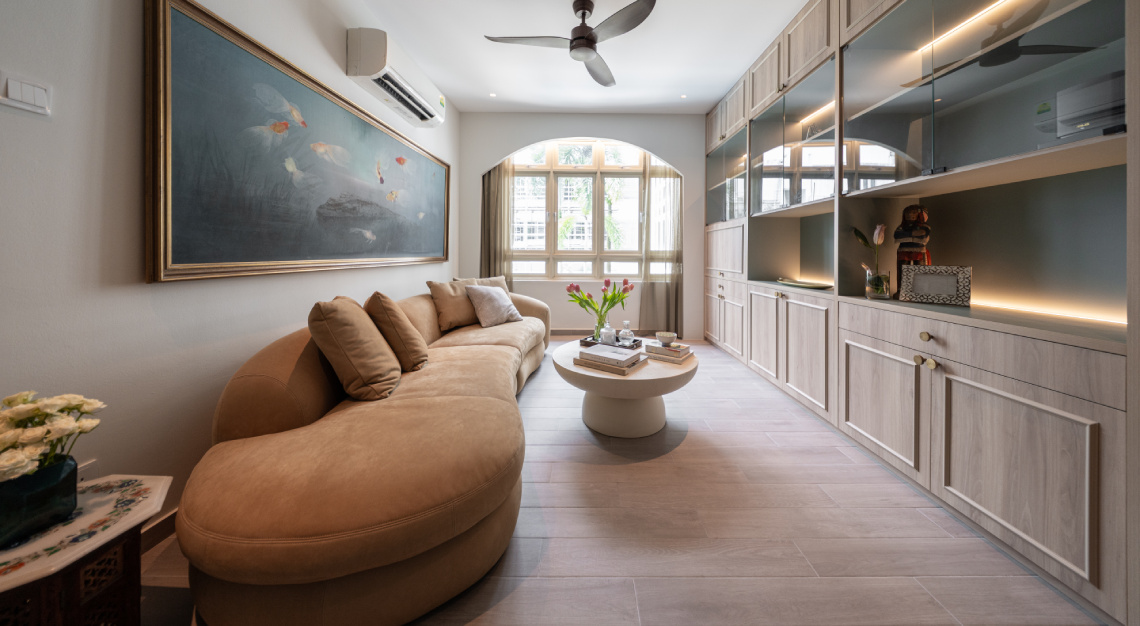
I can understand how we got here. The world is loud. Many of my clients—founders, senior leaders, women managing both corporations and households—are not asking for homes that make a statement. They are asking for homes that make life easier. Quiet luxury, in theory, promised exactly that: fewer choices, better ones. Restraint backed by quality. A home built on confidence rather than decoration.
In practice, it somehow became a palette. Beige became shorthand for taste. Neutral became a proxy for timelessness. And somewhere in that translation, many beautiful homes began looking like each other.
What got lost was not the colour. It was the conviction. At my women-led interior studio, the clients I work with most often are not asking for beauty alone; they are asking for effortlessness. And those are very different briefs. Effortless means thinking through the choreography of a homeowner’s day: moving from bed to bathroom to wardrobe without friction. It means lighting that works for them, storage that reflects the reality of their life, and spaces that support their rhythms rather than interrupt them.
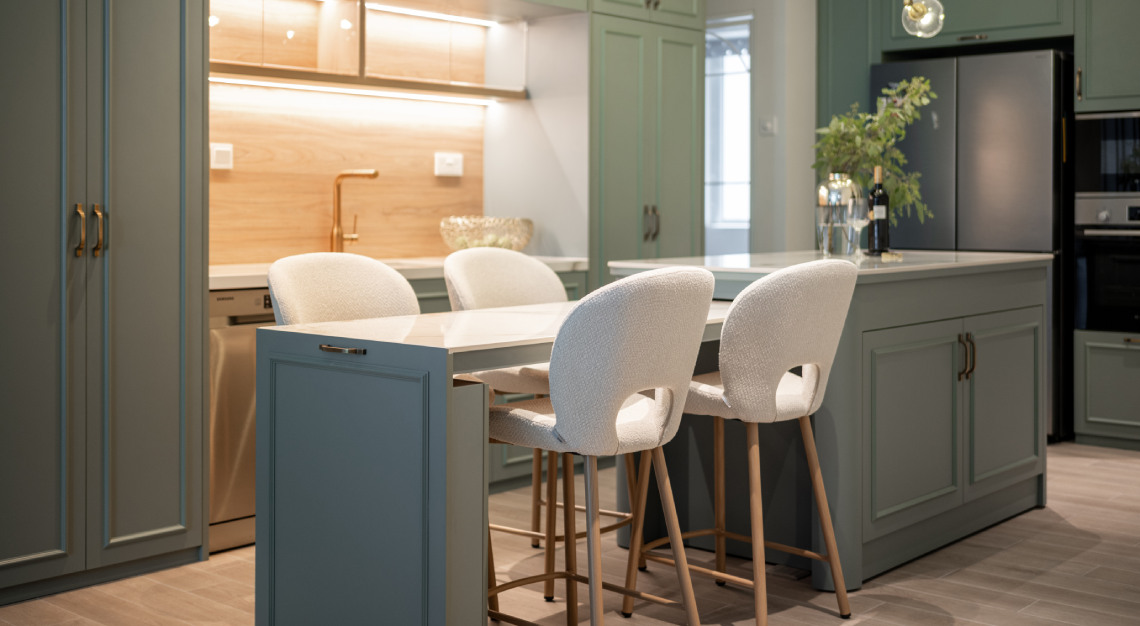
These are not styling choices. They are the difference between a home that works for you and one that merely photographs beautifully. That, to me, is what quiet luxury should mean: not a colour palette, but a discipline.
Craftsmanship follows the same logic. The overall look may be easy to imitate, but the details are not. Real quality lives in the things the eye may not consciously register but in the subtle details—the way a door closes, how panels sit flush, how shadow gaps align, how corners meet cleanly. These elements are discreet, but they result in an environment that’s comforting and comfortable.
Material choices matter here too, especially in Singapore’s climate. A material that cannot handle the environment it lives in is not a design statement; it is a future problem. Microcement, for example, is becoming increasingly popular as a finishing touch, lending an industrial-chic finish to the home. It can definitely be beautiful when specified with technical care. But without proper understanding of humidity and breathability, it becomes the kind of decision that costs more to fix than it does to install. True material intelligence is about choosing what will still feel considered, tasteful and enduring after years of living, not just what reads as minimal on your Instagram grid.
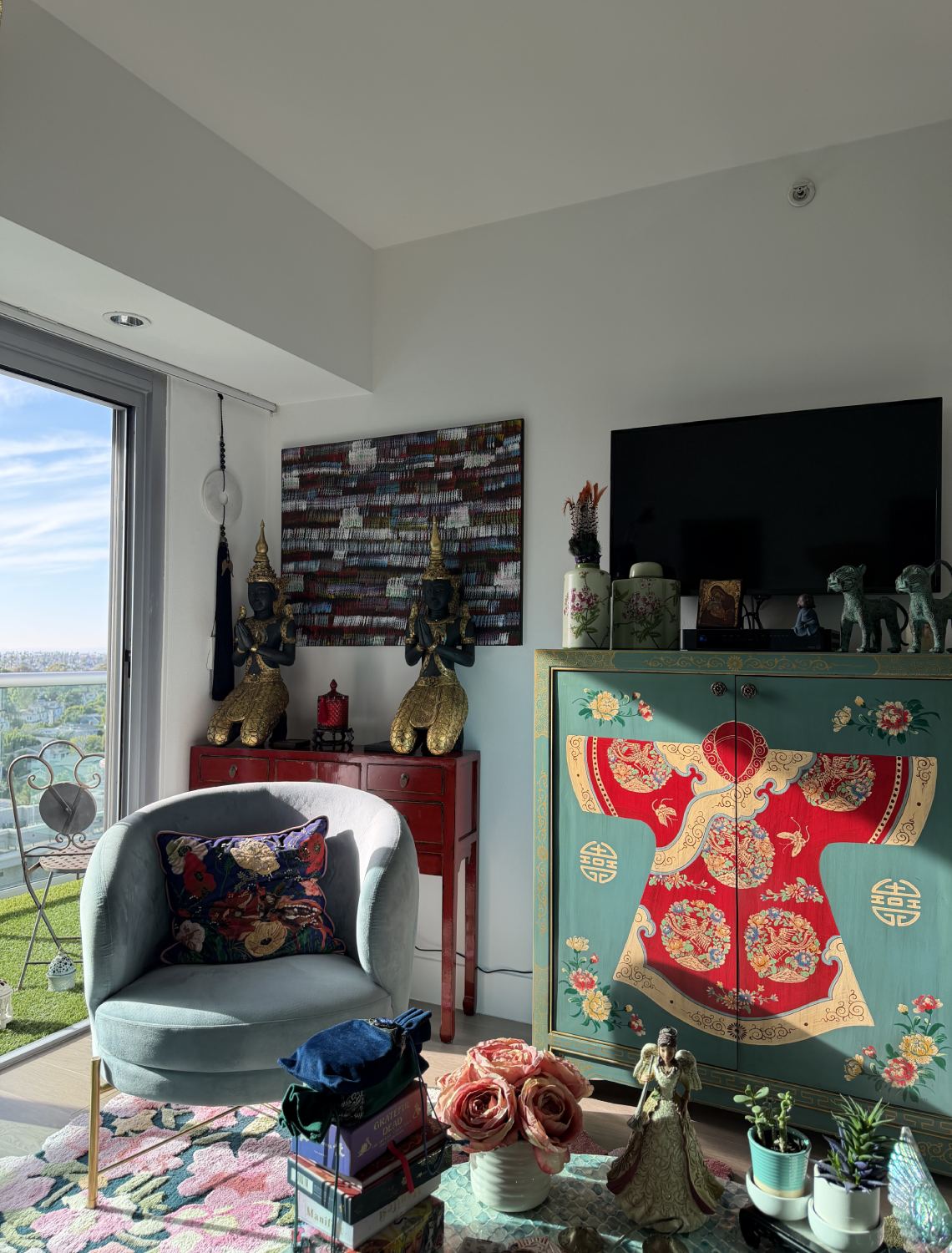
None of this means a quiet home has to be a blank one. One of the most common misconceptions I encounter is that restraint means erasure—no colour, no personality, no point of view. It does not. It simply means editing your point of view to its most essential form. Some of the most composed interiors in design history have embraced colour with remarkable discipline: oxblood against walnut, aubergine settling into a tonal room, materials deepening with patina over time. Used this way, colour behaves less like decoration and more like architecture. The room remains calm and anchored, but no longer anonymous or soulless.
A quiet home that is forgettable is not luxury. It is hesitation. I once had a client who came to us with a home that felt perfectly acceptable, yet somehow unfinished. It was polished, neutral, undeniably tasteful. But something essential was missing. Over time, she began showing me the things she had quietly set aside: a large oil painting of koi gliding through dark water, artefacts that once belonged to her father, a carved wooden lamp from her years in the Middle East, a rattan pendant from Bali, brass hooks discovered in Jaipur. None were extravagant, but each carried a story that reflected her life and personality.
Instead of editing them out, we introduced them into the decor: the koi painting became an anchor, while her father’s artefacts, lamp and pendant brought warmth and legacy into a room that had once felt beautiful, but distant and devoid of emotion.
What emerged was not a louder interior, but a a more settled one. The home did not become more decorated. It just became more personal and therefore calmer. At the end of the project, she paused in the living room, looked around, and said, “It finally feels like mine.”
That is what template neutrality often forgets: a room that holds something real, chosen with meaning rather than caution, does not become noisier. It becomes more authentic. And authenticity, in the end, is the most quietly luxurious thing a home can be.
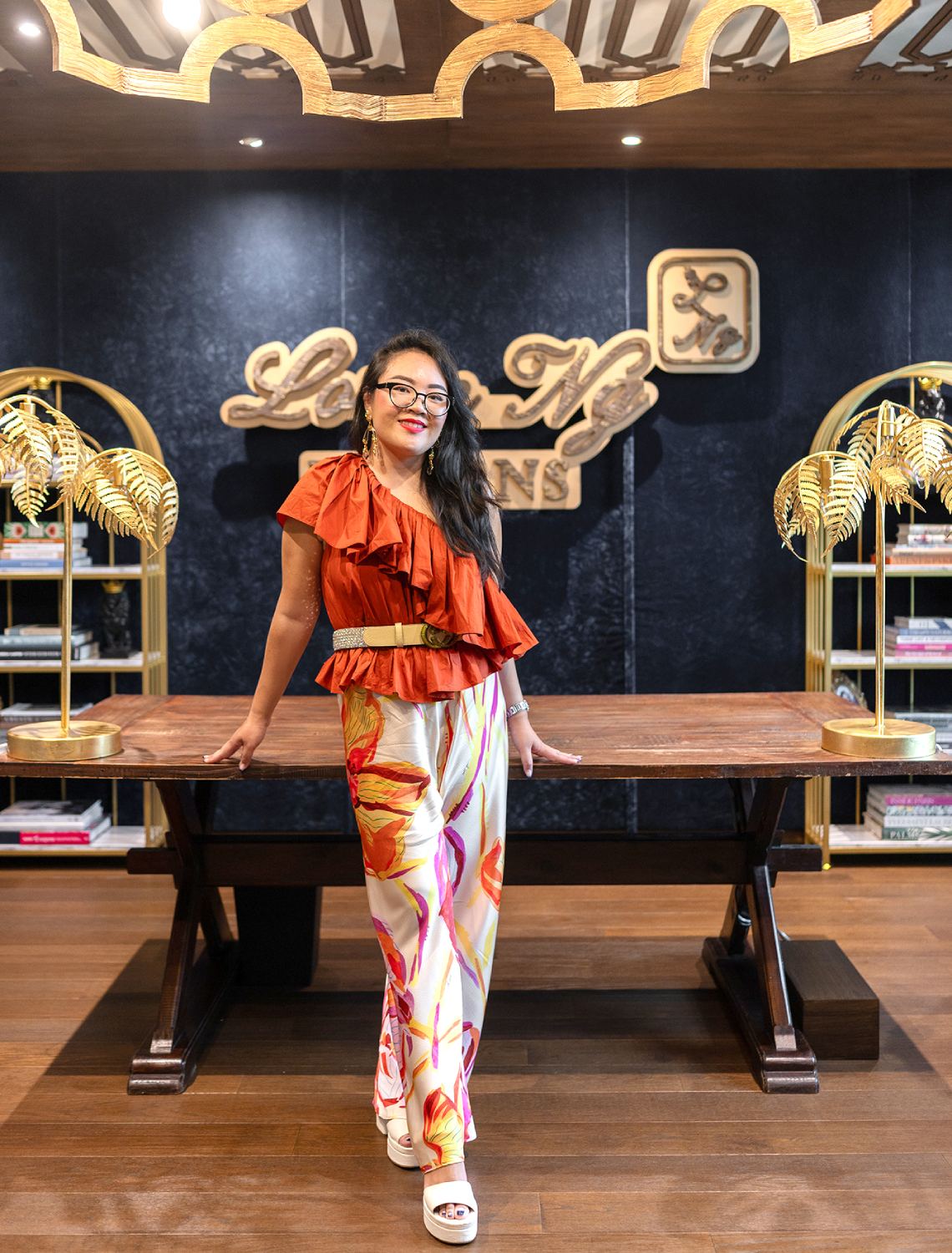
About Loren Ng
Loren Ng is the founder and principal designer of Singapore-based studio Loren Ng Designs, a women-led design-and-build practice working across residential and boutique commercial interiors. Known for her psychology-led design approach, her work focuses on creating spaces shaped by craft, material intelligence, and the rhythms of everyday life.