

“Give me someone who tells me the uncomfortable number over someone who tells me a comfortable story any day.” – Lester Leong
Since founding Gush in 2017, Lester Leong has turned paints and coatings into functional features of the built environment. Gush develops coatings for tropical climates: interior paints break down pollutants such as formaldehyde and protect against mold, while exterior coatings reflect heat in a single coat. “I’m not a scientist,” Leong admits. “My job is to take what our chemists know and make it matter to the people who own, build, and live in buildings.”
The idea behind Gush emerged from a simple observation: people interact with surfaces daily yet rarely think about them. “The surfaces around us are our biggest canvas,” he says. “It felt absurd to let them sit looking pretty when they could be working for people inside.”
That belief has guided the company from the start. In 2019, Gush closed its pre-Series A funding round with City Developments Limited on its cap table—a vote of confidence that Leong says carried significance beyond capital. It represented a major property developer’s conviction in functional materials.
What does it take for sustainable building innovation to move from the laboratory into everyday use?
You can have the best chemistry in the world, but if a contractor cannot apply it without retraining or a managing agent cannot defend it to a council, it may as well not exist.
I once believed sustainability always came with a premium. Developing one-coat heat-reflective painting systems, instead of typical three-coat systems, taught us the opposite: done properly, sustainability means doing more with less. Fewer coats mean less labour, downtime, and lower cooling bills. The greenest products we make are also the fastest and most economical to use, and that stopped feeling like a paradox years ago.
What keeps you going when you hit a wall?
I lean on routine rather than motivation. I make it part of my daily schedule to work out at 7am, even if I had a late night or woke up on the wrong side of the bed. Conquering difficult tasks first thing in the morning makes all other challenges that day feel more manageable.
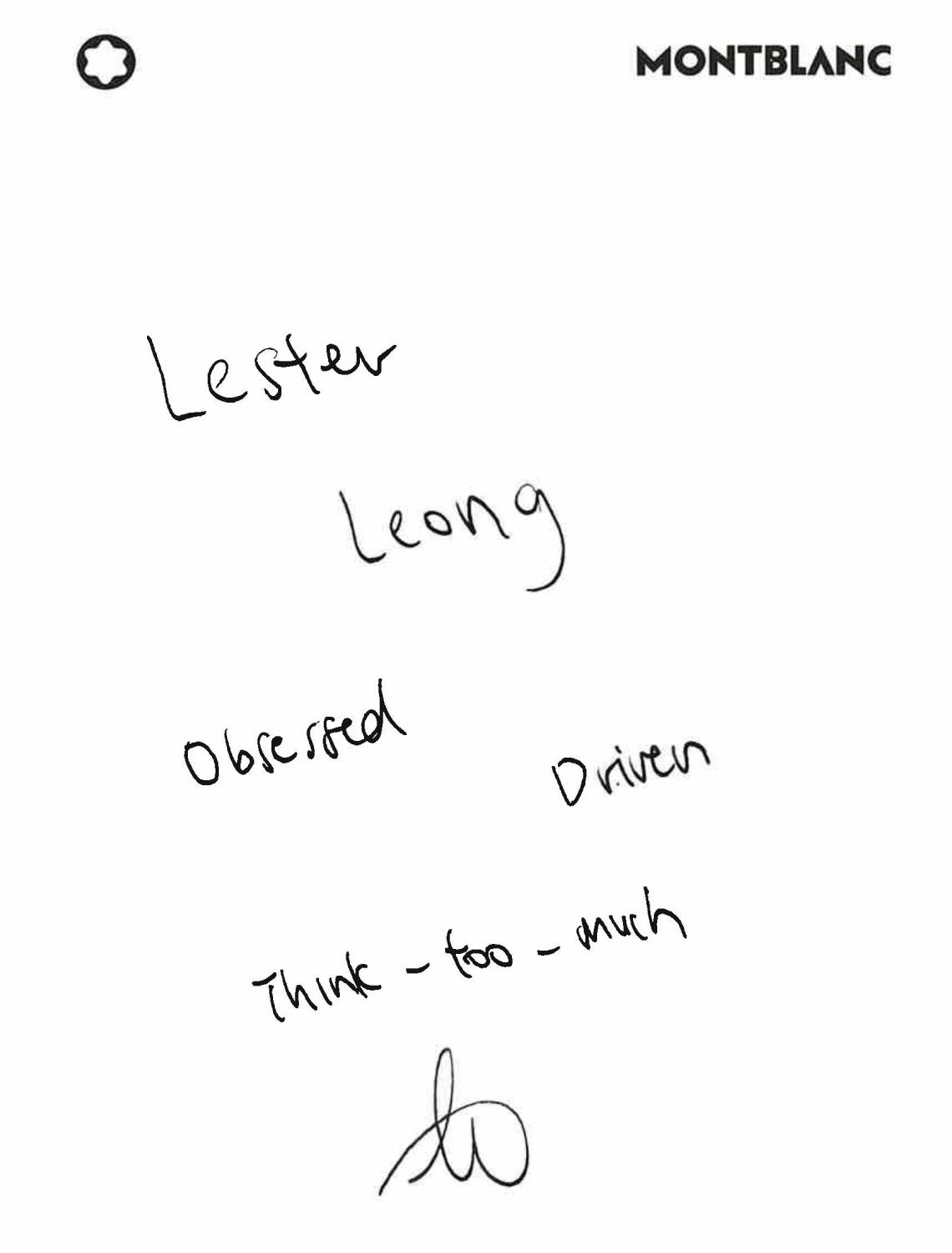
What is a lesser-known aspect of your work and industry?
The person who purchases and applies the paint is almost never the person who breathes it. Contractors and the construction value chain choose products based on margins and timelines, while the health benefits—or lack thereof—are felt by occupants. Solving that split incentive and translating occupant well-being into language that every layer of the value chain can act on is half my job.
How do you see the role of coatings evolving in the next decade?
Coatings are shifting from finishes to functional infrastructure. Surfaces are specified for what they do—regulating temperature, decomposing pollutants and suppressing mold—rather than just how they look. Regulation is finally catching up and buyers are demanding proof, which rewards the companies that have done the science.
How has your definition of success evolved over time?
I remember reading The Almanack of Naval Ravikant (by Eric Jorgenson). He said success is getting what you want. Simply put, if you get what you want, you are successful. Someone who wants to be a family man may not feel successful if he is among the top earners in his profession but sacrifices family time. The opposite is also true. If you measure success only by money, you will not feel successful until you get there. The point is to look inside, understand yourself, and define success.
What is one piece of advice you find yourself giving again?
‘There is no fate but what we make.’ Many founders say they want something but make excuses and lower the bar to avoid hard work. Nothing comes easily. There is no fate but what you make with your hands.
Photography by Eugene Lee of Enfinite / Hair & Makeup by Sveta Klyn of Suburbs Studio