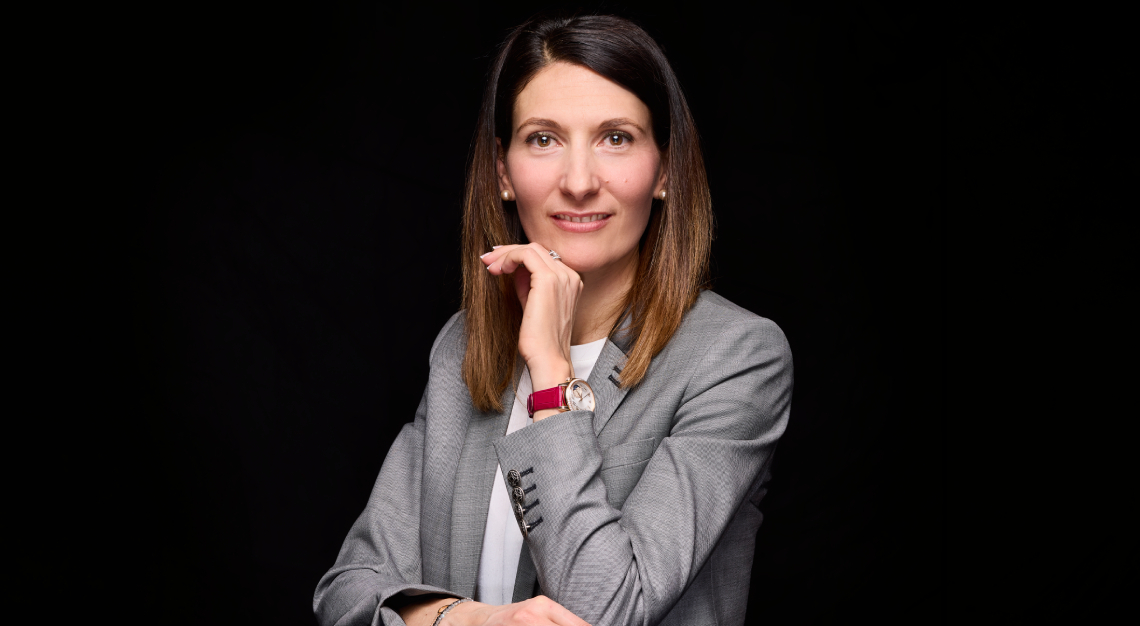
Sandrine Donguy, product and creation director of Vacheron Constantin, reflects on evolution within the 271-year-old watchmaking house and on making watches for the next generation
From offering fresh perspectives on how she would rethink the construction of chiming watches to the ways she engages the next generation of collectors, Sandrine Donguy is cut from a different cloth than most executives who have spent their entire careers in the watch industry.
Vacheron Constantin’s product and creation director, who has spent over 15 years in the watch business, started her career in a rather different industry: cosmetics, working for brands including L’Oréal Professionnel and Clarins. It is tempting to imagine that this early grounding, and her subsequent immersion in fine watchmaking, has given Donguy a different lens through which to view the business.
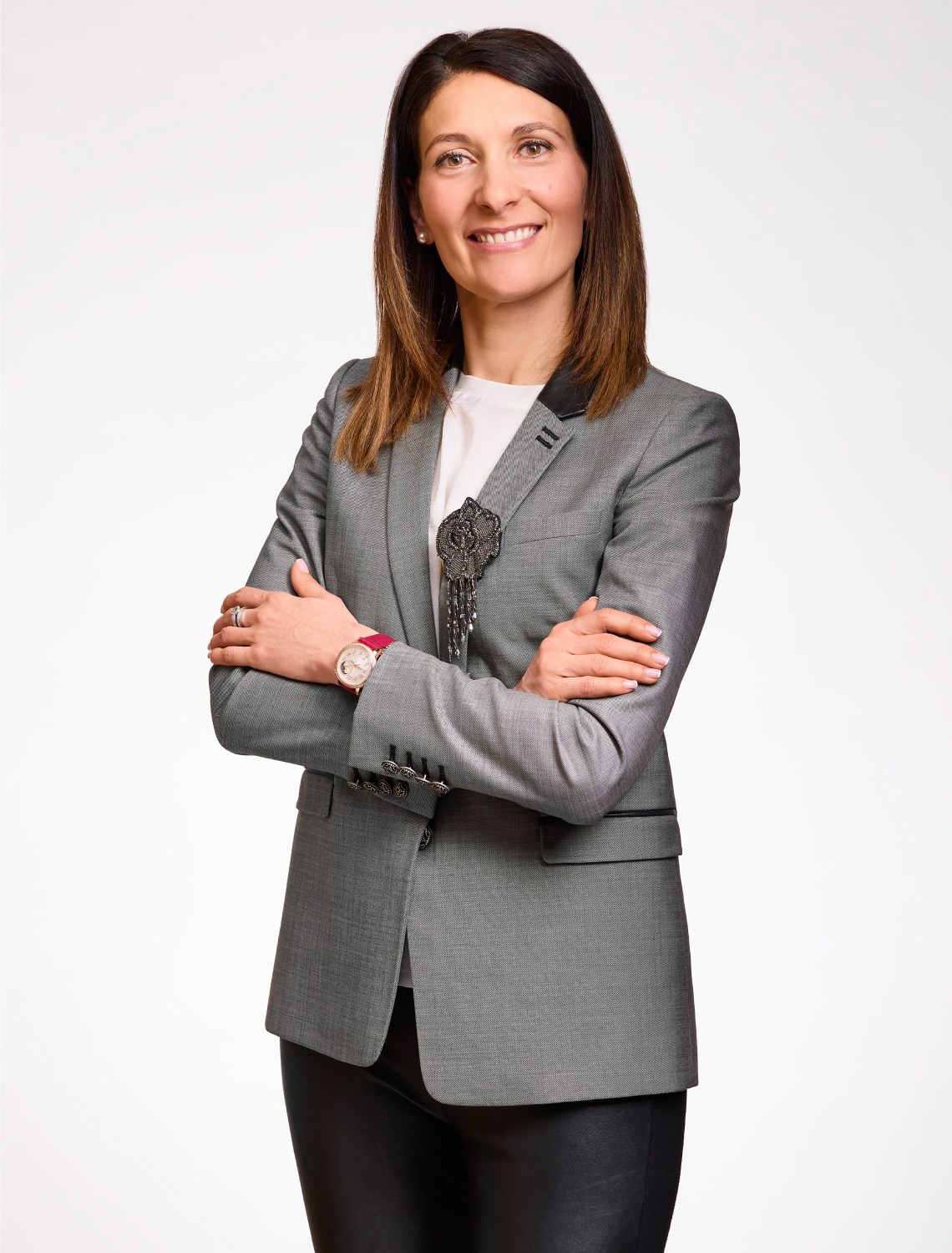
From introducing scented straps, crafted by master perfumer Dominique Ropion, for Vacheron Constantin’s Égérie collection, to leading the reinterpretation of the house’s iconic 222, Donguy does not shy away from questioning convention, even as she remains mindful of the watchmaking house’s rich heritage. It is this mix of respect and measured irreverence that will likely serve the centuries-old watchmaking house well into the future.
Vacheron Constantin’s theme for the year alludes to exploration. How do the 2026 novelties express that?
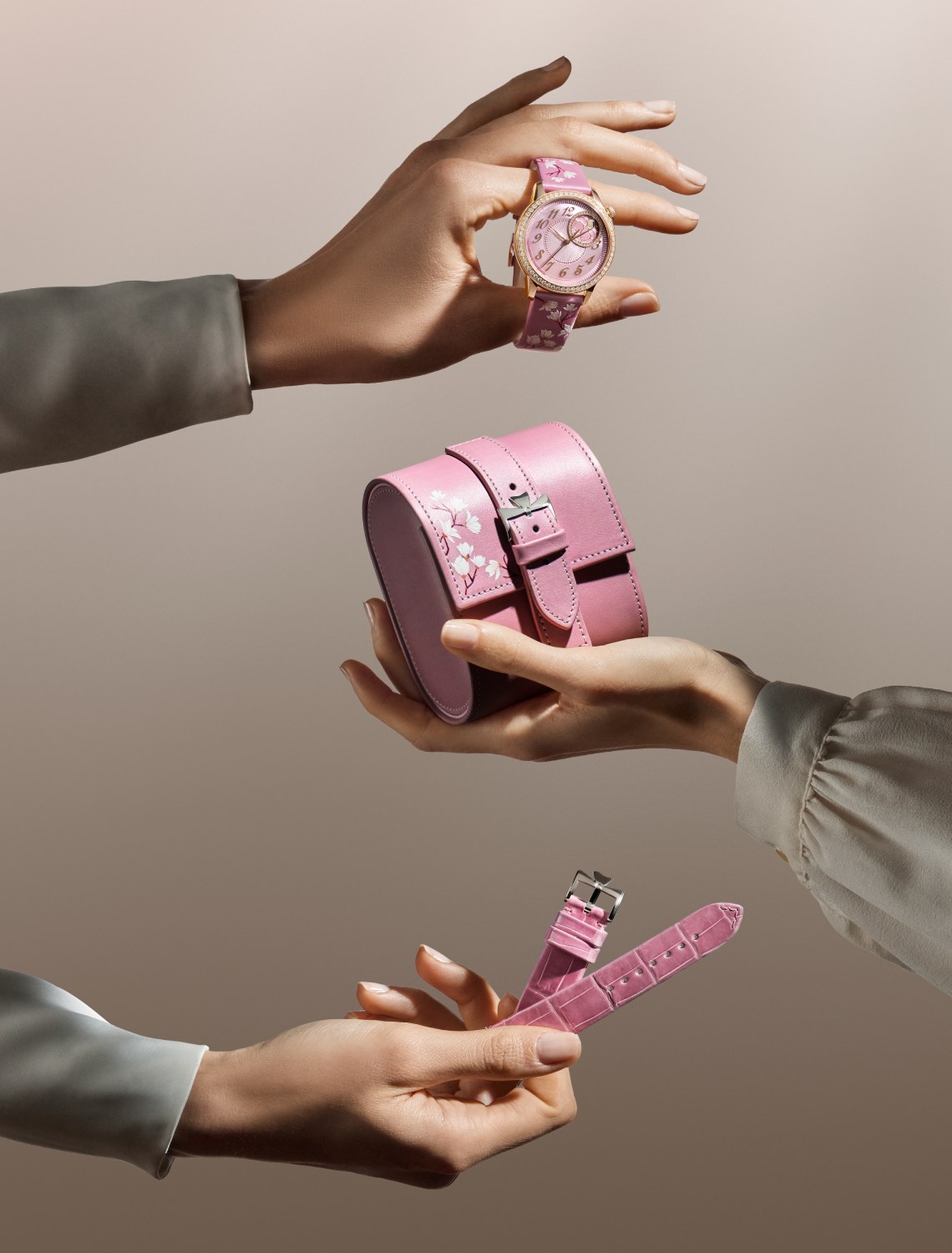
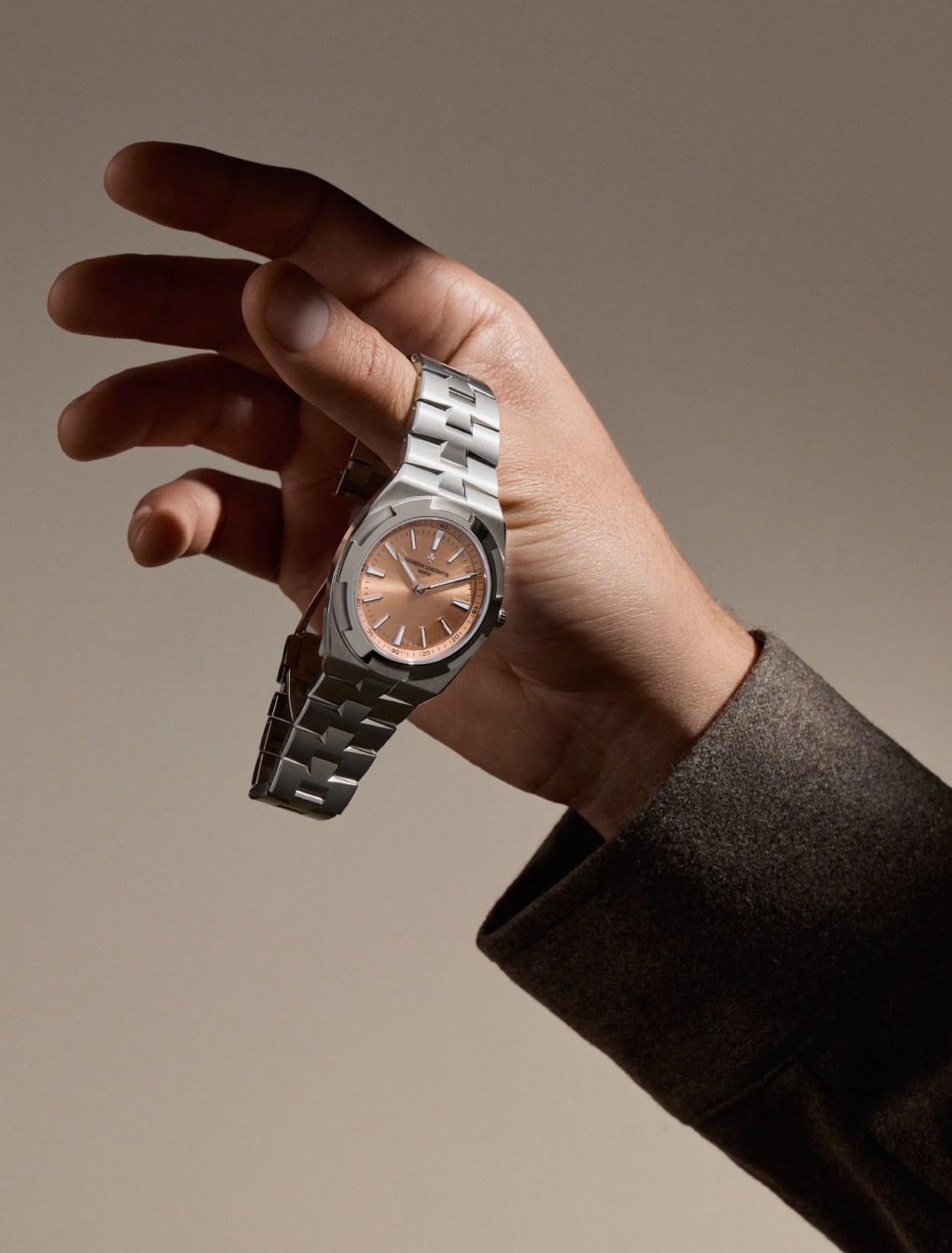
At Watches and Wonders, we unveiled a new base movement—that’s our technical exploration. This new calibre is housed in a new Overseas model that is thinner and smaller, which addresses a demand from our collectors. On the artistic side, the Égérie Moon Phase Spring Blossom, featuring enamel painting on the calfskin strap, is a new way of bringing narrative into our feminine timepieces. The theme also carries into craftsmanship and techniques with limited editions that we have created in partnership with the Louvre museum, such as stone glyptics, traditionally a jewellery technique that we are using in watchmaking. There are many examples but these are some highlights that demonstrate that.
How do you decide when to preserve tradition and when to push innovation?
I like to say we have a playground of different collections. With collections like the Historiques—the 222, the American 1921—we stay very faithful to the archives. We might change the calibre or improve comfort, but we remain true to the original. With others, like the Overseas collection, we’re more emancipated. We can play with different functions and sizes, and dare to be bolder, moving further from our legacy with, for instance, new colour tones. So, it depends on the collection, we play a different melody.
What is your creative philosophy, and has it changed over your eight years with the company?
My instinct has always been to challenge the status quos. When I joined Vacheron Constantin, the approach was: “Here’s the calibre, now let’s build the case and the aesthetic around it.” We have since reframed that into seeing how technique can be at the service of aesthetics, and vice versa. Neither comes first, but the intention has to be clear from the start.
How attuned are you to the tastes of the next generation of watch collectors?
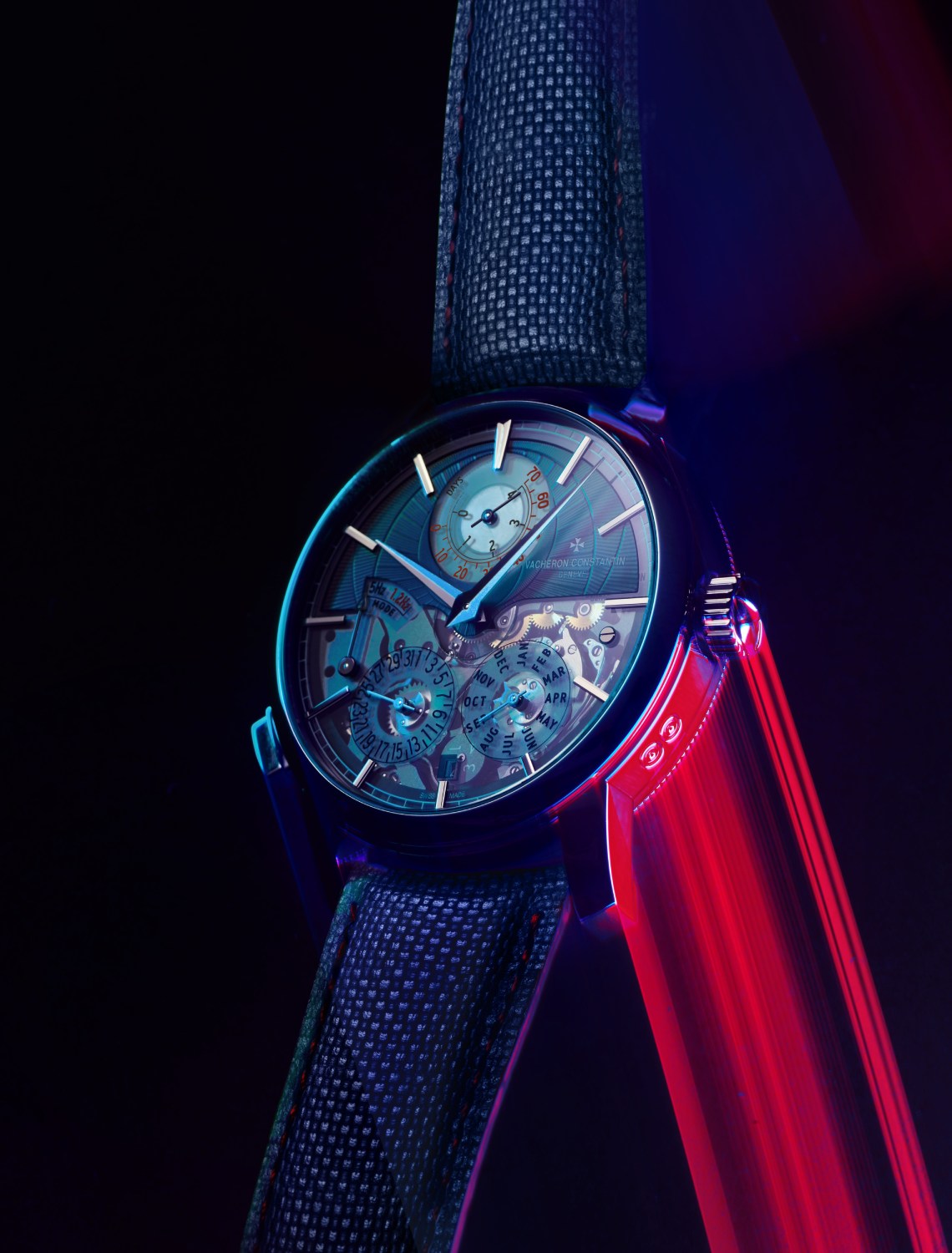
We love the legacy of the maison, of course, but we also have to please the clientele. The average age of our collectors is around 40 to 43. When we look at the younger generation, we’re lucky, because they’re drawn to vintage pieces. At Vacheron Constantin, we’re well placed to reimagine pieces from our rich archives. For those looking for something bolder, we push boundaries with technical complexity. Watches such as the Solaria, the world’s most complicated wristwatch with 41 complications, and the new Traditionnelle Twin Beat Perpetual Calendar, a perpetual calendar with a 70-day power reserve, are examples of that.
Collectors today are informed and a bit more adventurous in what they want. This pushes us to be very value-oriented, to keep raising our standards on every timepiece. They guide our creative process too. We look at their comments on social media, and through conversations. In a way, they help guide our roadmap on what comes first, because if there’s a shared desire across the collector community, it’s important we respond to it.
What do you see as the future of watchmaking?
The watch industry should not be afraid of change. Take the Solaria. The watch was made possible by laser technology, which enabled our master watchmakers to cut extremely thin, extremely precise components. I believe we should be open to new, disruptive technology that lets us push watch construction further—that’s part of staying in tune with our times.