In Best of the Best, we honour the brands and people behind the most covetable products. Here are the best in wheels that earned a spot on our 2026 list
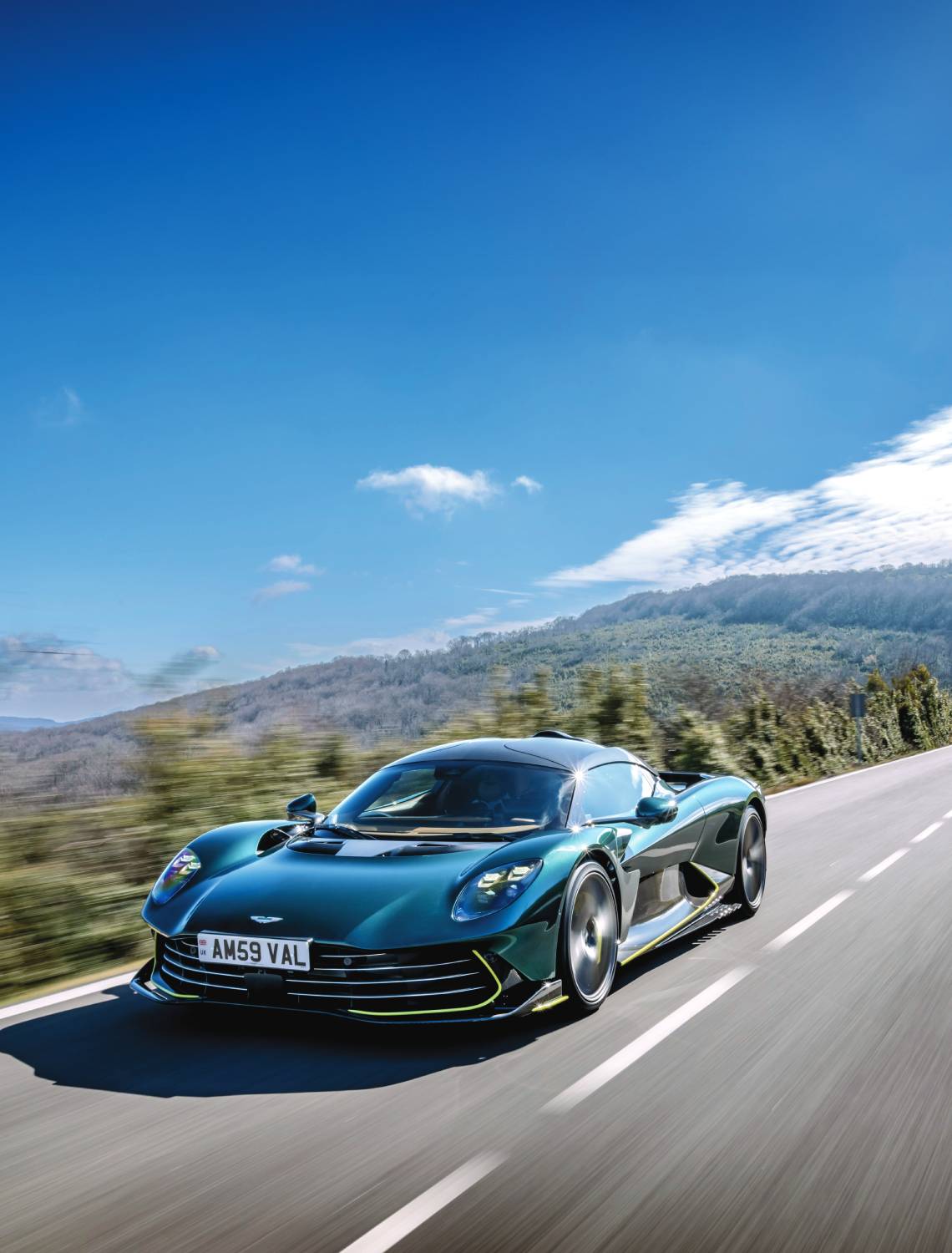
Best Hybrid: Aston Martin Valhalla
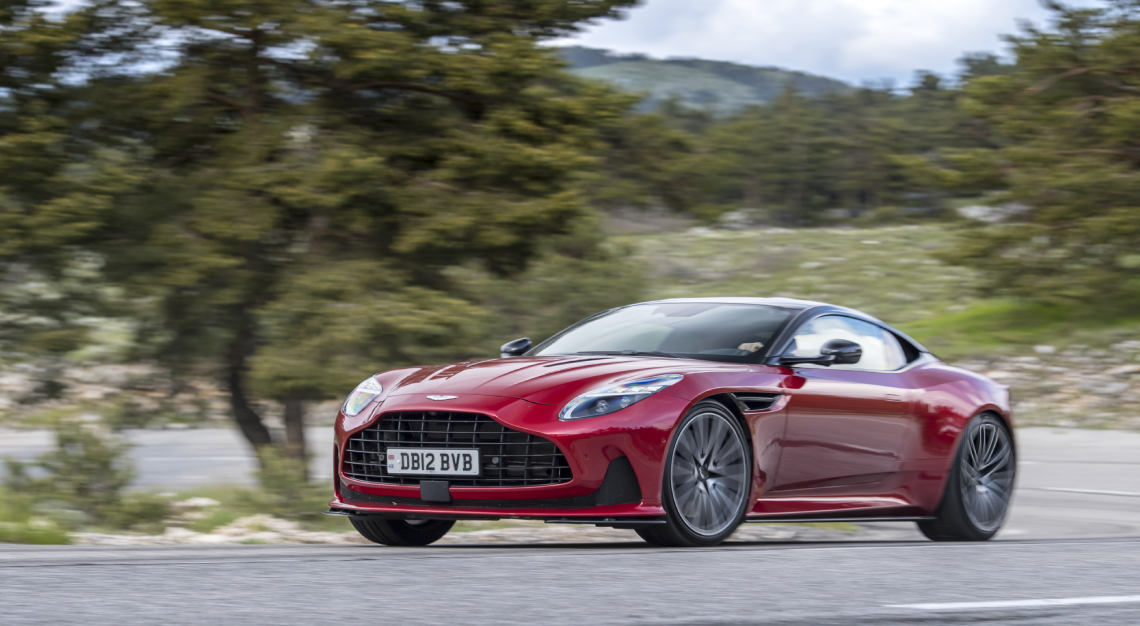
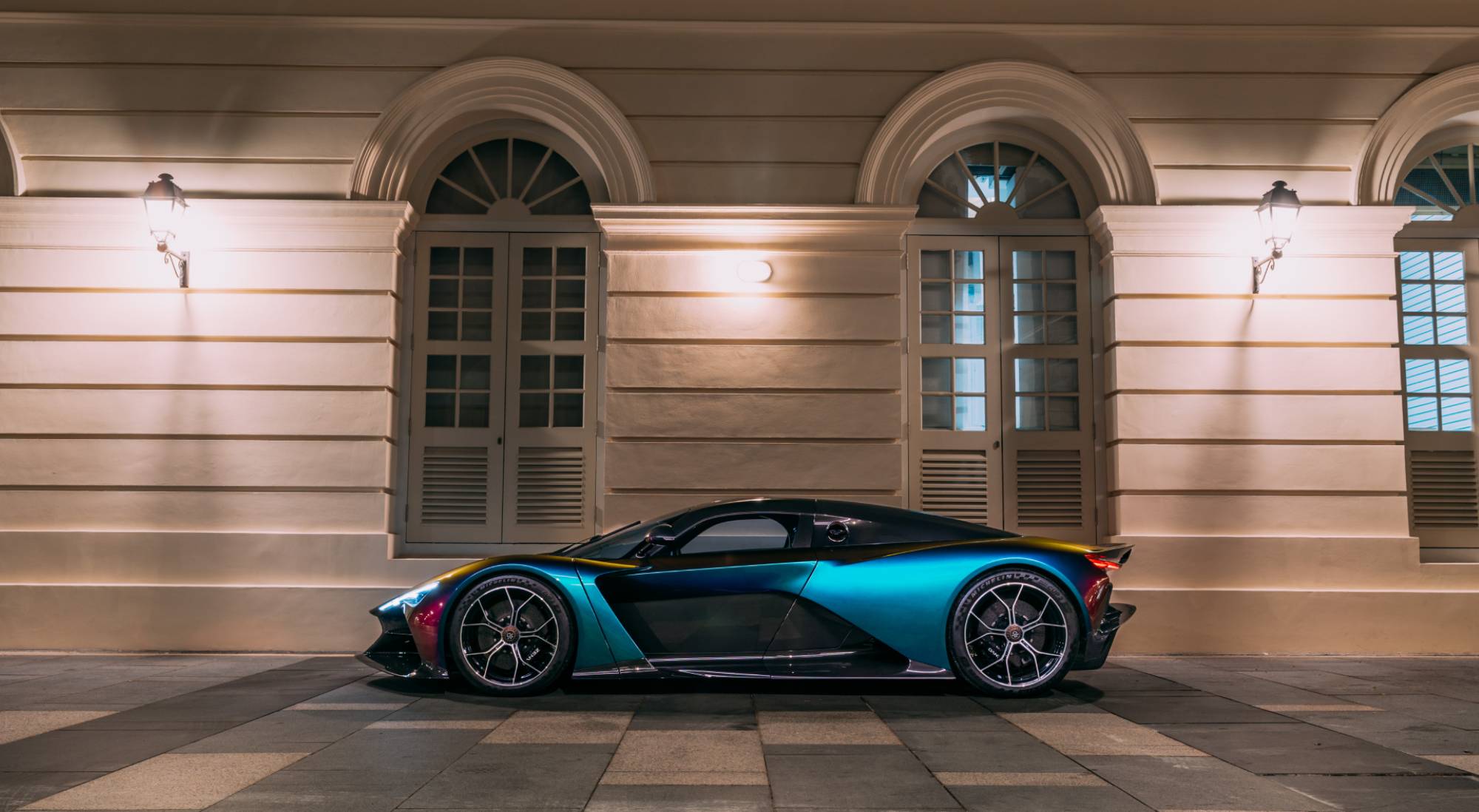
Aston Martin’s Valhalla isn’t just the new flagship—it’s the most technically advanced series-production model in the marque’s 113-year history. This 1,064hp aerodynamic showpiece could easily contend in the supercar or hypercar classes, but its hybridisation sets it apart.
The 1,655kg (dry weight) Valhalla combines an 817hp 4.0-litre flat-plane-crank twin-turbo V8 with three electric motors—a pair operating independently at the front wheels and a third mounted inside the eight-speed dual-clutch transmission. The resulting numbers include a zero-to-100km/h time of 2.5 seconds and an electronically limited top speed of 349km/h. Active aerodynamics can generate 600kg of total downforce in corners while minimising straight-line drag via a Formula One-inspired Drag Reduction System.
But unlike its 1,139hp Valkyrie stablemate—street-legal, yet all motorsport manners—this carbon-fibre chameleon is an undeniable track star that also offers revelatory driving refinement on the road, setting a standard much the way Aston Martin’s iconic DB5 once did in its own era.
Limited to 999 examples, the Valhalla could soon be just as timelessly coveted.
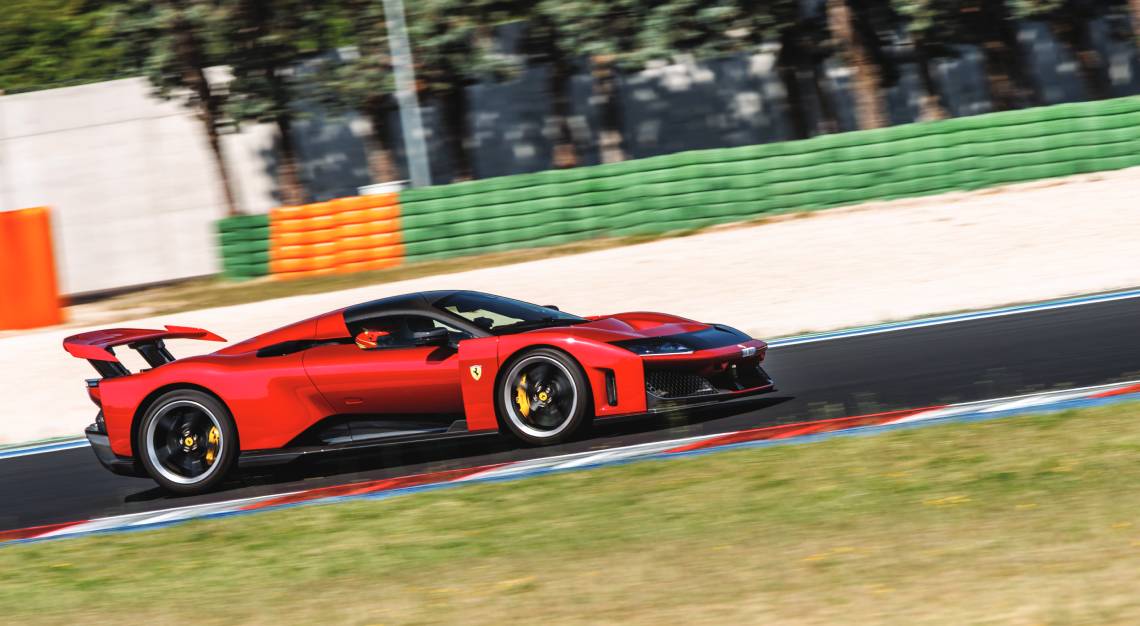
Best Supercar: Ferrari F80
This year, two cars blurred the top categories of power and performance. While the Czinger 21C’s challenge to convention—rooted in state-of-the-art production methods—earned it the hypercar crown, the Ferrari F80 relegates the term ‘supercar’ to understatement. The real question is: where will it rank among the greatest automobiles in F80 history? Ferrari set out to build a model with all the capability of Aston Martin’s daunting Formula One-inspired Valkyrie—and then made it a joy to drive. It also gave it even more muscle. Highlights include an asymmetrical multi-material chassis (including carbon fibre, other composites, and aluminium), a 120-degree V6 that makes nearly 300hp per litre, three electric motors, one metric ton of downforce generated at just over 249km/h, and control arms made using 3D printing and additive manufacturing.
As we experienced with Aston Martin’s Valkyrie, sometimes all that advanced engineering doesn’t add up to a great driver’s car, but Ferrari made sure it did. Calm, easy to pilot, and both predictable and correctable on track, the F80 transforms into a snarling monster on the road. It’s the best-driving street car we’ve experienced—bafflingly good, really, to the point where your brain starts to think almost any price might be a bargain.
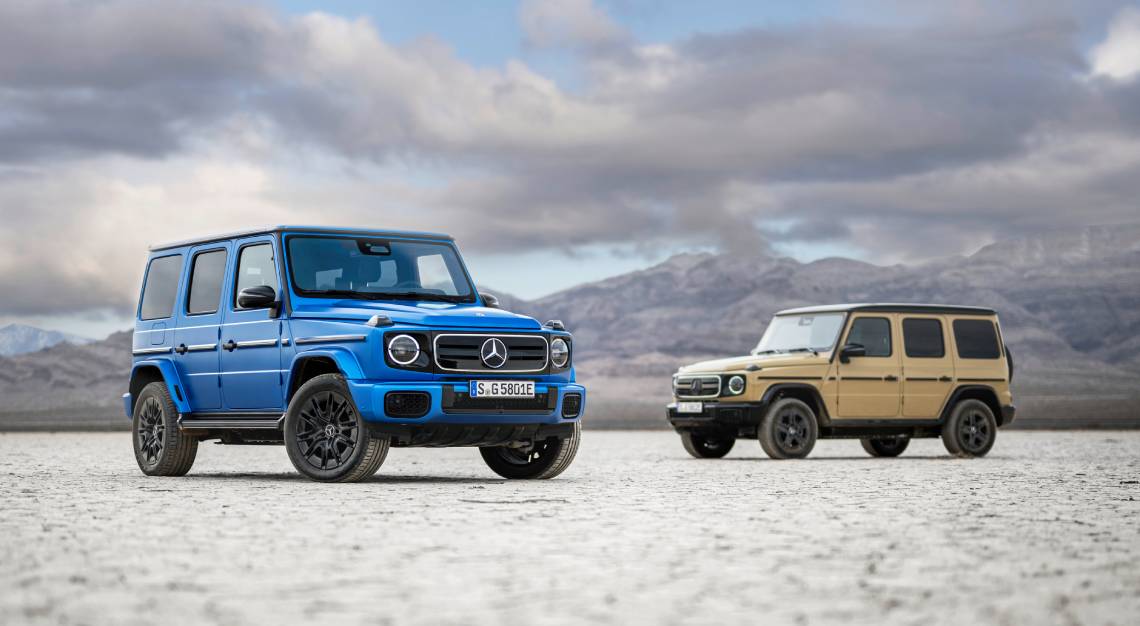
Best EV: Mercedes-Benz G 580 with EQ Technology
When electrifying an automotive icon, the greatest risk is losing the soul of the original. The all-new G 580 with EQ Technology avoids this trap, proving that the Geländewagen’s greatest trick is not going electric, but remaining entirely, unmistakably unstoppable in the process.
This fully electric variant retains the G-Class’s angular silhouette, characteristic door-closing sound, and rugged ladder-frame concept. Yet it introduces genuine electric innovations that push its considerable off-road capabilities even further. Thanks to intelligent battery integration, the electric G 580 boasts a maximum fording depth of 85cm, outperforming its petrol-powered siblings, alongside at least 233mm of ground clearance.
Where the G 580 truly establishes its electric credentials is in its EV-specific theatre. Mercedes- Benz engineers have outdone themselves with the G-Turn, a striking feature that allows the SUV to rotate almost completely on the spot on loose surfaces (use the function on tarmac at your own risk). To ensure the electric transition doesn’t lose the visceral thrill of driving a G-Wagen, the G-Roar sound experience channels the deep, sonorous bass of the family’s historic V8s, reacting dynamically to your driving mode.
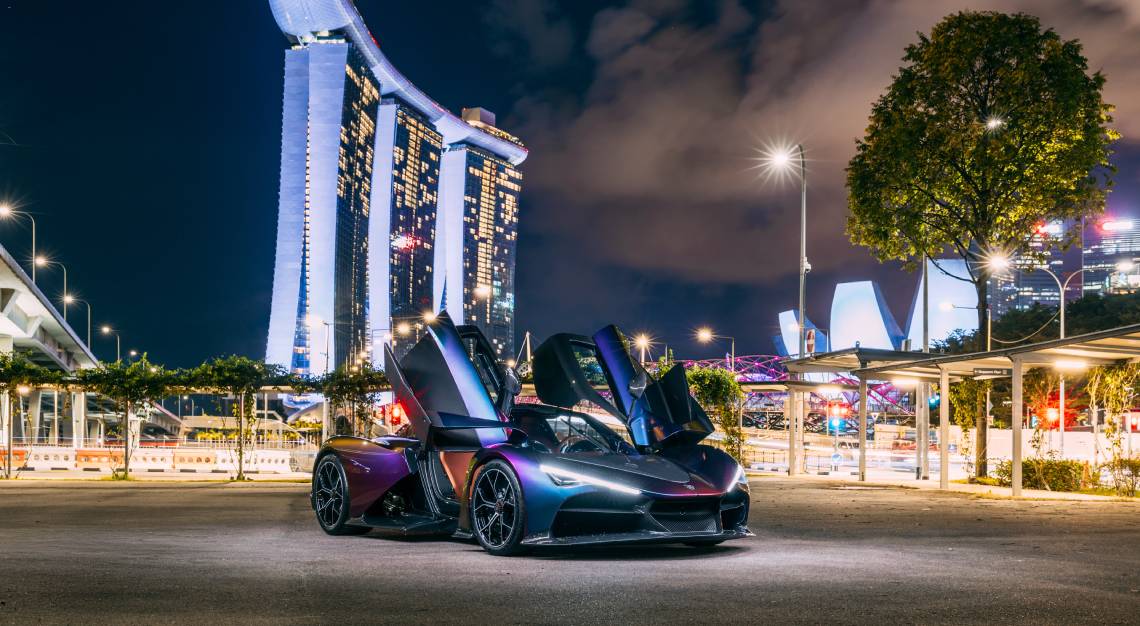
Best Hyper-GT: Zenvo Aurora
Named after the elusive Northern Lights, the new Aurora is a triumph of staggering power and deliberate analogue connection. It proves that the era of the V12 is far from over; the Danish marque’s latest achievement earns our award for the best hyper-GT by delivering a bespoke, quad-turbocharged 6.6-litre Mahle Powertrain V12 that revs to a screaming 9,800rpm.
While the Aurora is offered in a stripped-back, track-focused Agil trim, it is the grand-touring Tur variant that defines the hyper-GT category. The Tur conceals its aggressive aerodynamic engineering within a sweeping, classically inspired silhouette. More importantly, it adds an electric motor to each front wheel, working in concert with the V12 to generate a combined 1,850hp and 1,700Nm of torque. The result is all-wheel-drive traction that can launch this sophisticated grand tourer from naught to 100km/h in an astonishing 2.3 seconds, before topping out at 450km/h.
Hand-assembled in Denmark and limited to 100 examples across both the Agil and Tur variants, the Aurora is engineered with precision to maintain a pure, emotional connection between driver and machine.
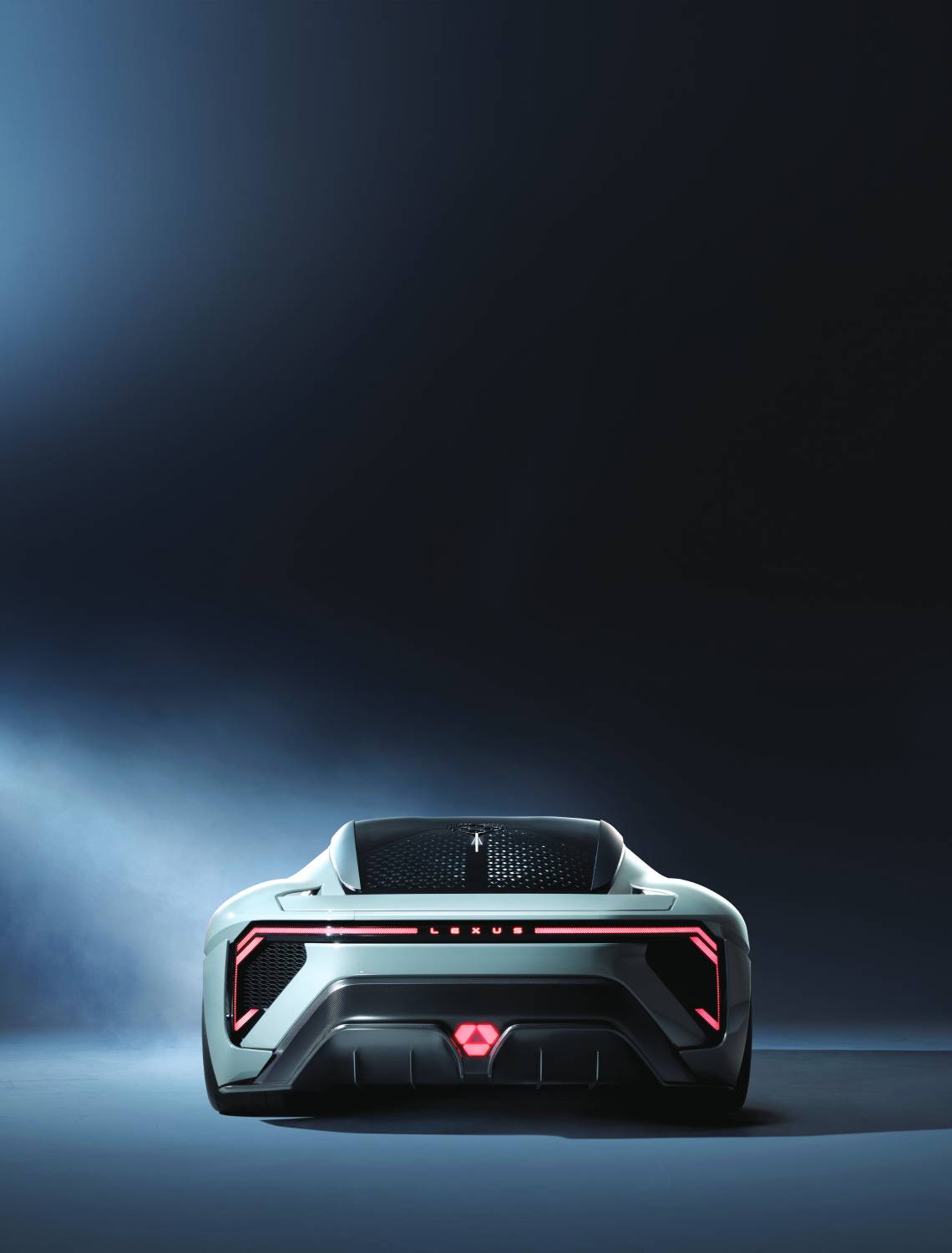
Best Concept: Lexus LFA Concept
The first LFA production car was unlike anything the Japanese marque had built before the model’s debut in 2009—or since, for that matter. So what better way to honour one of the automaker’s most important vehicles than by once again doing something completely different? Introduced late last year, the LFA Concept swaps its predecessor’s naturally aspirated V10—said by some to emit the “roar of an angel”—for an all-electric power train. For that reason alone, its battery-powered nature will likely not win over traditionalists, but if a production version becomes reality, it could give electric-vehicle (EV) demand a jolt.
Rather than offering a reverential homage, the concept recalls the original’s aggressive sophistication, while integrating bleeding-edge advancements. Its most forward-looking feature might be the cocoon-like dash, fronted by a yoke in place of a conventional steering wheel in the fighter jet–style cockpit. It’s a fitting configuration that suggests the sky may indeed be the limit for this LFA.