We talked to the L.A. watch expert on the industry at large
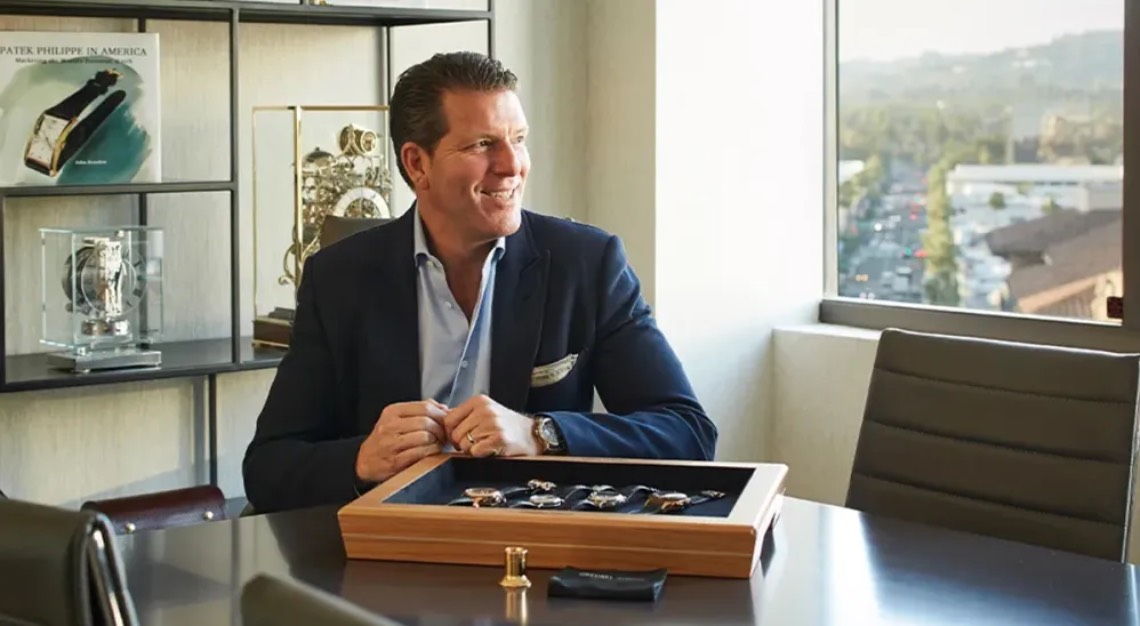
The last time we spoke to Steven Rostovsky, a Los Angeles dealer specialising in rare new and pre-owned watches, he was in Miami. It was April and he’d flown to the Magic City to decompress from the stress brought on by President Trump’s “Liberation Day” tariff announcement earlier that month, which established a 31 per cent tariff on Swiss imports.
“I believe that secondary market prices will rise—my gut feeling is that they will rise five per cent, but it will take six months to play out,” Rostovsky told us. “There’s a lot of inventory in the secondary market. But it will change the business.”
He was certainly right about that! More than nine months later, tariffs have upended the industry. But they’re far from the only factor complicating the market. We decided to check in with Rostovsky to see how the year played out and what the lessons of 2025 portend for the new year. Coincidentally, we found him back in Miami, this time for the International Watch & Jewelry Guild show, which he hasn’t attended in five years. “Just to get out, something different,” he explains.
Below, Rostovsky talks to Robb Report about the new brand he recently started carrying, the types of watches poised to trend this year, and why tariffs are no longer the main issue for the global watch trade.
Watch sales in 2025 beat expectations
When Robb Report first spoke to Rostovsky in April, the tariff situation seemed dire. That feeling intensified on Aug. 1, when the Trump administration announced that the tariff on Swiss imports would rise to 39 per cent, from Liberation Day’s 31 per cent rate.
Rostovsky handled the news by putting the kibosh on imports. “I did not import much in 2025,” he says. “I focused on local domestic packages, buying domestically instead of importing. I have two sides to my business: direct sales for brands and secondary sales, both in pre-owned and new, and that’s worked for me. I bought packages, such as Arnold & Son, not direct from factories but new, domestically. I didn’t import anything when tariffs went up to 39 per cent. But my year ended up better than 2024.”
He attributed that to a surprisingly resilient market, especially in the final quarter of 2025. “The last quarter of 2025 was incredibly strong across the board,” Rostovsky says. “If you speak to people, they’ll say there’s a lot of strength in the watch market that I think will continue into 2026. Yes, things are much more expensive because the dollar is weak and tariffs have impacted things, but I don’t think there’s resistance. There’s enough elasticity in the market.”
Currency shifts are more problematic than tariffs
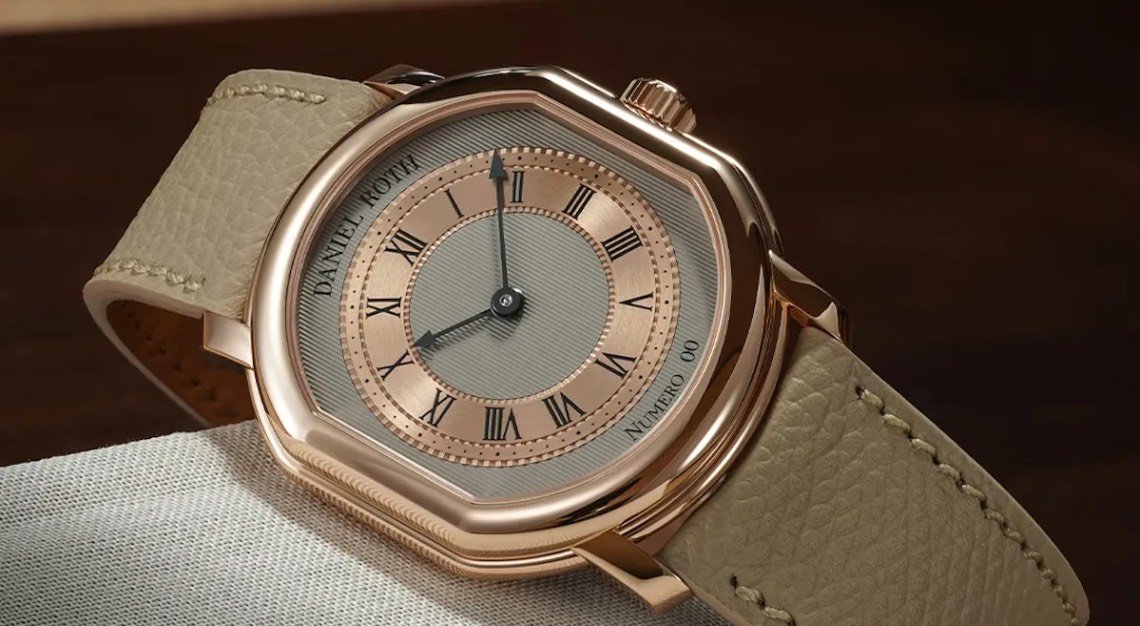
When tariffs dropped to 15 per cent in December, Rostovsky once again started to import products, including a new brand he just took on: Daniel Roth. “Now, between us, the factory and the consumer, the tariffs are being absorbed,” he says. “U.S. prices on average will be about 6 percent higher than the rest of the world.”
The tariffs only offer a partial explanation. The dollar’s weakness is another, more consequential factor. “When I started in the watch business 23 years ago, for every dollar, you could buy 1.25 Swiss francs,” Rostovsky says. “If a watch retailed for 10,000 Swiss francs, it would retail in the U.S. for US$8,000. Now a watch that retails for 10,000 Swiss francs is US$13,000 in the U.S., just on exchange rates alone. That’s a huge swing because of the dollar.”
Nevertheless, Rostovsky is optimistic. “From April to December when tariffs were high, a lot of people were traveling to pick up watches,” he says. “I don’t think that’s going to happen anymore.”
Classic, simple watches are poised to sell
During the pandemic, buyers went bananas for steel sport watches on integrated bracelets. After prices peaked in 2022, the pendulum began to swing in the other direction, as buyers gravitated to quirky, shaped styles that helped them stand out from the hordes.
Today, tastes have landed somewhere in between. From Rostovsky’s perch, he expects “simple, beautifully made watches” in low quantities to perform well. “I do believe the appeal is for a classic round case, and not something overly complicated,” he says, noting that the shaped renaissance of the past few years was, in his eyes, a reflection of desire for rarity rather than esoteric styling. “People were buying shaped models because they were rare and there were few.”
He also attributed the ongoing interest in “neo-vintage” watches from the 1990s and early 2000s to the era’s preponderance of classic-looking designs. “Classic and simple—that’s where it is,” he says. “Instead of oversized, more complex pieces, it’s about more simple designs, hand finished. Look at Akrivia—look at their success. Very simple, very clean, very well made.”
Some dealers are sidelining watchmaking in light of gold’s rising price
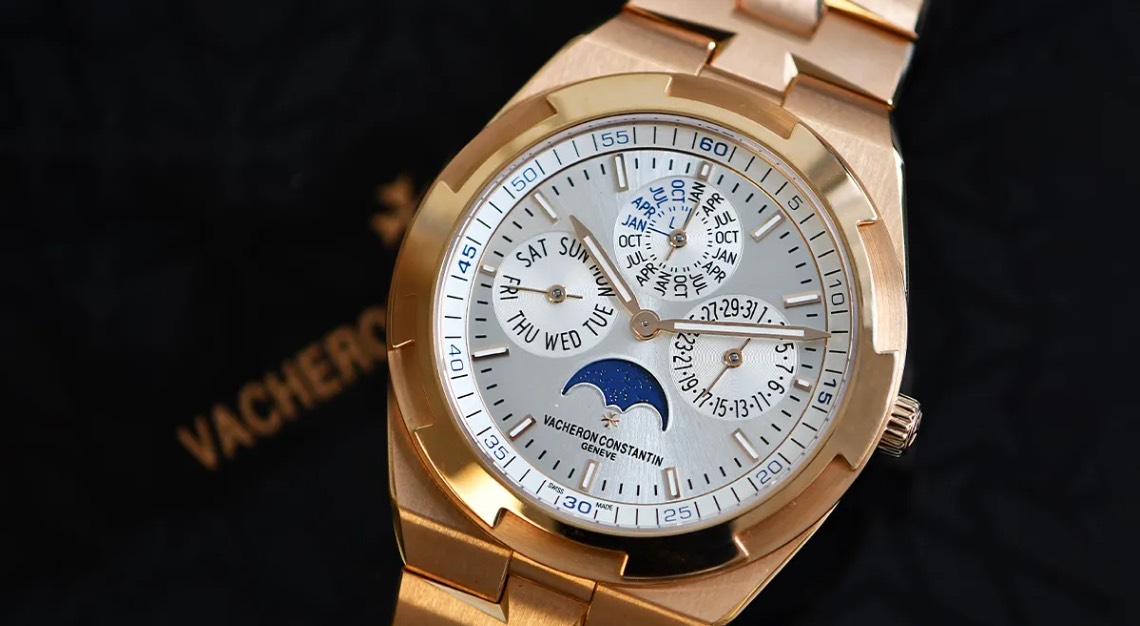
With the price of gold now hovering around a record high of US$4,600, some watch traders are seeing opportunities in their gold watch inventory. Rostovsky isn’t a fan. “In June of last year, I was on 47th Street in New York, and it drove me crazy: Some of the 47th jewellers were valuing watches they were buying based on the weight of the gold, not on the watch itself,” he says. “For me, that was frustrating because I’m passionate about the watches, about what went into them, the finishing, and those dealers didn’t give a damn. It wasn’t even important what the retail was. They were solid gold Corums, Breitling Bentleys. They were valuing them only for the value of the gold today. Just the melt price. It’s depressing.”
Global pricing parity is a thing of the past
The luxury watch industry has always struggled with currency shifts. That’s because the goal has long been to maintain pricing parity around the world, so one market isn’t artificially stronger than another simply due to the strength of its currency. That kind of thinking colored the way watchmakers reacted to the U.S. tariffs, but, as Rostovsky notes, the conventional wisdom has begun to change.
“When tariffs were first announced, the goal was to keep U.S. prices the same as the rest of the world so people wouldn’t travel to buy,” Rostovsky says. “Now, it’s accepted that the U.S. retail price is going to be higher than the rest of the world—more expensive than, say, Hong Kong or Geneva.
“But key is that if you go to Geneva to pick up a watch, my opinion—and brands have come to accept this as well—is that if you pick it up there, you’re faced with two choices: Do I pay the VAT, which is 8.1 per cent in Switzerland (in London, it’s 20 per cent) or take a chance and bring it home on my wrist or in my bag?”
Rostovsky is confident that customers in the U.S. will pay roughly six per cent more on average for watches instead of traveling elsewhere, where they’ll have to confront an even higher VAT. That’s true even amidst the luxury trade’s ongoing slowdown. And it’s especially true for buyers of independent brands, a Rostovsky specialty.
“Since Covid, so many people got interested in watches and even though you’ve seen some hype fall away, there are more people interested in watches today than there ever have been,” Rostovsky says. “And independents cannot produce more watches. If they’re making 200 watches a year, they cannot double that production. That’s where the innovation is coming from, that’s where the passion is coming from. We just started with Daniel Roth, which is a good example. I don’t look at it as an LVMH brand, I see it as a small independent brand making 100 watches a year. Collectors may start with Rolex, AP, Richard Mille, but then they gravitate to the independents. I don’t see that changing.”
This story was first published on Robb Report USA. Featured photo by Steven Rostovsky