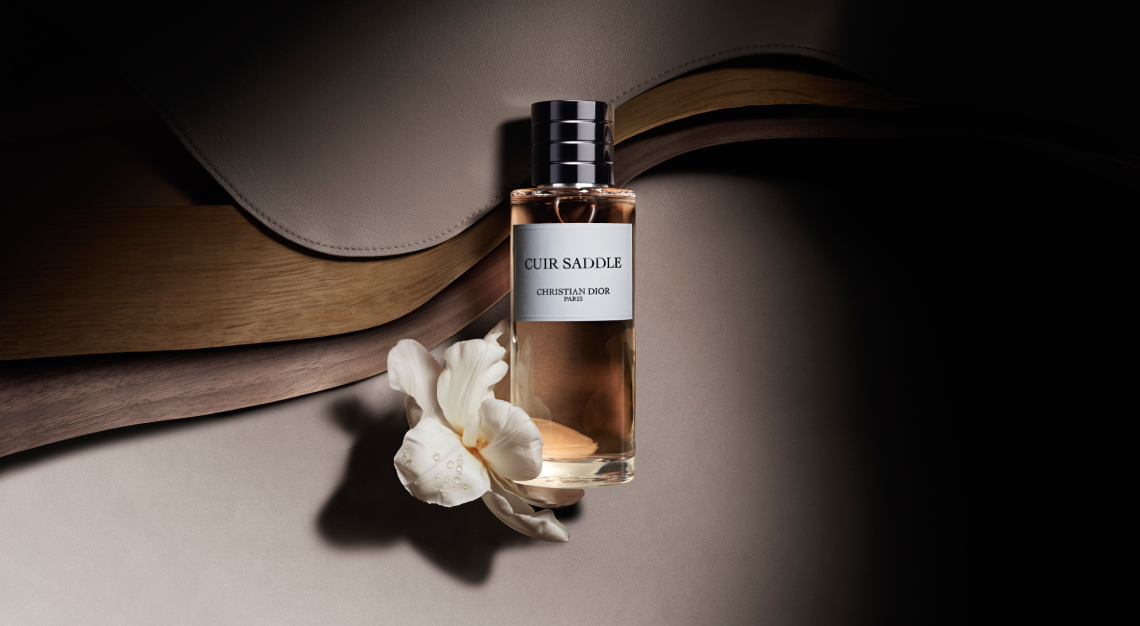
In a group zoom call, perfumer Francis Kurkdjian shares the inspiration behind his latest creation for Dior, Cuir Saddle
Francis Kurkdjian, creation director for Parfums Christian Dior, is a man who deals in parallel histories. He understands that every creative choice, whether in haute couture or haute parfumerie, is a conversation between past and present. His latest creation for La Collection Privée Christian Dior, Cuir Saddle, is perhaps his most ambitious translation yet: an attempt to capture the supple, sensual spirit of one of the maison’s most recognisable icons—the Dior Saddle bag—in an olfactive form.
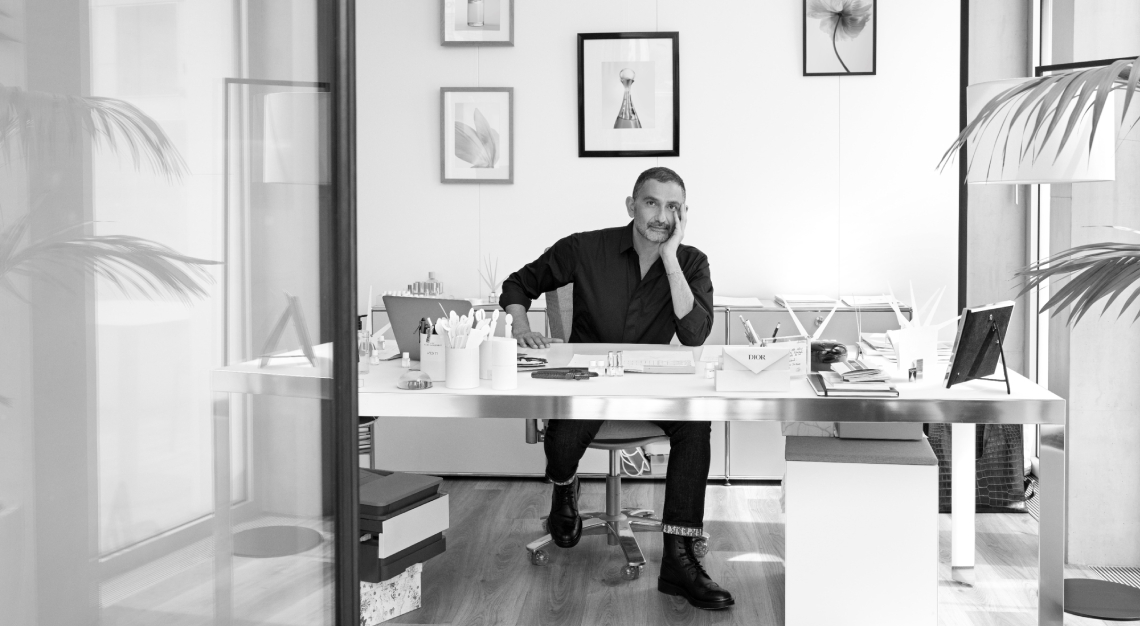
“Time will tell,” Kurkdjian muses during a recent virtual discussion when asked how he ensures that Cuir Saddle embodies the same spirit and legacy. “It will take time to see whether Cuir Saddle will live up to the legacy of the Dior Saddle Bag.”
But for Kurkdjian, the link between the two objects was organic, even mandatory. “Why not?” he asks, when prompted on the motivation for the scent. “It’s an iconic bag. Also, it’s made of leather—a key ingredient in perfumery. There’s a parallel.”
For the world-renowned perfumer, the process of creation is intensely internalised. “I work in silence and in the dark; it helps me focus on the smell better,” he explains. His inspiration is less about imagining a specific wearer and more about the object’s physical and emotional narrative. “I take inspiration from the silhouette of the Dior Saddle, how it feels on the skin, and how it interacts with the body. I don’t imagine a wearer when creating a fragrance; I focus on the story and emotions it evokes.”
This sensory approach led him to redefine the classic “Leather” genre, a cornerstone of perfumery that stretches back to the glove-perfumers of Grasse. Traditionally, leather accords are smoky, musky, or animalistic. Kurkdjian’s challenge was to disrupt this respectable history and introduce lightness and modernity.
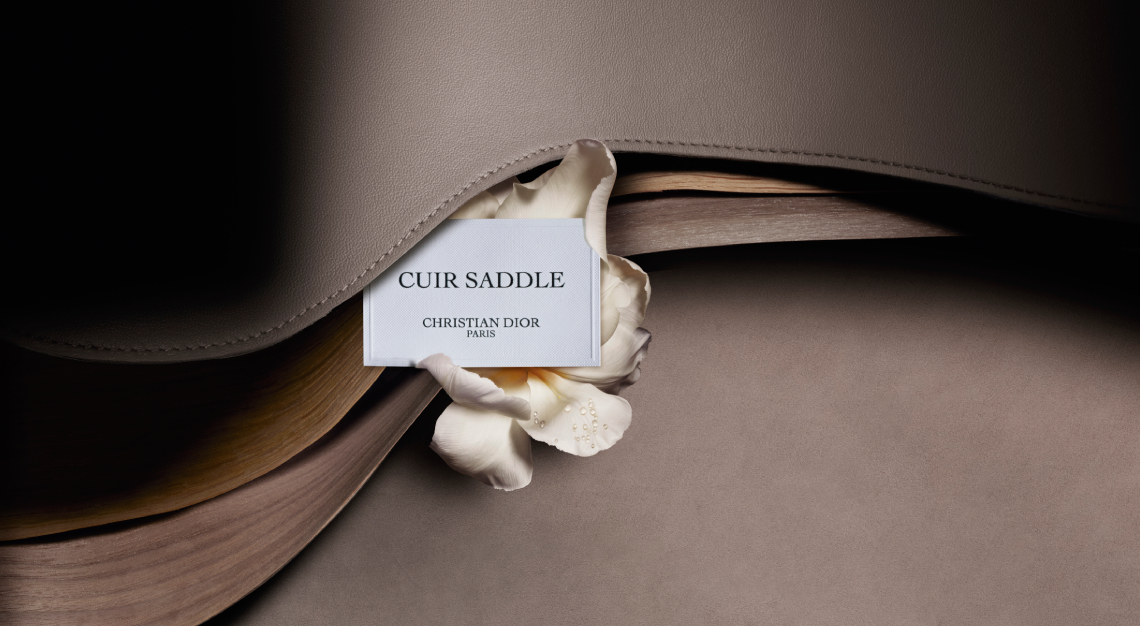
“The emblematic Dior Saddle bag that has stood the test of time with such elegance, inspired me to create a fragrance that conveys the audacious style of this icon,” he explains. He sought to create a trompe-l’œil leather, one that surprises and delights the senses.
The resulting fragrance is described as “warm, clean, and fresh, not the citrusy kind of fresh, though.” It is a sensual, unprecedented composition—a leather-floral that melts into the skin like a second skin. Kurkdjian aimed for a supple, velvety suede, achieved by blending traditional leather notes with a cloud of musky, creamy florals and modern woody amber notes. The effect is lighter yet persistent, soft yet sensual.
This modernisation relies heavily on technology and Kurkdjian’s masterful touch. “To keep perfume relevant, we have to work with up-to-date molecules,” he states. While he and Dior are careful about their use of synthetic materials, he is quick to dismiss the notion that perfumery is about a single “new” note. “The idea of a ‘new material’ is mostly a marketing ploy—you can’t really smell one single new molecule in a finished perfume.”
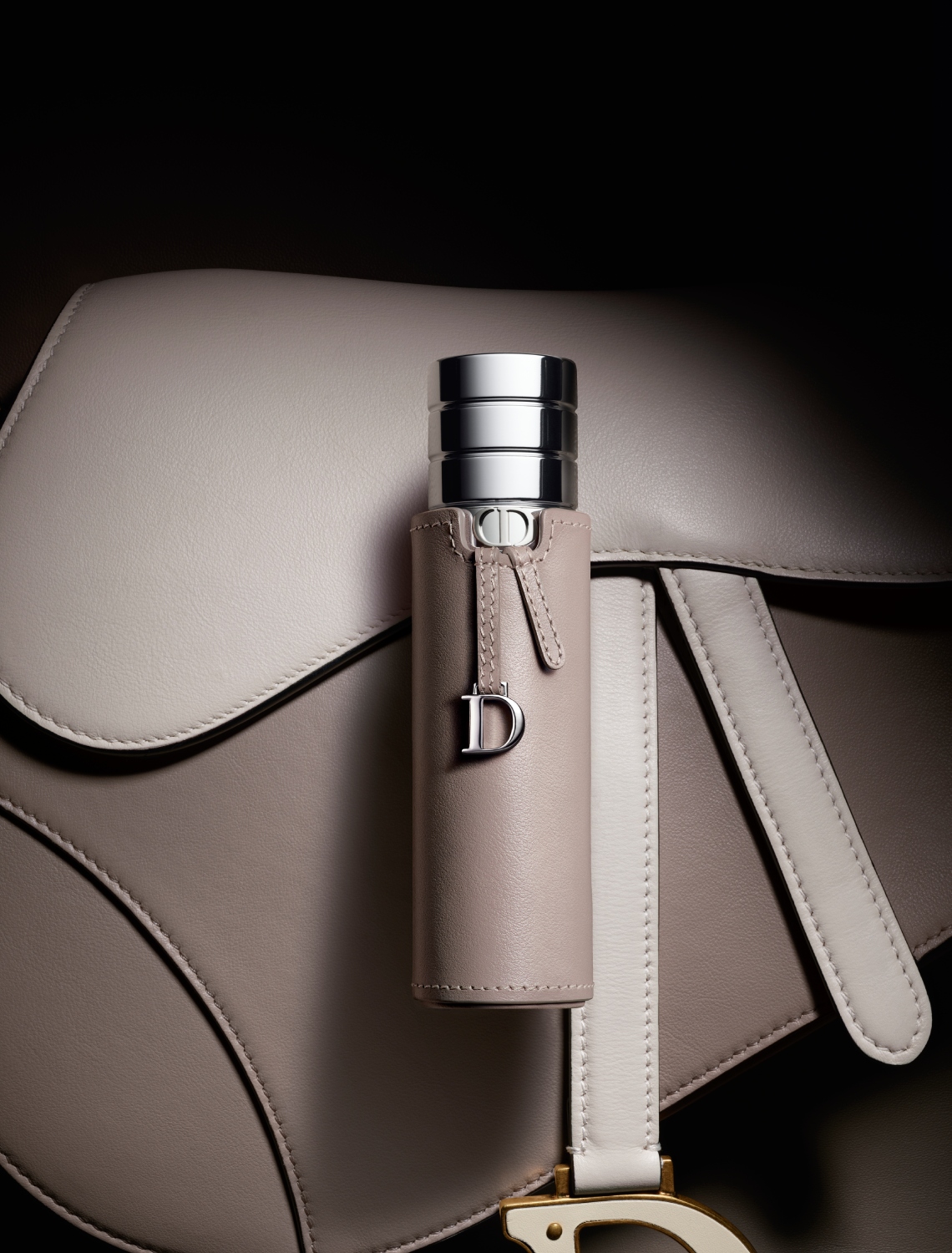
For him, the art is in the composition, not the individual components. “Perfumery is like playing the piano—the instrument is the same, but what matters is how you play it. Each perfumer gives a new vision by playing it their own way.” His new vision for Dior’s leather icon is one of light, comfort, and unexpected freshness, bridging the worlds of fashion and perfume with effortless, couture elegance.