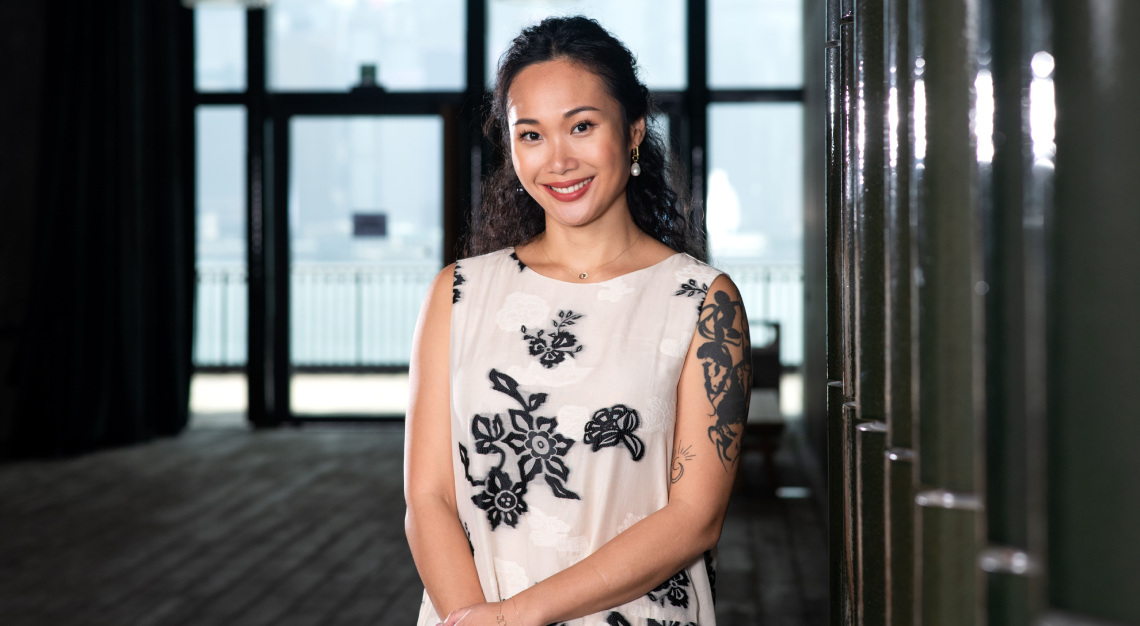
The director of Art Basel Hong Kong discusses taste and evolution, and debunks some myths about the art world
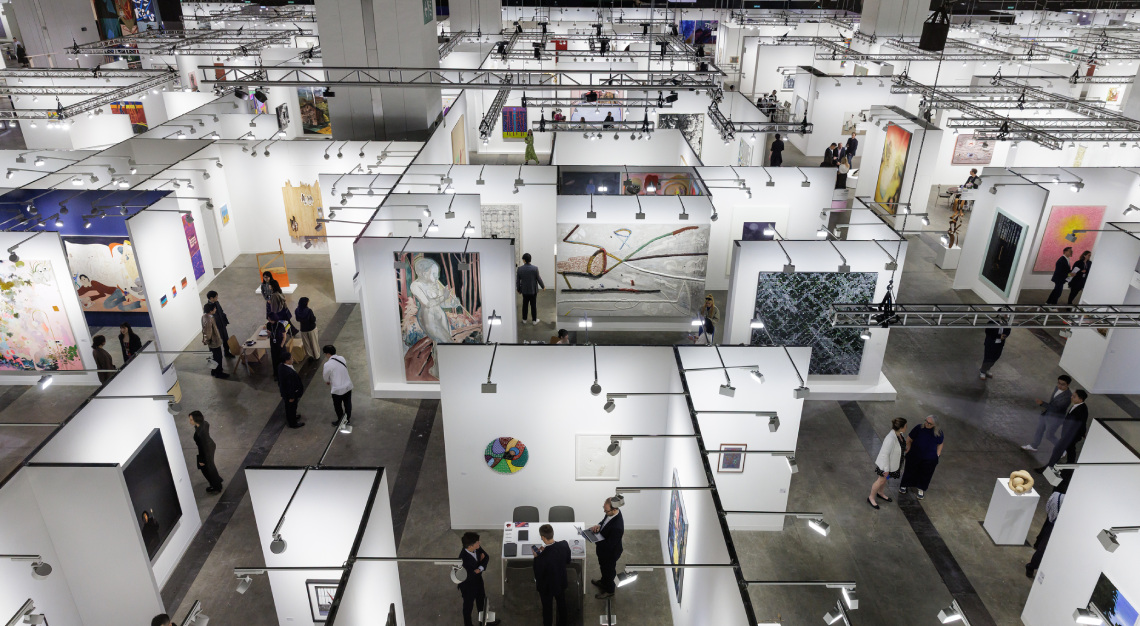
Creatives may resist reducing the world to facts and figures, but at Art Basel Hong Kong 2026, the numbers speak volumes. Nearly 240 galleries from 41 countries will gather at the fair from 27 to 29 March, reinforcing its standing as Asia’s leading contemporary art event. With last year’s momentum, the 13th edition is poised to eclipse the 91,000 visitors recorded in 2025.
The person at the controls is the fair’s director, Angelle Siyang-Le. “It feels like a culmination of everything Art Basel has been building towards, especially in the years since the pandemic,” she says. “Reconnecting, reshaping, and expanding cultural awareness across the board.”
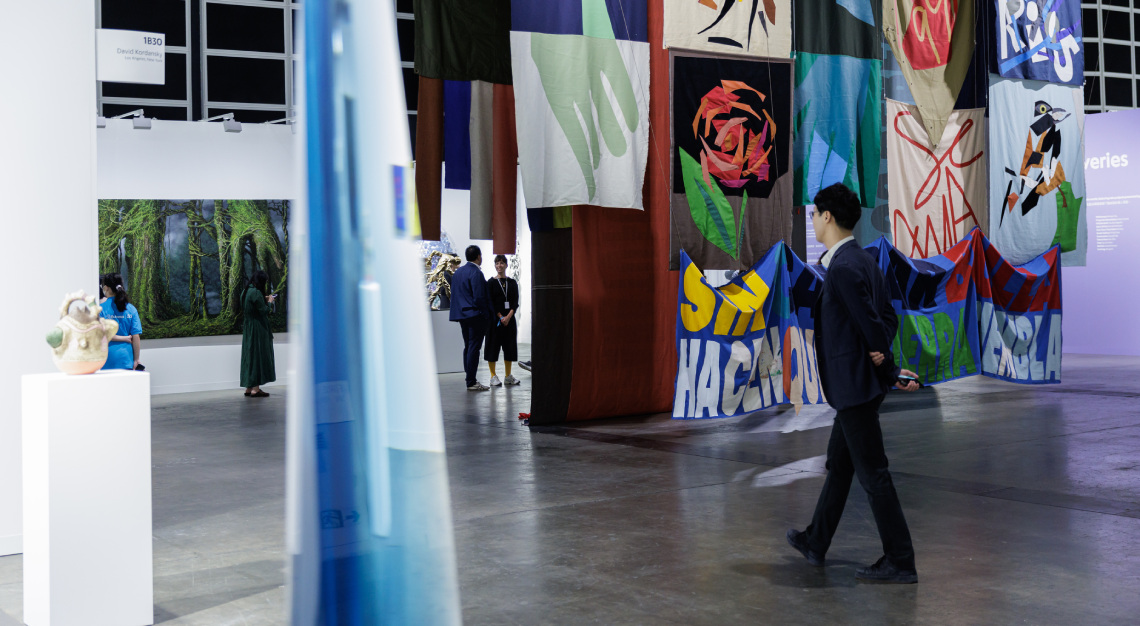
Tasked with reinforcing Hong Kong’s role as Asia’s global arts hub while doing justice to the region’s diversity through sharp curation and strategic vision, Siyang-Le faces a delicate balancing act. But with more than a decade at Art Basel and her appointment to the role in 2022, she is well placed to steer the fair through what could be the most consequential shift in the contemporary art landscape in recent memory—and she welcomes the change.
“Many people and experiences have shaped my eye over the years, and my taste continues to evolve in a world that’s changing so quickly. I certainly didn’t expect to find myself fully swept up in the mayhem of ‘digital art’, but here I am,” she says.
How do you start your day?
With my kids jumping on my bed. With that kind of energy, there’s really only one way to approach the day: head‑on. I often follow it with a workout to channel that energy and get myself grounded before everything else begins.
Which place has shaped you the most and why?
Every place I’ve lived—London, Dubai, and now Hong Kong—has shaped how I understand the relationship between art, culture, and people, each in its own positive way. But Hong Kong is home. It’s where I’ve grown the most, both as a working mother and as a woman leader. Hong Kong’s spirit of openness, ambition, and commitment to gender balance has made this chapter of my life especially meaningful, and I feel privileged to have built it here.
You’ve spoken about building bridges between East and West. What does that look like in practice?
I once had a Purple Star Astrology reading with Singaporean artist John Clang, who studied my birth chart and told me I’m meant to act as a “bridge” in life. It struck a chord. For me, connecting East and West isn’t about symbolism; it’s a daily practice. It begins with mindset—curiosity, deep listening, recognising gaps, and creating the conditions for genuine exchange. Ultimately, it’s simple: bridges only exist when both sides move towards one another.
What is the biggest misconception people have about leadership in the art world?
That we only dress glamorously, sip champagne, and make small talk. In truth, the real work is largely invisible—sustaining an ecosystem through decisions with long-term consequences, setting direction, and stewarding relationships year-round. It’s about knowing when to push ahead and when to hold back, often far from the spotlight.
What does success look like to you now?
Work-life balance. Being able to give my best to the art and cultural community while also showing up fully for my family, my closest community. If I can do both well, that feels like success to me.
How much do you trust your intuition when you need to make big decisions?
I’m an intuitive person. Friends, coaches, and even personality tests tell me that. But I always pair intuition with hard data and with colleagues who think analytically. At Art Basel, big decisions go through tough discussions and multiple layers of review. We want every choice to have long-term impact, so intuition is always part of the mix.
Singapore has become a major cultural and collecting hub in the region. What excites you most about its growth?
I’m inspired by the growing strength of the Asia-Pacific region, with Southeast Asia driving much of that momentum. What excites me most is the increasing global recognition of the region’s cultural diversity. Singapore’s rise shows how one success can benefit the wider region—opening doors for artists and collectors, and enriching cultural dialogue across Asia and beyond. At Art Basel Hong Kong 2026, we’re thrilled to welcome back galleries with spaces in Singapore across the Galleries, Discoveries, and Insights sectors, such as Richard Koh Fine Art, STPI, Gajah Gallery, and Ames Yavuz—a testament to the breadth and quality of programming they offer.
What has surprised you most about Asian collectors and audiences over the past decade?
I wouldn’t call it a surprise, but prominent Asian collectors are getting younger—and what stands out is the depth of intention they bring. Collecting across the region has moved beyond market trends, with many young collectors thinking about legacy and how their collections contribute to a broader cultural conversation. Equally exciting is the diversity of their tastes, spanning traditional, contemporary, and digital art. They’re curious, well-informed, and open to new formats—a spirit we’re reflecting at Art Basel Hong Kong with initiatives like Zero 10, debuting in Asia this year. It’s inspiring to see collectors not just participating, but actively shaping the dialogue and expanding what collecting can mean in Asia.