Two properties from Marriott’s The Luxury Collection—Hotel The Mitsui Kyoto and Shisui, a Luxury Collection Hotel, Nara—offer an intimate gateway into Japan’s rituals, cultural depth, and enduring sense of place
Editor’s note: See other Escape Plan stories here.
A Singaporean saying they love Japan is like a woodpecker professing its love for wood. Like a maiden with many suitors, Japan has no shortage of admirers who are eager to share their passion (and annoyingly long lists of recommendations) with the uninitiated. “It’s the culture,” they say. “The food. The natural beauty.” Hiroyuki Hatori, general manager of Shisui, a Luxury Collection Hotel, however, puts it best. “Here, there is little distance between the ordinary and the extraordinary,” he says.
He articulates the sentiment in the way so much in Japan appears to be expressed: with measure and sincerity. It is this sense of restraint and self-assuredness that has aroused devotion among the country’s many admirers. While the poetic romanticism of continental Europe and the unbridled energy of South America can stir the heart into a frenzy, where else but Japan inspires a gentle and slow-burning love?
But any love affair requires its supporting acts. And when the love proffered is earnest and delicate, it’s only natural that we turn to those who can help us uncover its depths. Luckily for us, Marriott’s The Luxury Collection in Japan appears attuned to the undercurrents that make the country special. On a recent week-long sojourn to Kyoto and Nara, I stepped into two of the brand’s properties—Hotel The Mitsui Kyoto and Shisui, a Luxury Collection Hotel, Nara—and found myself immersed in the latent charms of Japan.
Sense of Place
If you’re unfamiliar with The Luxury Collection, you may find it difficult to wrap your head around the brand and its properties at first. Unlike traditional hospitality brands whose properties are united by a common aesthetic or defined experiences, The Luxury Collection’s hotels resist easy categorisation. Instead, each property appears to carry its own self-contained story, design language, and allure.
This can feel elusive. But spend a little time within these properties and you’ll soon find a coherent thread. Put simply, The Luxury Collection is built on properties that are rooted in—and celebrate—the history, culture, and character of the places they inhabit.
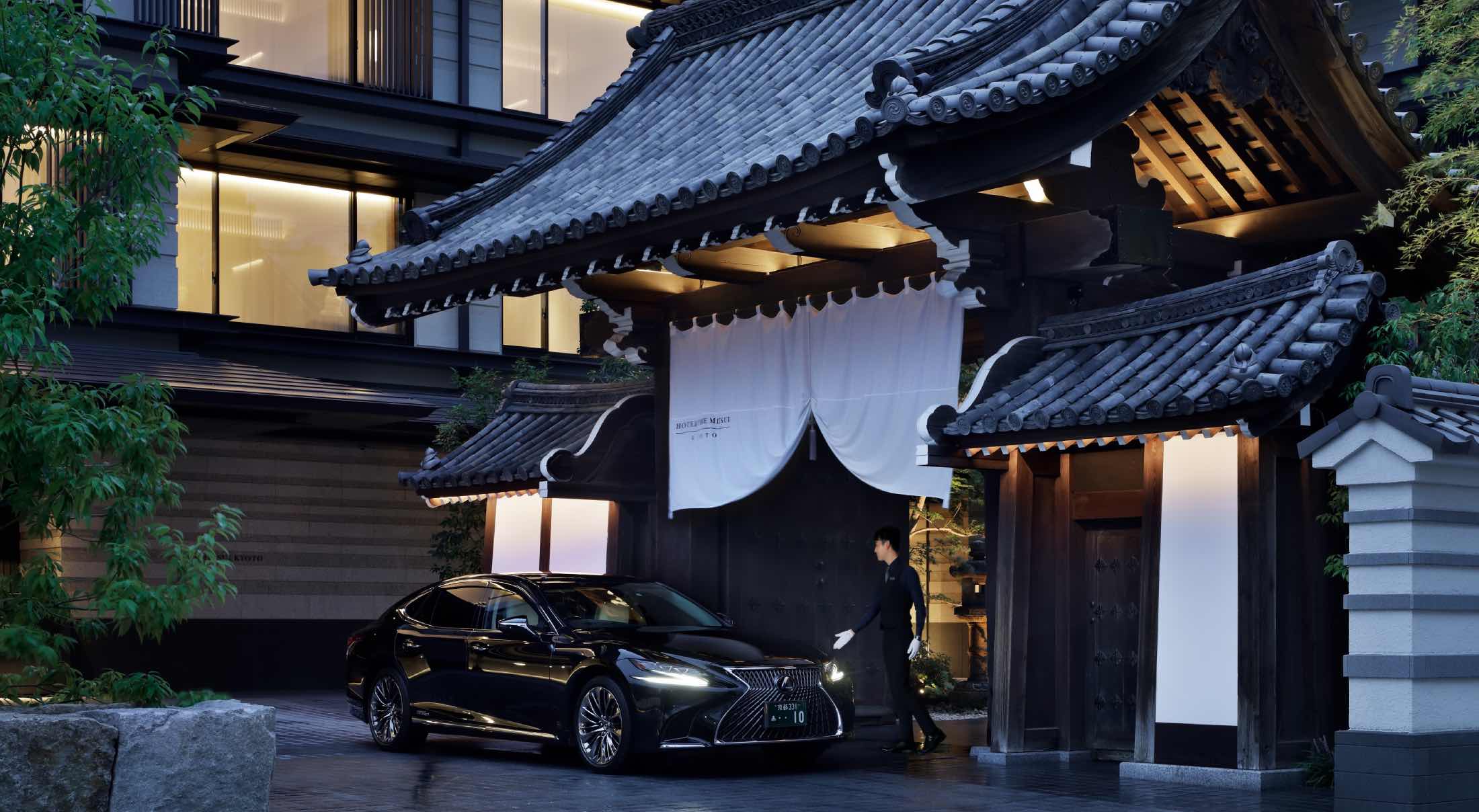
This sentiment is felt as soon as I arrive at Hotel The Mitsui Kyoto, a Luxury Collection Hotel & Spa. Before entering the lobby, I pass through the preserved Kajiimiya Gate, which was built in 1703 and later relocated to the Mitsui family residence. The historical artefact isn’t just for show. The hotel, after all, sits on the site that once housed the Mitsui family’s estate for over 250 years.
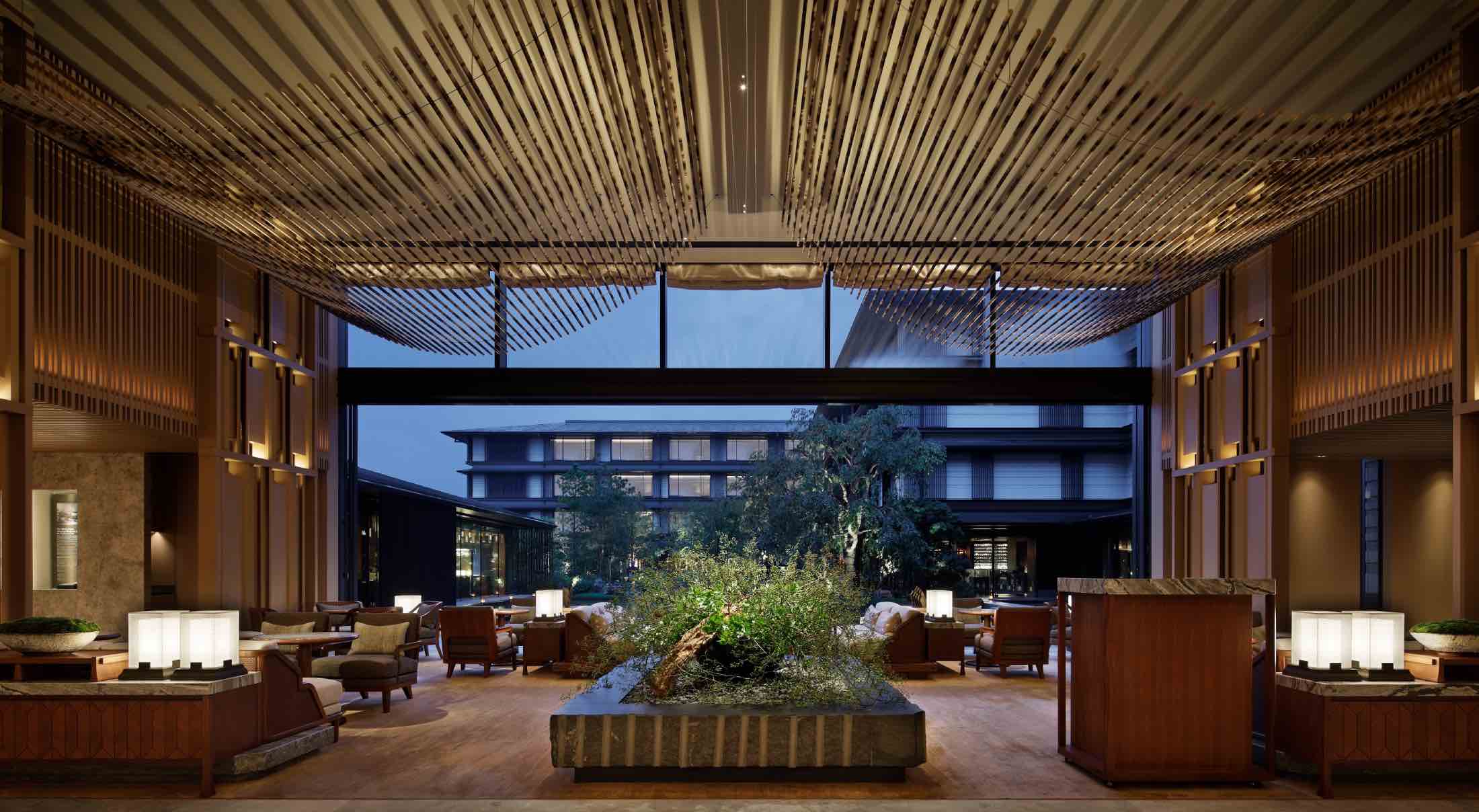
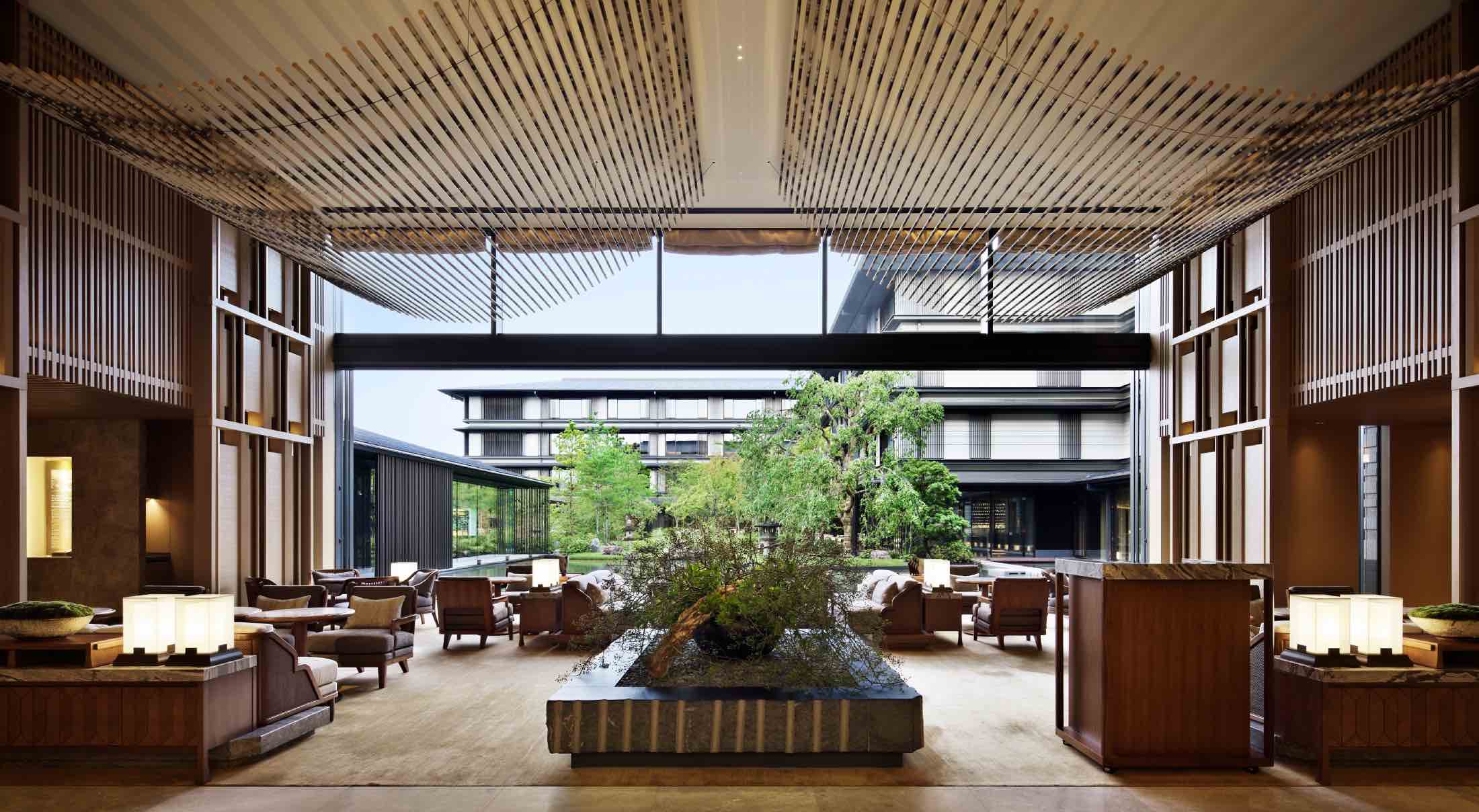
The property makes an immediate impression upon entry. The lobby opens into a central courtyard garden, which is framed by expansive floor-to-ceiling windows that draw in natural light while offering uninterrupted views of the greenery beyond. It is a welcome that feels both gentle and familial.
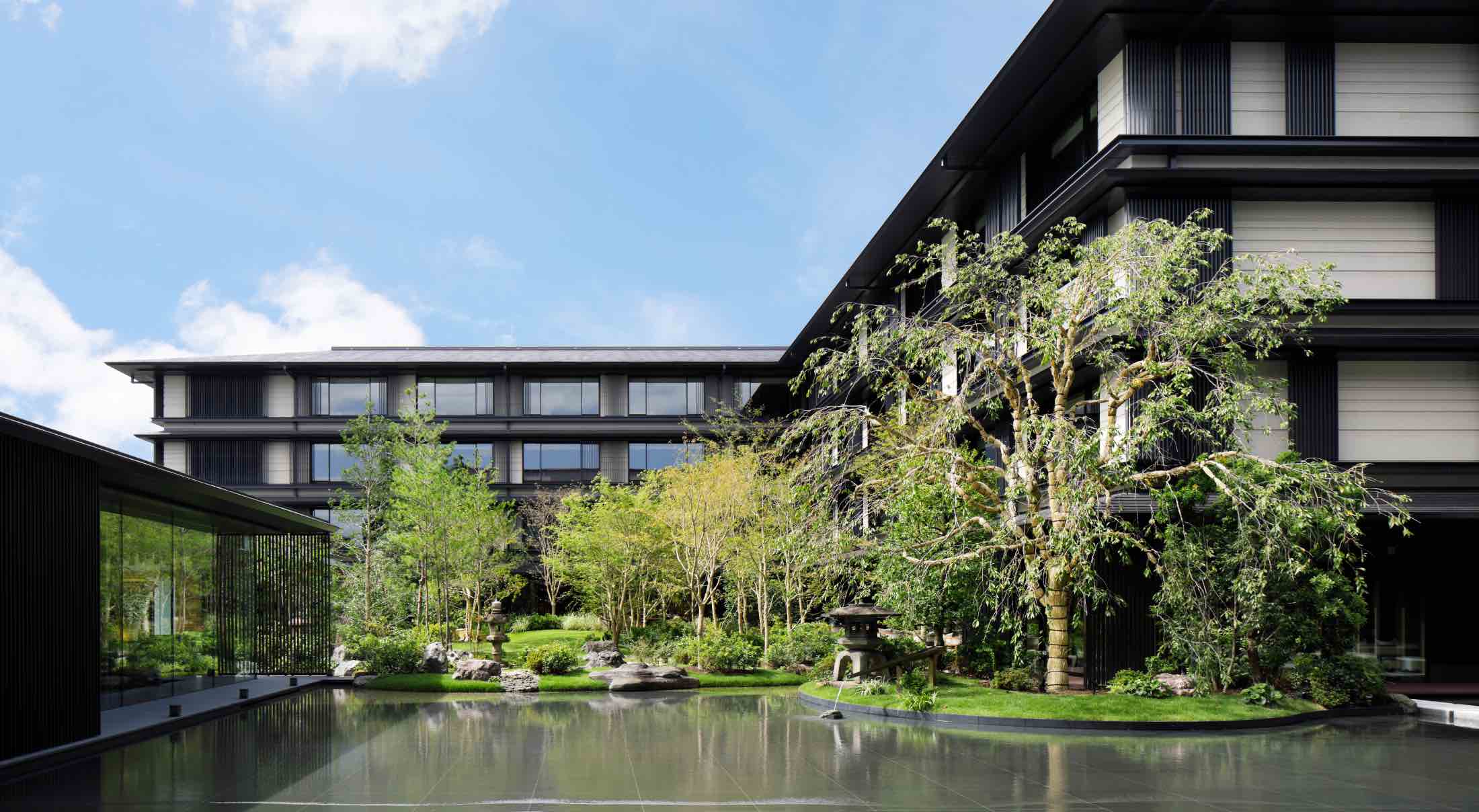
The garden, which is anchored by reflective pools and woven with pines and seasonal foliage, feels as though the property simply grew around it. Put together by Shunsaku Miyagi and enclosed on all sides by the hotel’s various buildings, it draws the different parts of the property into the space. More than that, the garden is a contemporary reinterpretation of the Mitsui family’s original strolling garden, forming an unbroken thread between past and present.
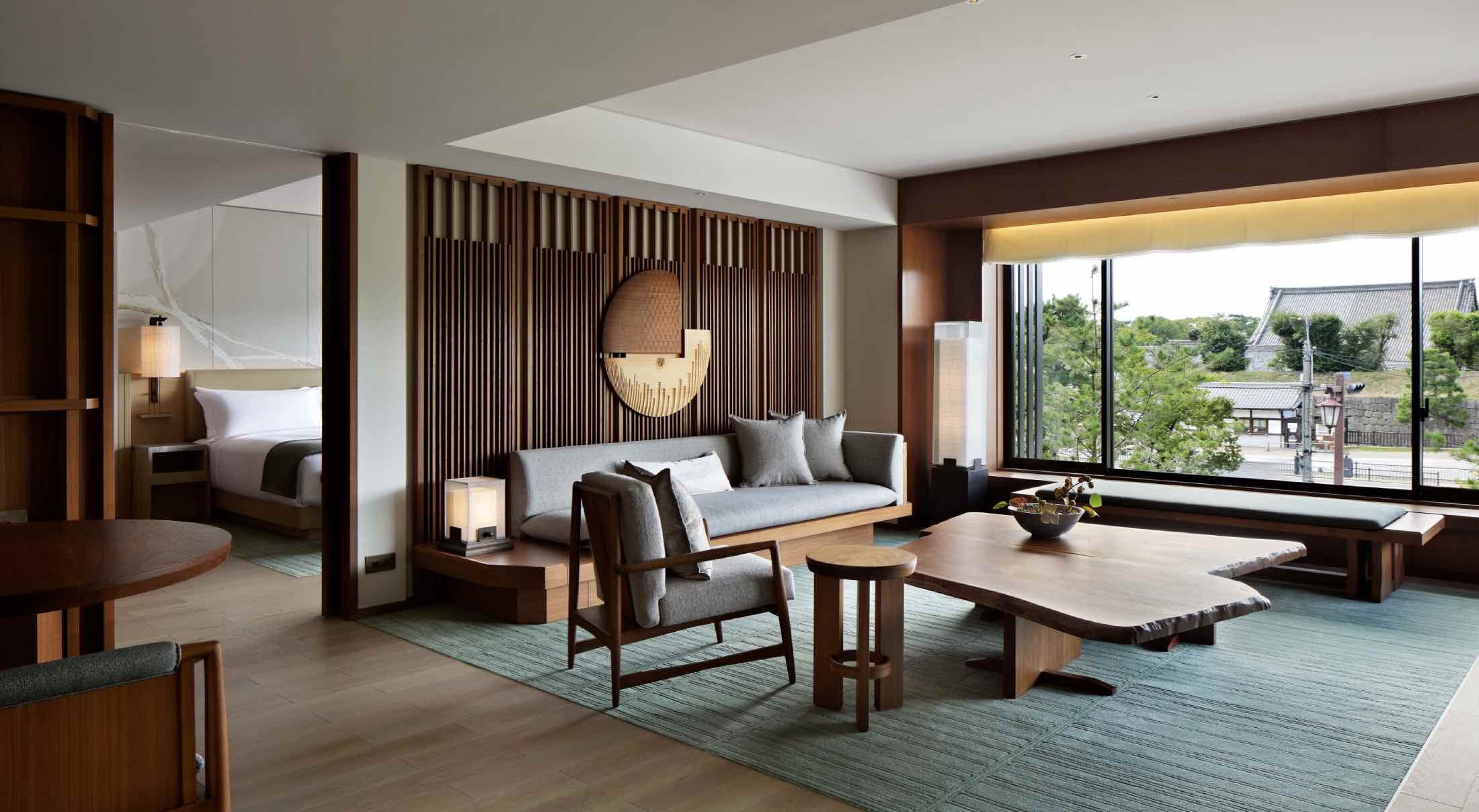
This sensibility carries through to the rooms. Just over 160 in number, each is conceived as a modern reimagining of the traditional Japanese tearoom. Furnished with natural materials like stone, wood, and handwoven textiles that showcase the country’s artisanal craft, the rooms come with views of the landscaped garden or the UNESCO World Heritage site Nijo-jo Castle across the street. This proximity between the contemporary and the cultural, as well as the distinct separation of areas within the rooms, allows for a stay that soothes me into repose.
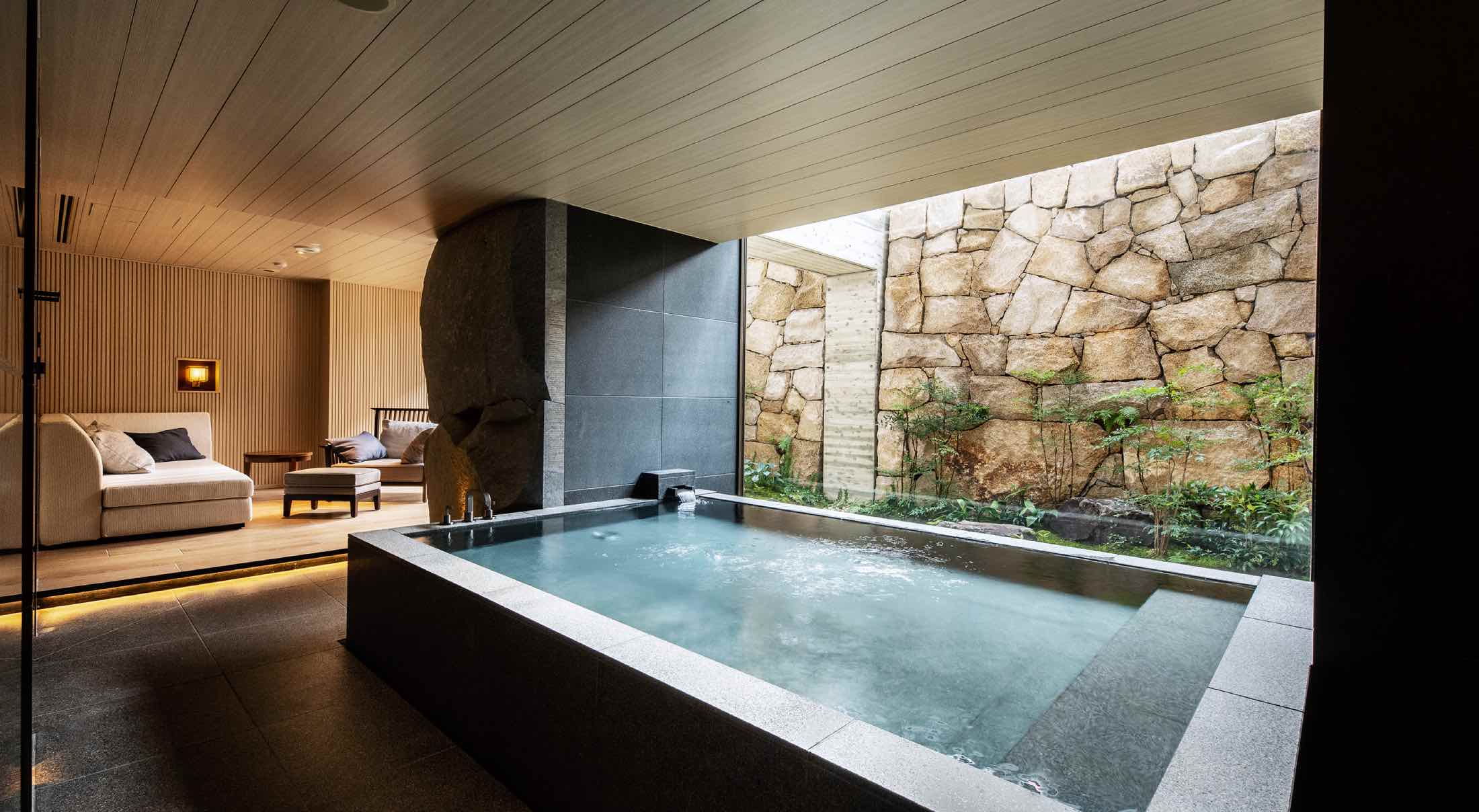
While I’m tempted to spend my days strolling through the garden, I find that it’s worth making time to experience the natural thermal spring facilities. With water sourced from a natural hot spring below the hotel, the property boasts a communal onsen pool for guests. Those who prefer privacy can book one of two private onsens.
Beyond the baths, the hotel offers experiences that draw from Kyoto’s cultural traditions. Traditional tea ceremonies, ikebana and kintsugi workshops, and seasonal programmes led by local artisans provide a gentle exploration of the region’s cultural practices. The hotel can also facilitate a private, after-hours tour of the historic Nijo-jo castle that includes areas that are typically not open to the public.
The property’s depth and heritage make for a slow-burning immersion. The staff, who know the city with the ease of long familiarity, deepen that sense further. The effect, then, is of a place that feels less like a hotel than a constant: as though everything here had existed long before my arrival and will continue to do so long after I leave.
Heartfelt Expressions
I jolt myself awake. Pulling away from the oh-so-comfortable bed, I look out the floor-to-ceiling windows of my room at Shisui, a Luxury Collection Hotel and take it all in. After hearing Hiroyuki Hatori, general manager of the hotel, speak so sincerely of his love for Nara the night before, it feels like the least I can do.
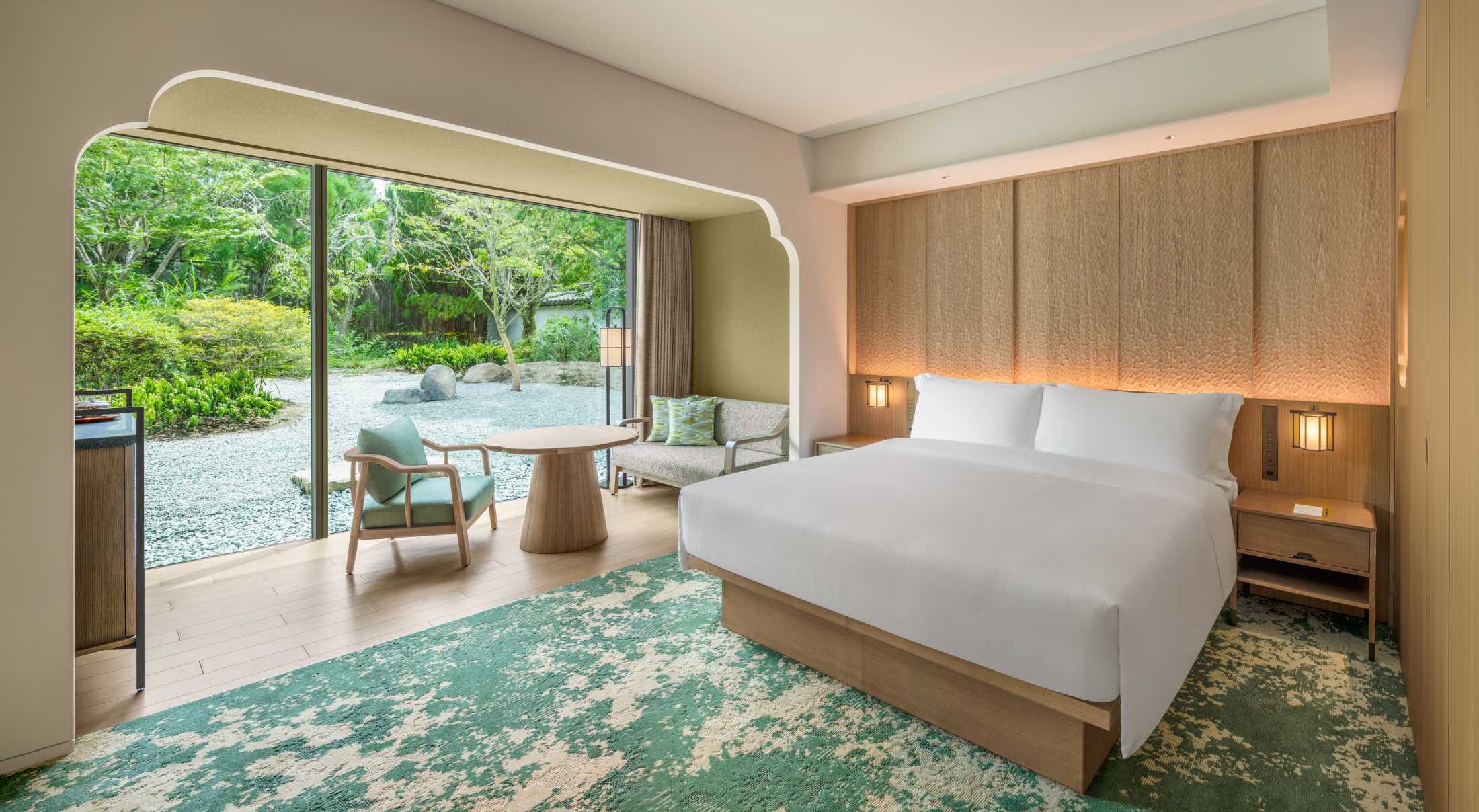
It doesn’t take long for my heart to stir as I take in the soft, pastel morning. This is the spell of Shisui’s 43 rooms and suites: they draw guests in slowly, with daylight, greenery, and views of the historic gardens. It is little wonder that Kengo Kuma, whose hand is behind the property’s design, is so revered.
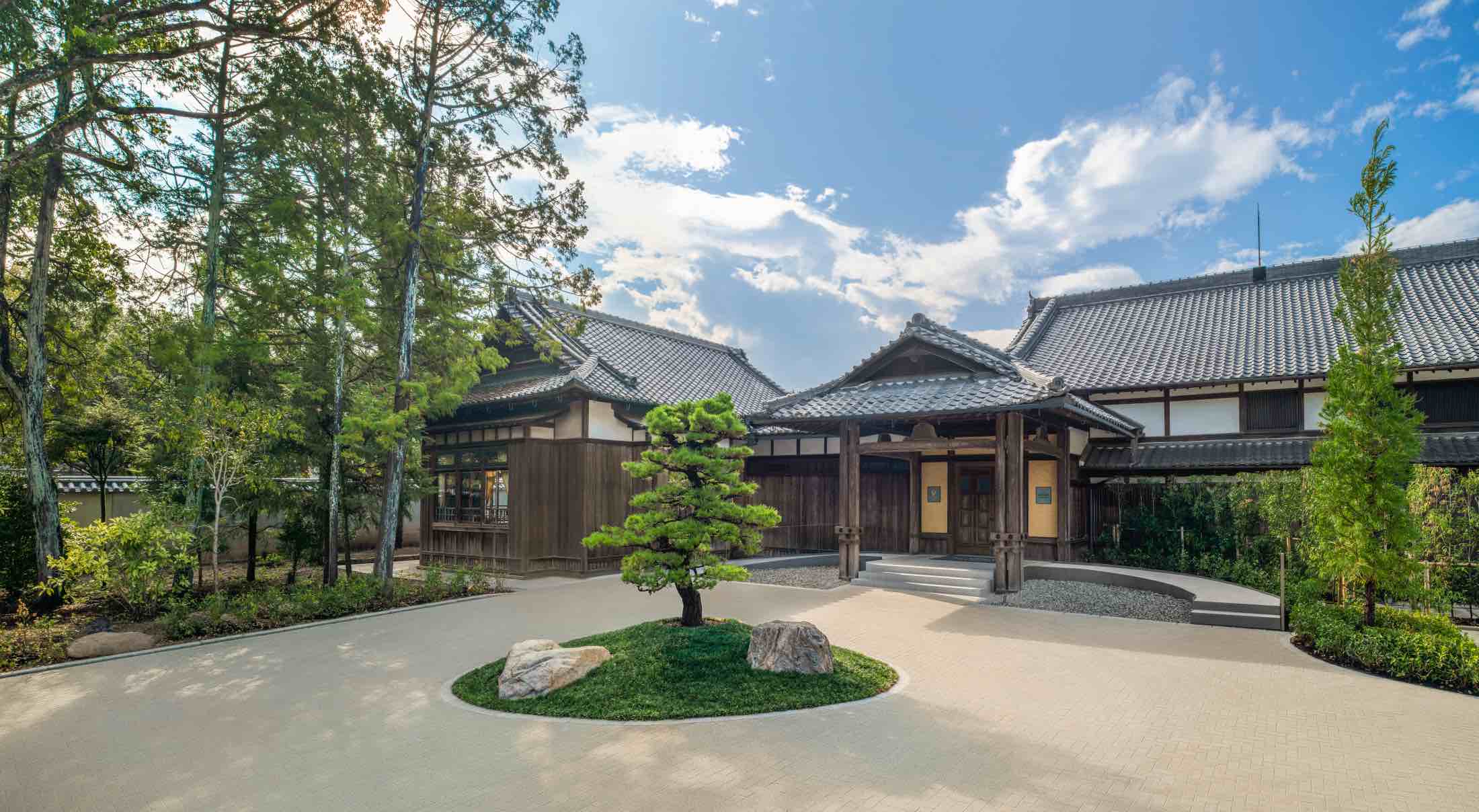
While much can be said about the design of the rooms—which range from around 40sqm to just under 100sqm—the true charm of Shisui lies in its main spaces. Upon arriving at the property, I am greeted by a historic gate, its weathered timber frame bearing a simple plaque that reads Official Residence of the Governor.
The reference is to the hotel’s main building, a Taishō-era structure built in 1922 that served as the Nara prefectural governor’s residence until 2017. It has been carefully preserved and reimagined to house the lobby and dining spaces.
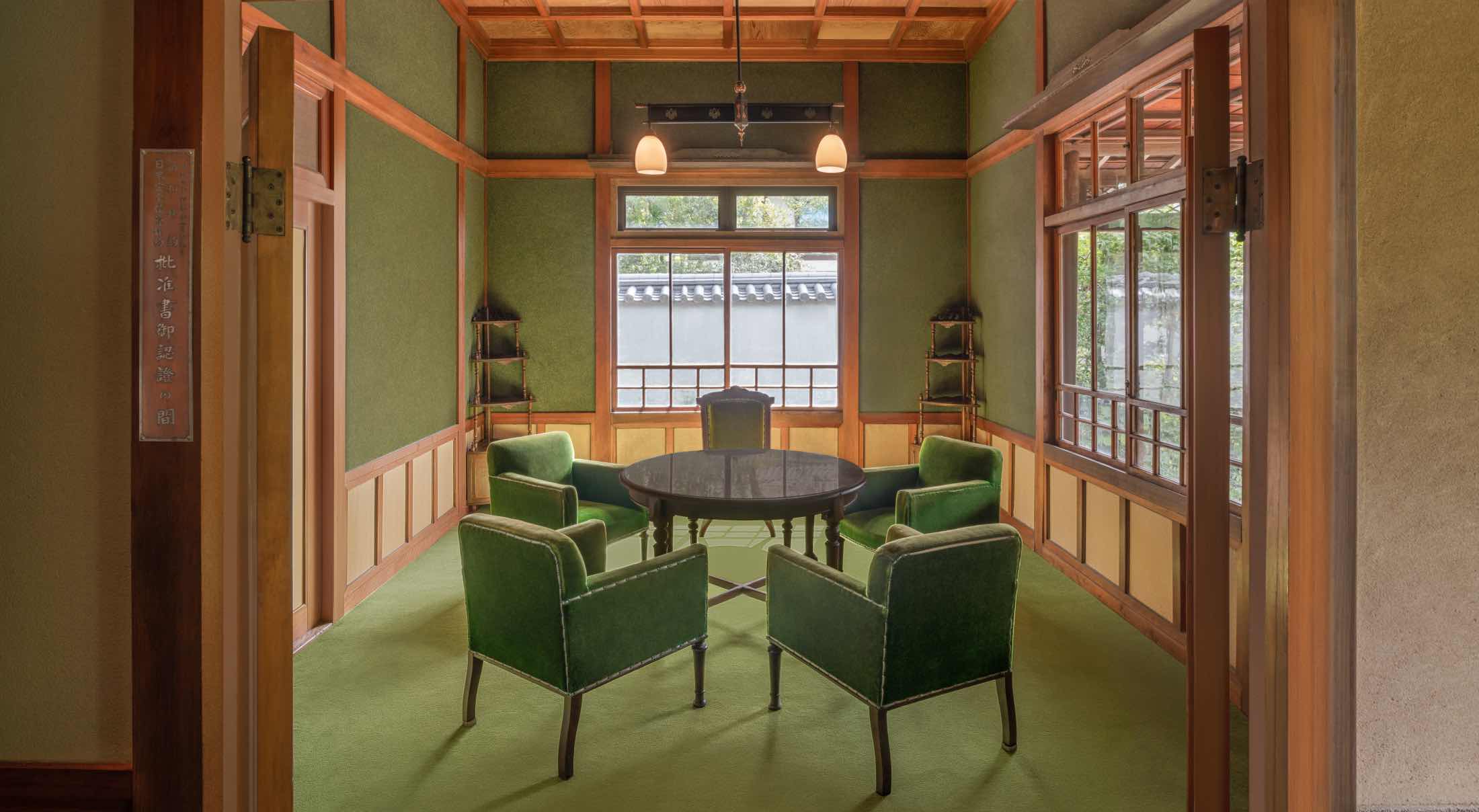
This reverence for heritage makes the property an experience that is worth moving through slowly. Archival photographs line the walls near the lobby, while low doorways and meandering hallways give the place the feeling of a lived-in home. One room, set just off the main areas, captures the feeling acutely: it was here that Emperor Shōwa ratified the San Francisco Peace Treaty in 1951, which is now meticulously preserved as part of the building’s history.
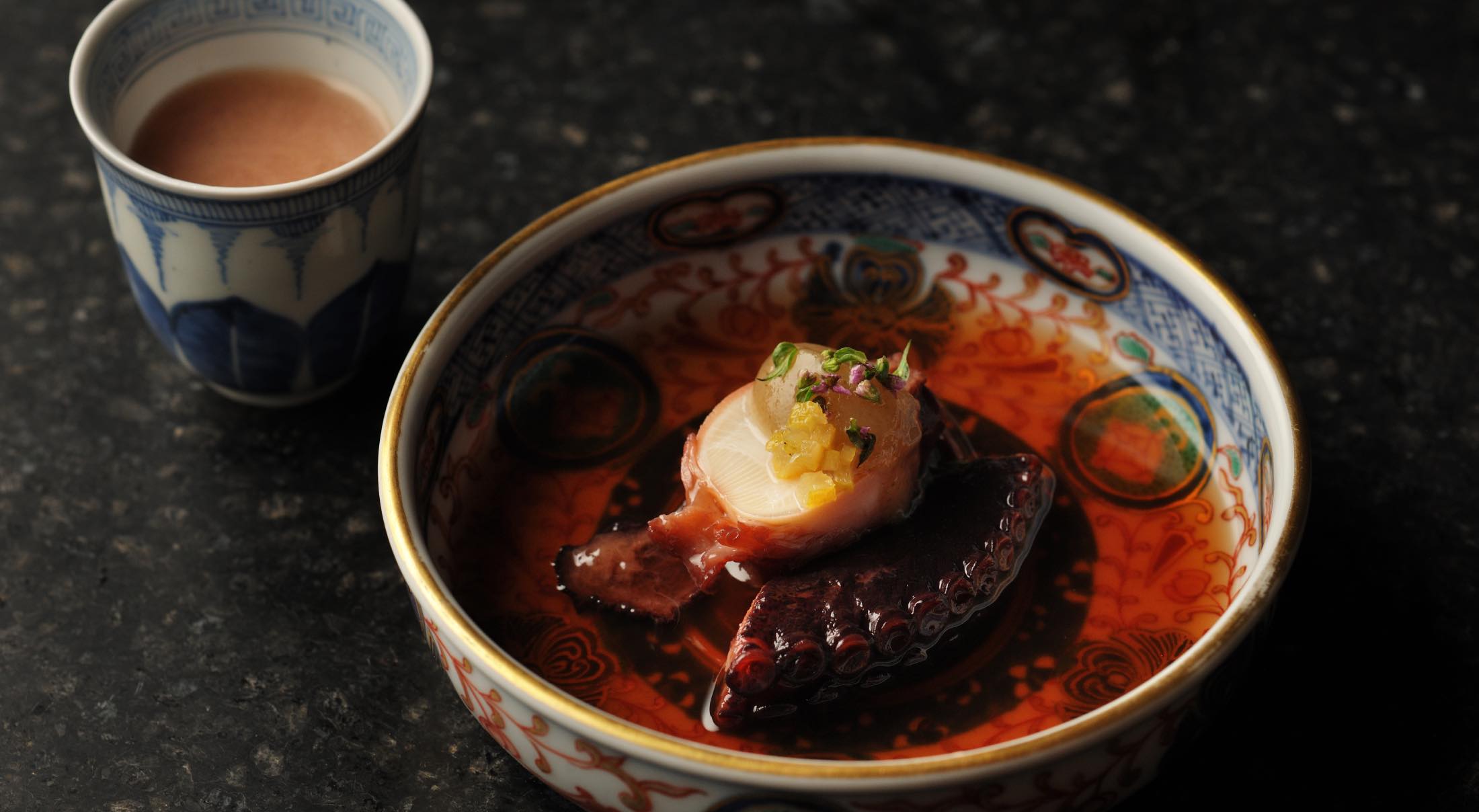
While the historical elements offer food for thought, the dining experiences at Shisui are nothing short of extraordinary. Suiyou offers a creative dinner menu of Japanese fare that traces the culinary culture of Nara. With dishes such as sea bream and Yamato beef, the experience feels grounded in the story of the region.
Shousou, the sushi restaurant and bar, is set within the refurbished warehouse of the old residence. The modern counter-style restaurant pairs fresh, seasonal dishes with a casual, effortless ambience. With an expert chef preparing dishes in front of diners using seasonal fish, octopus and other ingredients, dinner here is a distinctly Japanese experience that is difficult to match.
Unpretentious and substantial, the food culture in Nara feels like a fitting embodiment of the qualities that define both the city and Shisui. With its location along the western edge of Nara Park, the hotel places many of the city’s most significant landmarks within easy reach.
Better yet, the hotel’s staff is able to curate and organise a range of experiences, from private visits to long-standing craft ateliers—such as traditional ink makers with histories spanning centuries—to guided explorations of nearby temples and cultural sites.
No visit to Nara is complete without an encounter with the region’s famous deer. During winter and spring, the hotel will arrange for a local deer caller to accompany guests into the forest in the early morning. As he plays the French horn—Beethoven’s Symphony No. 6, to be precise—herds of deer begin to gather.
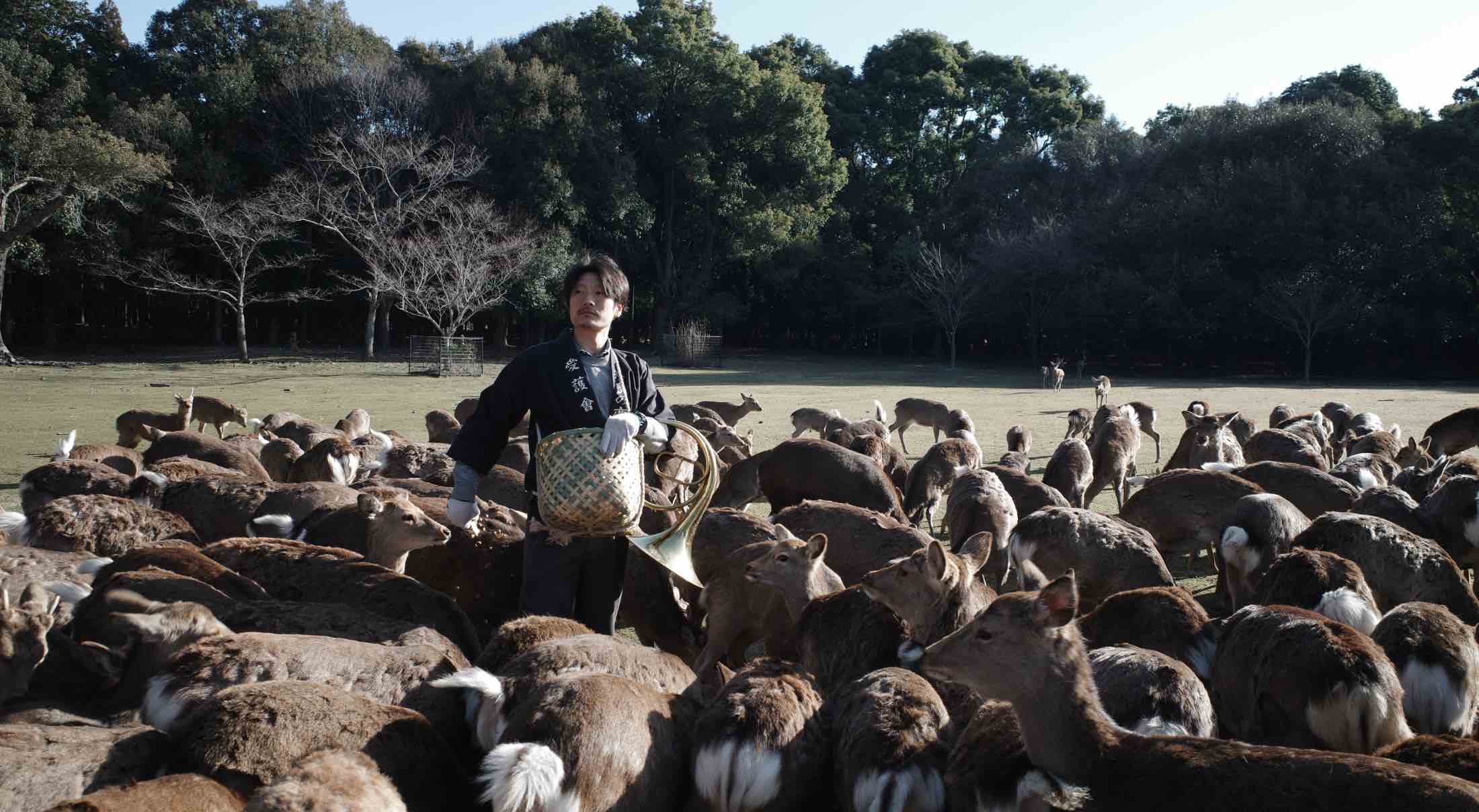
With the melody carrying through the trees and the anticipatory gaze of the deer, it is difficult not to feel a swell of affection. Nara may be known for its doe-eyed deer, but with Shisui hotel shaping the experience, it is often the visitors who leave thoroughly enamoured.
This story first appeared in the June 2026 issue. Purchase it as a print or digital copy, or consider subscribing to us here