
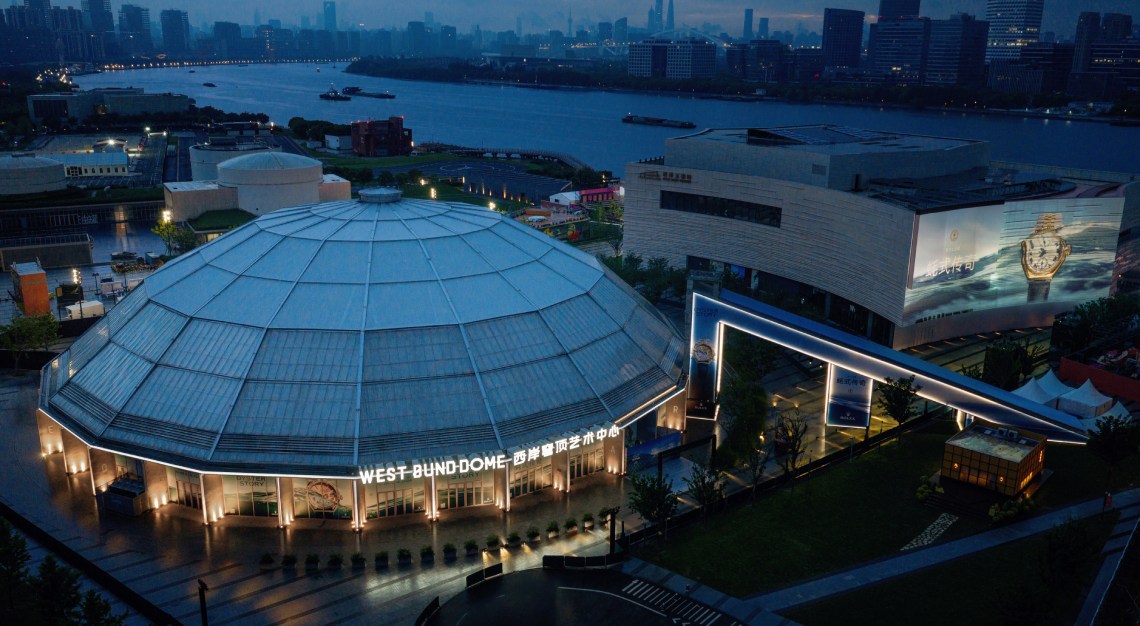
Rolex staged one of its most ambitious exhibitions ever in Shanghai to commemorate 100 years of its most important watch
How do you tell a story that started 100 years ago in one exhibition? With the Oyster Story—a once-in-a-lifetime homage to the most consequential watch ever invented by Rolex—the 18-day exhibition staged at the West Bund Dome in Shanghai in June did an epic job of tracing the journey and continued evolution of the modern horological icon.
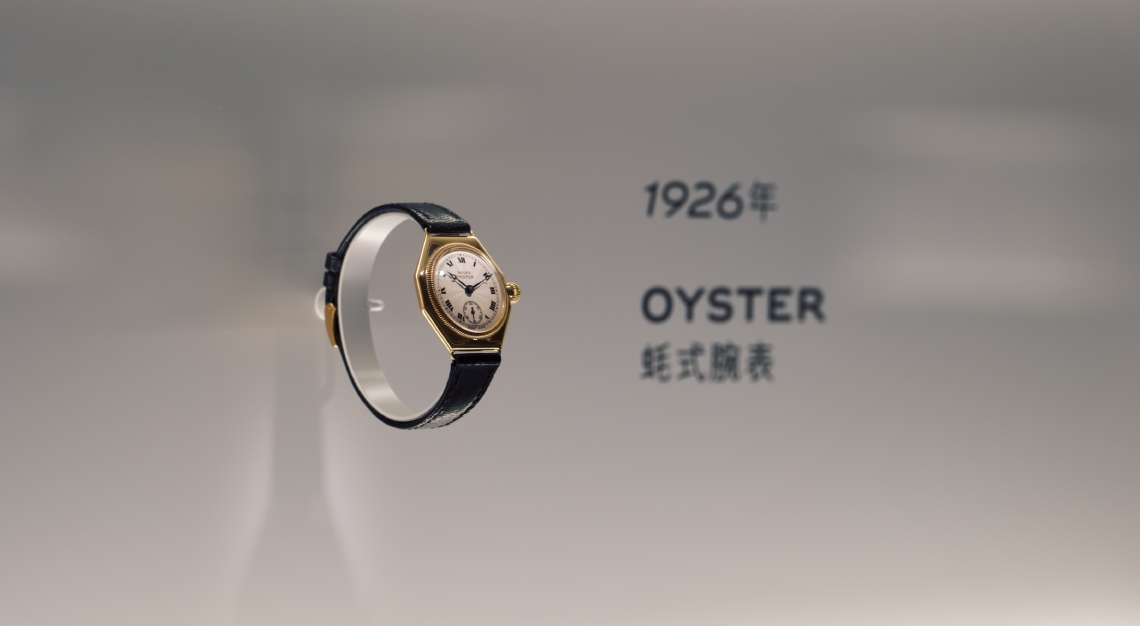
Few watches have achieved what the Oyster has done to an entire industry. When Rolex founder Hans Wilsdorf introduced the world’s first waterproof and dustproof wristwatch in 1926, he was not merely solving an engineering problem—he was redrawing the blueprint of the wristwatch.
The Oyster proved its case almost immediately. In 1927, it survived a 10-hour English Channel crossing on the wrist of swimmer Mercedes Gleitze without a trace of water ingress. From there, the watch went everywhere that human ambition took it: to the summit of Mount Everest in 1953, to breaking the sound barrier in 1947, to the depths of the Mariana Trench in 1960. With each of those milestones, the Oyster was an active participant, proving its mettle every single time as it set new standards of precision and robustness.

What began as a single, radical idea has since branched into the most recognisable family of watches in the world. The Submariner redefined the professional dive watch. The GMT-Master became synonymous with global aviation. The Cosmograph Daytona became the most coveted chronograph on earth. The Day-Date set the benchmark for prestige. The latest member of the Oyster family, the Land-Dweller released in 2025, is driven by cutting-edge mechanical prowess, featuring the revolutionary Dynapulse escapement that beats at a high frequency of 36,000 vibrations per hour.
Into the Dome
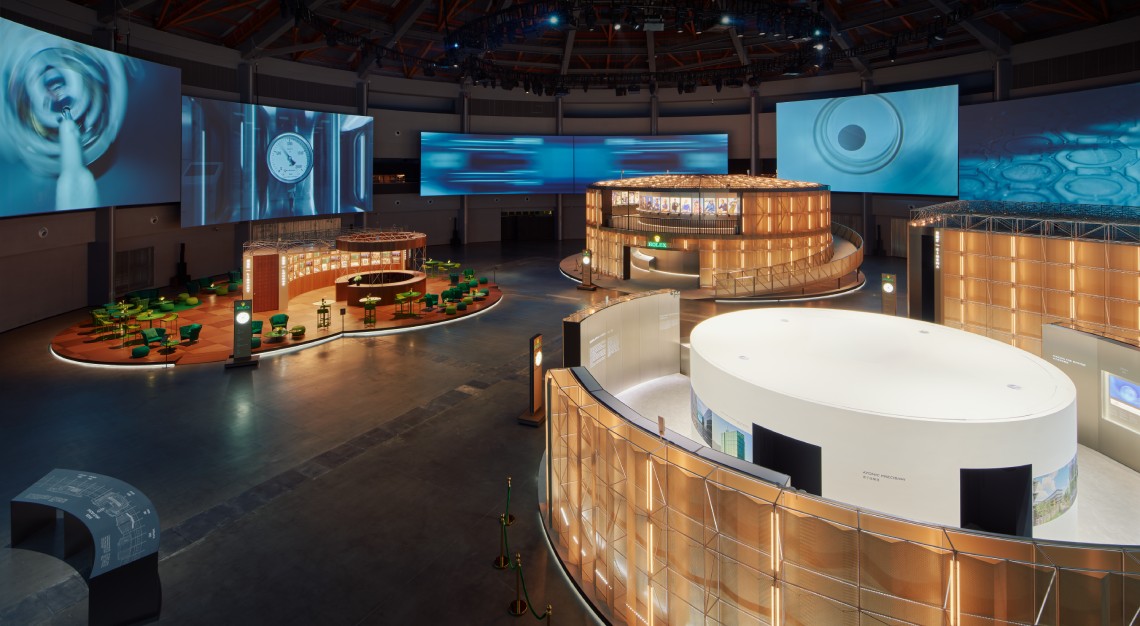
Distilling such an astounding legacy is no small task. For the Oyster Story, Rolex transformed the West Bund Dome, a former cement factory at the heart of Shanghai’s emerging arts and culture district, into a stage for expansive and immersive storytelling. The venue’s cavernous interior is exactly the kind of space that makes objects feel especially significant—and Rolex made sure there were many that guests would be gripped by.
One would have expected it, but nothing could quite prepare visitors for seeing the original 1926 Oyster in the metal. There is something arresting about standing before a watch whose presence that carries weight because of what it set in motion. The precious artefact was displayed, alongside many other watches, at the exhibition’s main pavilion.
Moving through the ground floor of the main pavilion, the Oyster’s history became palpable: early Submariners wearing the deep patination of time; original GMT-Masters whose red and blue bezels have mellowed into the particular warmth. Several of the historically significant timepieces on display were loaned from private collectors, which gave the exhibition a different quality, as they told the stories of lives beyond the objects.
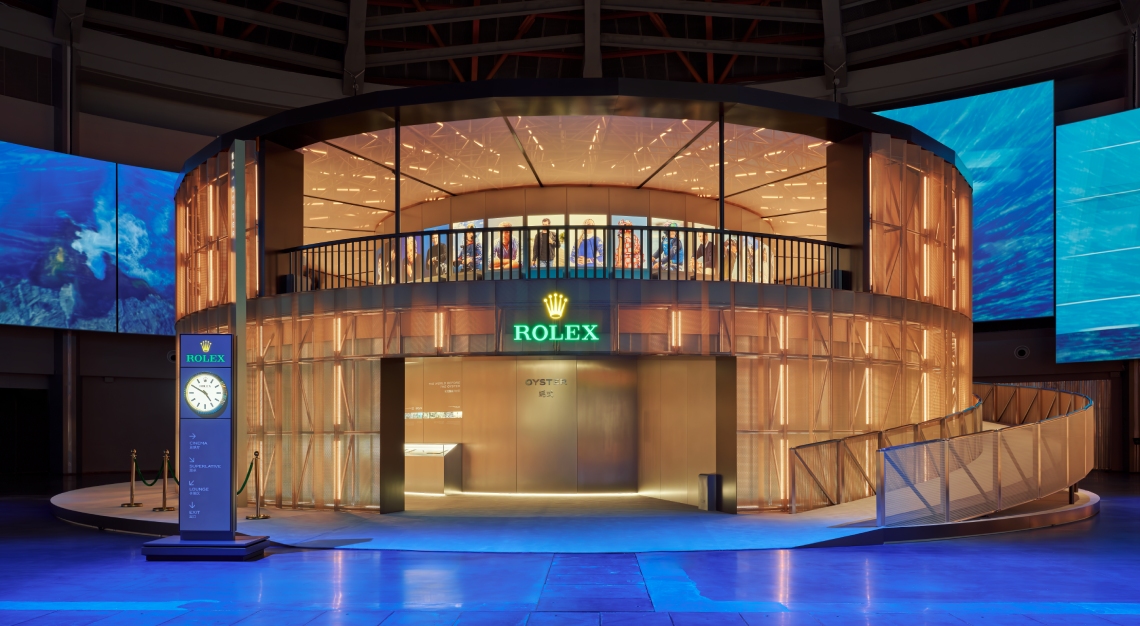
The pavilion’s second floor continued the narrative. Here, the focus turned to the human stories behind the watches: 100 portraits of iconic Rolex wearers, from three-time Formula 1 world champion Sir Jackie Stewart to tennis icon Roger Federer, displayed alongside heritage and contemporary timepieces. The diversity of that company, from polar scientists to professional musicians, demonstrated the breadth of the Oyster’s reach.
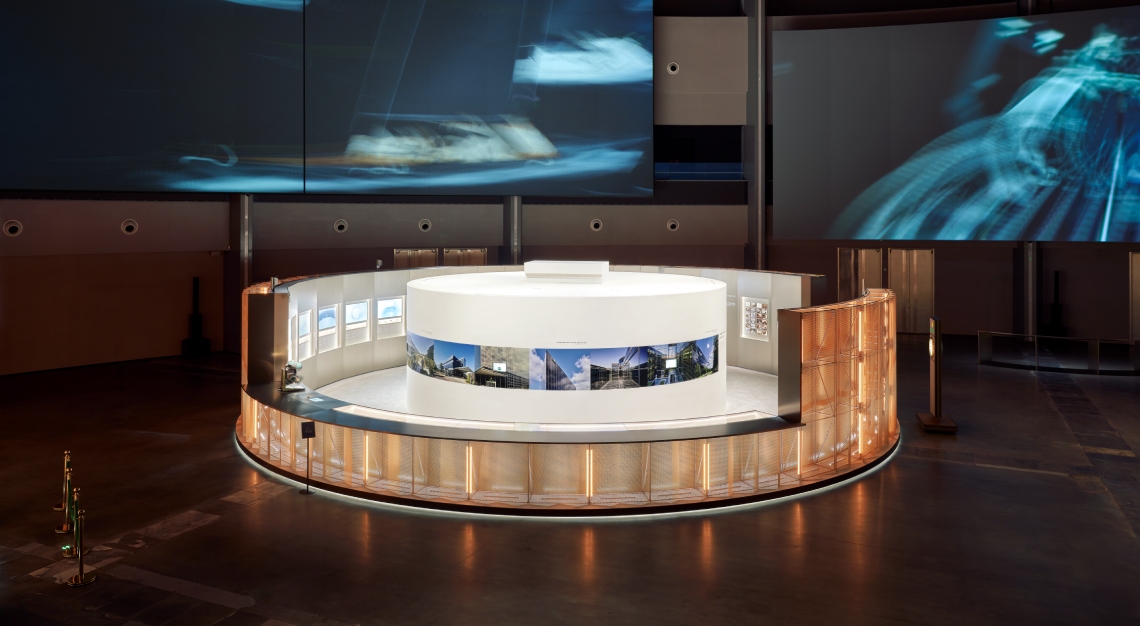
Elsewhere, at the ‘SUPERLATIVE’ pavilion, the focus shifted from history to craft and innovation. Cases, bezels, bracelets, dials, and movements were displayed in a sequence tracing every stage of Rolex’s manufacturing process. Anchoring it all was a remarkable technical centrepiece: the Rolex atomic clock, developed as a reference instrument using laser-stimulated rubidium atoms to define the second with exceptional accuracy.
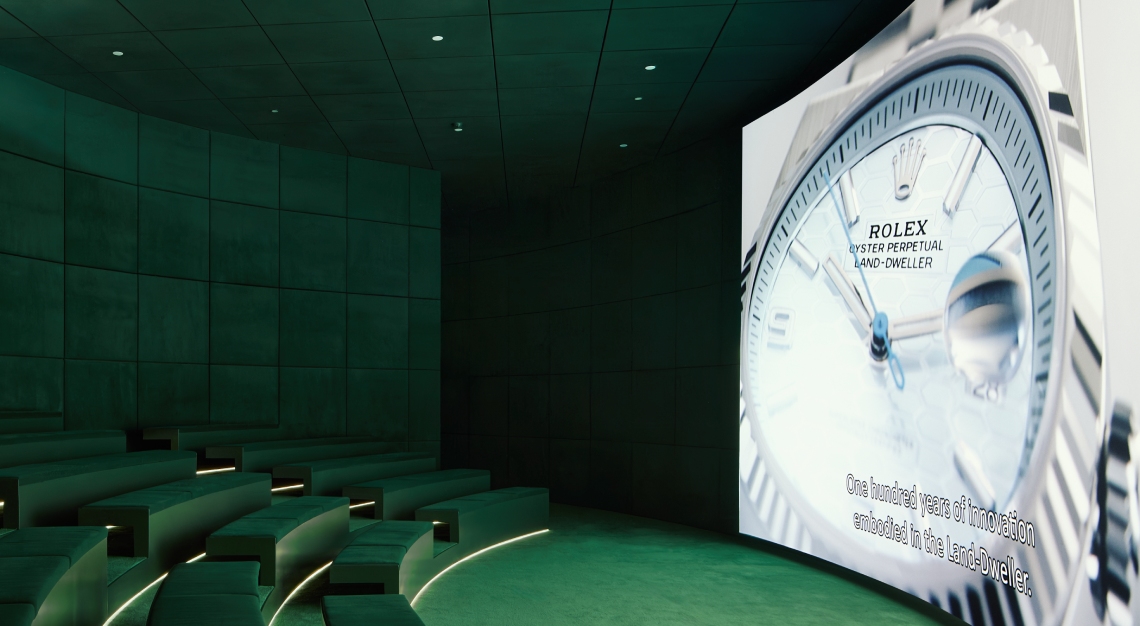
Two further spaces offered a different kind of engagement altogether. The Library Lounge—stocked with Rolex publications, archival materials, and references spanning a century of the brand’s history—invited visitors to slow down and take in the Oyster’s story at their own pace. There was also a dedicated cinema room, which screened Oyster Story, a 23-minute documentary tracing the watch and the remarkable individuals who wore it. Together, the lounge and cinema formed the quieter, more contemplative half of the richly sensory exhibition.
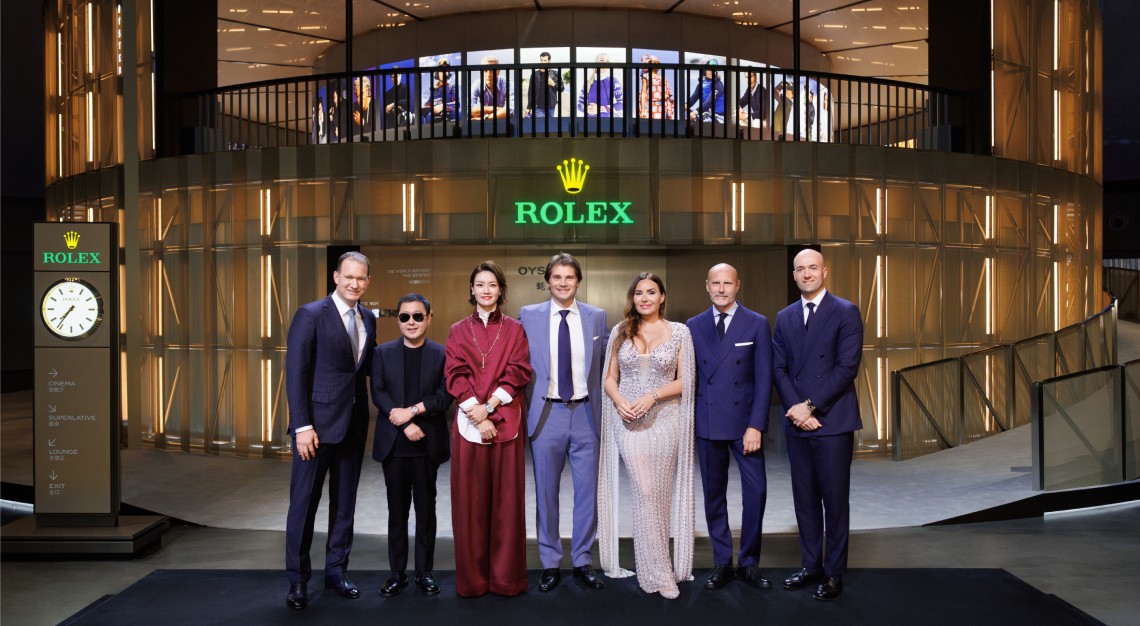
There are exhibitions that inform and educate, and there are those that make you feel something. The Oyster Story, which closed its Shanghai chapter on 28 June, will certainly stir something in its visitors. However, its reach is far from over. The exhibition is part of a broader programme of celebrations dedicated to the Oyster’s first century, with additional chapters of this centenary tribute still to come.