Tea is often treated as an accompaniment to a meal, poured alongside a course and quietly forgotten once the food arrives. At Ichigo Ichie, however, tea takes centre stage
Very often, a welcome drink at a dining establishment consists of a glass of bubbly or a sweet mocktail. That’s why it was a welcome relief to step out of the sweltering heat and be offered a glass of cool brewed Gui Fei Oolong tea from Taiwan. Made from Jin Xuan leaves shaped by a unique natural process involving green leafhoppers whose bites trigger the plant to produce compounds that give the tea its signature honeyed sweetness and fragrance.
That was only the beginning of a limited time tea pairing meal at Ichigo Ichie, a new seven course, tea focused menu: a seasonal experience that explores tea not only as a pairing, but also as an ingredient woven into each dish. It is the brainchild of chef Akane Eno, who considers tea more than a beverage. To Eno, it is about culture, memory, and craftsmanship distilled into a cup. It carries the stories of farmers, roasters, and tea masters; the influence of climate and geography; and centuries of accumulated knowledge.
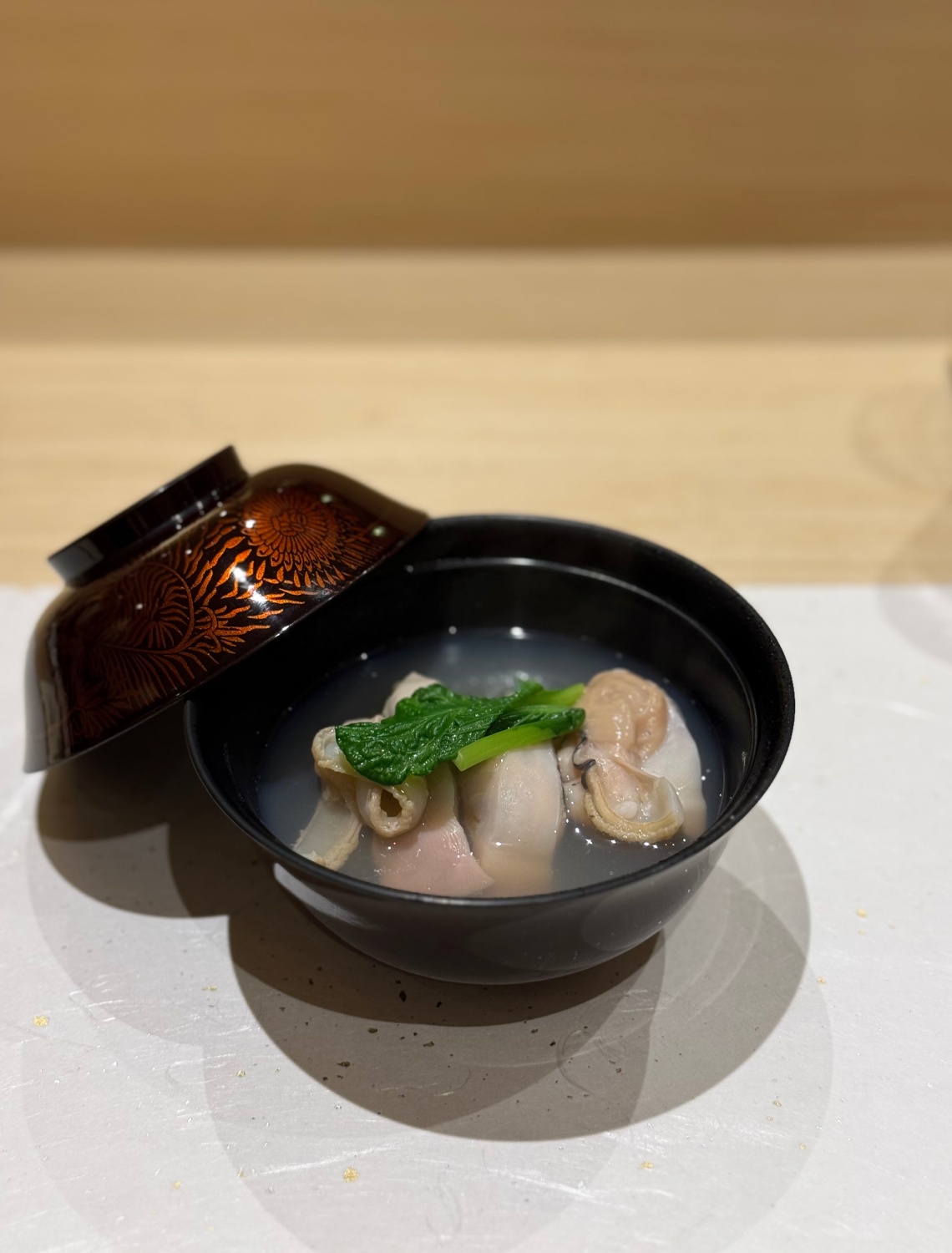
The concept feels entirely at home in the intimate kappo restaurant. Named after the Japanese philosophy ichigo ichie or “one time, one meeting”, the restaurant has always embraced mindfulness and the appreciation of fleeting moments. Here, tea is used to accompany a dish or infused to deepen flavour, create contrast, and introduce new layers of complexity. One good example is the Hamaguri, a bowl of goodness with dashi made from hamaguri (clams), combined with Pomelo Blossom Dan Cong oolong tea from Guangdong — an excellent tea that tempers the brininess of the clams.
Japan’s most coveted tea, Gyokuro, is treated with equal respect in the Japanese sea bass sashimi (suzuki), served with Gyokuro tea leaves and oil, okahijiki (seaweed), and sea salt. The umami of the tea comes through in the hands of Eno, who gently coaxes the sea bass to tender perfection, and when you eat it with the broth, it takes the dish to a whole new level.
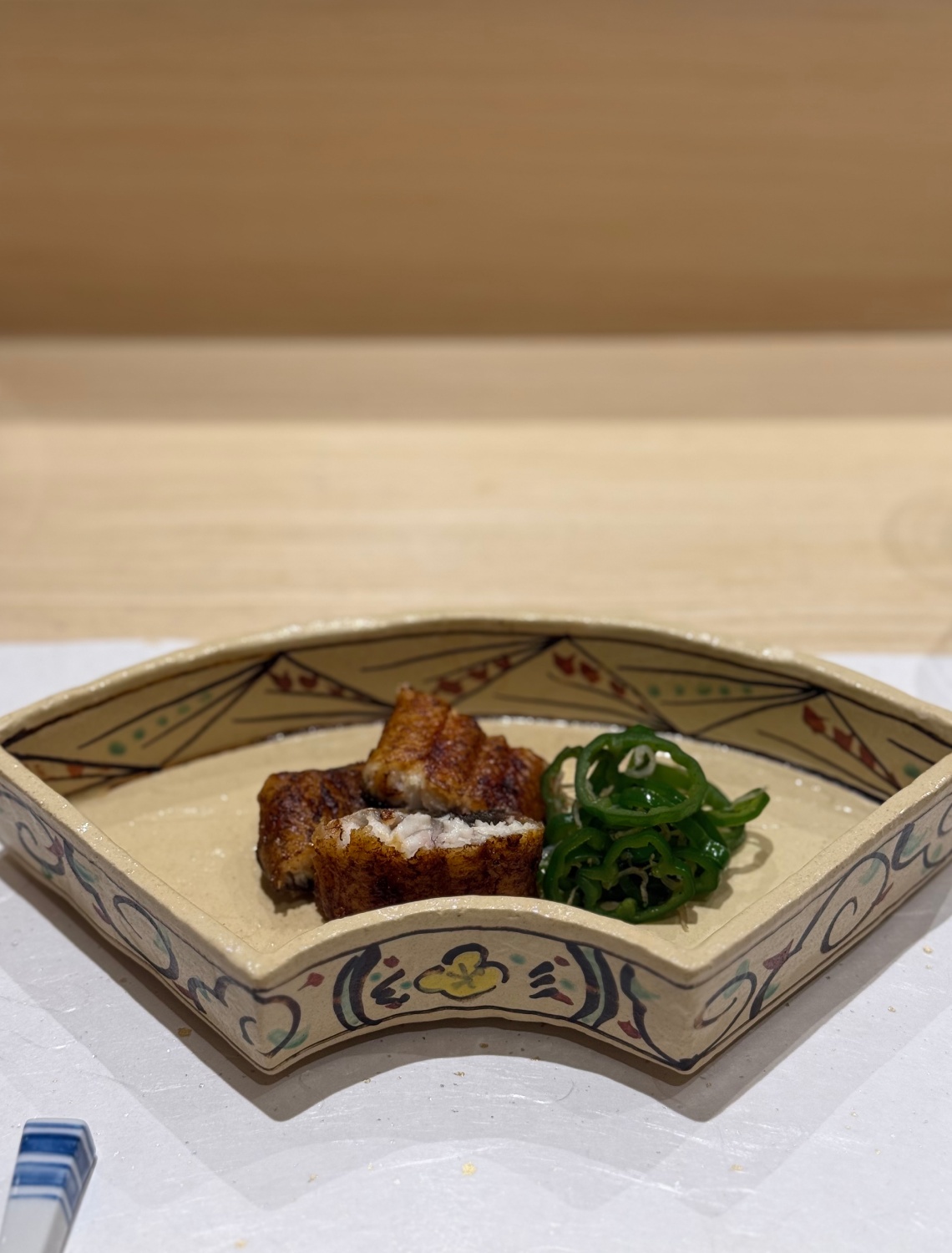
While you are feasting on the various courses, Eno is already on to the next: charcoal grilled unagi that carries the unmistakable fragrance of houjicha. The roasted tea lends a nutty, toasted aroma that lingers alongside the crispy eel’s richness, demonstrating how tea can function much like a spice, shaping flavour while remaining intriguingly elusive.
Perhaps the most compelling dish arrives in the restaurant’s signature donabe. Koshihikari rice is cooked with post fermented Liubao tea leaves from a 1998 vintage, allowing smoky, mineral notes to permeate every grain. Grilled abalone and burdock add further layers of umami, creating a dish that feels deeply comforting yet unexpectedly nuanced. It is a reminder that tea’s relationship with food extends far beyond the teacup.
What makes this menu memorable is not simply the quality of the teas or the precision of the cooking, but the way Eno invites diners to slow down. In an age of increasingly elaborate tasting menus, her tea focused journey feels almost meditative. Each infusion, each pairing, and each dish encourages closer attention to flavour, provenance, and craft.