
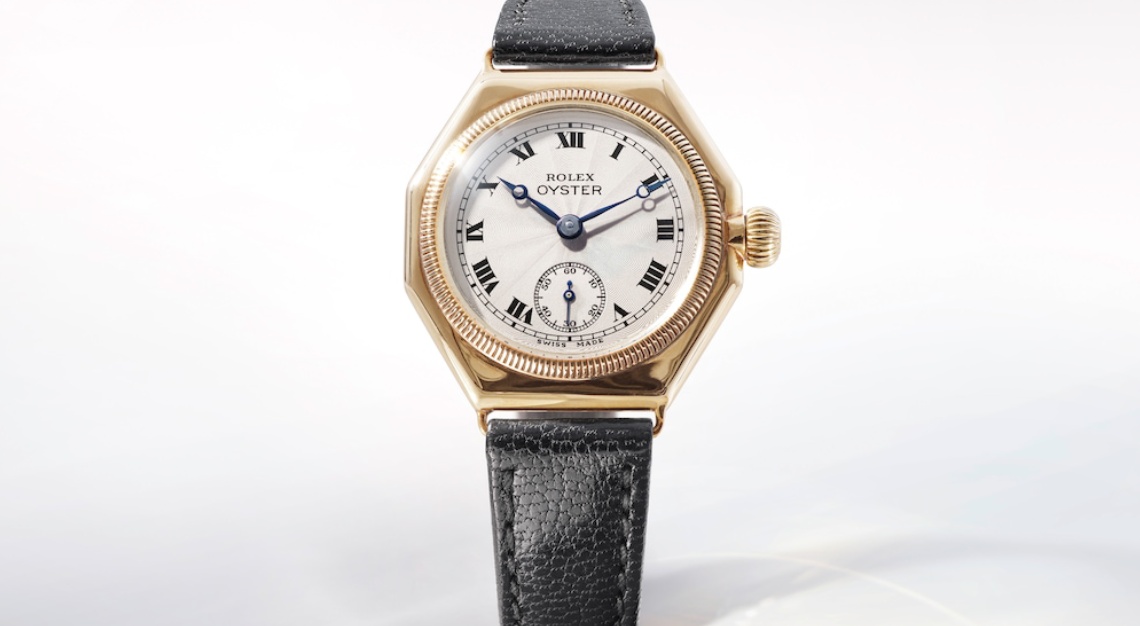
How the Rolex Oyster Perpetual began life as the world’s first waterproof wristwatch and evolved to become the most transformative watch collection of all time
Some inventions become so deeply woven into our existence that imagining life without them seems almost absurd. Consider how unthinkable the world feels without artificial intelligence today, or—for those of a certain vintage—how utterly foreign the pre-internet workplace now appears. These innovations arrived, changed everything, and we never looked back.
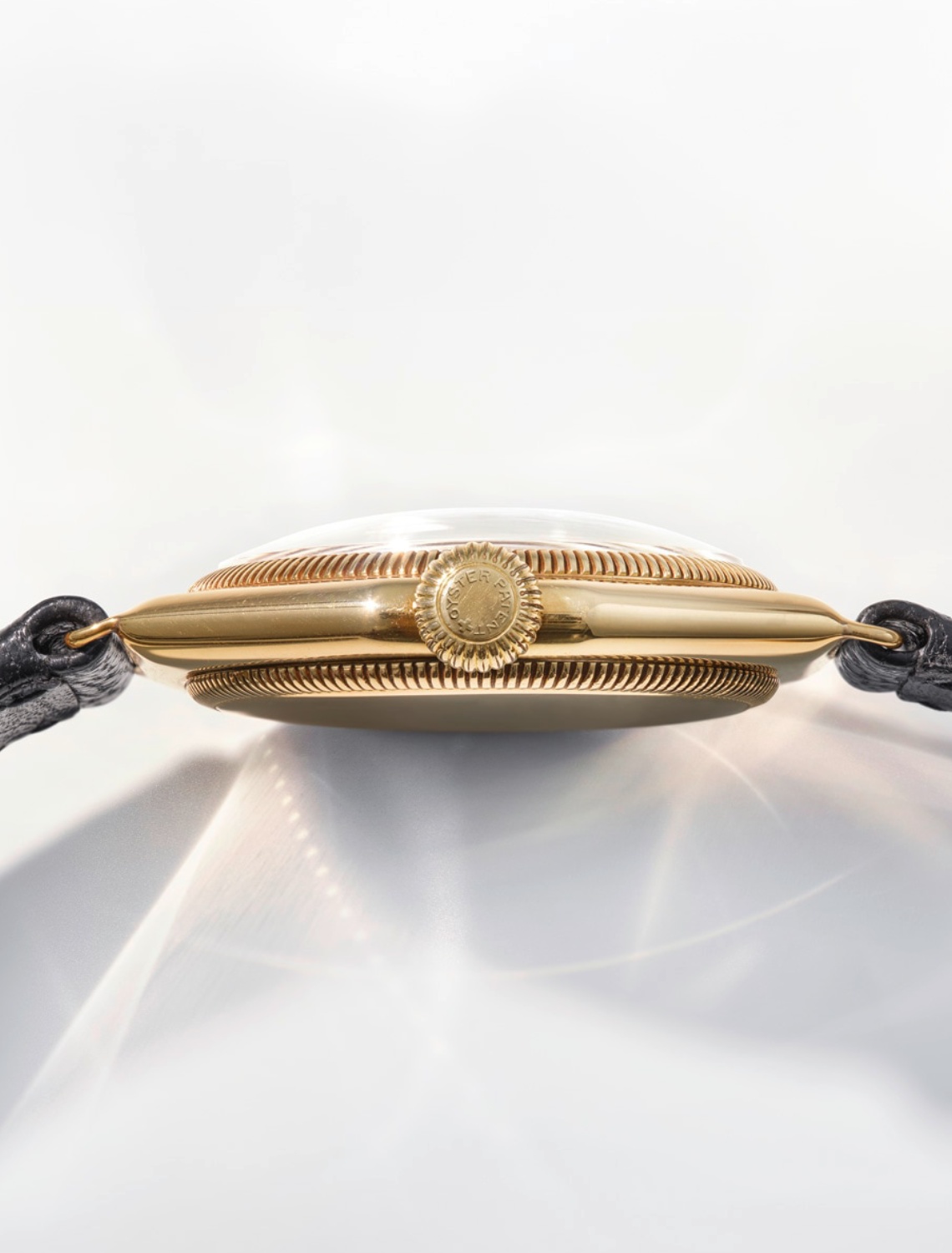
One hundred years ago, Rolex did something similar. The Oyster, launched in 1926 as the world’s first waterproof and dustproof wristwatch, did not merely improve on what came before, it redefined how a watch ought to look and perform. In doing so, the Oyster, too, changed how the world would use and appreciate watches forever.
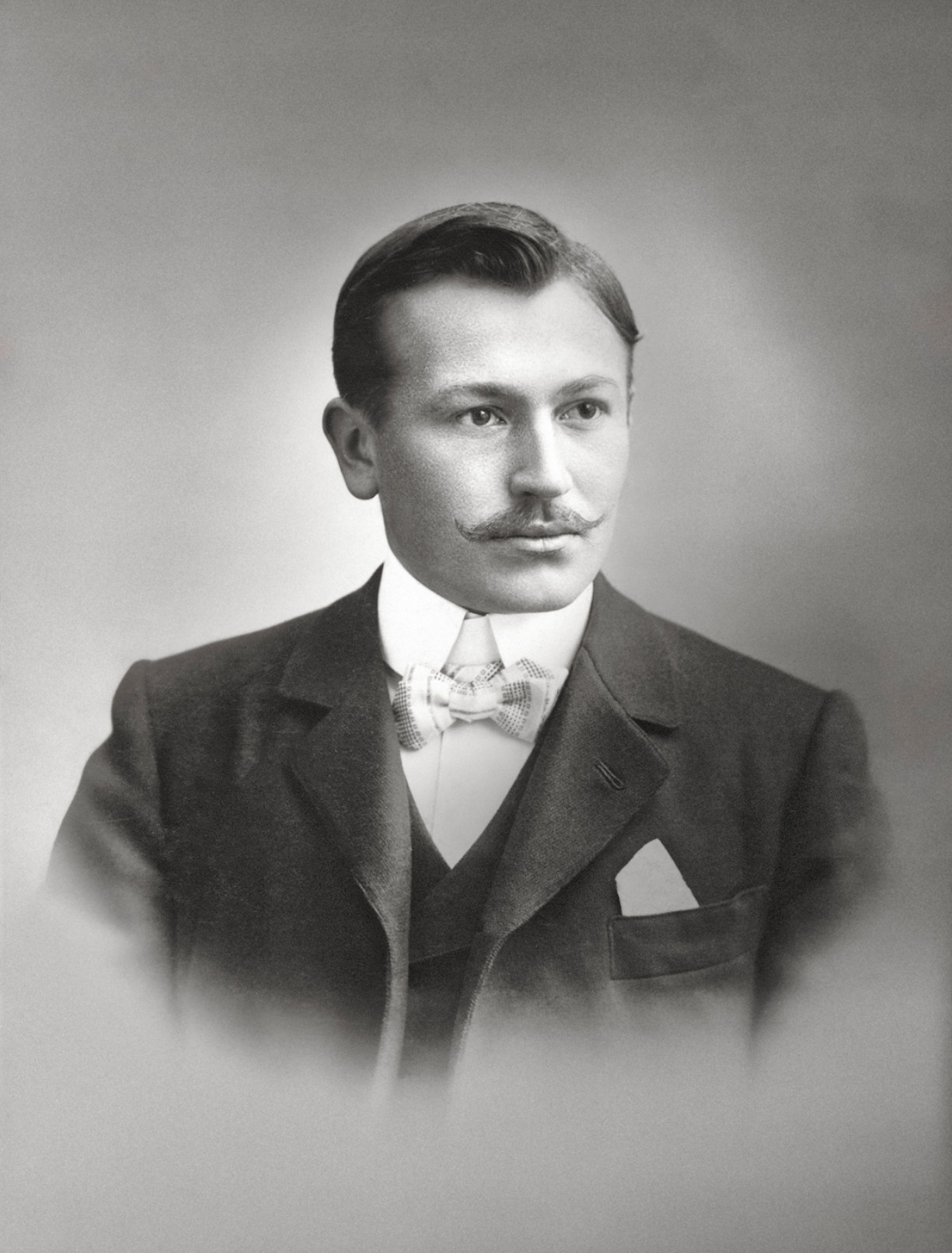
Change was exactly what Rolex founder Hans Wilsdorf pursued relentlessly. Although his ambitions were vast, they could always be traced back to a simple conviction that his company would make the best wristwatches in the world.
By his measure, the best wristwatch wasn’t merely about keeping time. It had to be exceptionally precise and uncompromisingly robust. Wilsdorf introduced the Oyster at a time when most people carried pocket watches, and regarded wristwatches as elegant but unreliable accessories.
Effecting a paradigm shift was a tall order, but it did not unnerve Wilsdorf. On the contrary, Rolex would rewrite the blueprint for modern watchmaking within a matter of years. After the Oyster established non-negotiable standards of waterproofness and chronometric precision, the company introduced a self-winding system—the Perpetual rotor—in 1931 to complete Wilsdorf’s vision. But even he, one suspects, could not have anticipated the remarkable heights that the Oyster would bring.
Redefining perfection
To demonstrate the Oyster’s waterproofness, Rolex strapped the watch on British swimmer Mercedes Gleitze’s wrist for her 10-hour crossing of the English Channel in 1927. The watch emerged unscathed. In the decades since, Rolex constantly field tested its creations, often in the most treacherous conditions. Wilsdorf called it ‘proof by trial’, supplying Oyster watches to a wide range of professionals spanning explorers, scientists, athletes, pilots, sailors, and divers.

Name a frontier breached and an Oyster was almost certainly there. It sat on the wrist of Sir Malcolm Campbell when he broke the land speed record in 1935, and on Chuck Yeager’s when he broke the sound barrier in 1947. It accompanied Sir Edmund Hillary to the summit of Mount Everest in 1953.
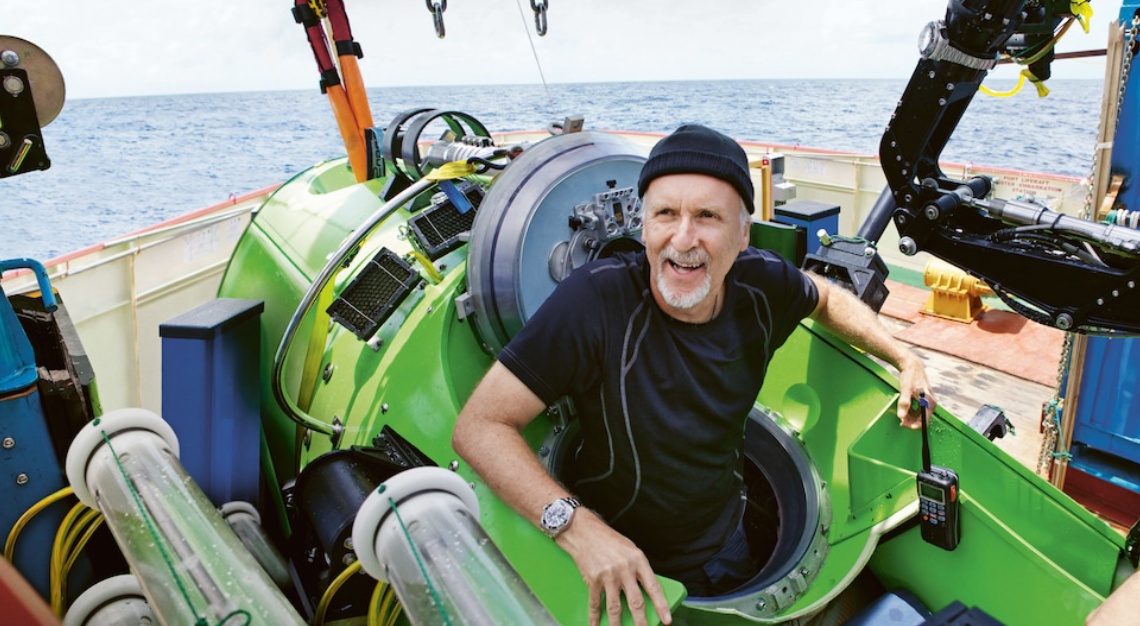
And in 2012, an experimental version was fixed to the exterior of filmmaker and explorer James Cameron’s one-person submersible as it descended 10,908m into the Mariana Trench. These were, of course, different Oysters developed over different times and for different purposes. From Wilsdorf’s single vision, the Oyster (or Oyster Perpetual, as the watches became known after the invention of the Perpetual self-winding system) has constantly evolved, expanded, and reaffirmed its place on the wrists of modern wearers. In doing so, it has grown into a full-fledged collection shaped by innovation, functionality, and performance.
The Oyster Perpetual family today spans a remarkable breadth of models. Yet, each can be traced back to the same founding impulse: a watch built to meet the world on its own terms. Some were born of prestige. The Day-Date, unveiled in 1956 as the first watch to display the day of the week spelt out in full, remains the benchmark for watchmaking distinction.
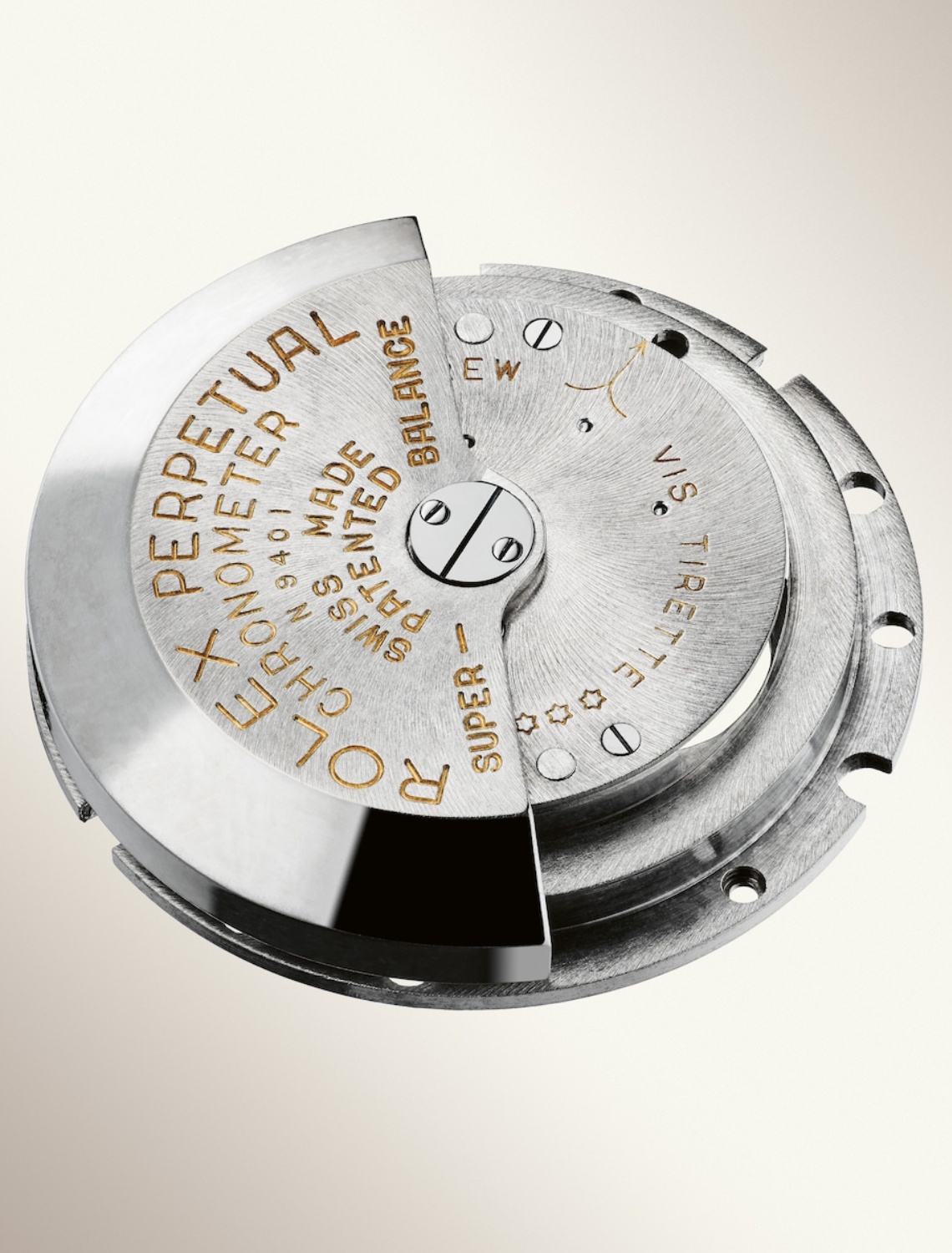
In 2025, the Land-Dweller arrived with a contemporary take on the integrated bracelet watches seen on the Rolex Quartz in 1969. Setting new aesthetic and performance benchmarks, the Land-Dweller is driven by the revolutionary calibre 7135 high-frequency movement, beating at 36,000 vibrations per hour and featuring the ground-breaking Dynapulse escapement, which optimises energy efficiency and timekeeping precision.
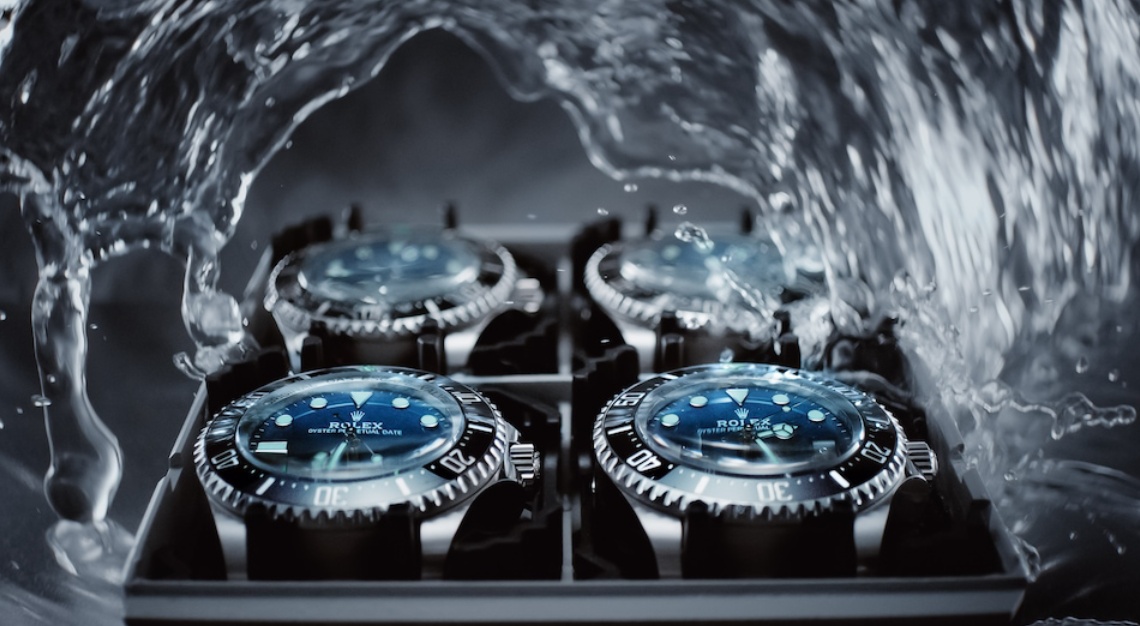
Others answered the call of the deep: the Submariner, introduced in 1953, redefined what a diver’s watch could be, a legacy carried further by the Sea-Dweller and the Rolex Deepsea, which pushed waterproofness to even more extreme depths. For those whose world stretches across time zones, the GMT-Master II allows travellers and pilots to read two different time zones simultaneously, a feature extended by the Sky-Dweller’s elegant combination of annual calendar and dual-time display.
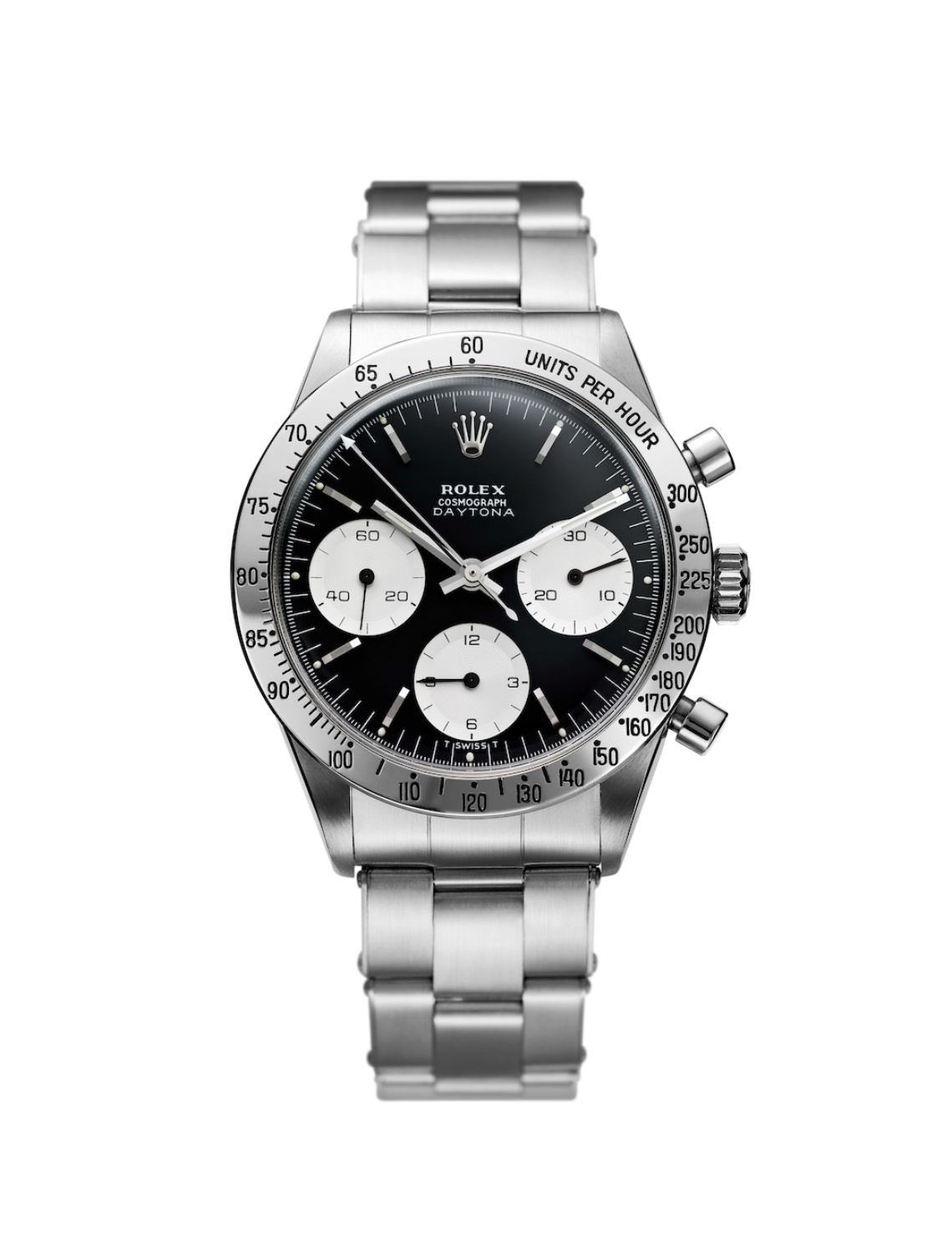
Adventure, too, has always run through the Oyster’s DNA. The motorsport-inspired Cosmograph Daytona, launched in 1963, is now the most coveted chronograph on Earth. The Explorer and Explorer II were purpose-built for mountaineers and polar scientists who needed a watch that was as robust and resolute as they were.
Staying the course
It would be disingenuous to think about the Oyster only in terms of the watches that followed the original. Behind every new creation, one sees a higher benchmark set, a new innovation unlocked, and yet another perspective on what fine watchmaking truly means.
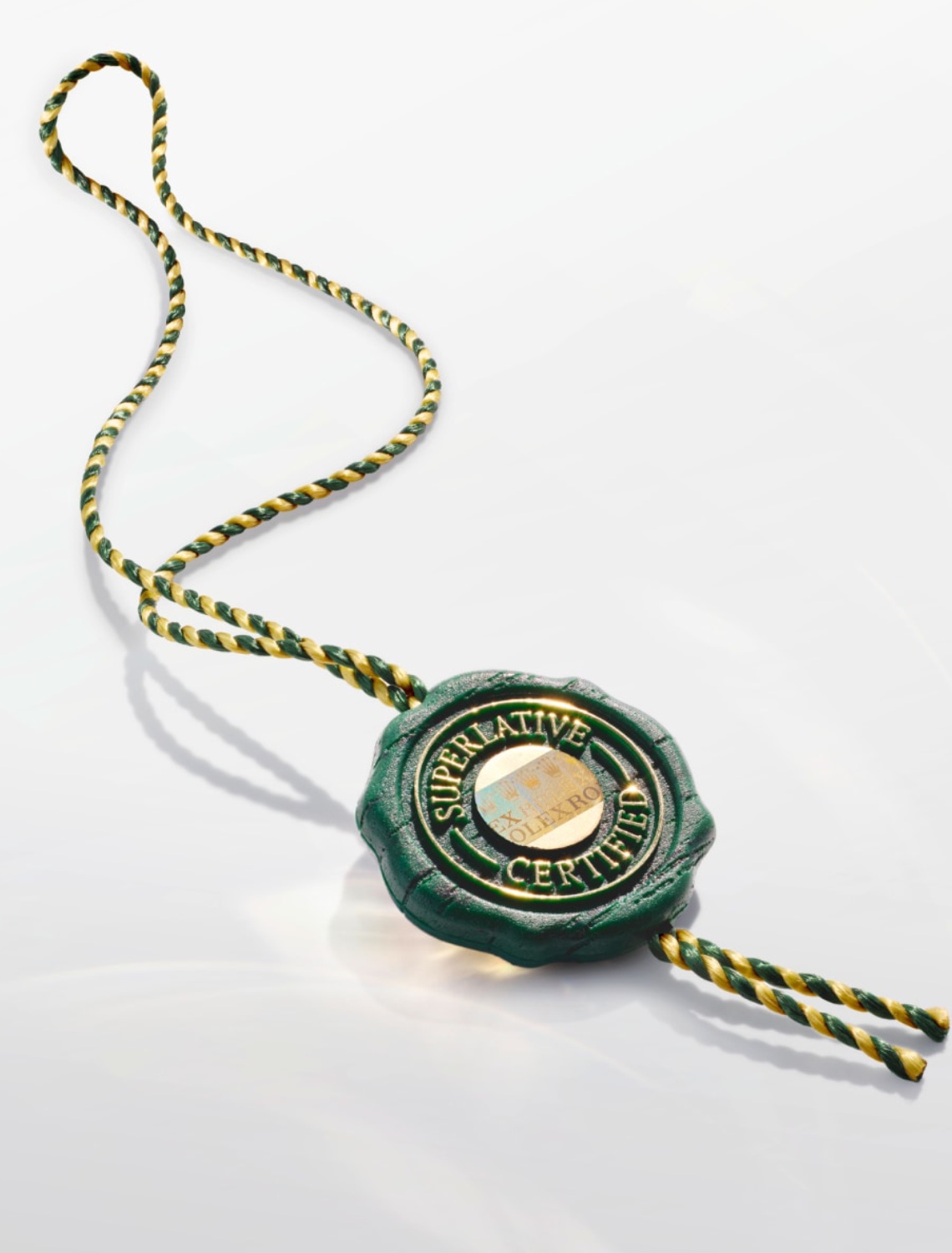
Those standards are now enshrined in the Superlative Chronometer certification—made more rigorous still in 2026 with three additional testing criteria: resistance to magnetism, reliability, and sustainability. The Perpetual self-winding system has since given rise to a lineage of movement innovations, among them the Syloxi hairspring, Paraflex shock absorbers, and the Dynapulse escapement, each elevating stability, shock-resistance, and timekeeping performance. Waterproofness, once a radical proposition, is today a baseline expectation.
It is guaranteed to at least 100m across every Oyster model, reinforced by the Twinlock and Triplock screw-down crown systems, and the helium escape valve that protects the watch during saturation dives.

Every milestone can be traced to Wilsdorf’s vision: to craft the finest wristwatch, distinguished by precision, waterproofness, and self-winding. That the hallmarks now taken for granted in fine watchmaking were once hard‐won Rolex innovations is, perhaps, the most powerful testament to the Oyster’s enduring legacy.
This story first appeared in the August 2026 issue. Purchase it as a print or digital copy, or consider subscribing to us here