An early morning classroom, a race circuit in Thailand, and the all-new BMW iX3. Against all odds, this was one lesson worth getting out of bed for
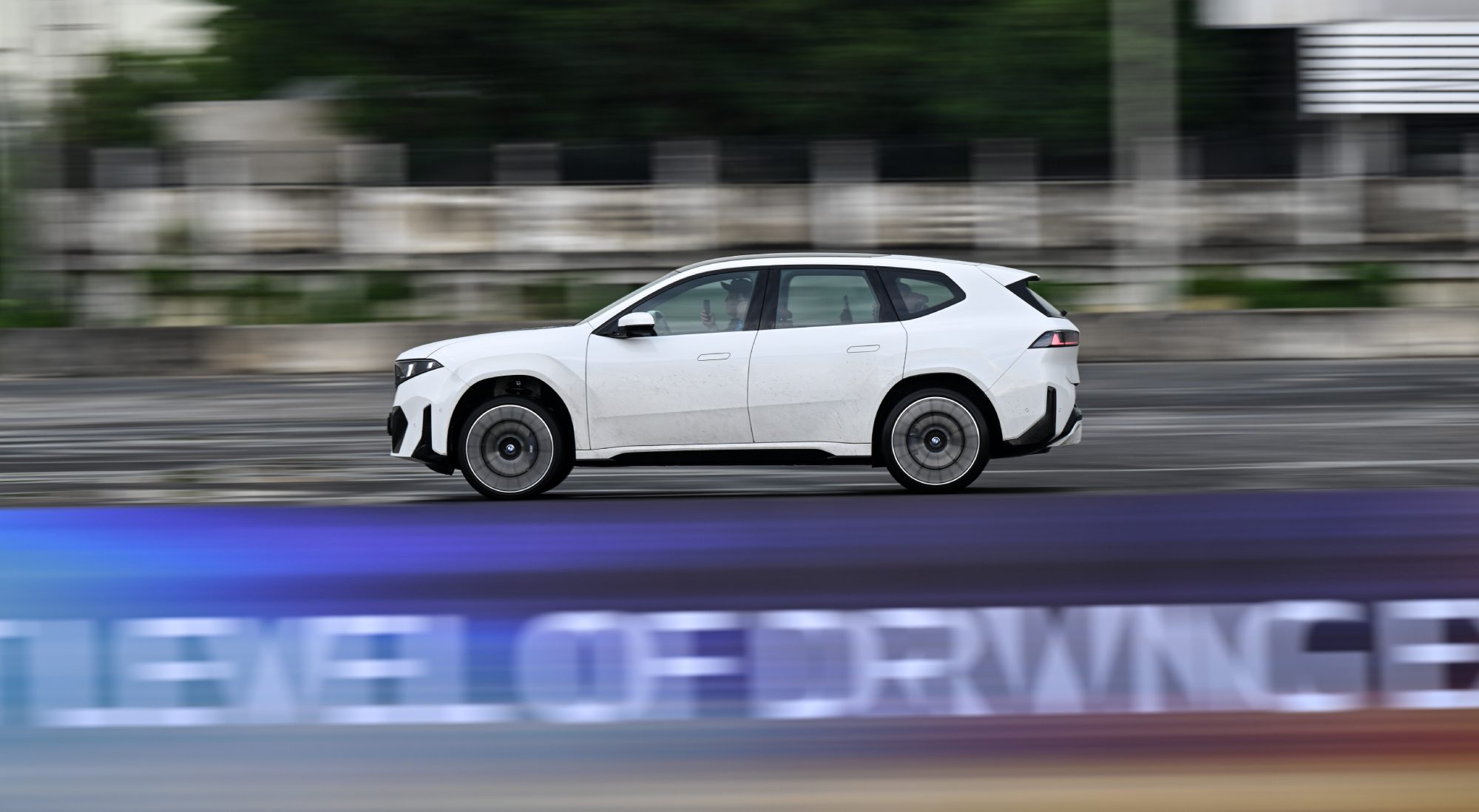
“A masterclass in Thailand? What are we going to do there that we can’t do right here?” That was my first thought when BMW invited me to the land of smiles for a crash course (figuratively, thankfully) on the new BMW iX3. The reason was clear the moment we rolled into the racing circuit that is Pathumthani Speedway, where six pristine iX3s sat waiting, flanked by an endless sea of traffic cones stretching as far as the eye could see.
Now, if you’d told me I’d willingly wake up at six in the morning to attend a class, I’d either laugh in your face or stare at you in utter disbelief. Without giving too much away about my age, let’s just say the last time I had to do that was at least 15 years ago, and I’d been perfectly content leaving those days behind.
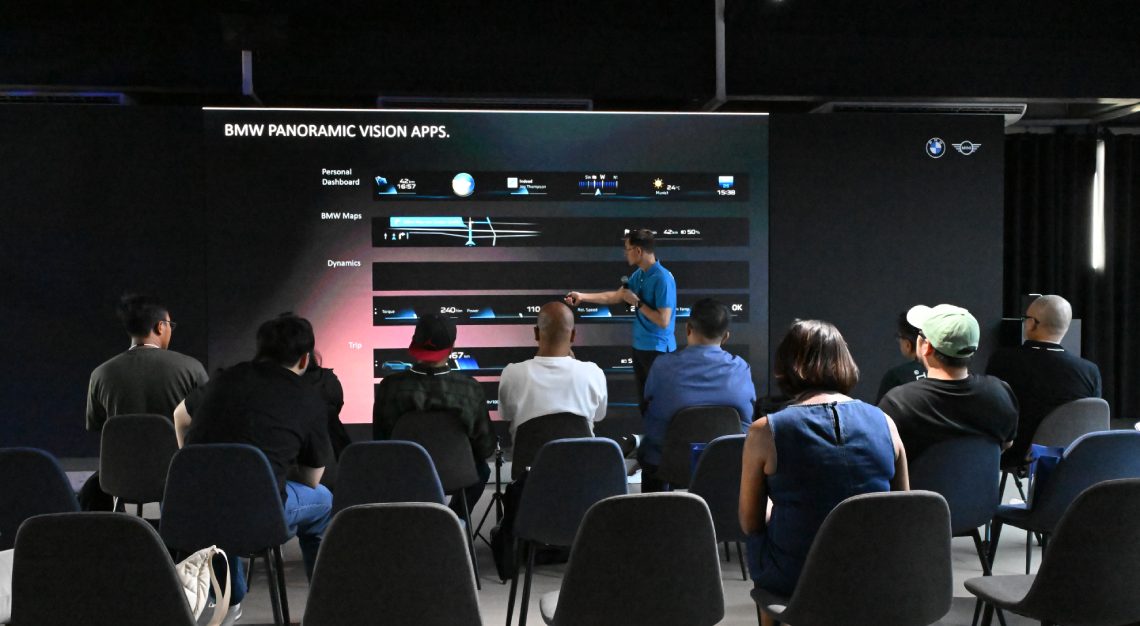
Yet, two weeks ago, there I was: abandoning a very comfortable hotel bed before sunrise, half-asleep alongside a busload of automotive journalists from Singapore, Malaysia and the Philippines, before arriving at Pathumthani Speedway just after 9am for the start of the class. All without complaining, too.
But let’s get down to it. Here are three learning points I’d picked up from my experience, to prove that I really was listening in class.
Every design decision was intentional
The easiest mistake to make when looking at the new BMW iX3 is to think that its styling is simply a result of BMW trying something different, just for the sake of it. According to Mark Berger, product manager for the Neue Klasse, almost every design decision can be traced back to a specific function, or intention.
Take for example the vertically oriented kidney grille at the front. It’s not merely a fresh interpretation of a familiar BMW face; it deliberately references the original Neue Klasse models of the 1960s while serving as the visual centrepiece of BMW’s next design era. Likewise, the illuminated kidney surround replaces the traditional chrome trim, while even the flush charging flap has been given a dose of intelligence, using AI to recognise when the driver intends to plug in before opening automatically (but more on this later).
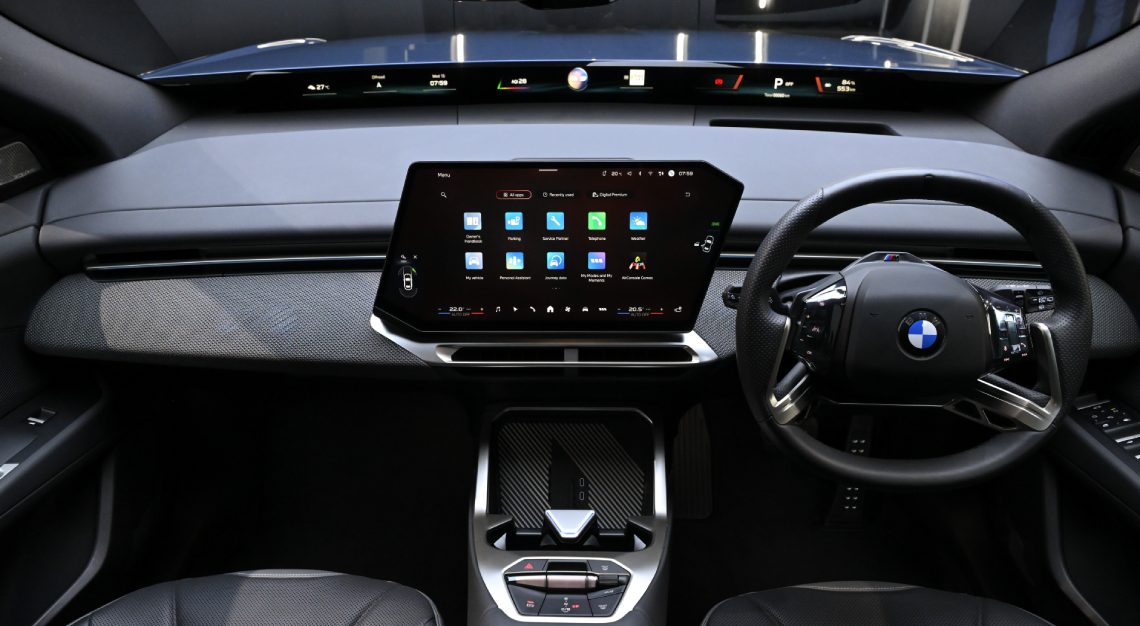
That philosophy extends inside the cabin. BMW calls it “Shy Tech”: technology that quietly fades into the background until you actually need it. Physical buttons have been reduced, with relevant control buttons lighting up only when it’s needed or usable, the multifunction steering wheel uses haptic feedback instead of cluttering the driver’s view, and the new BMW Panoramic Vision projects essential information across the base of the windscreen so your eyes stay on the road ahead.
The Neue Klasse of yesteryear was always meant to inspire the future
The term Neue Klasse gets thrown around a lot whenever BMW talks about the iX3, but the masterclass made one thing abundantly clear: it’s not nostalgia dressed up as a marketing strategy.
Back in the 1960s, the original Neue Klasse rescued BMW by introducing an entirely new generation of cars that redefined what the brand stood for. Today’s Neue Klasse aims to do exactly the same; albeit, for the electric age.
That explains why the iX3 doesn’t simply build on existing BMW EVs. It debuts a completely new digital architecture, BMW Operating System X, sixth-generation eDrive technology and an 800-volt electrical system designed around faster charging, greater efficiency and longer range. Even the battery itself has been re-engineered, with cylindrical cells integrated directly into the battery pack and the pack becoming part of the vehicle’s structure to save weight and improve energy density.
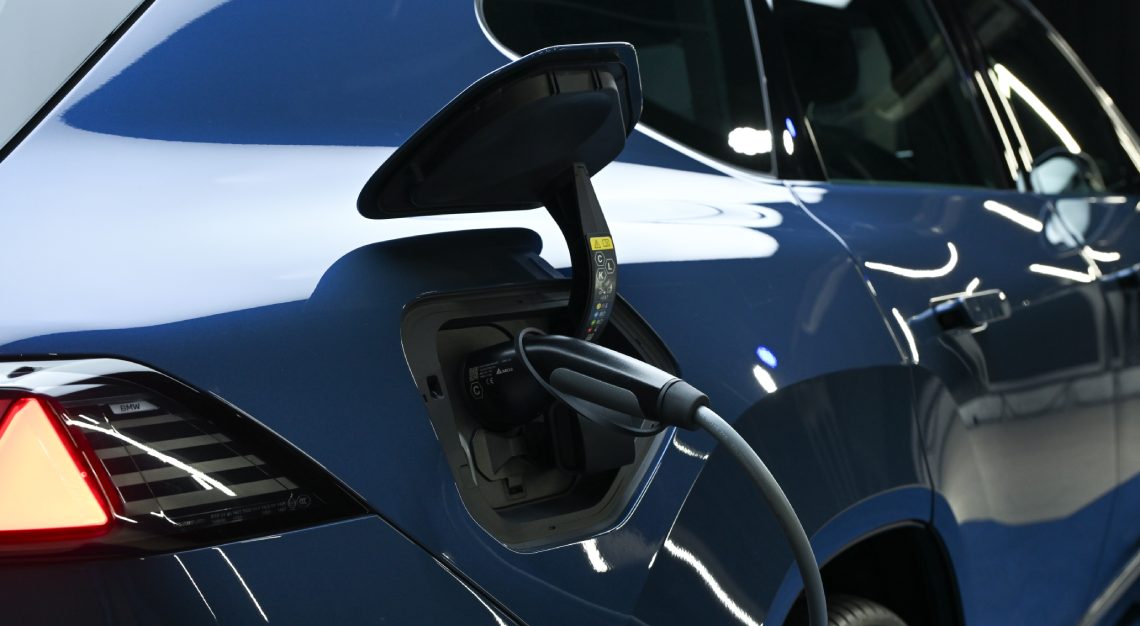
There is a sense of intelligence and learning from this machine
The phrase that cropped up repeatedly throughout the day was “Symbiotic Drive”. It sounds like something straight out of a science-fiction film, but behind the buzzword is an interesting philosophy: instead of replacing the driver, the car is designed to work alongside them.
Much of that comes down to the iX3’s new electronic architecture. At its heart is the aptly named Heart of Joy, a central control unit that processes steering, braking, acceleration and energy recuperation up to ten times faster than previous systems. During the driving exercises, that translated into smooth, predictable responses—particularly under heavy braking and through quick direction changes—rather than the slightly artificial feel that can plague some modern EVs.
The same thinking carries over into its driver assistance systems. Adaptive cruise control doesn’t immediately disengage with every gentle tap of the brake, while lane assistance remains active after minor steering corrections, making the technology and drive feel like a collaborative effort.
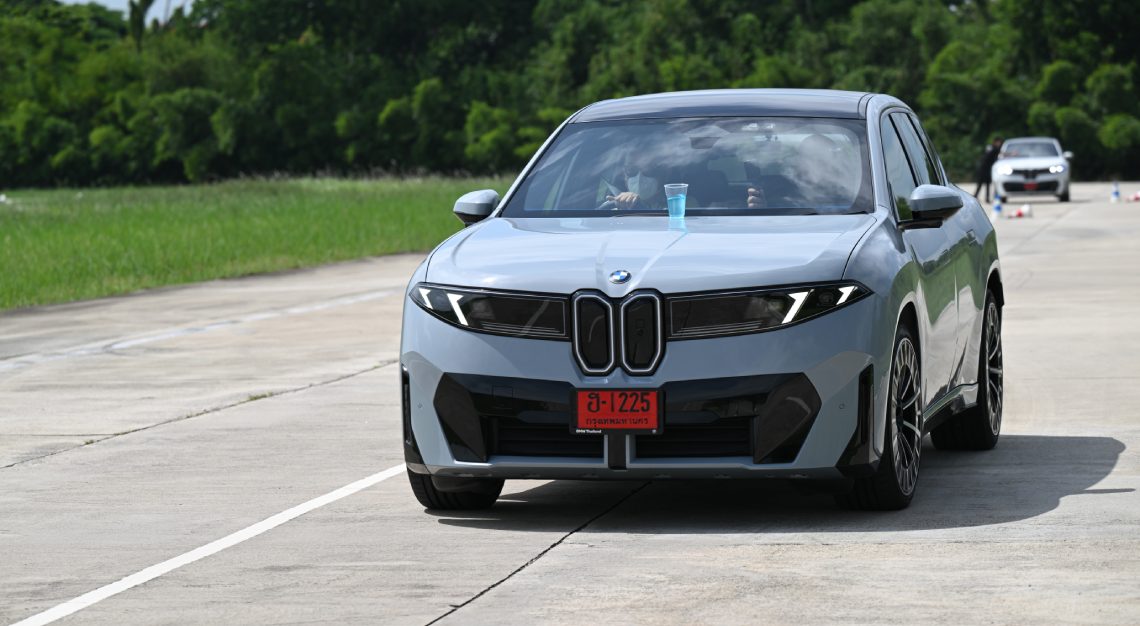
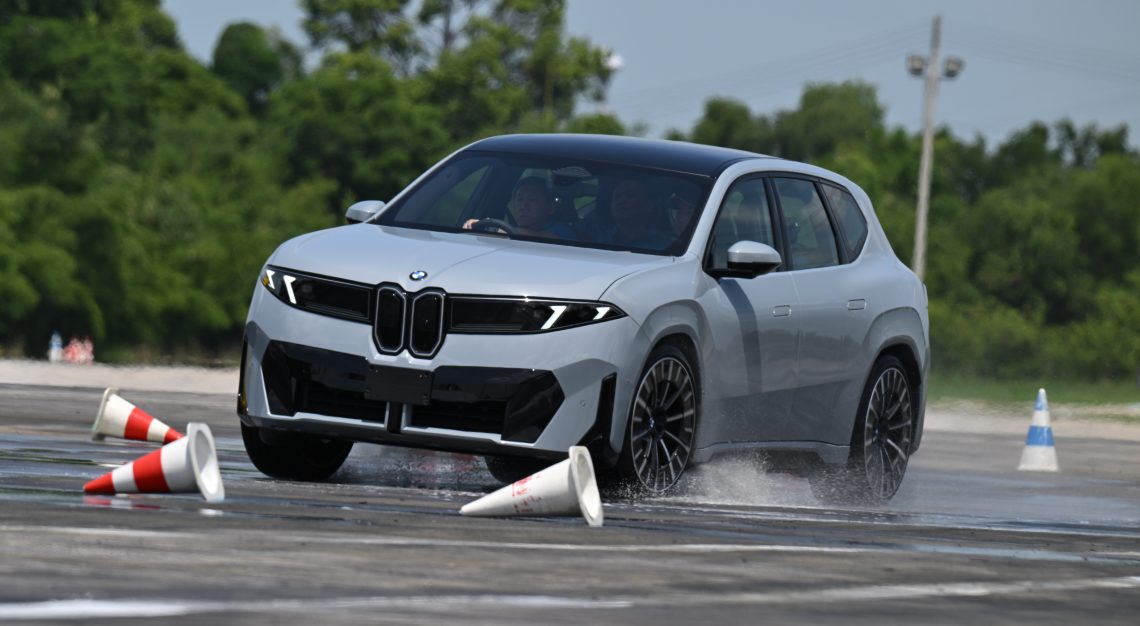
After spending a day with the iX3, the biggest lesson of all may have been how BMW’s goal here isn’t to drive the car for you but to understand your intentions and do it alongside you naturally. Intelligence in a modern car isn’t measured by how many screens it has or how many acronyms appear on the specification sheet. It’s measured by how invisible the technology becomes once you’re behind the wheel, and on that front, the new BMW iX3 appears to have done its homework rather well.