In Best of the Best, we honour the brands and people behind the most covetable products. Here are the design picks that topped the list this year
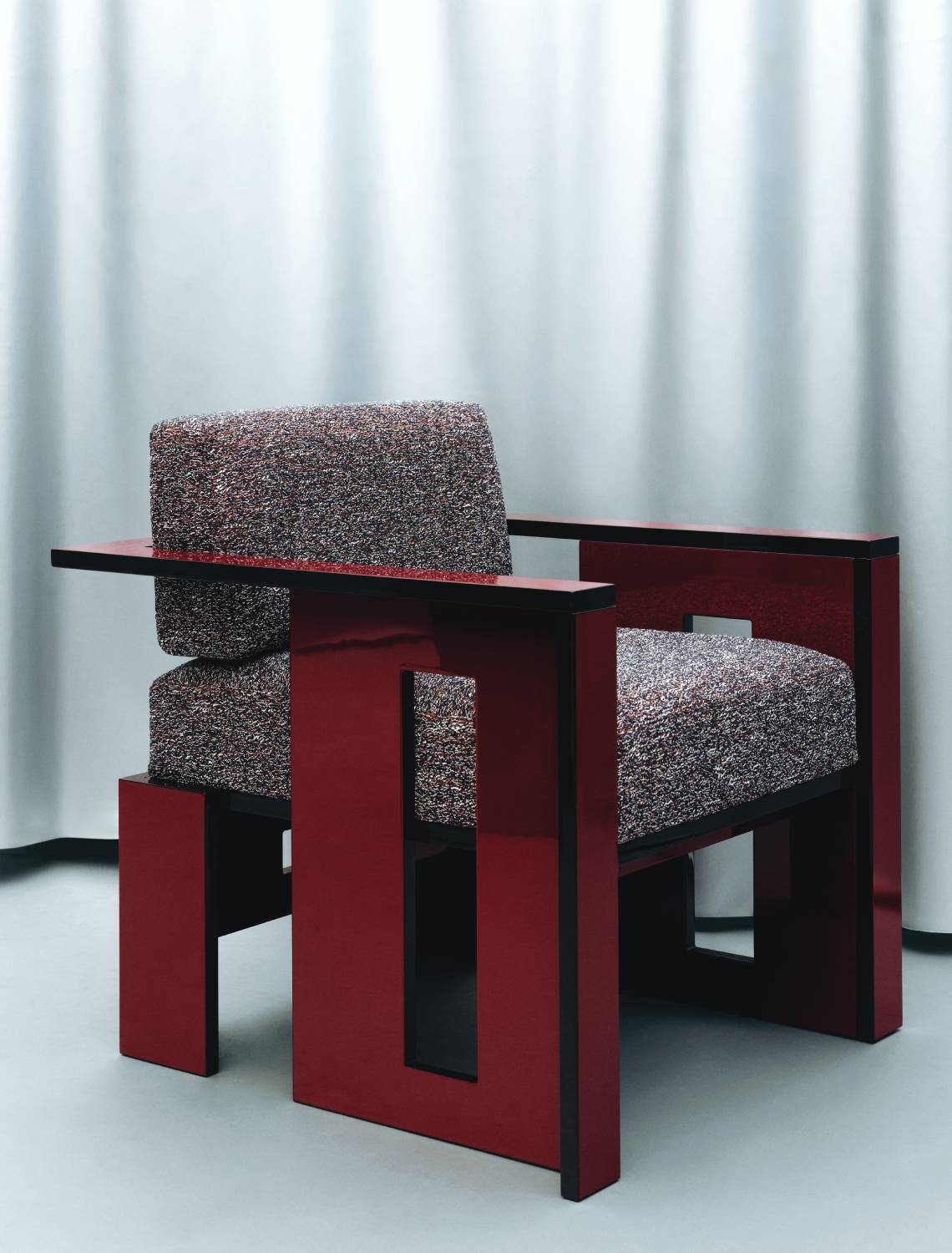
Best Armchair: Garance Vallée, 2093 best design
Parisian architect, designer, and artist Garance Vallée has become a social-media darling for creating pieces that sit somewhere between sculpture and furniture. They first read as art before registering as utilitarian. Think: straight lines, boxy shelving, and light fixtures that look summoned directly from Frasier Crane’s 1990s condo, but in a very good way. Call it inherited irreverence: her father is Kriki, the French street-art legend.
Vallée’s made-to-order pieces from her 2093 collection for Monde Singulier, like this graphic, bold armchair, which comes in black-lacquered wood and black cowhide or red-lacquered wood and Lelièvre upholstery with bespoke options in other palettes, are immediate conversation pieces. Yet, for Vallée, the true inspiration lay in the serene intimacy of the bedroom, which she describes as having “secret drawers, inner alcoves, and dimmed light”.
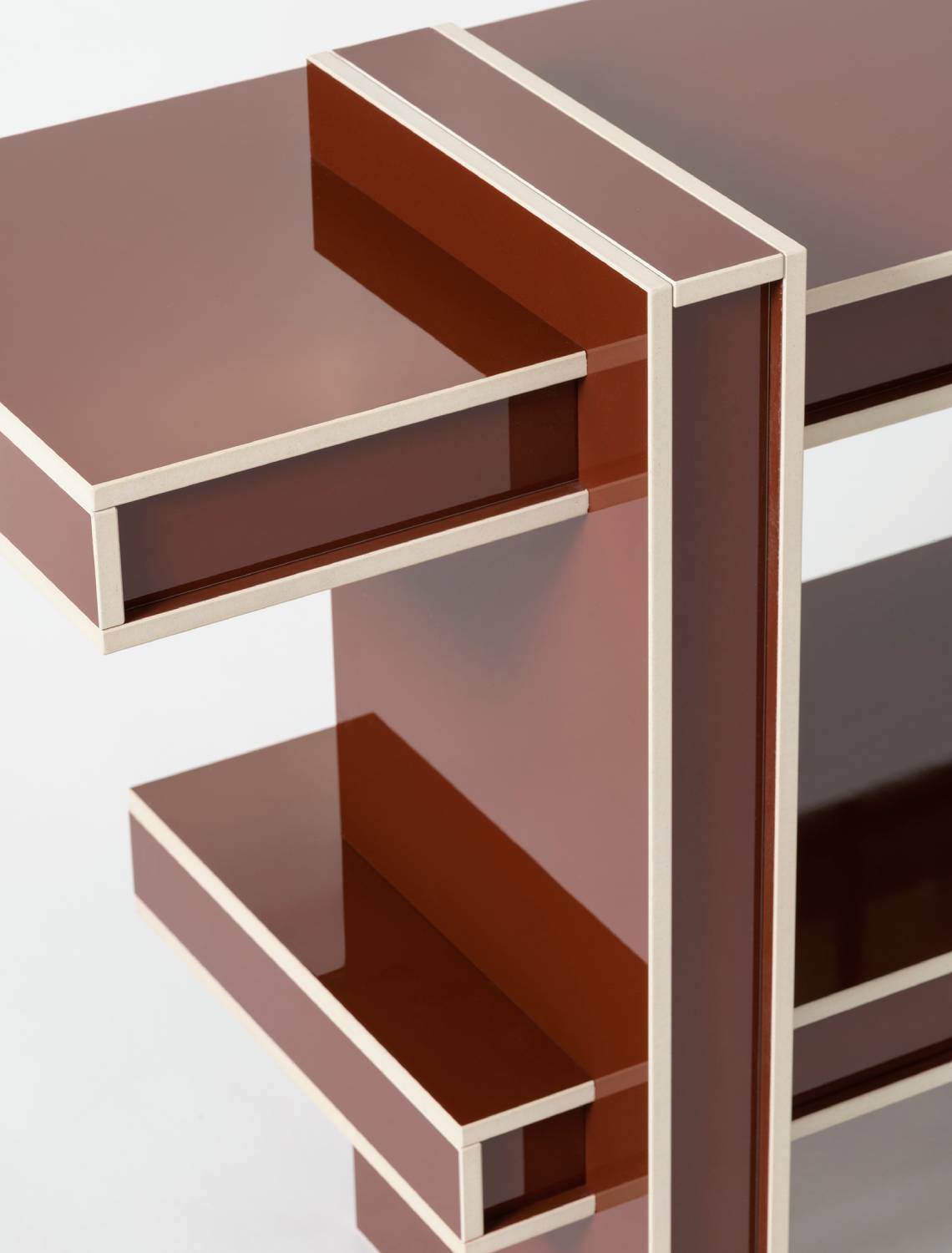
Best Shelf: Patricia Urquiola, Lepid
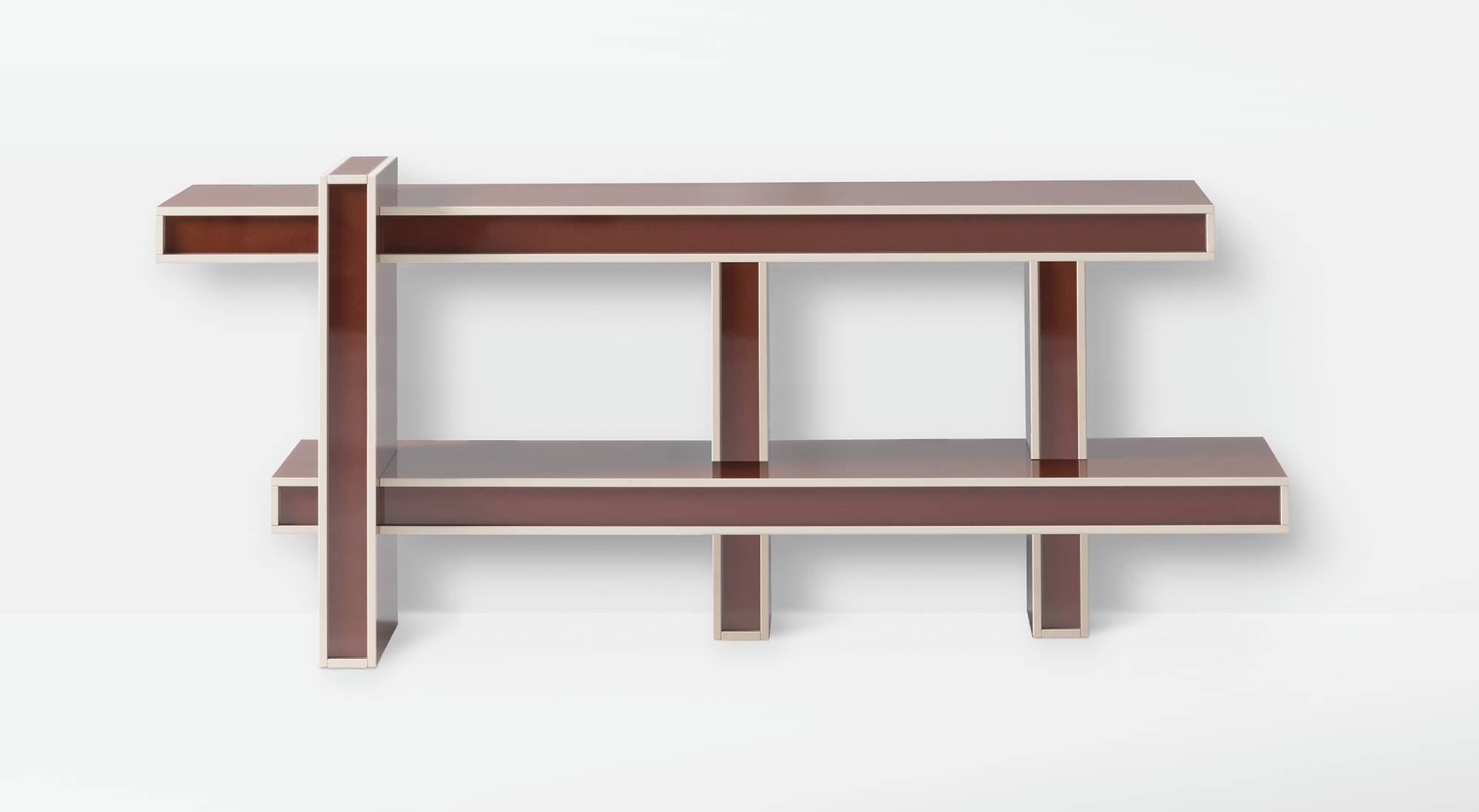
With the clever use of lines, Patricia Urquiola created Lepid for Kartell, making a case for how the most overlooked objects in the home can be transformed. Bookcases, consoles, and shelves are conceived as line drawings brought into three dimensions: graphic, precise, and surprisingly light. The collection’s defining quality lies in its overlapping joints and deliberate voids, which create an almost optical illusion. The palette of ivory, burgundy, and mustard, edged in contrasting tones, gives each piece a strong graphic identity that holds its own in both minimal and layered interiors. Made from recycled wood fibre panels and timber certified by the Forest Stewardship Council, Lepid is as considered in its materiality as it is in its design. That is what earns it a place on any best-of list.

Best Museum: The Theodore Roosevelt Presidential Library
New Yorker Theodore Roosevelt fell hard for the frontier on his first visit to the Badlands during a bison-hunting trip in 1883. This July 4th—the 250th anniversary of the US—his spirit becomes further entwined with the terrain in Medora, North Dakota. Designed by international firm Snøhetta, the Theodore Roosevelt Presidential Library is set on a butte, with over 36 hectares facing his namesake national park. (The 26th US president protected hundreds of millions of hectares of land while in office. As Roosevelt put it, “The farther one gets into the wilderness, the greater is the attraction of its lonely freedom.”) The museum’s roof is a living shelter where 63 native plants and species flourish—including sedges, forbs, indigenous grasses, and shrubs—each selected with North Dakota State University and Resource Environmental Solutions. The site is designed to be a closed-loop, regenerative, self-sufficient structure that gives back to the land, perhaps the most Rooseveltian gesture of them all. As American architect Craig Dykers, co-founder of Snøhetta, notes: “The library becomes the landscape.”
The Theodore Roosevelt Presidential Library
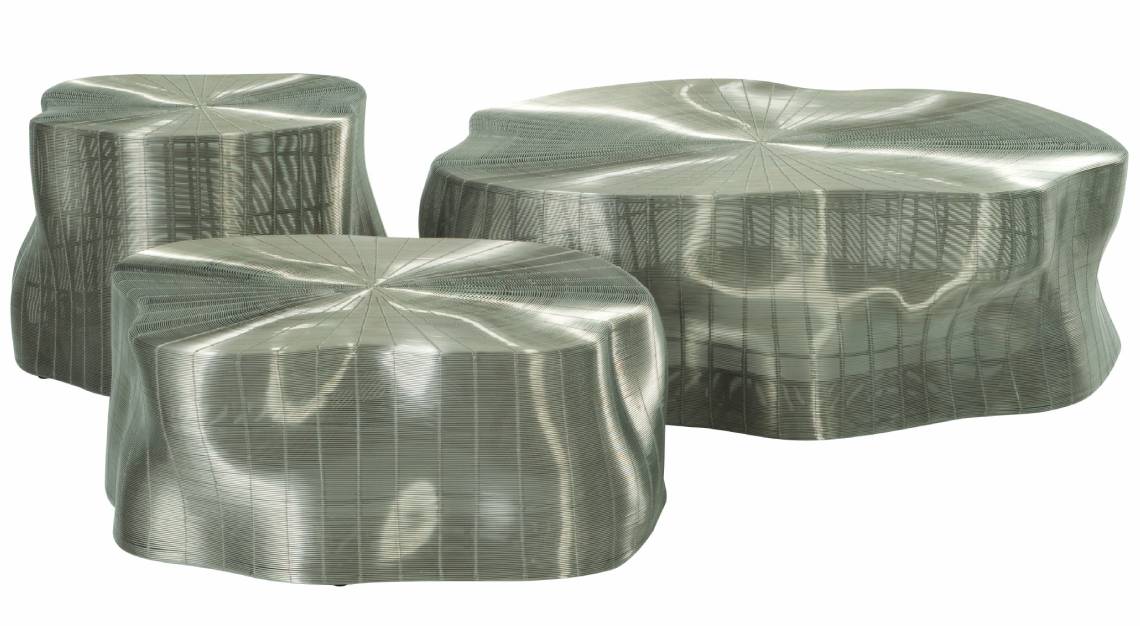
Best Cocktail Table: Roche Bobois, Iron Tree
Roche Bobois’ Iron Tree cocktail tables are made by hand, but not in the way you might think. An artisan wraps continuous lengths of stainless-steel wire around a hidden frame, building up the form from hundreds of metres of unbroken material, strand by strand. The process can’t be replicated by machine—a true differentiator in this day and age—which is what gives every example its slight irregularity. “This process, impossible to mechanise, gives each piece a singular vibration, a presence that is both raw and delicate,” according to Gregory Dias, head of trends at Roche Bobois in Paris. The surface has a gentle movement to it— subtle rises and dips that catch the light—so the tables feel structured enough to hold a French 75 but appear visually fluid.
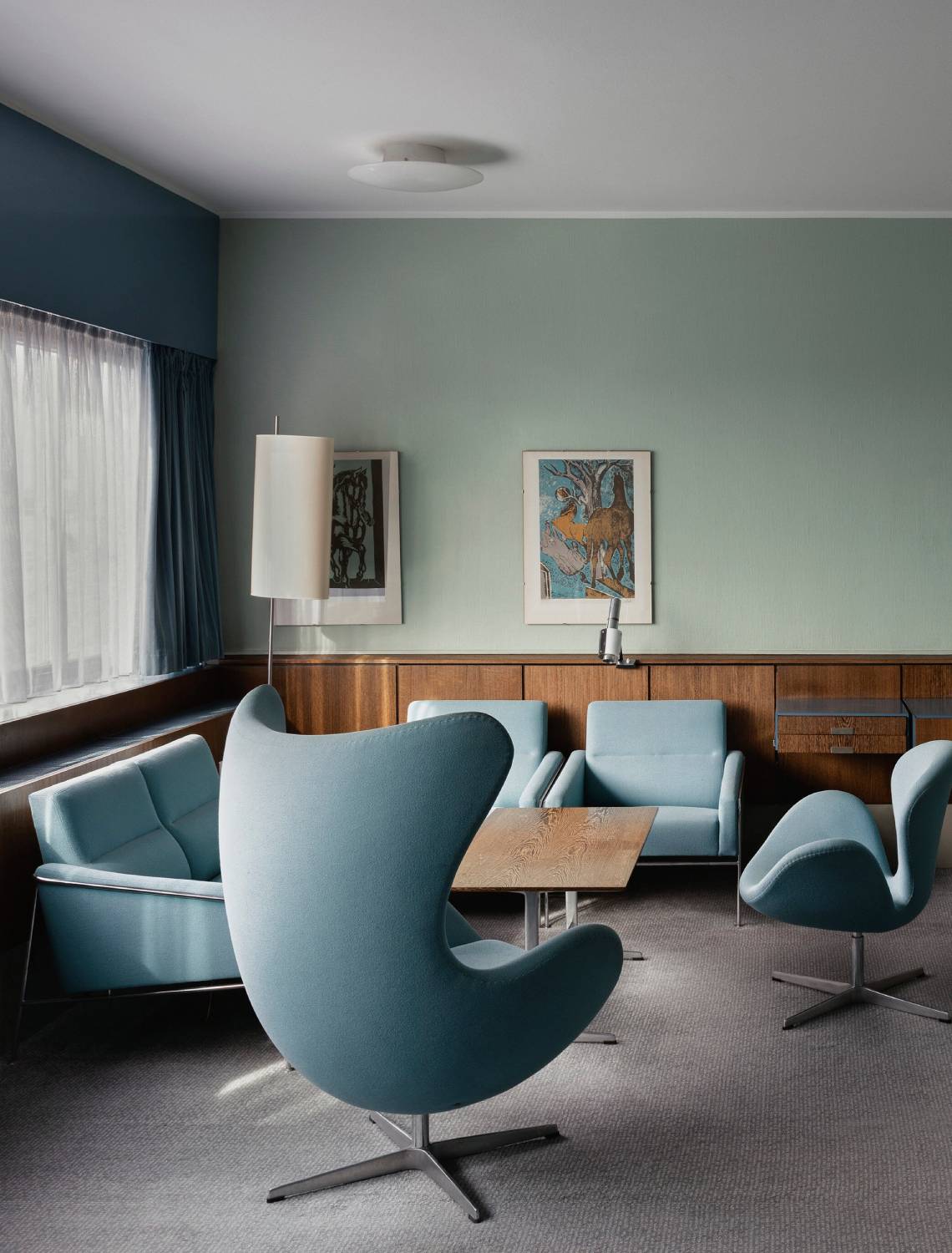
Best Anniversary: Arne Jacobsen, Egg
Some furniture dates, others define. Arne Jacobsen’s Egg chair, introduced in 1958 for the lobby of Copenhagen’s SAS Royal Hotel, belongs firmly in the latter category. This is a piece so complete in its conception that nearly seven decades have done nothing to change its design.
It emerged from Jacobsen working alone in his garage, shaping wire and plaster by hand until the silhouette was exactly right: a high, enveloping shell that tilts slightly forward, cocooning the sitter while remaining a focal point in any room. The cold-cured polyurethane foam shell, upholstered in leather or wool, sits on a four-star satin-polished aluminium base with a tilt mechanism calibrated to the weight of the individual user. What earns the Egg chair a place on our list is precisely this: it does what very few pieces of furniture can, creating a place to read, think, or simply sit in comfort. It is still made by Fritz Hansen in Denmark to the original specification.
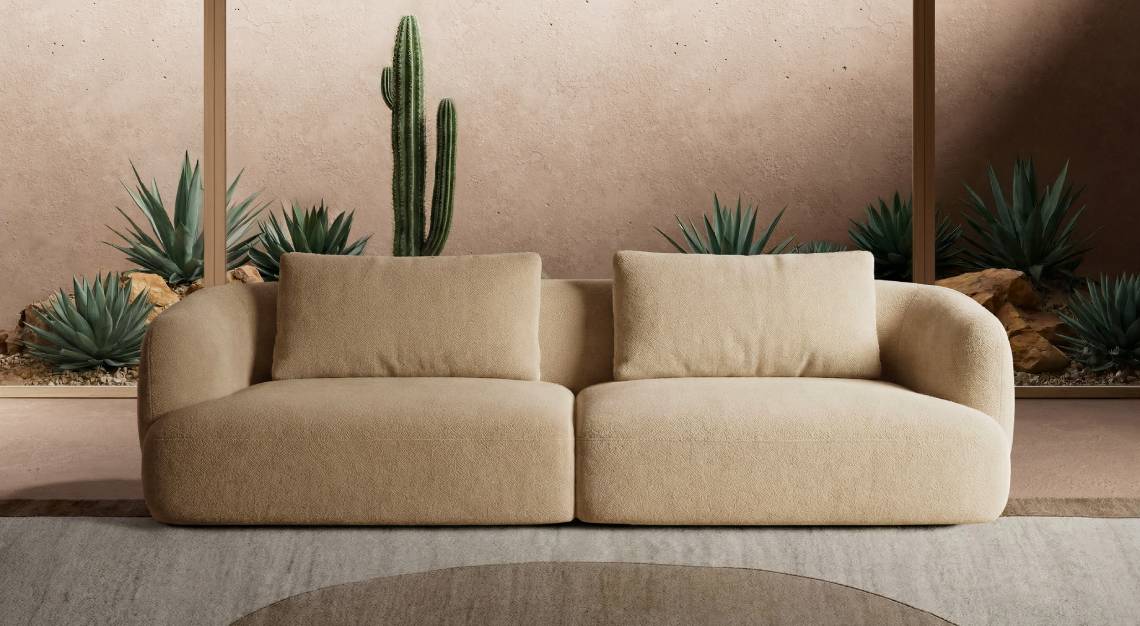
Best Modular: Dainelli Studio, Nube
While some names are aspirational, this one is entirely accurate. To name a sofa after a cloud is either very bold or very confident. With Nube, Dainelli Studio’s design for Ditre Italia proves it is both. The silhouette is soft and billowing, its individual volumes held together by an invisible fastening system that preserves its cloud-like appearance while allowing the elements to be reconfigured to suit the layout of the home. Nothing structural is exposed.
The outcome is a sofa that appears as one uninterrupted shape, both smooth and ample. What earns Nube a place on this list is its sense of suspended ease, which is far harder to achieve than it appears. The proportions are carefully studied to balance solids and voids, allowing the piece to occupy a room without overwhelming it. In a generous living space, it becomes a landscape; in a smaller room, it becomes the room itself.