In Best of the Best, we honour the brands and people behind the most covetable products. Here are the best jewellery pieces that captivate both eye and mind
Best Jewellery Piece of the Year: Van Cleef & Arpels Beauté Légendaire
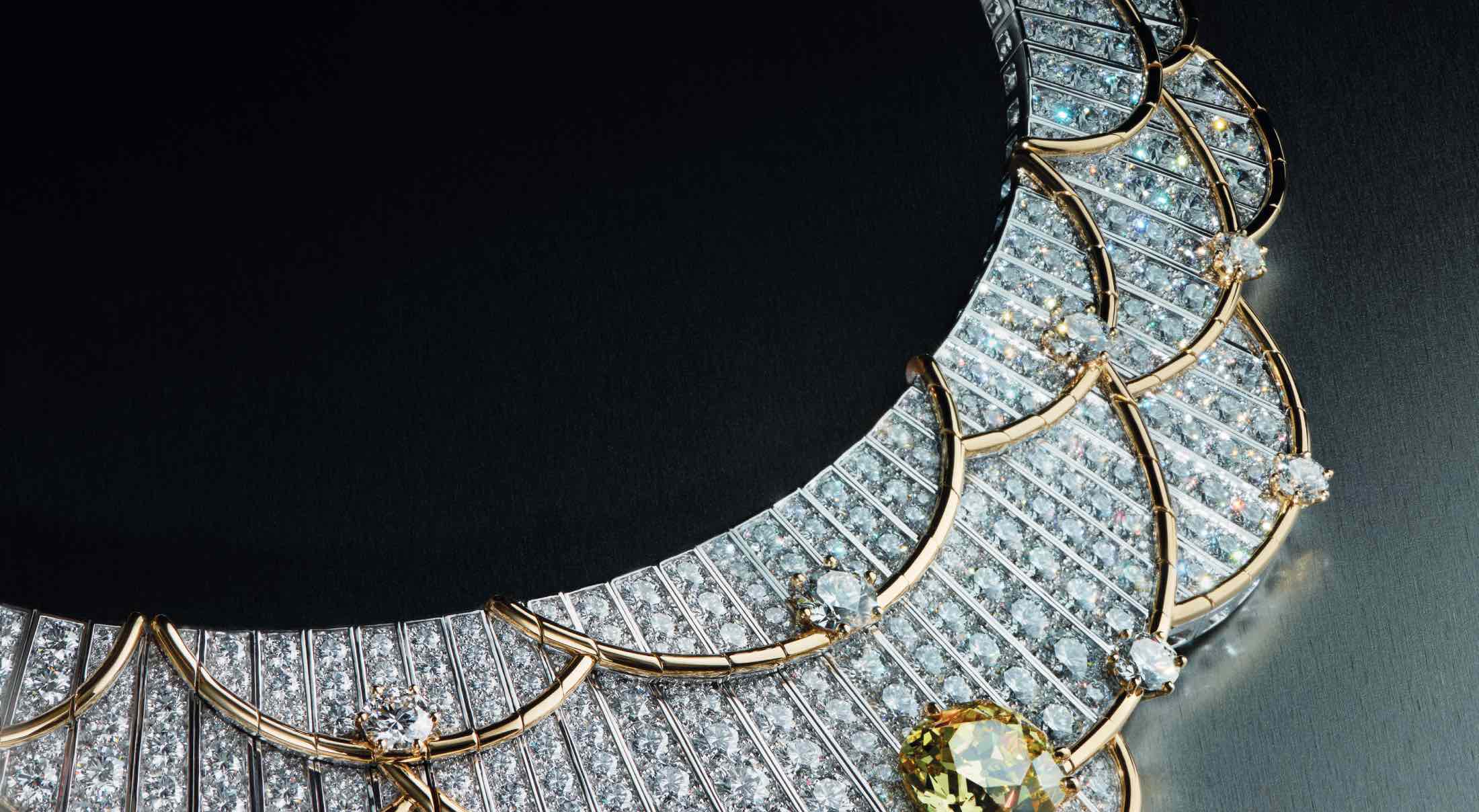
Egyptian design has captivated the world for centuries, but it holds a special place in Van Cleef & Arpels’ archives, where it has been a recurring motif since the 1920s—not long after the brand’s founding in 1906. Sergei Diaghilev’s production of Cléopâtre for Les Ballets Russes from 1909 and Howard Carter’s discovery of King Tutankhamun’s tomb in 1922 fuelled the beginning of the jeweller’s enchanting creations inspired by the lost civilisation. This year, the themes were revisited in the Fascinating Egypt collection.
Some examples took more direct cues, such as the collectible Egyptian Pattern bracelets and brooches similar to 1924 examples depicting hieroglyphs. Others expressed the idea through new interpretations, such as the Beauté Légendaire necklace that takes the form of a wesekh, or Egyptian collar necklace, but shapes its rim in softer 18k-yellow-and-white-gold scalloped curves. Adorned in a blanket of round diamonds in increasing dimensions—10 of which punctuate the golden edges—it is anchored by a 10.02-carat cushion-cut fancy vivid yellow diamond with brilliant-style faceting. Just like ancient examples, the clasp is as considered as the front. It lies hidden beneath a white-gold, yellow-gold, and sapphire lotus flower—the ancient symbol of rebirth. It’s a reminder that a compelling origin story can have everlasting appeal.
Best High Collar: Louis Vuitton Fortune
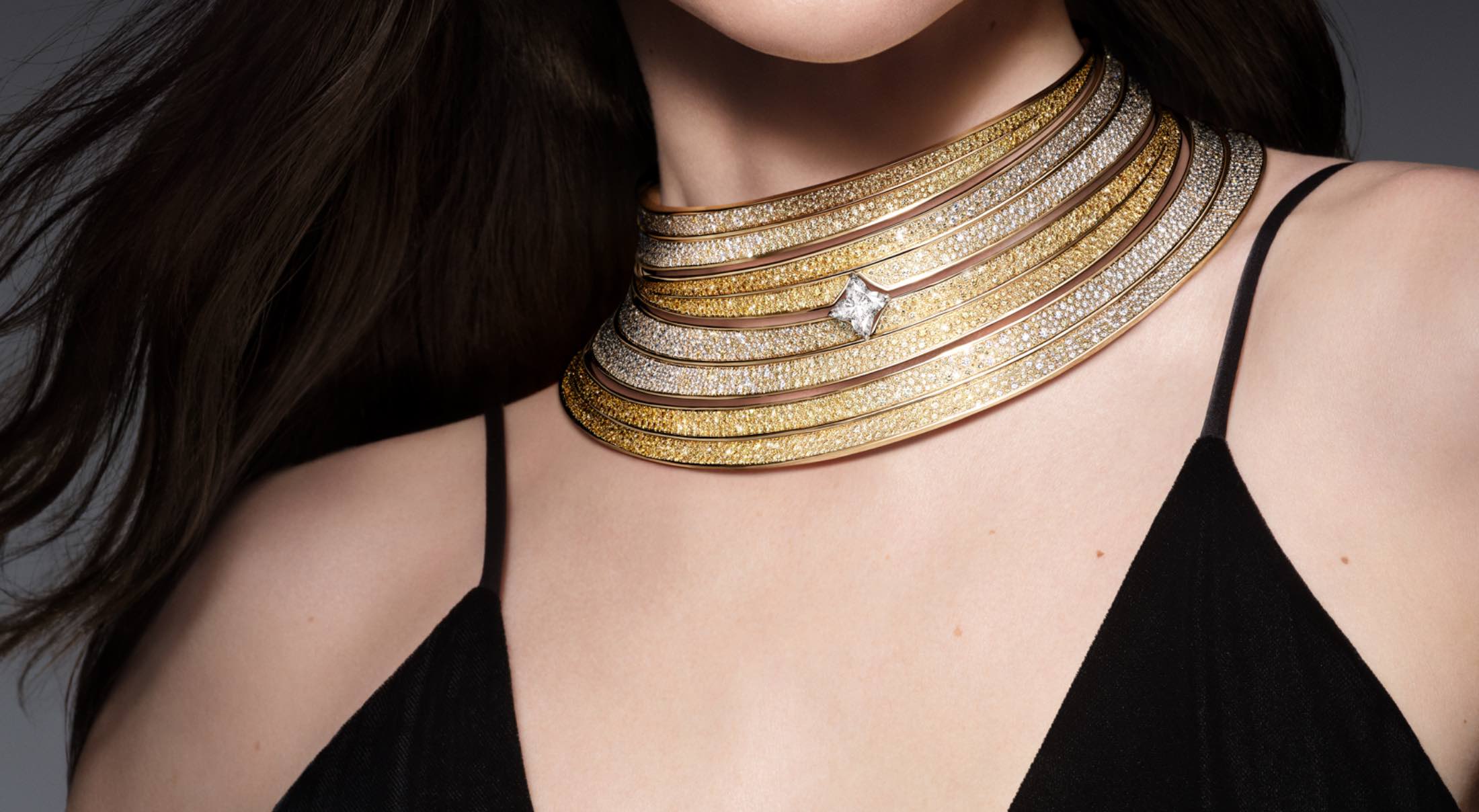
For its Mythica collection, which debuted in Morocco in April, Louis Vuitton envisioned a modern-day heroine fiercely charting her own destiny. Its high jewellery has never been for wallflowers and that notion is inherent to one of the crowning statement pieces, the Fortune necklace. Set with 42.52 carats of yellow diamonds and 57.06 carats of white diamonds in a gradient pattern shimmering along leaf-like structures that cocoon the neck in a funnel shape, it is punctuated by a 5.12-carat D IF LV Monogram Star-cut diamond. The incredible intricacy of setting each stone in an ombre pattern on its 18k-white-and-yellow-gold frame took 2,860 hours of labour. Each wrap of gold is set to reveal hints of skin in between for a seductive display of power. Fortune, of course, does favour the bold.
Best Revival Design: Boucheron Untamed
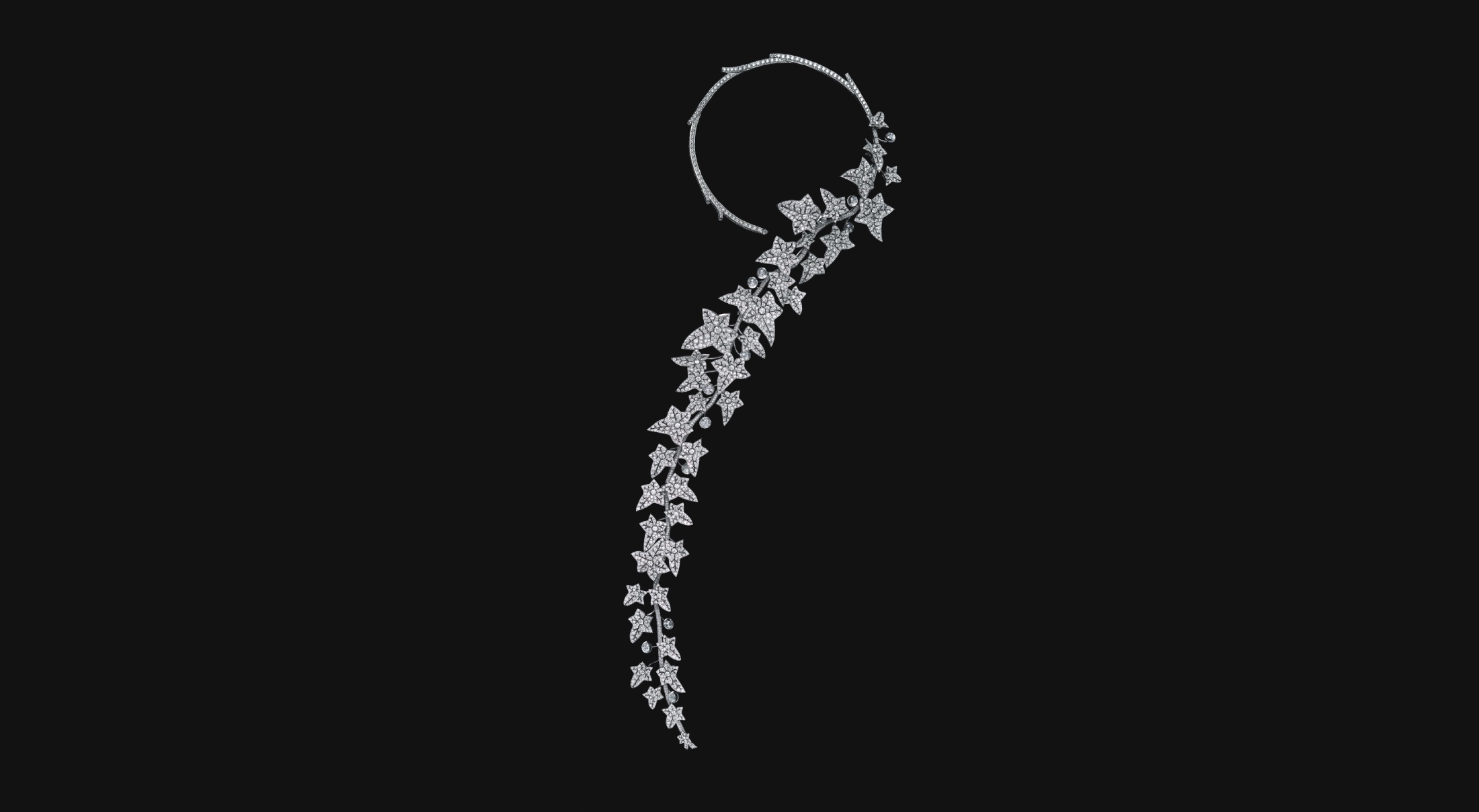
Frédéric Boucheron was a bit of a trailblazer when he opened the first jewellery shop on Paris’s Place Vendôme 133 years ago. It was the peak of the Beaux Arts era and his fascination with nature would greatly influence the period. As the son of a cloth merchant, he also knew how a piece should fall on the body. In a tribute to his genius, creative director Claire Choisne chose to create four high-jewellery masterpieces honouring his legacy. The most seductive is a spectacular piece called the Untamed, which physically embodies the jeweller’s sensibilities in an 18k-white-gold strand of ivy with diamond leaves interspersed with tiny rock-crystal dew droplets. It is based on the first sketch of the now famous Question Mark necklace drawn in 1879.
The original was never created, so producing it proved a technical challenge—2,600 hours of work were required to figure out the construction. Each tiny stem and leaf was mounted one by one, by hand, trailing dramatically down the body. The piece can be worn in its full form, a long Question Mark (pictured), short Question Mark, collar necklace, brooch, or hair jewel. Monsieur Boucheron would no doubt be pleased to see the roots he planted over a century and a half ago continuing to thrive so beautifully.
Best Necklace: Cartier Panthères Reflexio
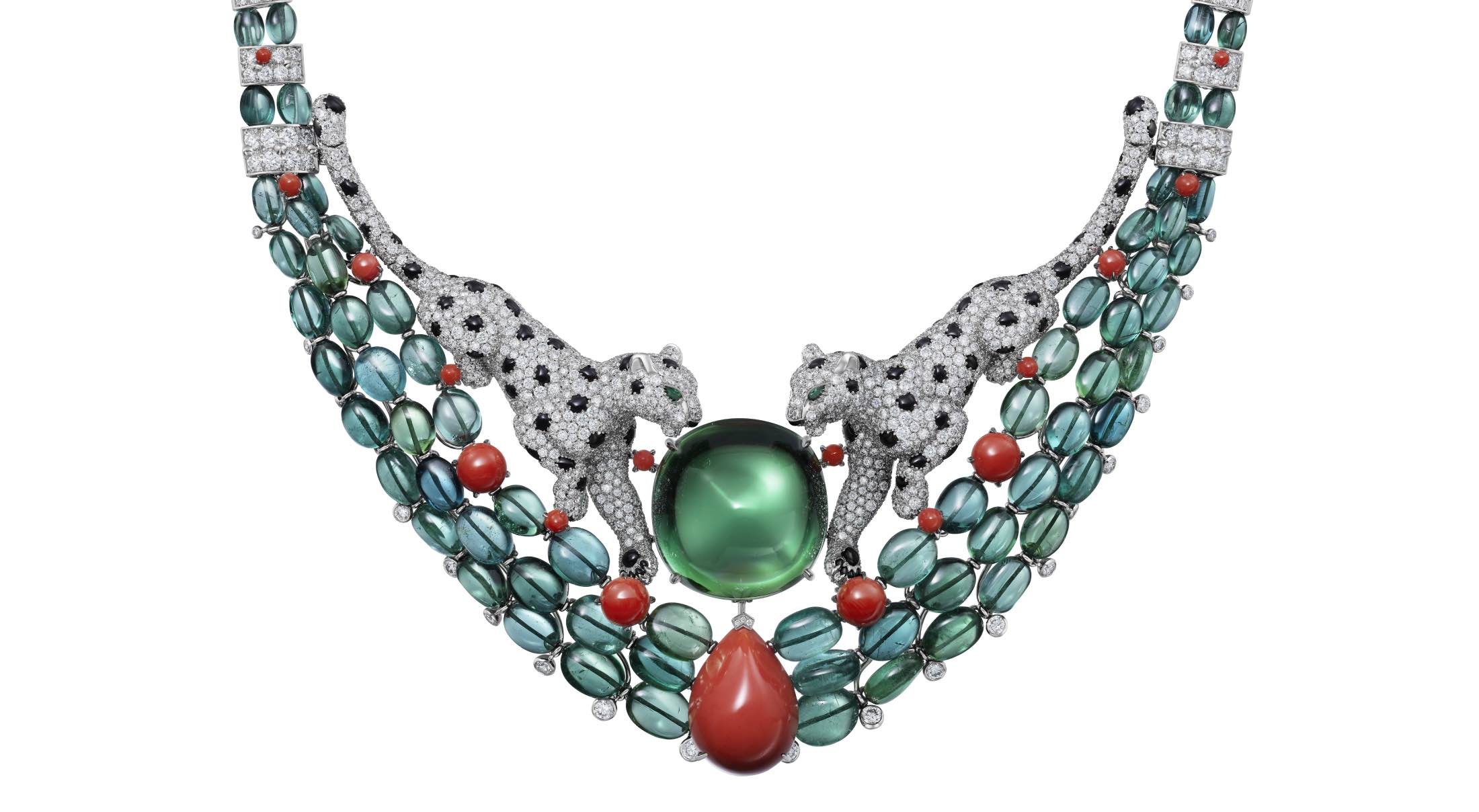
Cartier has a way of turning its most iconic emblem into something that stops you in your tracks. The Panthères Reflexio necklace from the En Équilibre collection is one such example. At the centre of this platinum piece, two stones form an unlikely but entirely fitting pairing: a 74.10-carat green tourmaline and a 14.91-carat coral drop. The combination of red and green commands attention; the coral is in baroque-shaped beads, the result of meticulous hand-threading, each bead individually placed to preserve the fluid fall of the composition. The panthers that flank the centrepiece face each other directly, poised to pounce. Cartier’s feline has always been sculptural rather than decorative and here the naturalism is clear: onyx-spotted coats, emerald eyes, onyx-tipped paws, and linework refined to the point of anatomical accuracy.
Best Bracelet: Harry Winston Lily Cluster
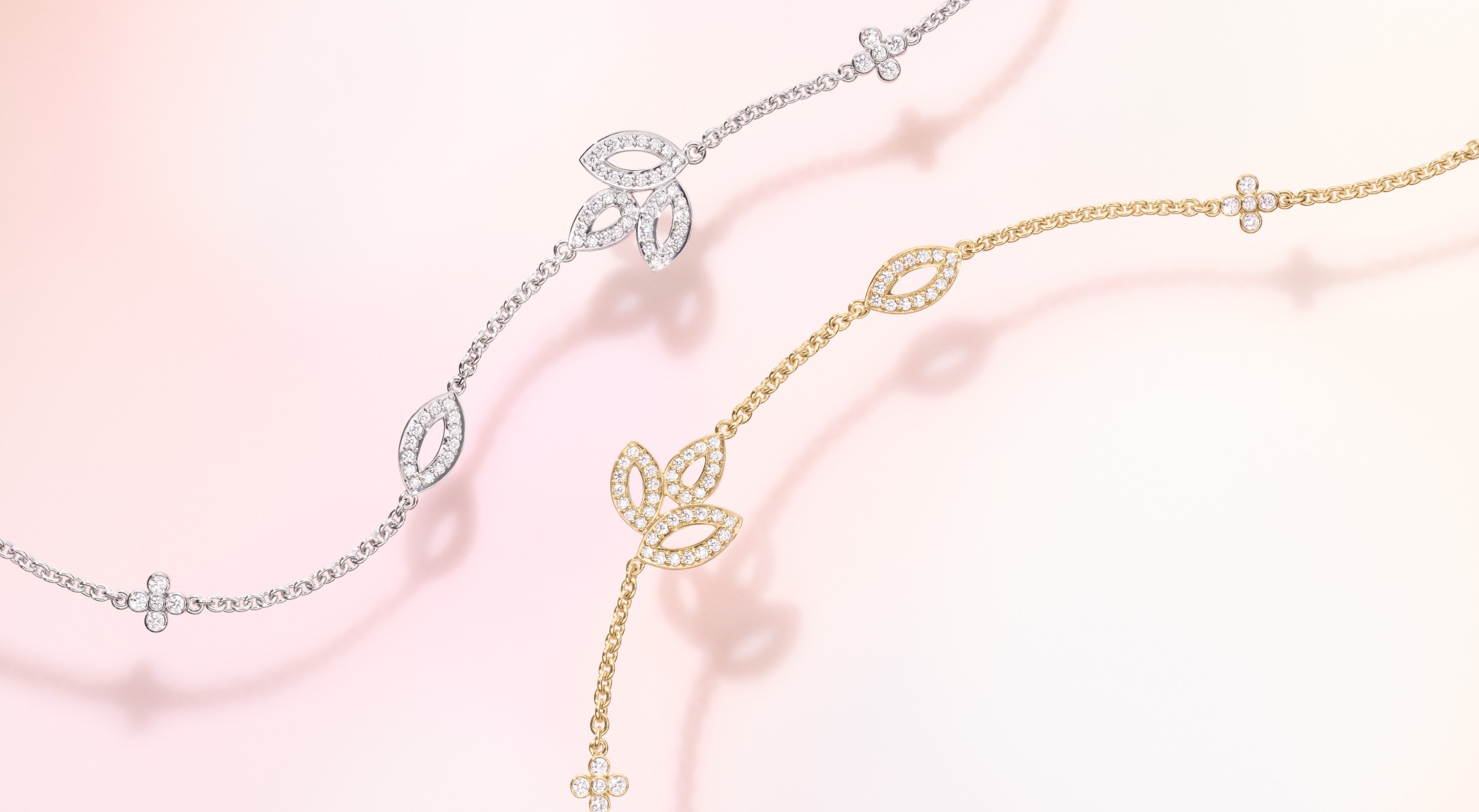
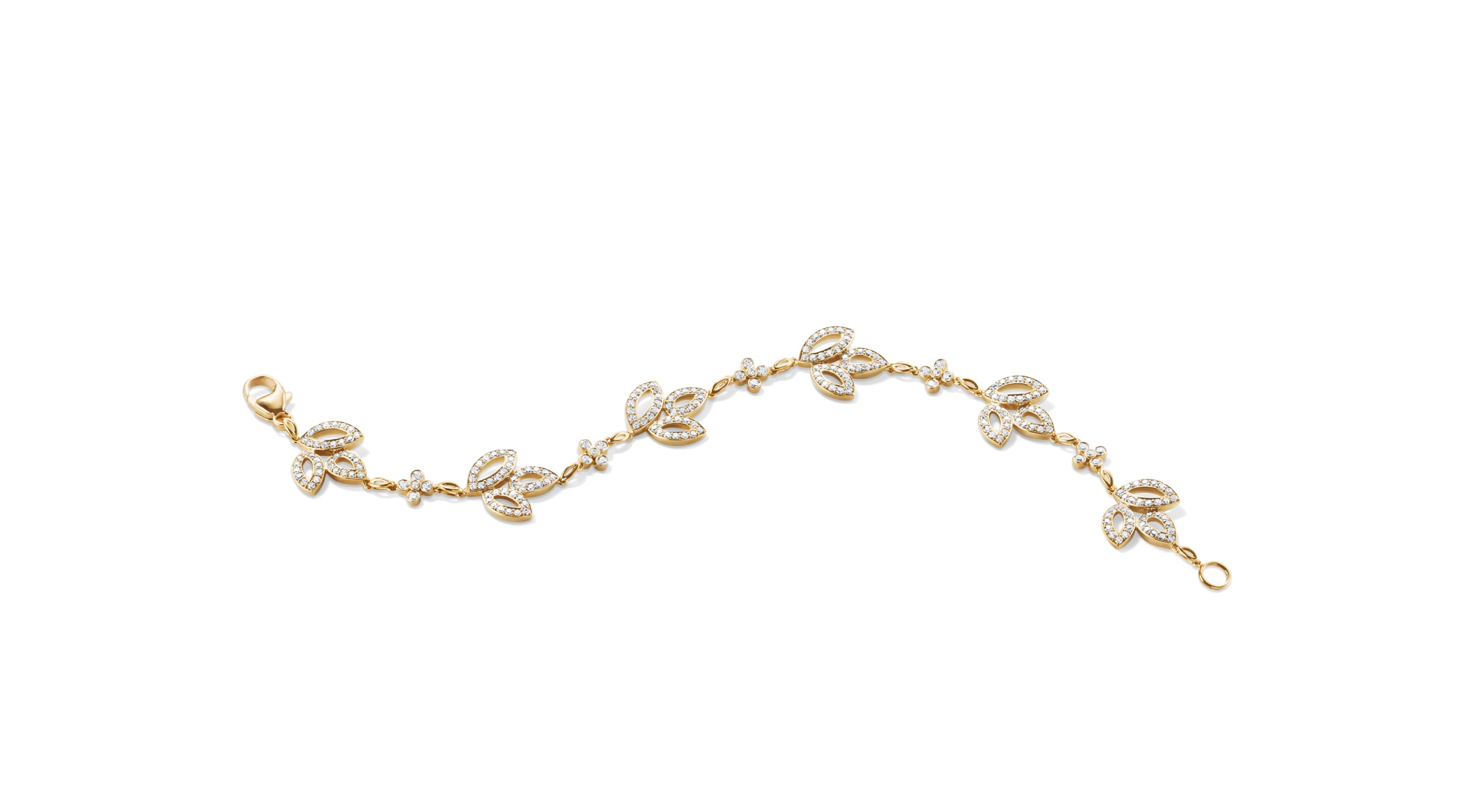
Jewellery should not be limited to night-time wear and Harry Winston proves it with the most charming of its collections: the Lily Cluster. The bracelet in particular forms a continuous line of lily motifs, each one featuring a cluster of round diamonds built around a single marquise-cut stone at its centre.
The design may be architectural, but it is by no means stiff—the brilliant construction enables the bracelet to wrap around the wrist comfortably. This is achieved through an interlacing structure that allows movement, the way a stem bends without breaking, while the petals catch the light at different angles as the bracelet shifts. The motif itself dates to archival sketches from the early 1940s, reinterpreted here with a modern touch in platinum, yellow gold, or rose gold.
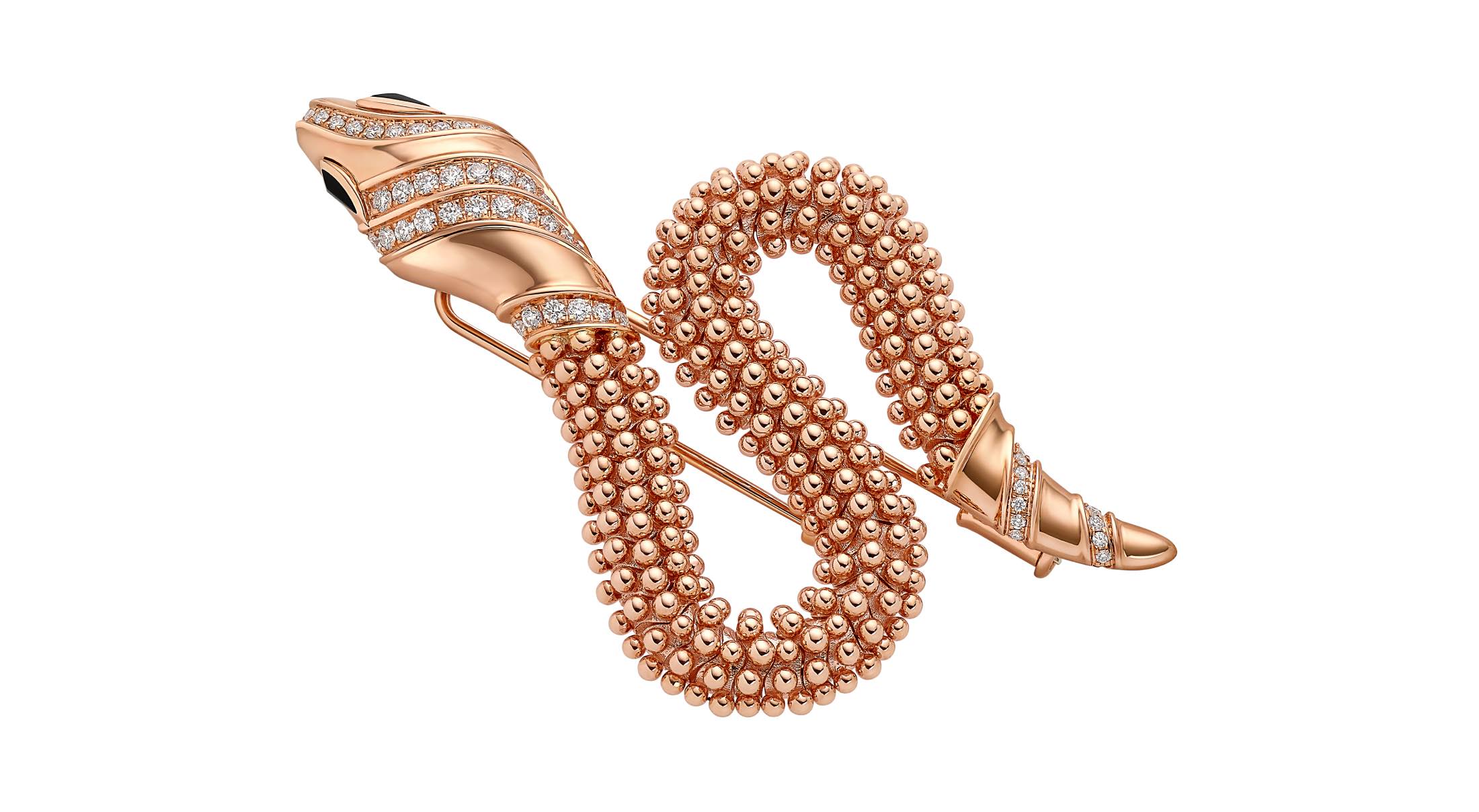
Best Brooch: Bvlgari Serpenti
The brooch is one of jewellery’s most underrated formats: versatile, genderless, and unconfined by the rules that govern other pieces. It can sit at a shirt collar, secure a scarf, adorn a lapel, or double as a hair accessory.
The Serpenti brooch by Bvlgari ticks all these boxes. Rendered in rose gold and diamonds, its coiled, snake-like shape is achieved through the historic pallini technique, in which tiny gold spheres are hand-soldered one by one onto a flexible base, giving the surface a quality that feels textured, sculptural, and almost animate. The pallini method dates back to the mid-1950s, when Bvlgari began embracing more sculptural serpent designs, and here it’s employed again with every sphere set by hand, resulting in a piece that shifts and reflects light in a way that cast or stamped jewellery simply cannot replicate.
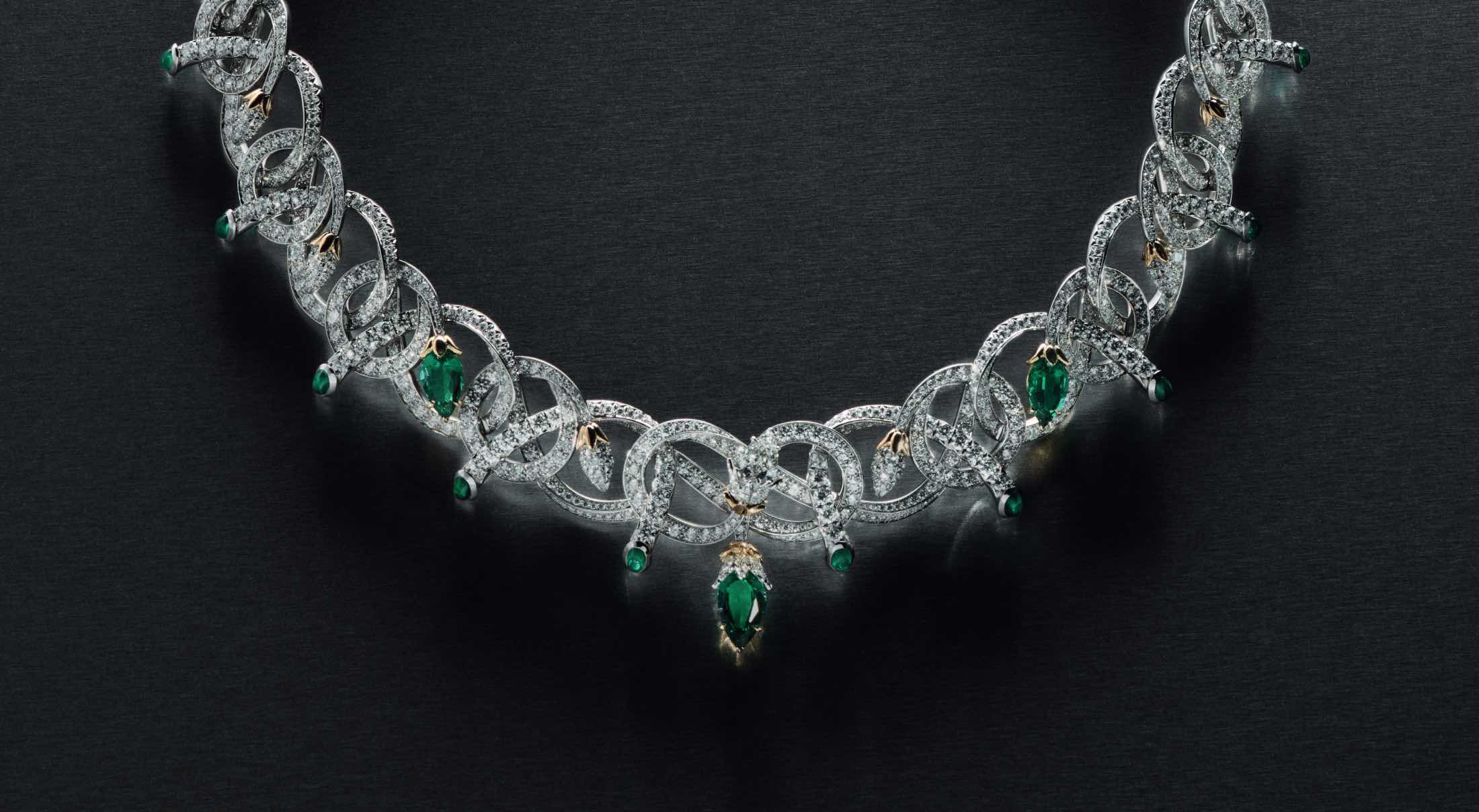
Best Technique: Tiffany & Co. Twin Bud
In the 1950s and 1960s, famed Tiffany & Co. designer Jean Schlumberger was at the height of his creative output rooted in nature, its beauty examined in imaginative, elegant jewels. His Twin Bud motif was among those recognisable creations, capturing the fleeting moment just before full bloom. It was often rendered in sculptural gold figures and diamonds, frequently in the form of a brooch.
Now, senior vice president and chief artistic officer Nathalie Verdeille reimagines the theme into a complex high-jewellery creation of twisting, articulated vines set in platinum and 18k yellow gold, punctuated with three perfectly matched, unenhanced Zambian pear-shaped emeralds totalling 3.97 carats, alongside oval cabochon-cut emeralds and diamonds.
The intersecting links are deceptively simple. Platinum is notoriously difficult to work with, making the necklace’s fluid movement across interweaving links particularly challenging; each element must be set before final assembly. The combination of platinum and gold further demands precise mechanical integration to prevent stress at the joints as the metals respond differently to heat.
Consider it a marker of Tiffany & Co.’s evolving direction under Verdeille—a vision that stays true to Schlumberger’s design principles while pushing them forward through technical mastery.