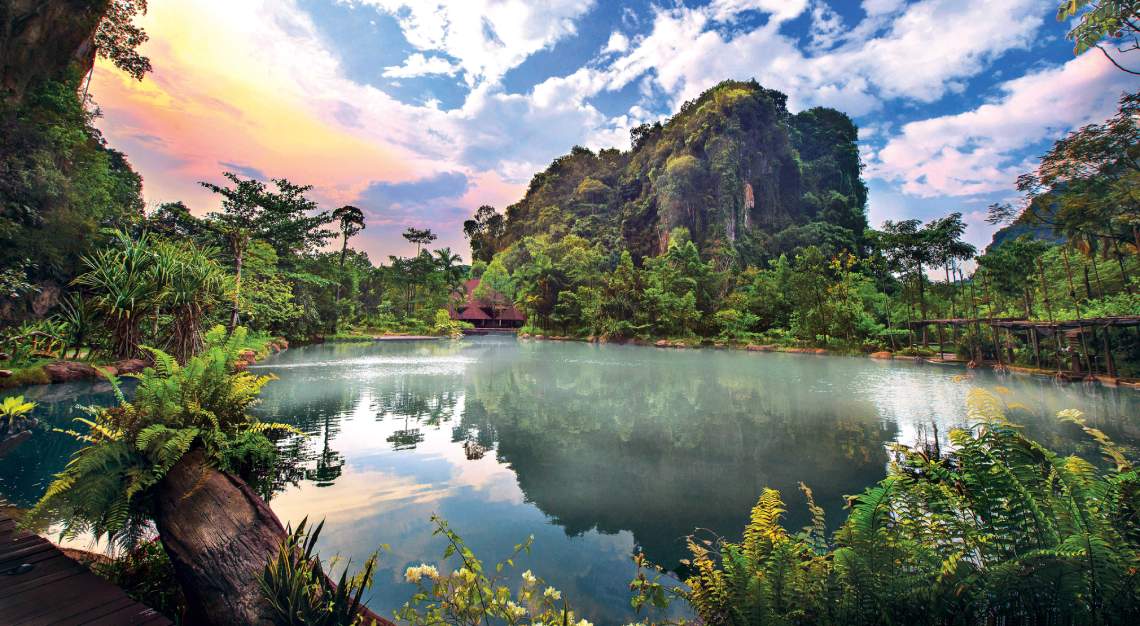
At The Banjaran Hotsprings Retreat, the quaint charms of the Malaysian city peel away to reveal a prehistorically nurtured, five-star oasis of calm
Forget everything you know about Ipoh. No, wait. Scratch that. On the contrary, remember that Ipoh, too, is also all these things. Breathtaking landscapes of limestone hills and natural caves that are almost 260 million years old. Hot springs that rival what you’ll find in Japan. Mind-blowing, award-winning gastronomy. Opulent resort luxury and hospitality. Peace and quiet in the tropics.
For most travellers, Ipoh, the capital city of Perak in northwestern Malaysia, tends to conjure images of a street food paradise framed against nostalgic colonial architecture. The city’s iconic dishes—plump and crunchy beansprouts served alongside fragrant chicken rice; slurpy rice noodles in hot and delicate seafood broth; refreshing bean curd pudding, and so many more—have long enticed foodies in Singapore to fly up north for weekend getaways, where meticulously planned restaurant and coffee shop itineraries are a priority.
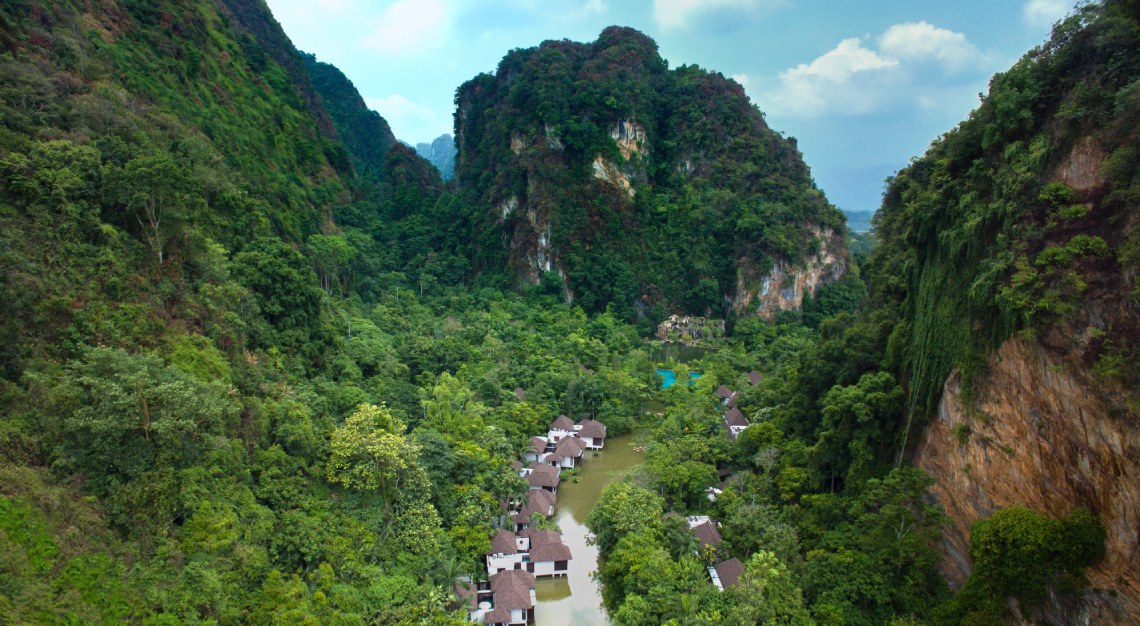
But Ipoh as a destination for a pampering tropical respite that matches the best that Koh Samui or Bali have to offer? A stay at The Banjaran Hotsprings Retreat will open your eyes to another side of the city—one that grants you the five-star trappings of a resort getaway, while indulging you in the culinary temptations and cultural vibrancy you’ve come to know and love.
Paradise, Now
Stepping off the plane and onto the searing heat of the tarmac at Sultan Azlan Shah Airport, it takes a mere 20 minutes by car—past sleepy shophouses, bustling homestyle diners, and Ipoh’s famed system of roundabouts—to reach The Banjaran Hotsprings Retreat.
Opened in 2010, The Banjaran has undergone several refurbishments over the years: upgrades that expanded its villa count, and a recent RM7 million transformation of its fine-dining establishment, Jeff’s Cellar, housed within a prehistoric limestone cave.
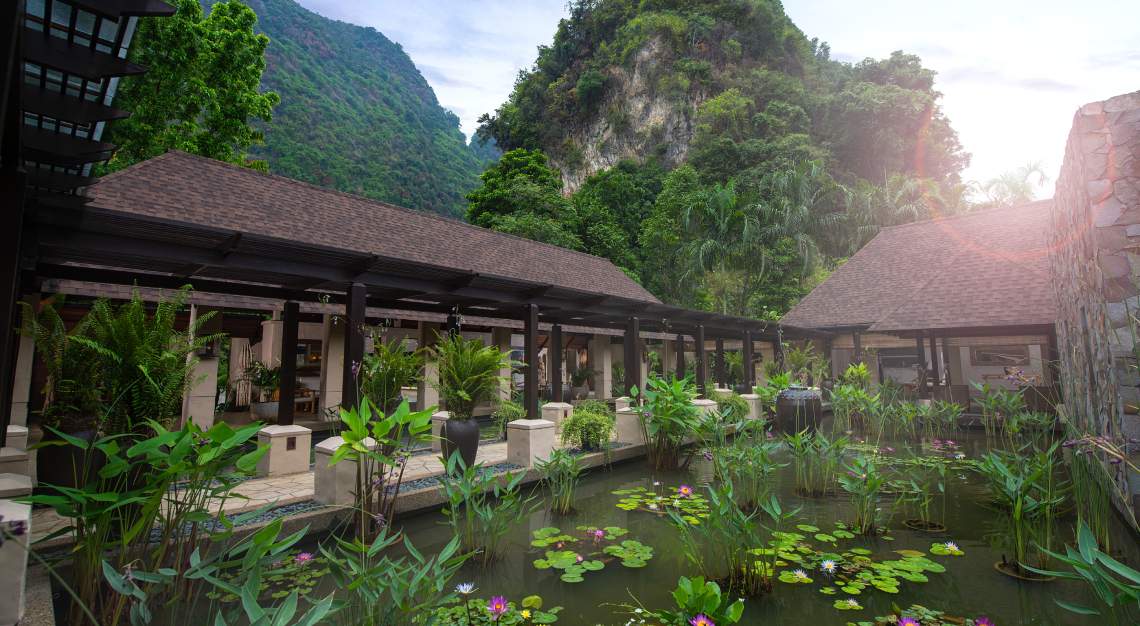
Even with 44 villas across 9.2 hectares, the property promises exclusivity. Part of that is policy—no guests under the age of 12 are allowed. Part of it is the land itself: nestled in a valley framed by towering limestone hills, the air here cools perceptibly as you move deeper into the grounds. The distances between villa clusters are generous enough that a slow walk around the property—to morning yoga, a massage, or lunch at Pomelo, the resort’s main restaurant—feels relaxed and rejuvenating.
Guests seeking restorative experiences usually head to the resort’s outdoor dipping pools for a relaxing soak, or explore one of its four natural limestone caves, including a sauna-like thermal steam cave for detoxification. The Banjaran also houses an award-winning spa that offers over 40 types of holistic, Asian-inspired treatments and therapies, as well as medically inclined treatments such as colon hydrotherapy, antioxidant restorative therapy, and hydrotherapy.
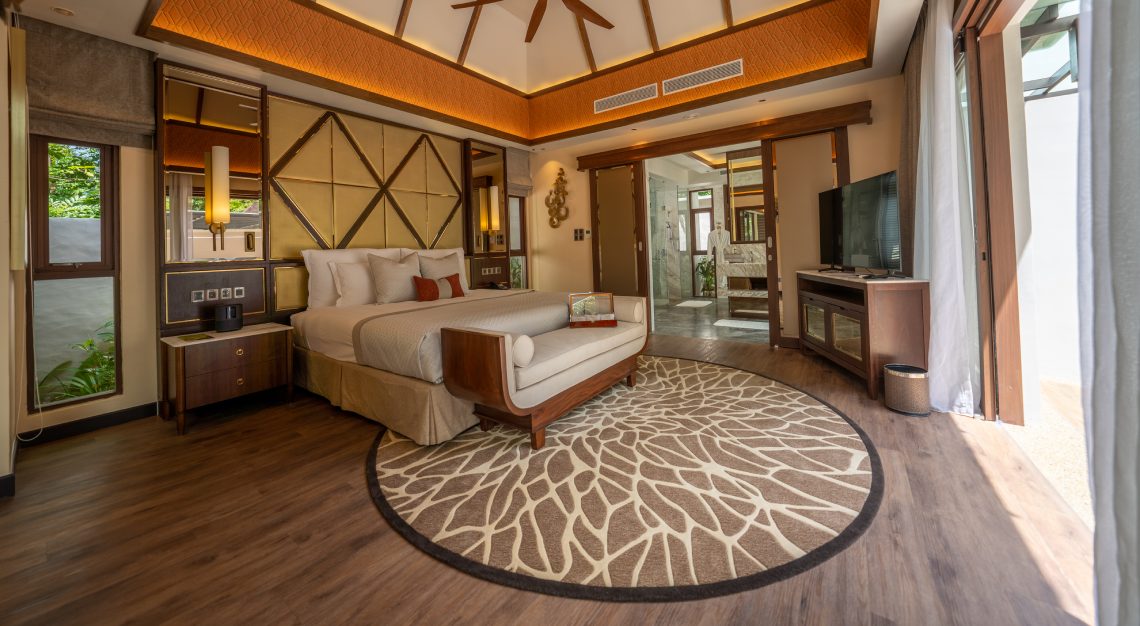
The villa line-up is what gives this resort its genuine claim to the upper tier of Malaysian hospitality. Villas span multiple categories, including Garden, Lake and Water, nestled within verdant foliage and perched atop a canal, respectively. But the ones that set the clearest benchmark are the two-bedroom Royal Villa and the four Grand Garden Villas that were introduced as part of the 2023 expansion.
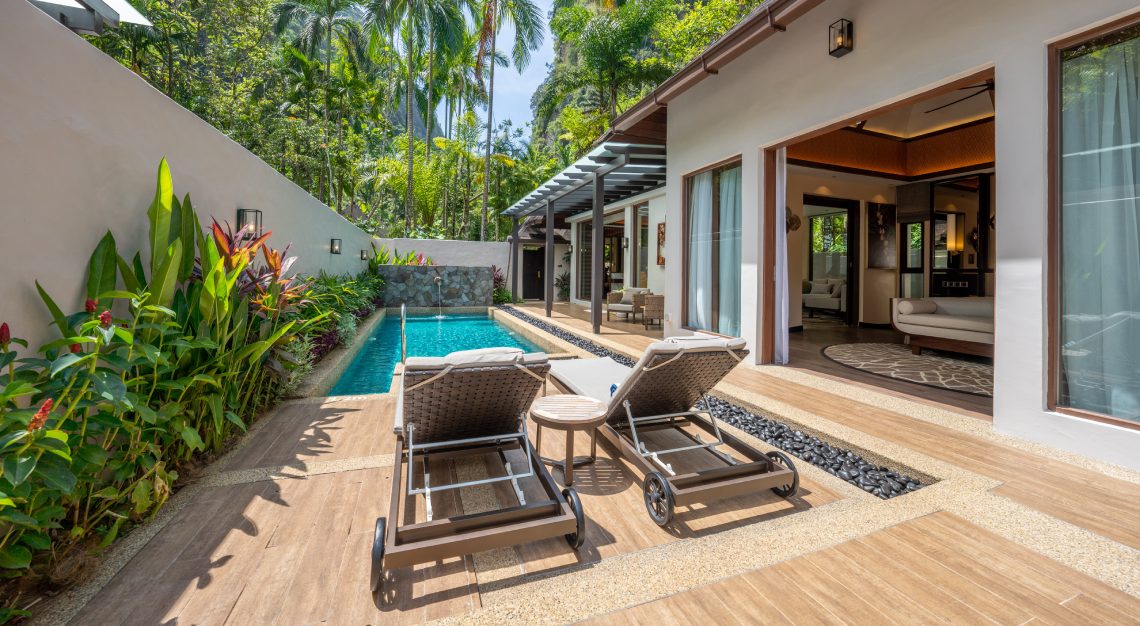
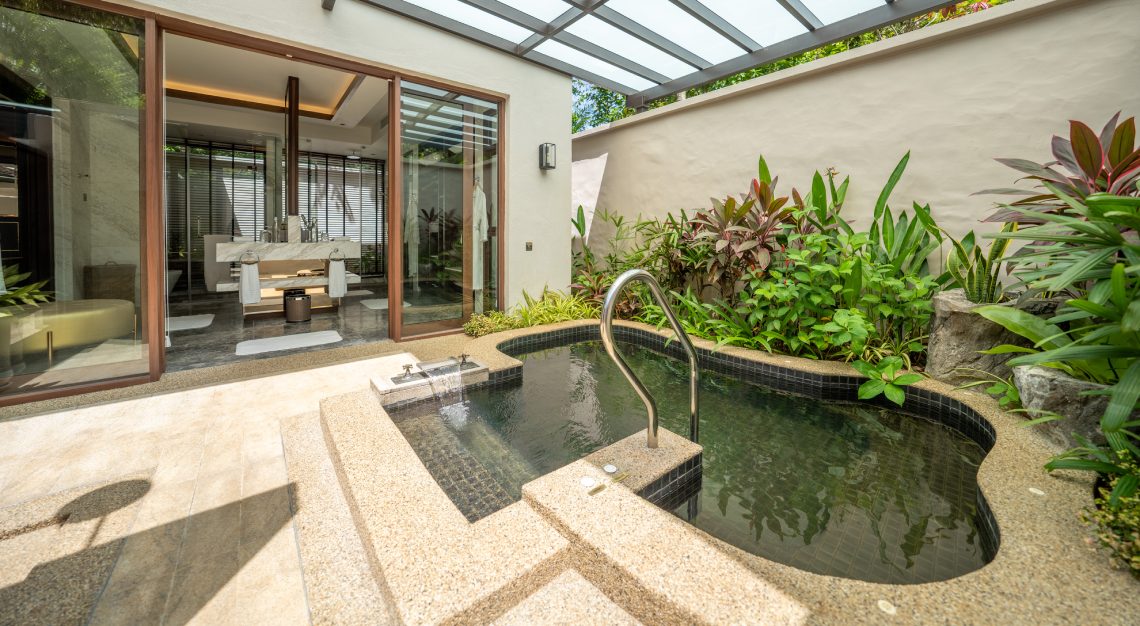
The Royal Villa, which spans 355 sqm, earns its designation through considered design rather than mere scale. One feels its instantly upon entering, a sense of comfort and indulgence in equal measure. The bedrooms furnished with premium linens, the outdoor showers, the private pool, and the geothermal hot spring whirlpool bubbling with mineral-rich waters define the resort’s identity. And if you have ever wondered whether soaking in a geothermal hot spring in the humid tropics constitute a pleasant experience, the answer—tested early in the morning and again late at night—is an unequivocal yes.
Culinary Elevation
For any traveller who visits Ipoh for its food, Jeff’s Cellar will not only complete your gastronomic pilgrimage, but will ensure you leave with renewed appreciation for the city’s culinary treasures. Named after Tan Sri Sir Dr Jeffrey Cheah, Sunway’s founder and chairman, who housed his wine collection here during the resort’s early days, Jeff’s Cellar has emerged from its recent renovation with more space while retaining its sense of occasion. A dramatic backlit bar greets diners upon entering, welcoming them with ice-cold champagne served in Royal Selangor pewterware.
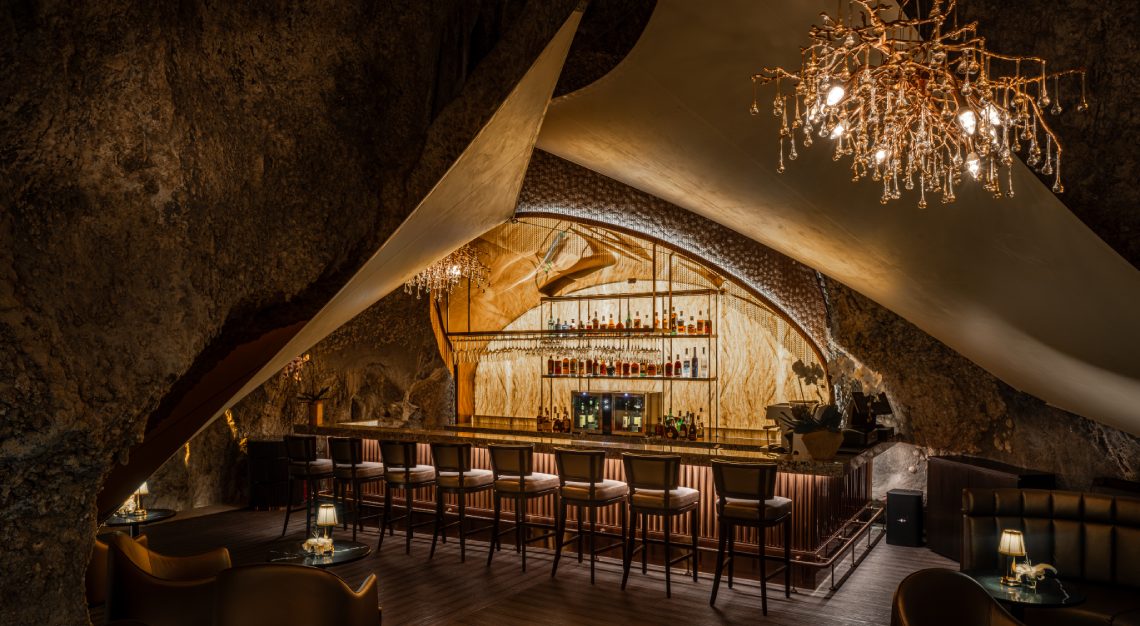
When it is time to be ushered to their tables, guests will no doubt be cognisant of the immense history and opulence that surrounds them: the time-wrought stalactites on 260-million-year-old limestone walls, prehistoric rimstone pools, lavish chandeliers, and artful lighting that coheres into a unique setting.
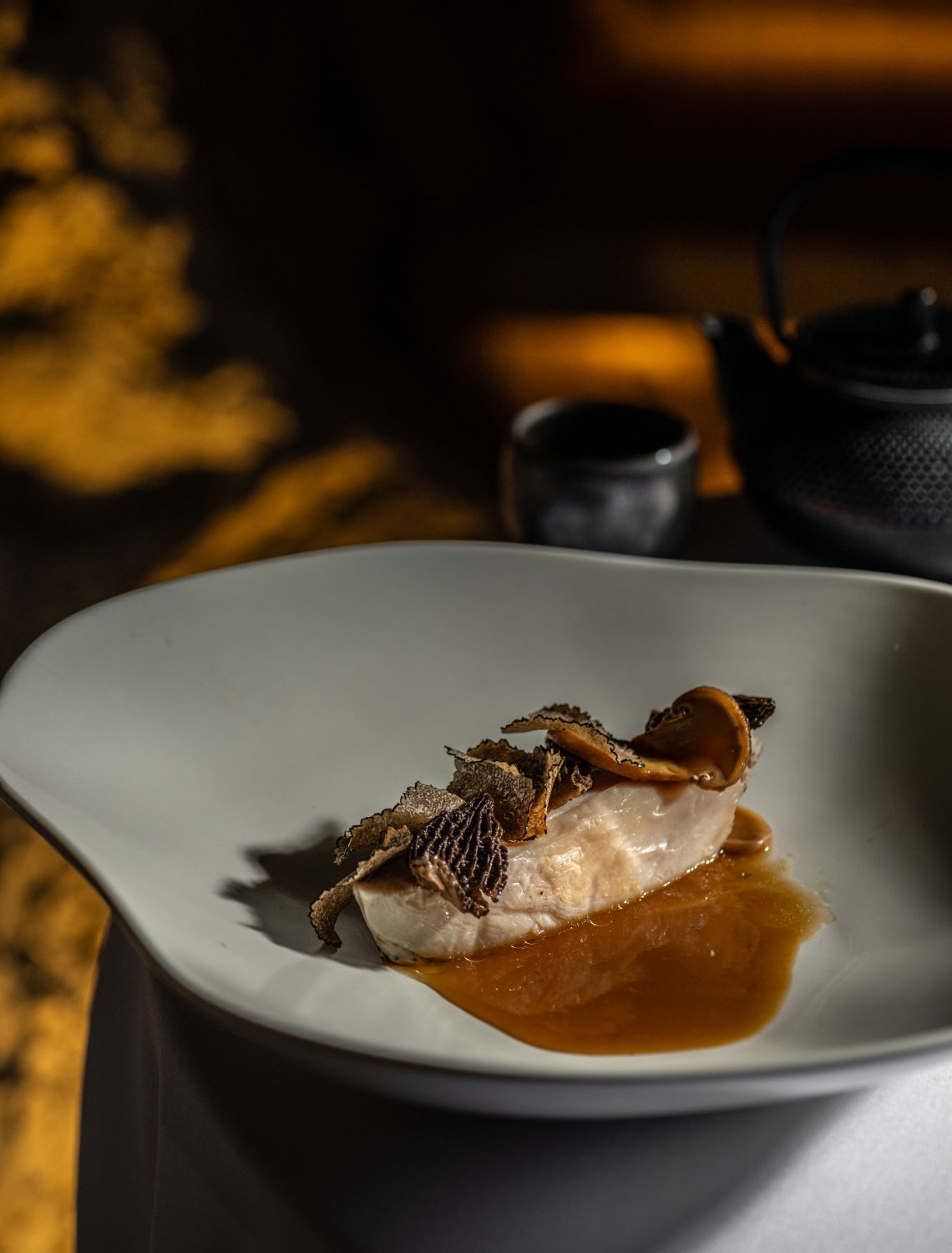
The three new tasting menus currently on rotation, best enjoyed with wine pairings, are the work of Ipoh-born head chef, Lee Choon Boon. The cooking melds European techniques with local produce, along with a touch of The Banjaran’s rustic flair. Among the standout dishes, for instance, is the Poussin en Vessie. The mildly savoury chicken with delicate umami is cooked to a lovely tenderness that is not quite sous vide in character but coaxed through immersion in the resort’s geothermal water for up to eight hours. It is the kind of dish that makes you reconsider what the words ‘local cooking’ can mean.
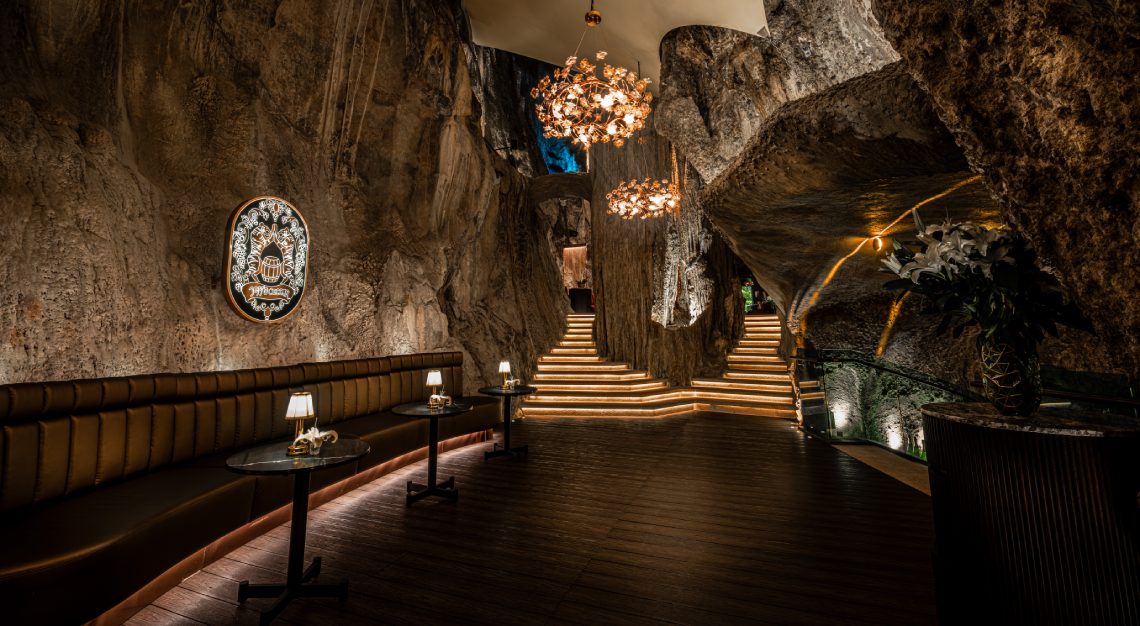
As evenings progress at Jeff’s Cellar, diners will inadvertently find themselves increasingly intoxicated—whether by the exquisite selection of wines or more soberly by the extraordinary ambience. When dessert finally arrives—light gelato dusted with Ipoh peanut crumbs and Bentong ginger powder, to the sound of Andrea Bocelli’s voice bouncing off the cave walls—it helps to be reminded that this, too, is Ipoh at its most authentic.
The Banjaran Hotsprings Retreat
This story first appeared in the June 2026 issue. Purchase it as a print or digital copy, or consider subscribing to us here