Jiin Omakase serves thoughtfully composed seasonal dishes that prove the finest omakase is as much about hospitality as it is about technique
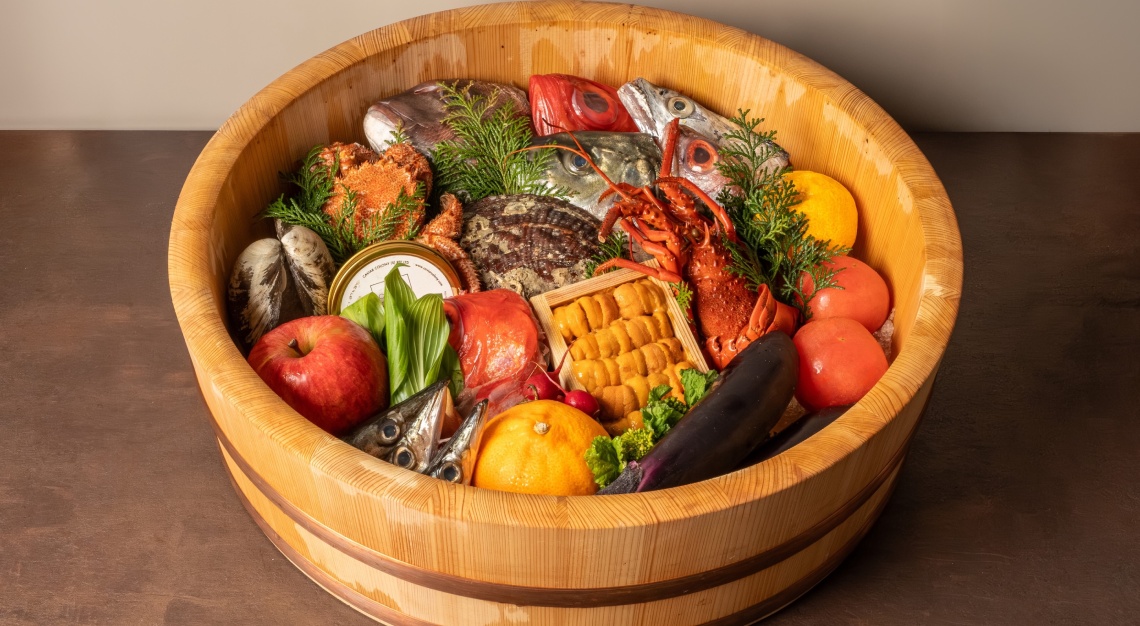
Most Japanese restaurants favour hush. Jiin Omakase, however, opens dinner with a touch of theatre. The lights dim and the chef sets alight a tray concealed beneath what looks like tracing paper. It burns away slowly, revealing the evening’s ingredients: a spread of fresh seafood alongside seasonal vegetables. It is a moment of drama that signals, from the first gesture, that this will be no ordinary omakase.
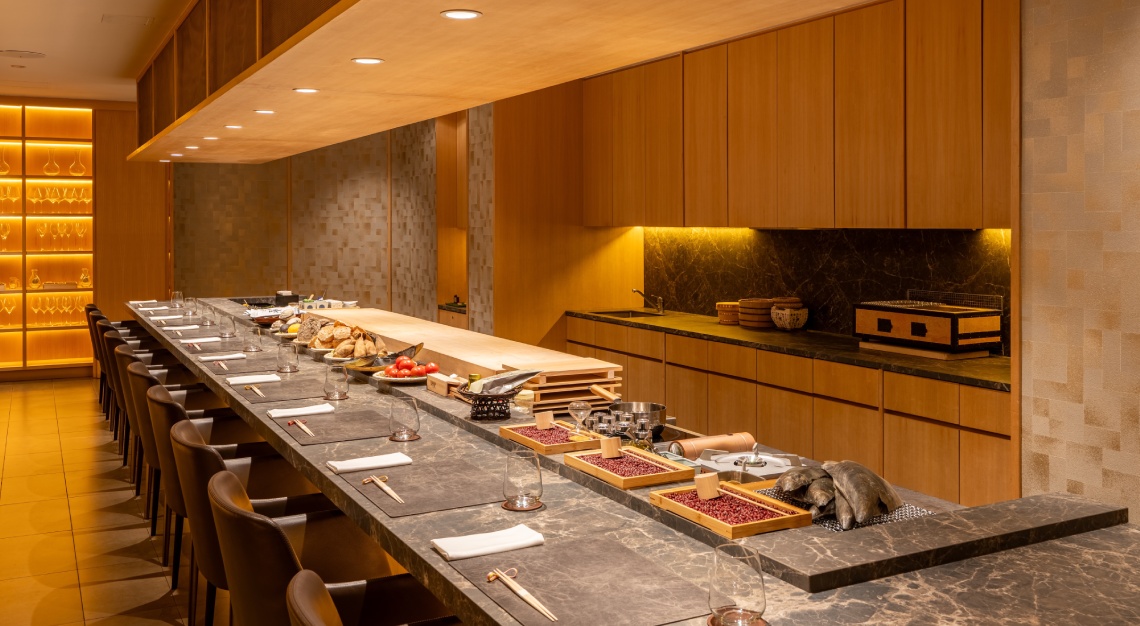
The kitchen follows the seasons closely. Spring brings Hokkaido hairy crab and firefly squid; summer, ayu (sweetfish); autumn, persimmons and wild mushrooms; winter, Matsuba crab. Group head chef Saito Makoto and his team hold to this calendar, while head chef Sakamoto Mitsutaka shapes each meal with the warmth and balance of a ryokan: attentive, measured, unhurried.
Kegani arrives first, Hokkaido hairy crab hidden beneath a tosazu jelly clarified to near-perfect transparency. The jelly wobbles as it lands on the table, carrying the concentrated savouriness of dashi, rice vinegar, and bonito, while the crab beneath stays cold, clean, and naturally sweet. It is a dish best eaten slowly, its flavours complementing rather than competing with one another.
Six seasonal fish follow in the sashimi course: kinmedai, beltfish, shima aji, barracuda, Japanese seabream, and maguro (tuna), each prepared differently and each making its own statement. The shima aji comes paired with finely grated Japanese radish, the tuna with house-made ginger, all of it worked at the counter, where the chefs’ knife skills are on full display.
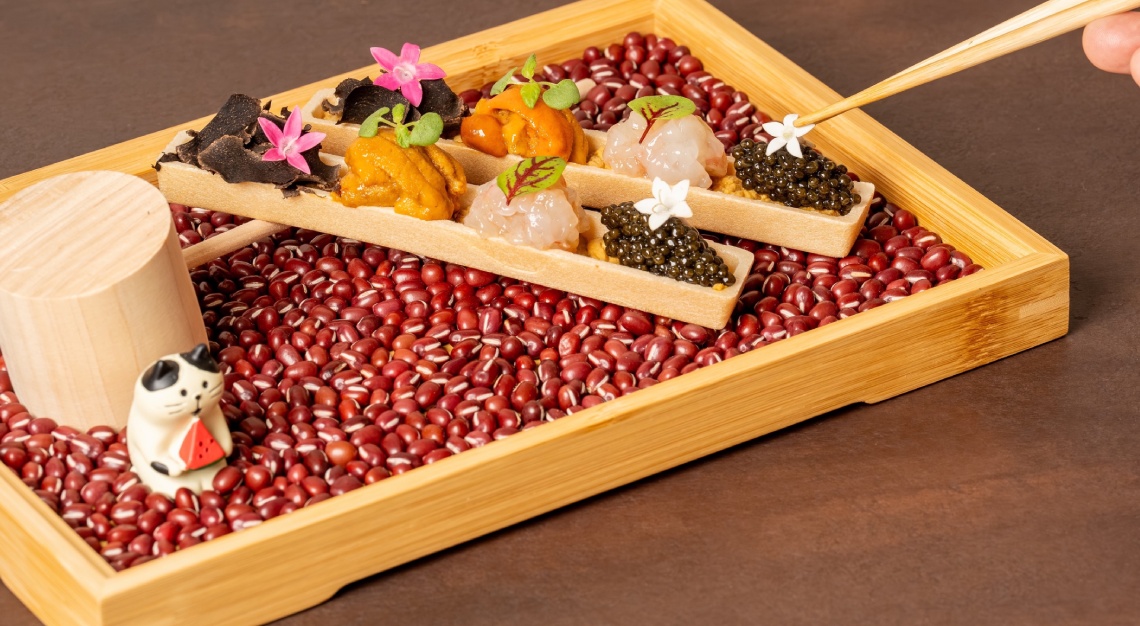
The standout dish of the evening is the monaka: ankimo paste and caviar with botan ebi, uni, and truffle, set on a thin, crisp wafer baked in a mould. Each piece is served on a board from Saito’s personal collection, adorned with small trinkets that lend a touch of whimsy. Look around the restaurant and the same instinct repeats itself, in Japanese knickknacks gathered from trips home and online finds, scattered throughout the space and quietly revealing his personality.
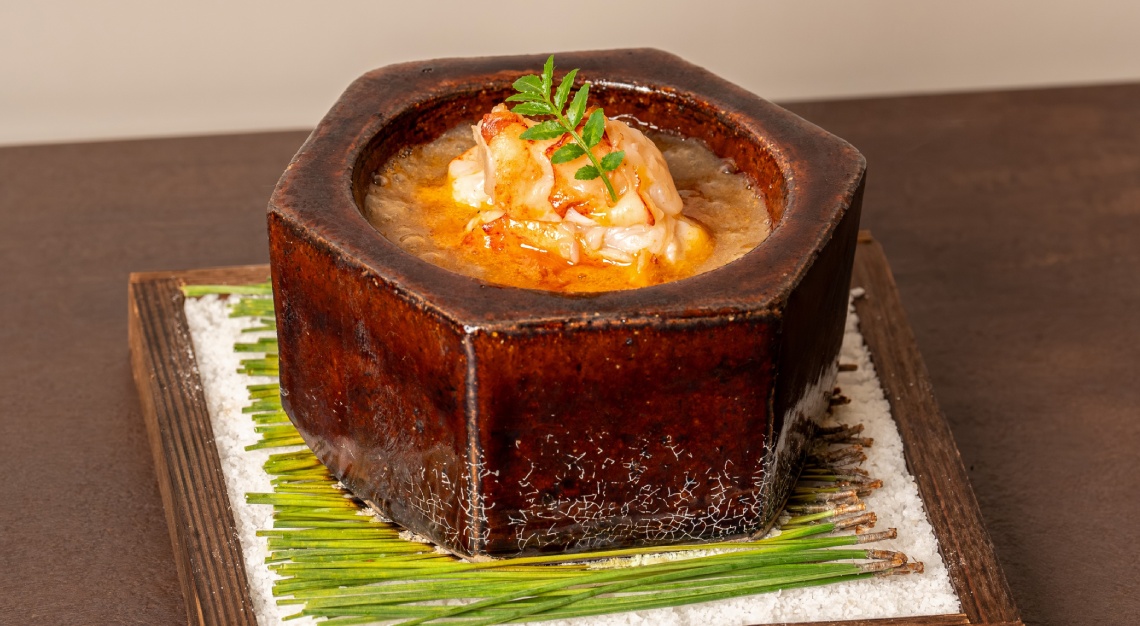
Sous chef Matsuda Koichi presents A5 Kagoshima Wagyu, seasoned simply with mountain salt and sansho pepper before being grilled to medium-rare, juicy, and tender, its flavour lingering well after each bite. The Ise ebi hotpot that follows arrives at the counter still in its shell, gently grilled before finishing in the pot, so garlic butter and char permeate the broth.
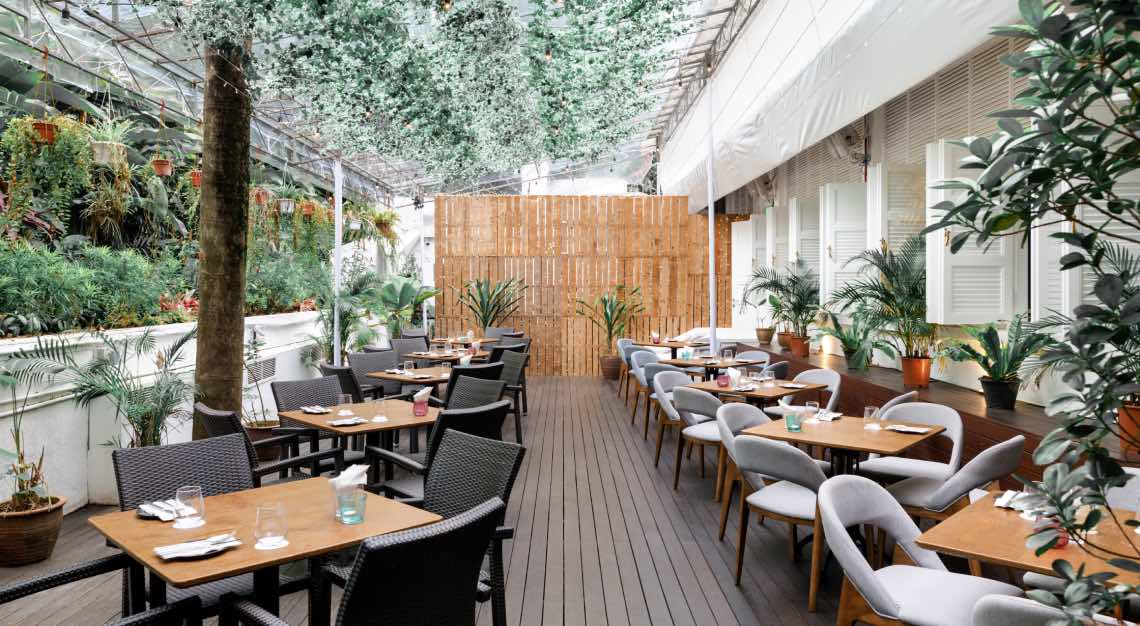
Jiin seats 32 guests across a 12-seat counter and three private dining rooms. Warm earth tones and natural finishes define the palette, while soft lighting creates an intimate setting where diners connect directly with the chefs as the meal unfolds at its own pace.
The menu rewards close attention, from the crab hidden beneath the jelly to the precision of the knife work and the small objects scattered throughout the room. Above all, it offers something increasingly rare: a meal that feels personal, driven by a dedicated team and delivered with hospitality warm enough to make you want to return before the evening is over.