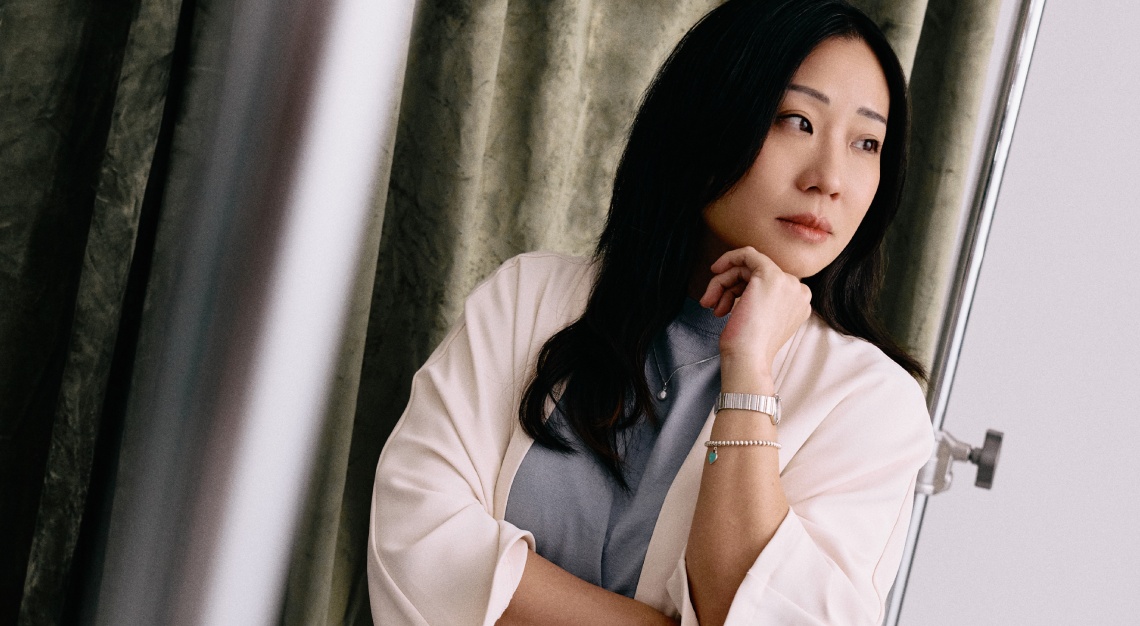
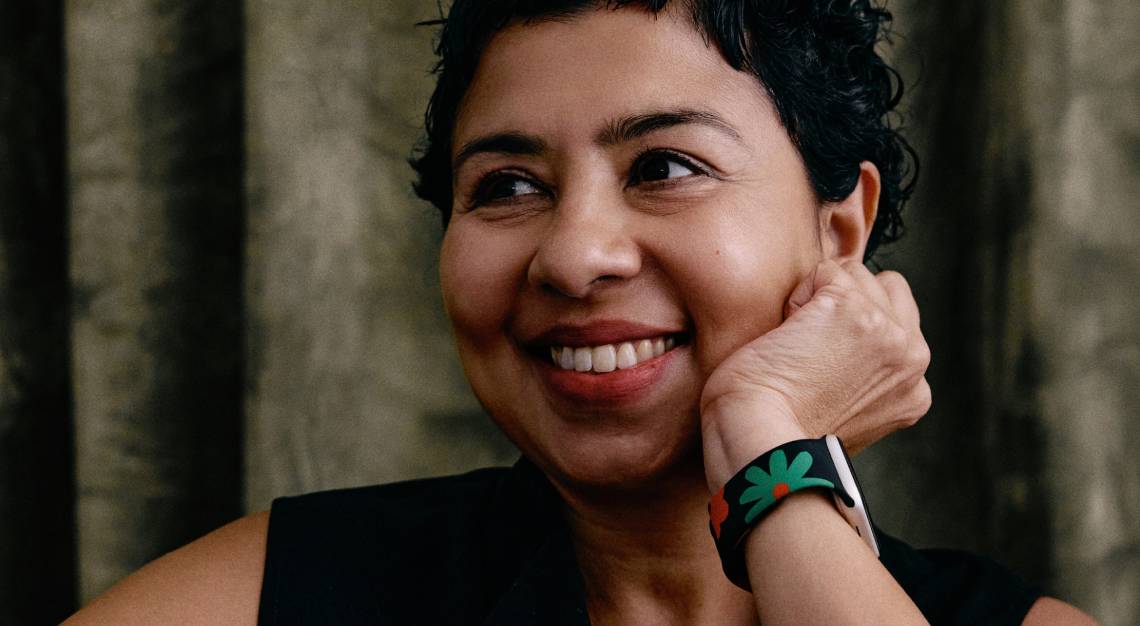
“Start small and with conviction, the rest will follow.” – Dipa Swaminathan
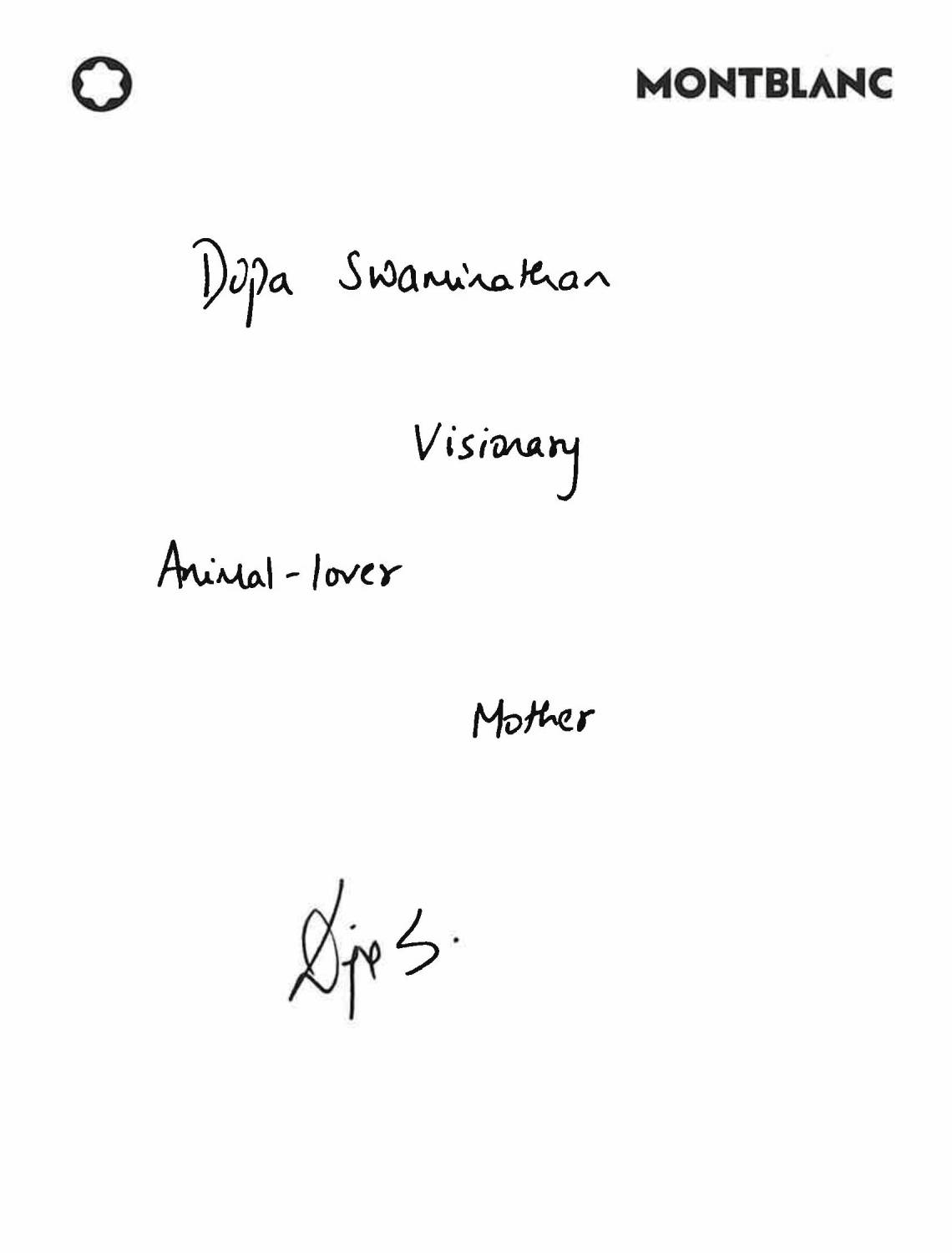
Dipa Swaminathan founded one of Singapore’s most active advocacy movements for migrant workers, yet she insists she is no different from anyone else. Showing compassion to strangers is difficult, she admits. However, when the opportunity to help presents itself, she urges people to follow their instincts.
“Sometimes your instinct is trying to tell you what to do, but we silence it because it’s more convenient not to listen,” says Dipa. More than 10 years ago, she chose to heed that instinct despite the inconvenience, a decision that eventually led her to found ItsRainingRaincoats (IRR).
She recalls driving home through a thunderstorm when she saw two migrant workers sheltering under a single sheet of cardboard. She drove past at first, then something compelled her to turn back and offer them a lift.
One of the men, Murugan, later contacted her for a different kind of help. Mistreated by his employer, buried in debt, and charged with attempted suicide, he felt there was no way out. Dipa, a lawyer by profession, was well placed to help. She got his charges dropped and his loans cleared, and found her resolve to do more for one of Singapore’s most vulnerable worker groups hardened.
From that chance encounter with Murugan to university students donating carrom boards to migrant workers during the COVID-19 lockdown, just a day after the request was made, Dipa credits a basic instinct and “a universe conspiring to help do good” as the movement’s guiding force. And it is one that has grown IRR from a handful of volunteers into over 2,000 helpers running programmes spanning befriending events and upskilling classes to medical and food redistribution services.
How did IRR snowball to become what it is today?
Looking back, I’m as amazed as you are. We were just going around doing small things for migrant workers and things grew from there. For example, I had one encounter at Starbucks, where I collected their unsold food and gave it to migrant workers. That went viral and from one Starbucks outlet, it grew to over 30 outlets—and it’s still running. Whenever we see a good idea and can act on it, we do it. If it sticks, it becomes a permanent part of what we do.
Is leadership in the advocacy space different from leadership in the corporate world?
Very much so. In advocacy, or change-making as I’d prefer to call it, you’re united by the cause and the beneficiaries. Everyone is united on one journey behind one mission. When you build an organisation with a lot of democracy around ideas, where anybody can propose a good idea the organisation can take on, you have a recipe for success. Perhaps in corporate settings, that doesn’t always happen.
As a figurehead of the organisation, did you feel you had to live up to a certain standard?
I wouldn’t call myself a figurehead. I will do whatever needs to be done. Leading from the front makes things easier. It also lets your volunteers know that if there’s a problem, the buck stops with me.
Were there times when it felt like too much to run IRR?
I did go through a fair amount of burnout over the years. But I didn’t hide from acknowledging it and I talk about it openly. It’s simply part of the journey. I spoke to a leadership coach and a therapist who were very helpful. They gave me small, practical things I could do to change the level of exhaustion and burnout.
Last year was IRR’s 10th anniversary and it has been doing well. It was around that time that I decided it was time to step back from the board earlier this year. I’m still, obviously, the founder and IRR will always be my baby, so I’ll always be around.
What’s one piece of advice you find yourself giving again and again?
Start small and with conviction. The rest will follow.
Photography by Eugene Lee of Enfinite / Hair & Makeup by Sveta Klyn of Suburbs Studio